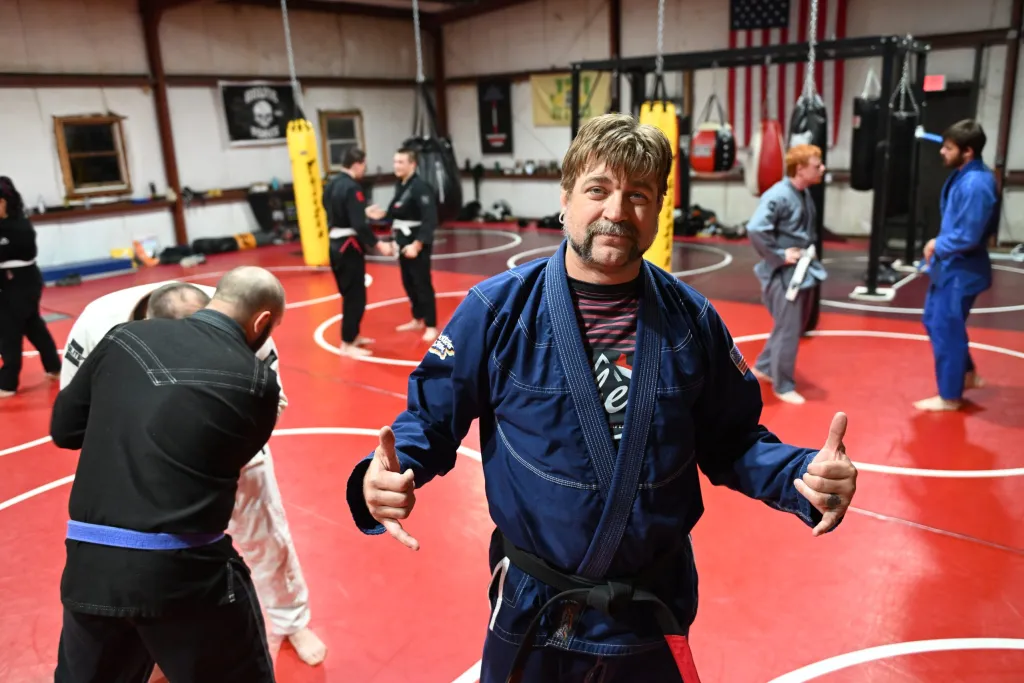
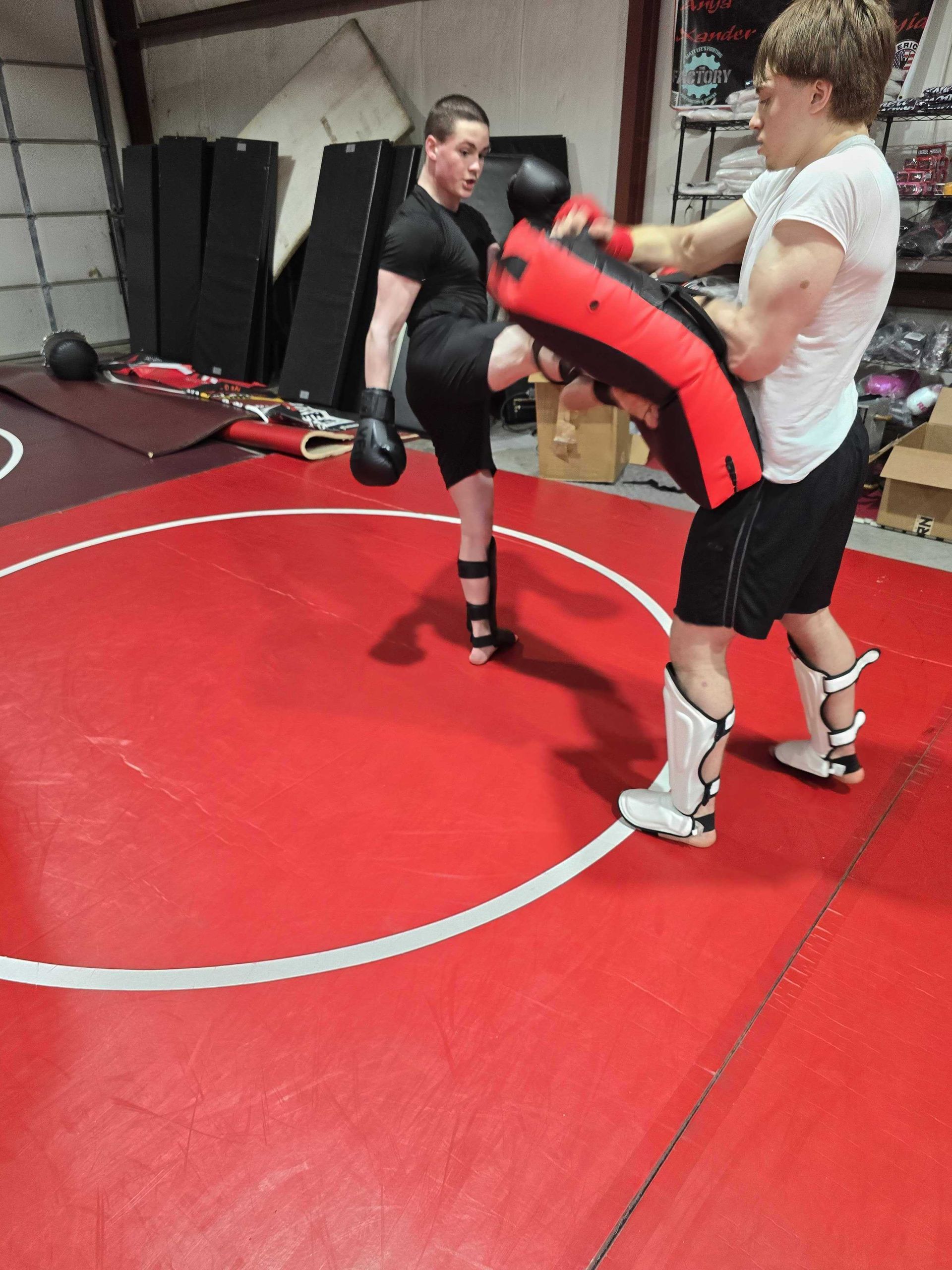
Jiu-Jitsu gives you a practical way to get stronger, calmer, and more capable, one class at a time.
Starting something new can feel like a big leap, especially when it involves learning a martial art. The good news is that Jiu-Jitsu is one of the most beginner-friendly ways to build real-world strength because it rewards patience and smart technique, not just athleticism. If you live in Orange, MA, that matters. You want training that fits your schedule, meets you where you are, and actually carries over into everyday life.
We see it all the time: adults who want a workout that does not feel like a treadmill sentence, parents who want a structured after-school routine, and complete beginners who just want to feel more confident in their own skin. Jiu-Jitsu works because it is skill-based and progressive. You are not expected to know anything on day one.
Participation in Brazilian Jiu-Jitsu continues to grow worldwide, with estimates placing the community around 4.7 to 5.0 million practitioners. What is interesting is why people stick with it. Alongside fitness and self-defense, recent reporting and research keep highlighting stress relief, confidence, and mental flexibility as major drivers. A 2025 study on lifelong skills in BJJ found many participants reporting meaningful gains in confidence, reduced anxiety, improved mood, and stronger commitment over time, and it included a broad mix of ages, including youth and adults.
Why Jiu-Jitsu clicks for beginners in a small-town routine
In a place like Orange, you are often balancing a lot: work, family time, winter weather, school calendars, and the general reality that you cannot always drive far for everything. We built our programs around the idea that your training should support your life, not compete with it.
Jiu-Jitsu is also unusually practical for the time you put in. Because it focuses on leverage, control, and positioning, you learn how to solve problems with your body in a way that makes sense. You will feel yourself getting stronger, but you will also notice that your decision-making improves when you are tired, pressured, or uncomfortable. That is a real skill, whether you are dealing with a hectic day at work or just trying to keep calm in a tense moment.
For beginners, another huge advantage is that progress is measurable. The first time you escape a bad position or hold a stable base, it is obvious. Your body understands it before you can even explain it, and that little spark of “oh, that worked” keeps you coming back.
What you build, beyond the basics: strength, cardio, mobility, and problem-solving
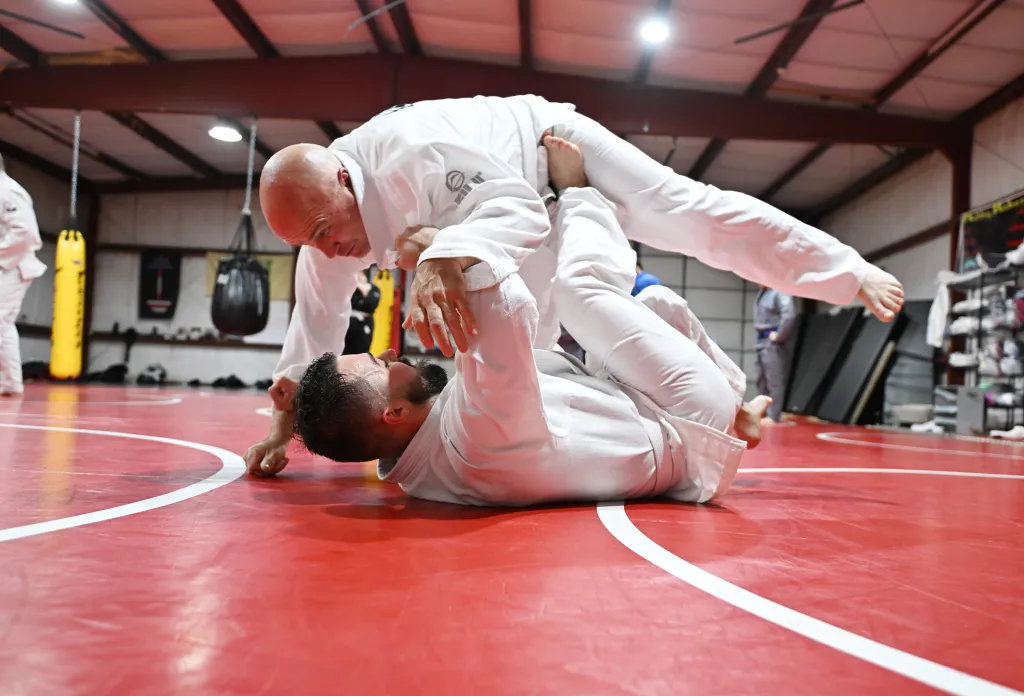
People often think of Jiu-Jitsu as “rolling around on the mats,” and sure, there is grappling. But the training effect is deeper than it looks from the outside. Brazilian Jiu-Jitsu is widely described as a full-body workout that builds strength, cardiovascular fitness, flexibility, coordination, and problem-solving ability.
In our beginner path, you are developing:
• Everyday strength: grip strength, core stability, hip movement, and posture under pressure
• Work capacity: better breathing and pacing, even when you are tired
• Mobility that feels useful: hips, shoulders, and spine movement that supports daily comfort
• Coordination and balance: learning to move with purpose, not panic
• Calm problem-solving: making choices while someone is actively resisting you
That last point is why so many adults tell us Jiu-Jitsu helps outside the gym. You get used to staying steady when things feel chaotic. It is not magic, but it is a consistent practice of keeping your head clear.
Beginner safety: how we keep training controlled and sustainable
One of the first questions beginners ask is whether Jiu-Jitsu is safe. The honest answer is that any contact sport has risk, but beginners do very well when training is structured and respectful. Our job is to guide you through progressive learning, so you are not thrown into the deep end.
We focus on:
• Clear coaching on how to fall, base, and move safely
• Tapping early and often as a normal part of learning
• Controlled drilling before live rounds
• Partner selection that matches size, experience, and intensity
• A low-ego training culture where improving matters more than “winning”
Safety is also about pace. You do not need to go from zero to five classes a week. Consistency beats intensity, especially at the start.
Adult Jiu-Jitsu: a realistic way to train, get fit, and feel capable
Adult Jiu-Jitsu works well because it is not dependent on being in shape first. You build your fitness through the practice itself. Many adults begin for self-defense, but stay because it becomes the most consistent workout routine they have ever had. It is hard, yes, but it is also interesting, and that makes a difference.
In our Adult Jiu-Jitsu classes, we keep the learning practical. You will spend time on core positions and the habits that keep you safe: posture, base, frames, and how to escape. Over time, you start connecting the dots. You realize that small details change everything, like where your hips are, how you use your legs, or when you choose to slow down.
A lot of adults also appreciate that progress is not just physical. The same 2025 lifelong-skills research on BJJ reported that participants often experience reduced anxiety, improved mood, and greater mental flexibility. We cannot promise a specific mental health outcome for every person, but we can say this: steady training, supportive coaching, and a positive routine are powerful tools.
How often should a beginner train?
If you are brand new, two classes per week is a strong start. It gives you time to recover, absorb the material, and build momentum. Once your body adapts, many students enjoy training three times per week because the learning curve feels smoother when you see the positions more often.
If you are busy, do not overthink it. We would rather see you train consistently at a sustainable pace than sprint for two weeks and disappear for two months.
Youth Martial Arts in Orange MA: confidence, discipline, and healthier habits
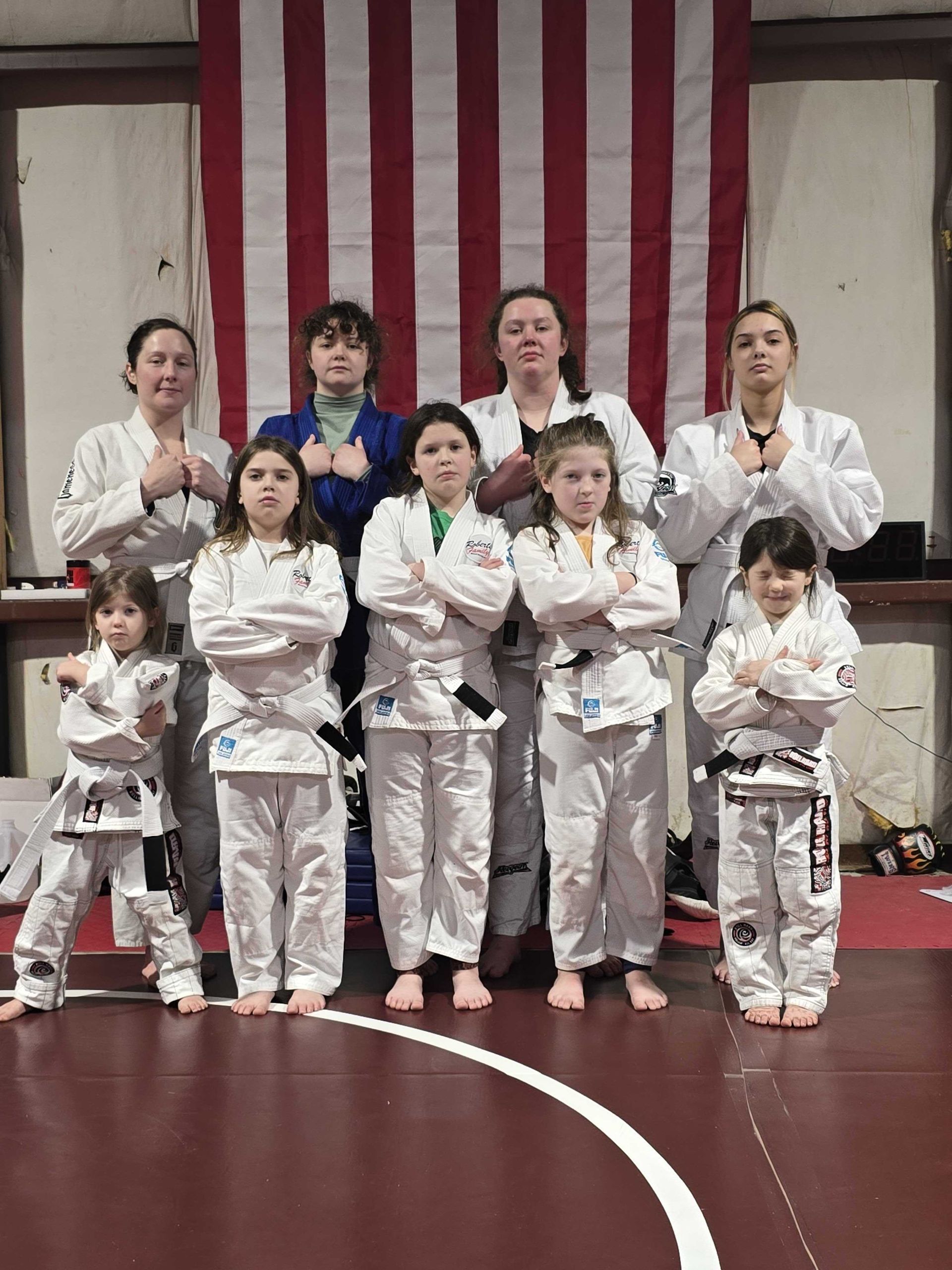
Parents in Orange often want one program that checks several boxes: physical activity, confidence, respect, and a healthy routine after school. Youth Martial Arts in Orange MA can be that anchor, especially when it is taught in a way that keeps kids engaged without turning class into chaos.
In our youth program, we treat confidence as a skill. Kids build it by practicing small challenges successfully, learning how to partner safely, and getting comfortable with effort. We also emphasize listening skills, discipline, and respect, because those habits make training work and they tend to carry over into school and home routines.
Safety is a big deal for youth. Classes are structured, age-appropriate, and focused on skill development. Kids learn body awareness, coordination, and simple self-defense concepts without being pushed into intensity that does not match their maturity or experience.
What age can kids start?
Many local programs commonly start around age 5 and up, and that is often a good general planning point for families. The best approach is to check the class schedule and see which age group lines up with your child’s needs and attention span.
Gi vs no-gi: what beginners should know before the first class
You may hear people talk about gi and no-gi like it is a major decision. For beginners, it is simpler than it sounds.
Gi training uses the traditional uniform. The grips slow things down a bit and make certain controls and escapes more technical. No-gi is usually done in athletic gear, with less fabric to hold. It often feels faster, a little more slippery, and very movement-focused.
Both styles are part of the broader Jiu-Jitsu ecosystem, and both can serve beginners well. What matters most at the start is showing up, learning the fundamentals, and training in a way that keeps you healthy.
What to expect in your first Jiu-Jitsu class
Your first class should feel welcoming, organized, and clear. We keep the process simple, because beginners should not have to guess what to do next.
Here is a typical flow you can expect:
1. Quick orientation so you know where to go, what to wear, and how class works
2. Warm-up focused on movement basics you will actually use
3. Technique instruction with step-by-step coaching and partner practice
4. Optional controlled rounds, depending on the day and your comfort level
5. Cooldown and a chance to ask questions about what you learned
You do not need prior experience. You do not need to “get in shape first.” If you can listen, try, and stay patient with yourself, you can start.
What should you wear?
If you are doing a gi class, we will guide you on uniform options. If you are starting in no-gi, wear a fitted athletic shirt or rashguard and shorts or leggings without pockets or zippers. Bring water. If you have doubts, check the website for beginner guidance, or ask us before class. We would rather answer a simple question than have you feel unsure walking in.
Everyday self-defense: why Jiu-Jitsu feels practical
Self-defense is one of the most common reasons adults begin training. Jiu-Jitsu is known for teaching you how to control distance, manage clinch situations, and survive on the ground, where many real altercations end up. It is not about looking tough. It is about having options and staying composed.
We teach fundamentals that show up again and again: how to maintain base, how to escape pins, how to protect yourself while you stand back up, and how to control an aggressive person without needing to rely on strength alone. For many students, that is where confidence starts to feel real, because it is earned through practice.
Staying consistent in Orange, MA: making training part of your week
Consistency is the secret that is not really a secret. But it can be tricky in a small-town schedule. Winters get long. Work gets busy. Kids have events. We recommend building a routine that feels doable.
A few simple strategies help:
• Pick two training days you can protect most weeks
• Use the class schedule page as your anchor, not your mood
• Focus on skill goals, not just sweat goals
• Expect some awkwardness early on, because that is normal
• Measure progress in months, not days
If you stick with it, you will notice your posture improves, your breathing gets better under pressure, and you start handling hard moments with more calm. Those are everyday wins, and they add up.
Ready to Begin
If you want a beginner-friendly path into Jiu-Jitsu in Orange, MA, we have built our classes to be structured, welcoming, and practical from day one. You will train for real fitness, real skill, and the kind of confidence that comes from doing hard things carefully and consistently.
When you are ready, Roberts Family Mixed Martial Arts is here to guide you, whether your focus is Adult Jiu-Jitsu, Youth Martial Arts in Orange MA, or a family routine that supports everyone’s goals. You can start where you are and build from there, and we will make sure you understand the why behind what you are learning.
Improve your fitness, build confidence, and challenge yourself through training at Roberts Family Mixed Martial Arts.
ACCESS OUR SCHEDULE
& EXCLUSIVE WEB SPECIAL
Secure your spot and get started today with our EXCLUSIVE offer!