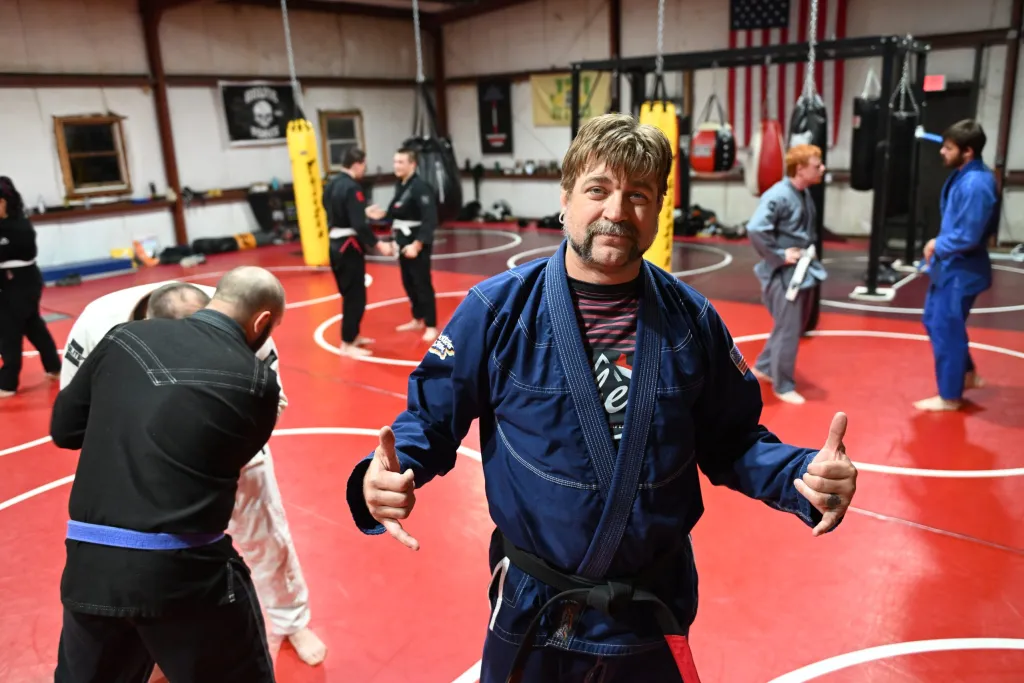
Jiu-Jitsu doesn’t just teach you how to move on the mat, it teaches you how to stay steady when life gets messy.
In a small community like Orange, MA, resilience shows up in everyday moments: getting through a stressful workweek, handling conflict without escalating it, helping kids navigate friendships and school pressure, and keeping your body healthy when routines get busy. That is where Jiu-Jitsu fits so well. It is practical, it is mentally demanding in a good way, and it meets you where you are.
We train with a simple goal in mind: build skills you can actually use, then repeat them enough that you trust yourself. The bonus is that the same practice that helps you escape a hold or maintain control also helps you manage stress, follow through on commitments, and recover when you have a bad day.
Research on martial arts training in kids and teens consistently points to improvements in cardiorespiratory fitness, strength, flexibility, balance, coordination, and body composition, along with gains in self-control and emotional regulation and even reductions in bullying behaviors. We see those themes play out on the mat every week, not as a miracle cure, but as a steady, realistic process.
Why Jiu-Jitsu feels different from typical fitness
A treadmill session can be good for your health, but it rarely teaches you how to solve problems under pressure. Jiu-Jitsu does. You are constantly making decisions: where your weight goes, what grips matter, how to protect your neck, when to move, and when to breathe and wait.
That is one reason adult participation has grown in recent years. Adults want workouts that are not monotonous, and we do not blame you. In class, conditioning happens, but it happens inside skill-building. You leave having learned something specific, not just feeling like you sweated.
The sport is evolving, too. Current trend reporting in 2026 highlights more intentional training, more recovery and structure, and more wrestling integration. Competition trends emphasize leg locks, back takes, pressure passing, and hybrid wrestle-jitsu styles. Even if you never plan to compete, these trends influence how modern gyms teach movement, control, and transitions, and we keep our instruction current while staying beginner-friendly.
1) Confidence under pressure that shows up off the mat
Resilience is not loud. Most of the time it is quiet decision-making in uncomfortable moments. Jiu-Jitsu builds that kind of confidence because it puts you in controlled, challenging situations where you learn to stay calm and work the problem.
In training, pressure is physical, but it is also mental. Someone is trying to control you, and you have to choose a response. Over time, you learn that panic makes everything harder, and that small, correct steps add up.
Here is what that can look like in everyday life:
- You notice your breathing when you are stressed and settle it before you speak.
- You stop interpreting every setback as failure and start treating it like feedback.
- You feel more comfortable setting boundaries because you have practiced staying composed under strain.
That is not motivational poster talk. It is repetition. You practice a hard thing in a safe room, and your nervous system learns it can handle hard things.
2) Better conditioning without feeling like “just cardio”
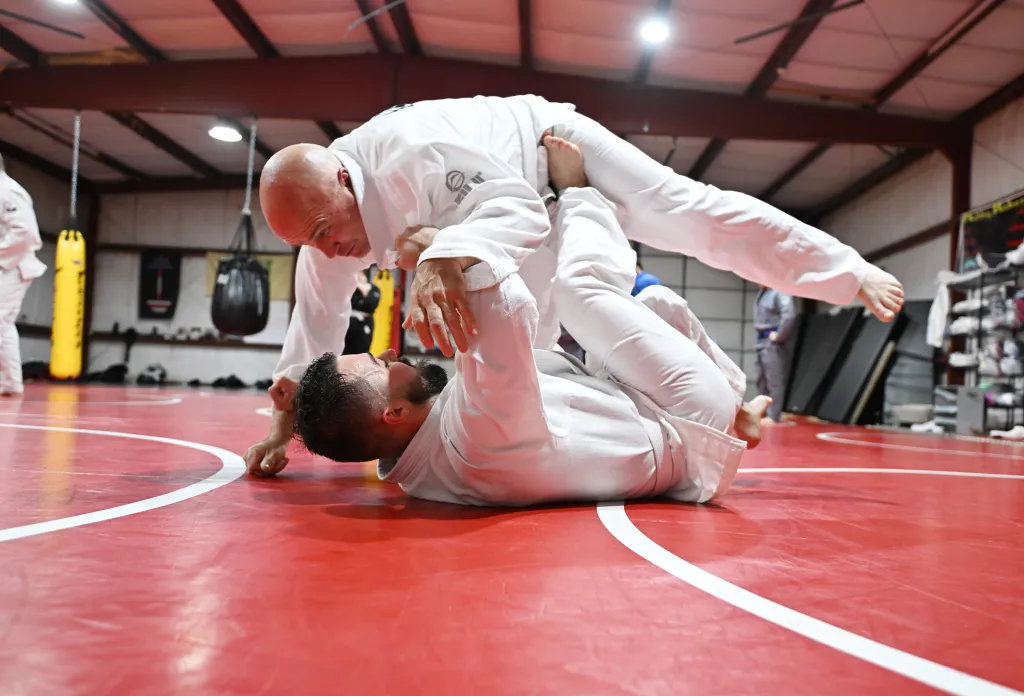
One of the most practical benefits of Jiu-Jitsu is that it develops usable fitness. You get stronger in positions that require real leverage. You build grip endurance and core stability. You improve balance and coordination because those are required to stay on top, stand up safely, and keep your base.
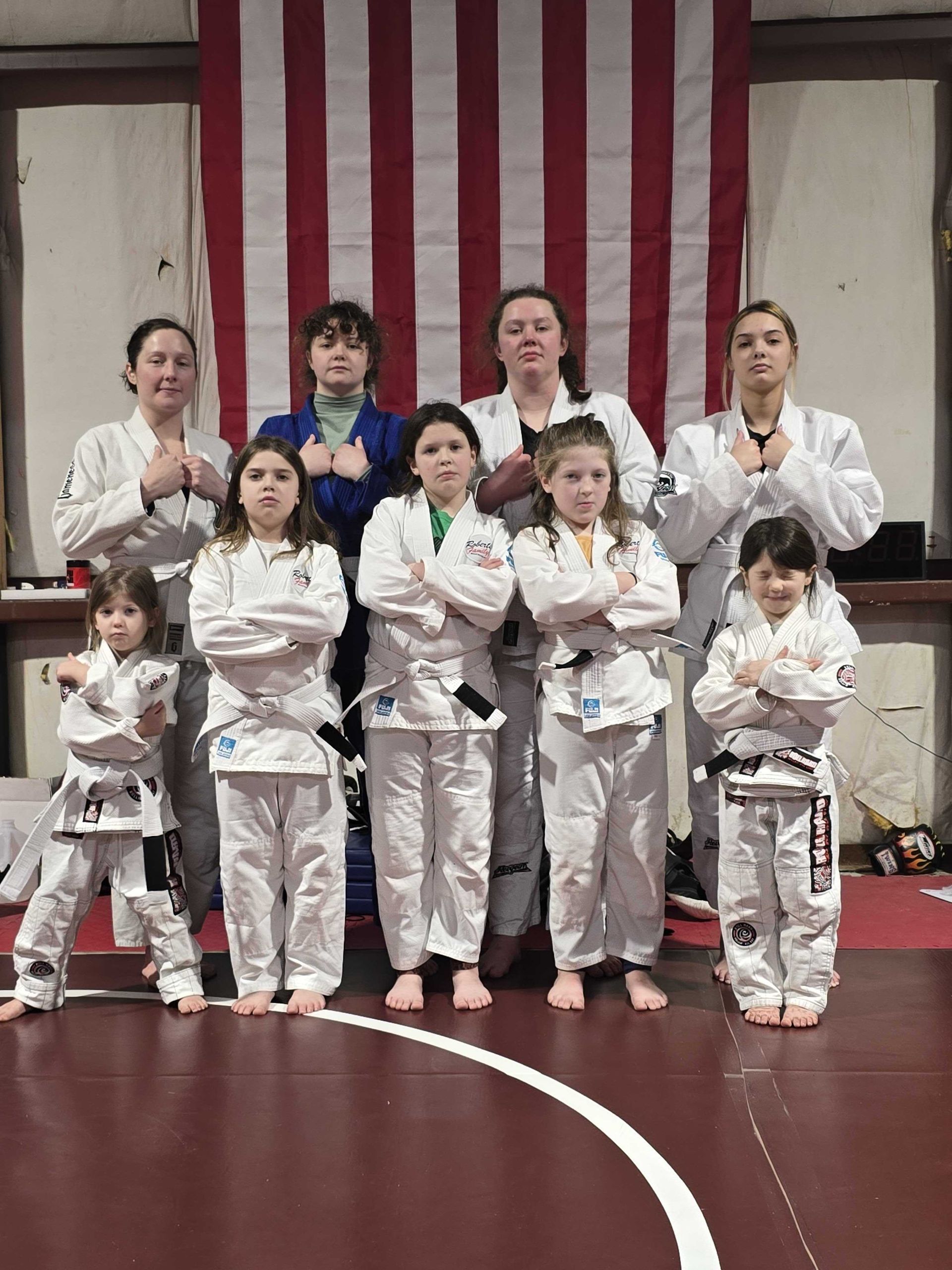
For youth, the research is especially encouraging: martial arts training is linked with improvements in strength, flexibility, balance, coordination, and overall fitness markers. For parents looking for Youth Martial Arts in Orange MA, that matters, because kids need movement that is structured, engaging, and consistent through the seasons.
For adults, the appeal is sustainability. You can scale intensity, choose appropriate partners, and progress at a pace that makes sense for your body. Adult Jiu-Jitsu can be demanding, but it does not have to be reckless. We emphasize smart training so you can train for the long haul.
3) Focus and discipline that transfers to school and work
Jiu-Jitsu rewards attention to detail. A small angle change can decide whether a sweep works. A grip placed one inch off can ruin a choke. That forces you to focus, and it makes distraction obvious.
For kids and teens, this can be a big deal. A structured class teaches them to listen, line up, follow steps, and keep trying when something does not click on the first attempt. That is discipline, but it is earned, not forced. They see that effort leads to results.
For adults, focus often shows up as a break from constant mental noise. When you are drilling a technique, you cannot scroll, multitask, or half-listen. You are present. That mindful attention is one reason martial-arts research also connects training with mindfulness and improved emotional regulation.
What we mean by “structure” in class
We keep classes organized so beginners do not feel lost and experienced students still grow. A typical session usually includes:
- Warm-ups designed to build movement patterns you will use in Jiu-Jitsu
- Technique instruction with clear steps and troubleshooting
- Drilling for repetition and confidence
- Controlled sparring that matches intensity to experience
- Cooldown or brief coaching notes so you leave with a takeaway
That consistency helps kids feel secure and helps adults feel progress, even when the week outside the gym is chaotic.
4) Stress relief and emotional control you can practice, not just talk about
Stress management is a skill. Jiu-Jitsu is one of the few places where you can practice it with immediate feedback. If you tense up and hold your breath, you gas out. If you rush, you get off-balance. If you accept the position, breathe, and build frames, you recover.
That lesson matters in real life. The goal is not to be unbothered all the time. The goal is to notice stress early, choose a response, and stay respectful. Research on martial arts points to reduced stress and improvements in self-control and emotional regulation, and that matches what many students report: training becomes a pressure valve.
For kids, emotional regulation can show up as fewer impulsive choices. For teens, it can show up as handling social pressure with more confidence. For adults, it can be as simple as sleeping better because you finally gave your body and brain a focused outlet.
5) Practical self-defense and problem-solving in realistic positions
We treat Jiu-Jitsu as problem-solving under constraints. You are pinned, grabbed, or controlled, and you have to build a solution from fundamentals. That is why it is widely framed today as practical self-defense and fitness, not only a niche combat sport.
You learn how to:
- Protect yourself when someone is on top of you
- Create space with frames and leverage instead of brute strength
- Stand up safely and disengage when appropriate
- Control without striking, which matters for many real-world situations
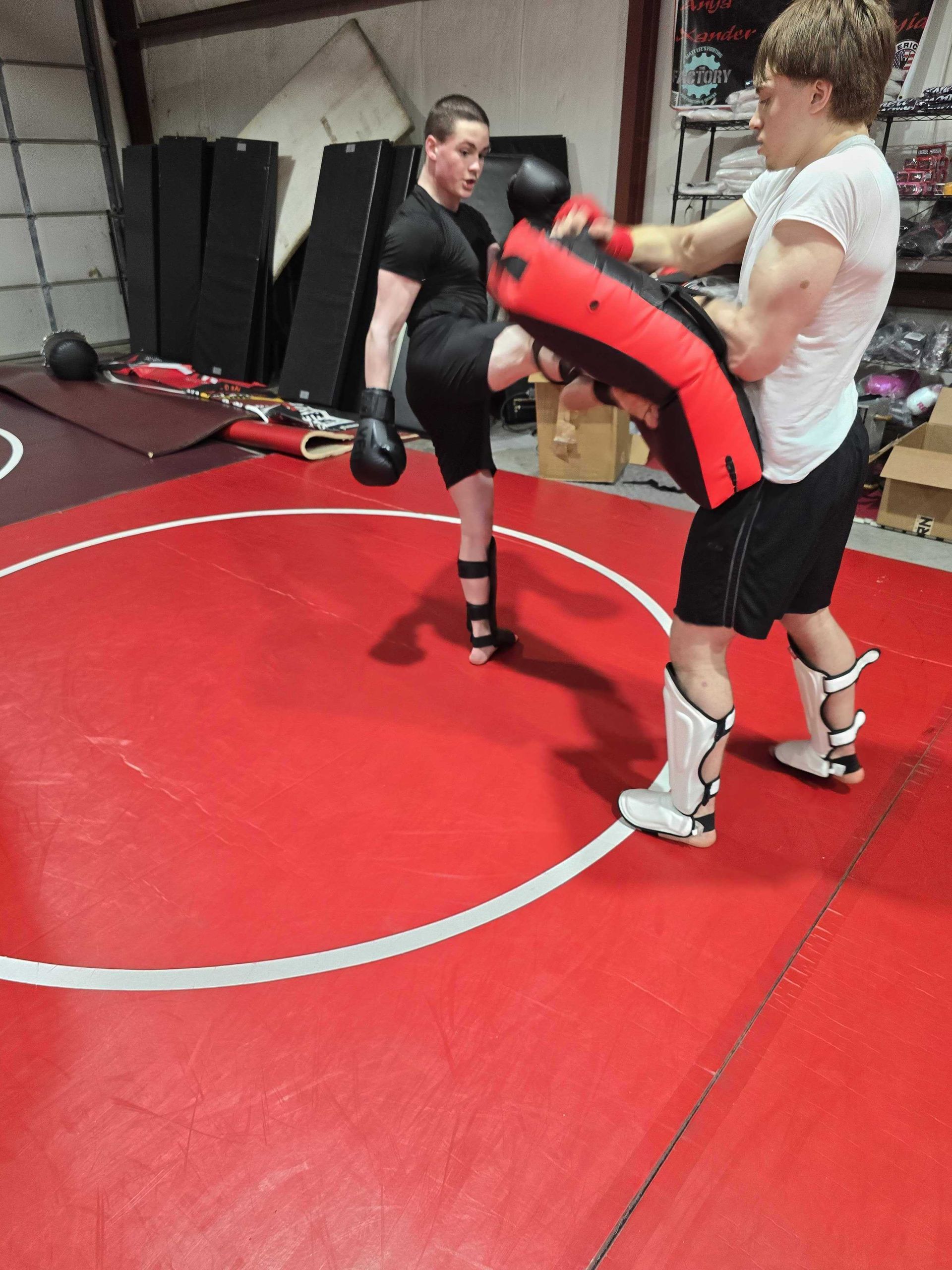
We also pay attention to how the sport is evolving. With 2026 trends pushing more wrestling integration, many gyms are emphasizing takedown entries, getting back to your feet, and transitional control. That kind of wrestle-jitsu influence can be very useful for self-defense because it connects standing movement to ground safety.
Why families in Orange, MA choose a year-round martial arts routine
Orange, MA is the kind of place where people notice when you show up consistently. That is one reason martial arts can become a cornerstone habit for families here. Training is indoors, structured, and predictable in a way that busy schedules often are not.
For parents, Youth Martial Arts in Orange MA is not just about keeping kids active. It is about giving them a place where respect is expected, effort is normal, and confidence is built through small wins. In research summaries and global sport education discussions, martial arts is often highlighted for supporting coordination, discipline, and bullying prevention behaviors. In plain terms, that means kids learn how to carry themselves, how to de-escalate, and how to use their voice.
For adults, Adult Jiu-Jitsu offers something rare: a workout that engages your brain, trains your body, and gives you a community routine without needing perfect fitness first. You do not have to be “in shape” to start. You get in shape by showing up, learning fundamentals, and progressing week by week.
Beginner FAQ: what to expect before your first class
What age can kids start Jiu-Jitsu?
Many kids can start once they can follow directions, stay attentive in a group, and handle basic partner drills safely. If you are unsure, we can help you choose the right starting point based on maturity, not just age.
Is Jiu-Jitsu safe for beginners?
Yes, when it is coached properly with clear rules. We emphasize controlled training, appropriate partner matching, and tapping early. Beginners spend plenty of time drilling fundamentals before adding intensity.
Do I need to be in shape before starting?
No. We scale training to your current level. You can take breaks, modify movements, and build conditioning gradually. Consistency matters more than any starting benchmark.
What should adults expect in the first class?
Expect a warm-up, a few core techniques, drilling with a partner, and optional controlled sparring depending on the class and your comfort level. We will help you learn how to move safely and what the rules mean.
Is Jiu-Jitsu good for confidence and bullying?
It can be, especially for kids, because it builds posture, boundaries, and emotional regulation. Research also links martial arts participation with reduced bullying behaviors and improved self-control. We coach respect first, then skills.
What is the difference between gi and no-gi?
Gi training uses a uniform that you can grip, which changes control and pacing. No-gi is more slippery and often feels faster, with grips based on position and body control. Both build strong fundamentals, and many students enjoy doing both.
How often should a beginner train each week?
Two classes per week is a realistic starting point for most people. If your schedule allows, adding a third day can accelerate learning, but recovery and consistency matter more than cramming.
What gear do we need to get started?
For gi classes, you will need a gi and a belt. For no-gi, you will want a rash guard and athletic shorts without pockets. For kids and adults, bring water and wear easy slip-on footwear for off the mat.
Ready to Begin in Orange, MA
If your goal is everyday resilience, Jiu-Jitsu gives you a plan you can follow: show up, learn fundamentals, practice under pressure, and improve in ways you can feel at home, at work, and at school. When you train consistently, confidence becomes less of a mood and more of a skill you can rely on.
We built our programs at Roberts Family Mixed Martial Arts to be welcoming for beginners and meaningful for long-term students, whether you are interested in Adult Jiu-Jitsu, youth development, fitness, self-defense, or all of the above here in Orange, MA.
Take your martial arts training further by developing practical skills at Roberts Family Mixed Martial Arts.
ACCESS OUR SCHEDULE
& EXCLUSIVE WEB SPECIAL
Secure your spot and get started today with our EXCLUSIVE offer!