Jiu jitsu turns “what do I do now” moments into calm, practiced decisions you can trust.
If you’re looking for a training style that builds real-world self-defense and better day-to-day discipline, Jiu jitsu belongs at the top of your list. We see it work for adults who want practical skills and stress relief, and for kids who need confidence, boundaries, and a place to grow. It’s physical, yes, but it’s also thoughtful in a way that surprises people.
In our Orange, MA classes, we focus on leverage and timing rather than size or brute strength. That matters in real life, where most problems happen up close and fast. It also matters in personal development, because technique only improves when you show up consistently, pay attention, and keep going after mistakes.
Whether you’re brand new, returning after a break, or signing up your child for youth martial arts Orange MA families can actually feel good about, we keep the path clear: learn fundamentals, practice safely, and build steady progress you can measure.
Why Jiu Jitsu Works When Strength Is Not the Goal
Jiu jitsu is often described as “the gentle art,” but there’s nothing vague about it. The core idea is simple: we use positioning, balance, leverage, and pressure to solve problems. If you’ve ever tried to move a heavy couch and realized angles matter more than effort, you already understand the principle.
Because the system is built around technique, you don’t need to be the biggest person in the room to make progress. We teach you how to create space when you’re pinned, how to stabilize when you’re on top, and how to escape without panicking. That’s a big deal for self-defense because size differences are common, and adrenaline can make simple decisions feel complicated.
It’s also why Jiu jitsu feels honest. If something doesn’t work, you usually know right away. You adjust, try again, and learn to stay steady instead of frustrated. That mental habit becomes part of your discipline outside the mats, too.
Self-Defense Benefits You Can Actually Use
A lot of people want self-defense training but don’t want to feel like they’re “learning to fight” in an aggressive way. We get it. Our approach is controlled and respectful, with safety protocols that keep training realistic without turning it into chaos.
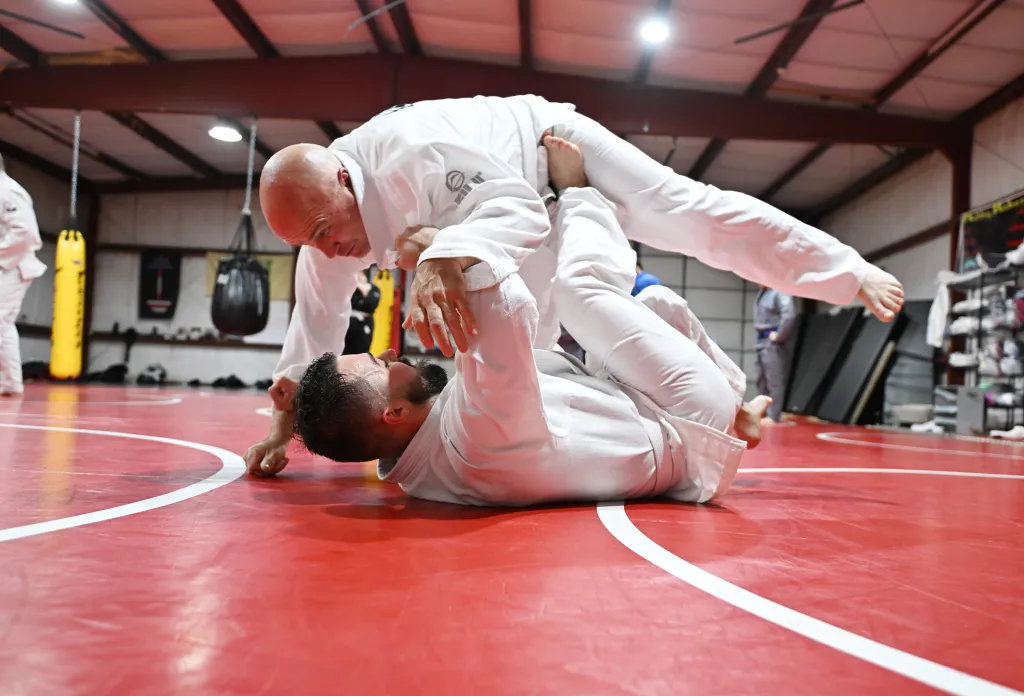
Jiu jitsu is especially effective in close-range situations, where grabbing, clinching, or falling to the ground can happen. We train for what’s common, not what looks flashy.
The practical skills we build for real-world situations
We focus on skills that show up again and again in self-defense and personal safety:
• Distance and grips: Understanding how contact starts and how to break grips before things escalate
• Balance and base: Staying on your feet longer and recovering quickly if you stumble or get pushed
• Escapes and reversals: Getting out from under pressure so you can disengage and create safety
• Control without unnecessary harm: Using pins and positioning so you can calm a situation instead of escalating it
• Stress-tested decision-making: Practicing under controlled resistance so your reactions become reliable
That last point matters more than people expect. When your heart rate spikes, fine motor skills drop. Training helps you stay functional, not perfect, and that’s the goal.
How Discipline Gets Built Without “Boot Camp” Energy
Discipline is not a personality trait you’re born with. It’s a skill you practice. In Jiu jitsu, we practice it in small, repeatable ways: showing up, tying your belt, drilling the same movement again, and learning to listen even when you’re tired.
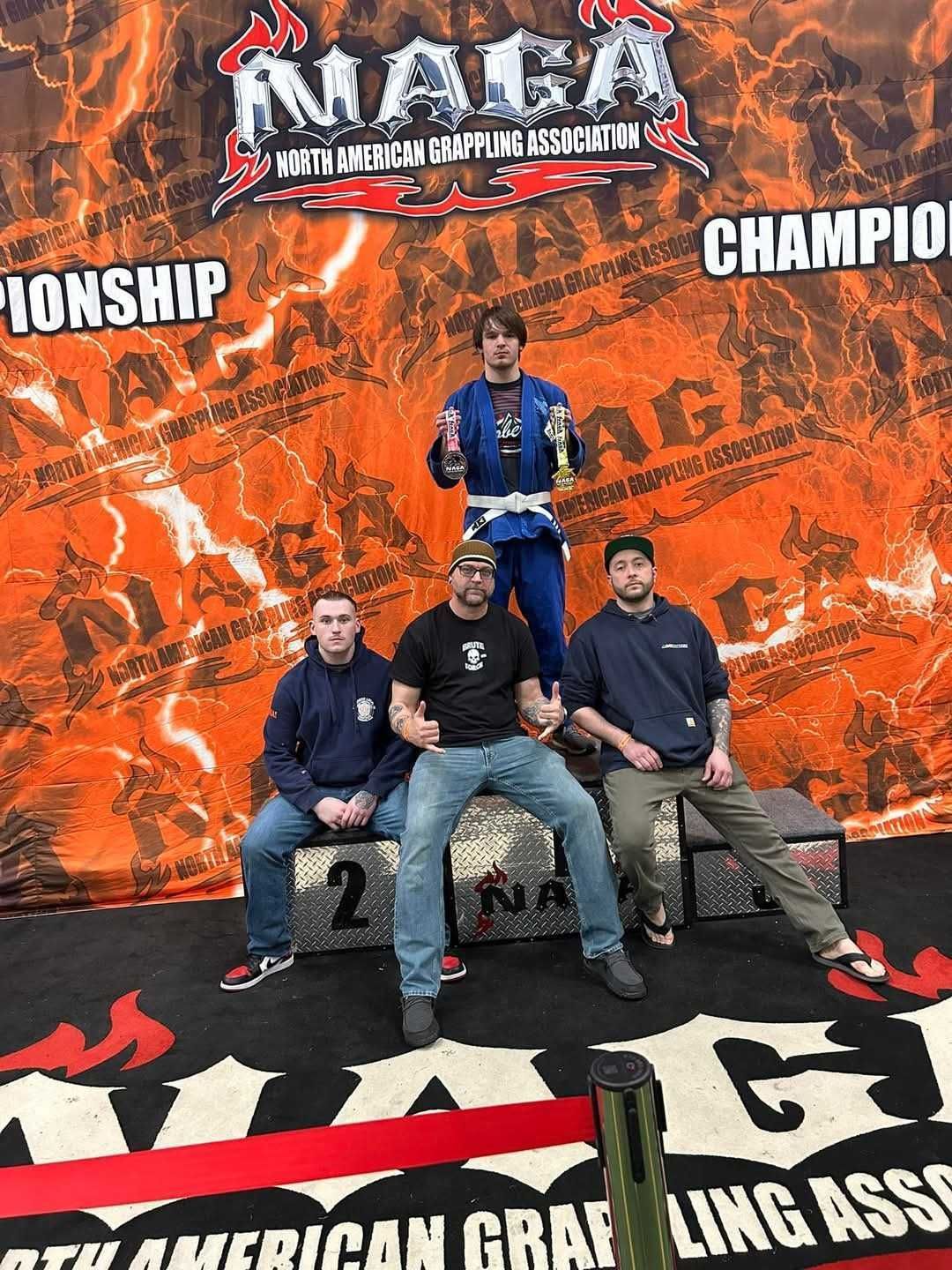
Our class structure supports that kind of growth. You’ll see clear expectations, steady coaching, and a belt progression that rewards consistency. Promotions are not rushed. That’s intentional, because patience and perseverance are part of what you’re actually learning.
A surprising benefit is emotional control. Sparring (rolling) puts you in uncomfortable positions on purpose, but in a safe setting where you can tap out. Over time, you learn to breathe, think, and solve the problem instead of reacting impulsively. For many students, that carries over into work stress, parenting, and school pressure in a very real way.
What a Typical Class Feels Like in Our Orange, MA Program
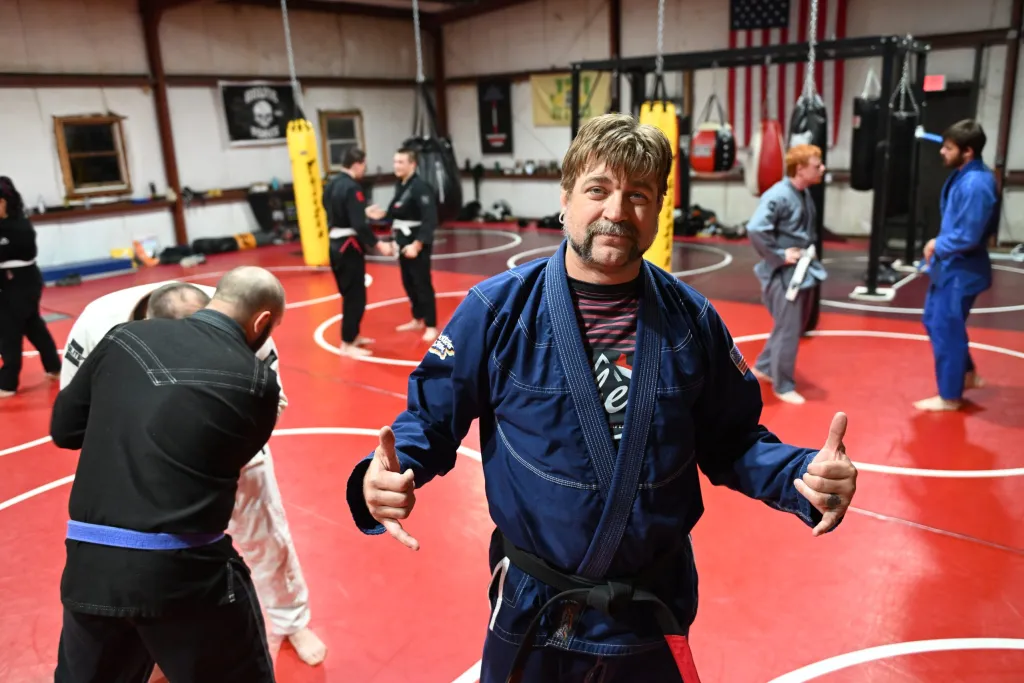
If you’ve never trained before, walking into a martial arts school Orange MA residents recommend can feel intimidating for about five minutes. Then it usually shifts. You realize the room is full of people working on basics, asking questions, and trying to get a little better than last week.
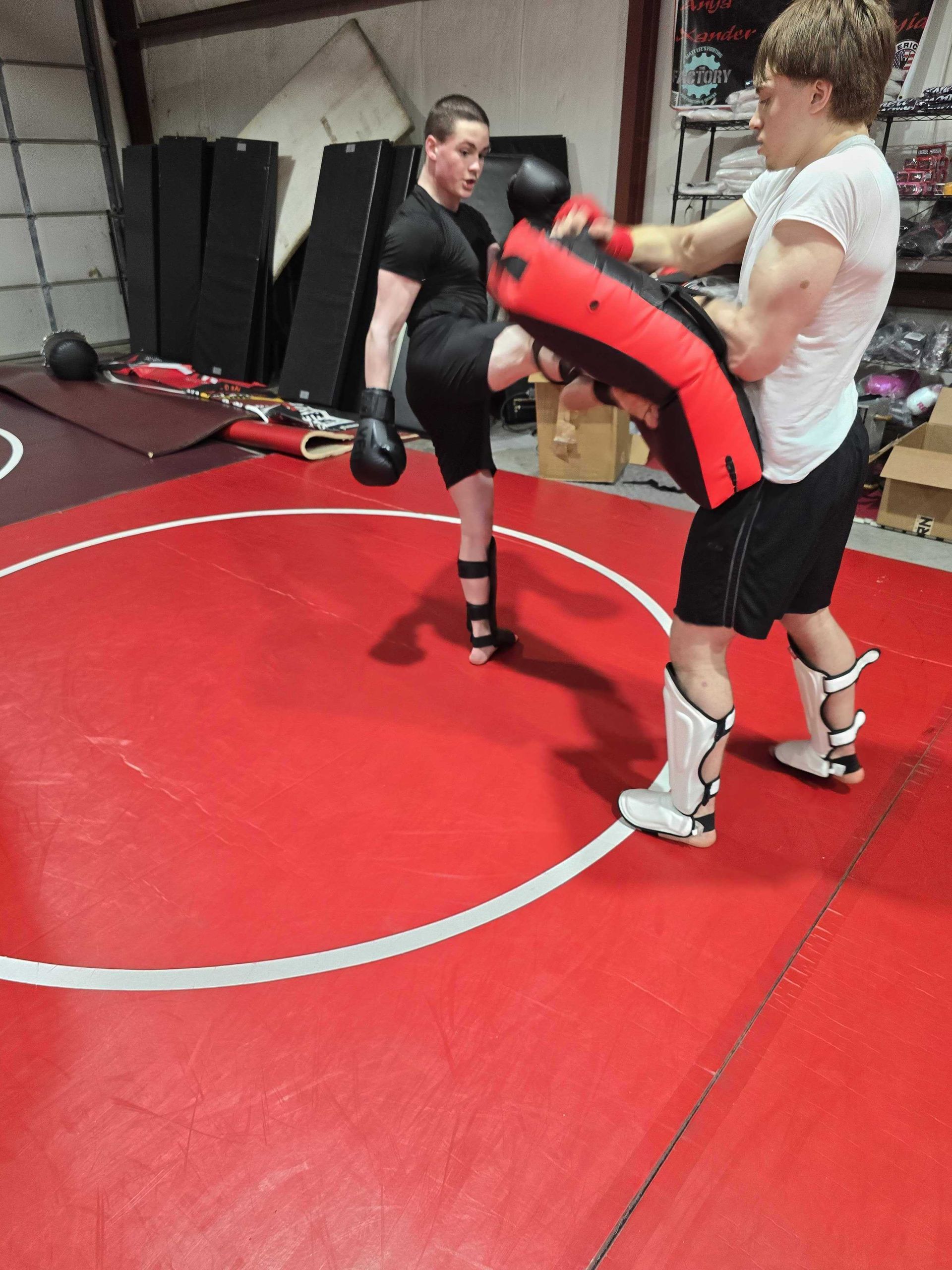
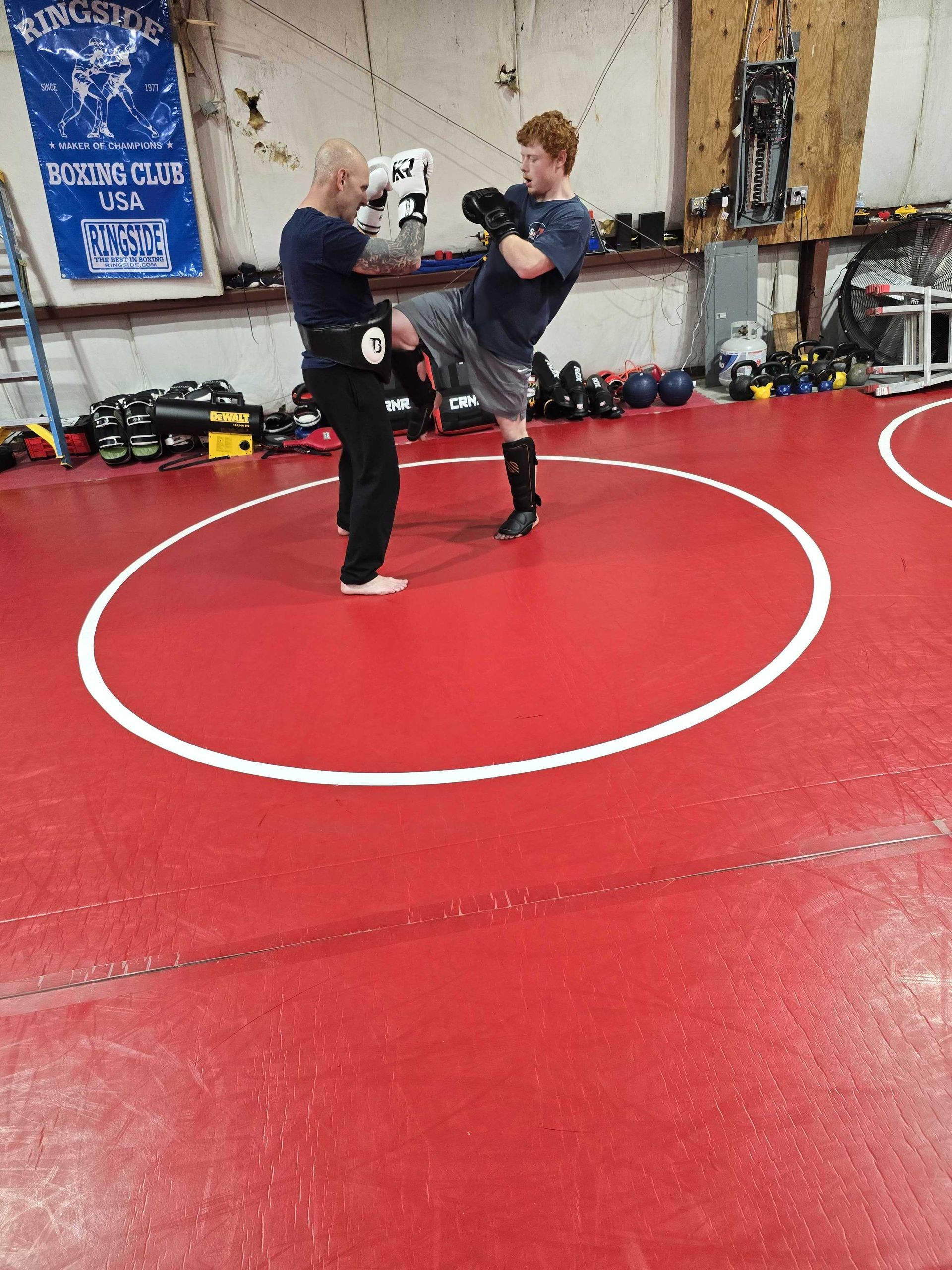
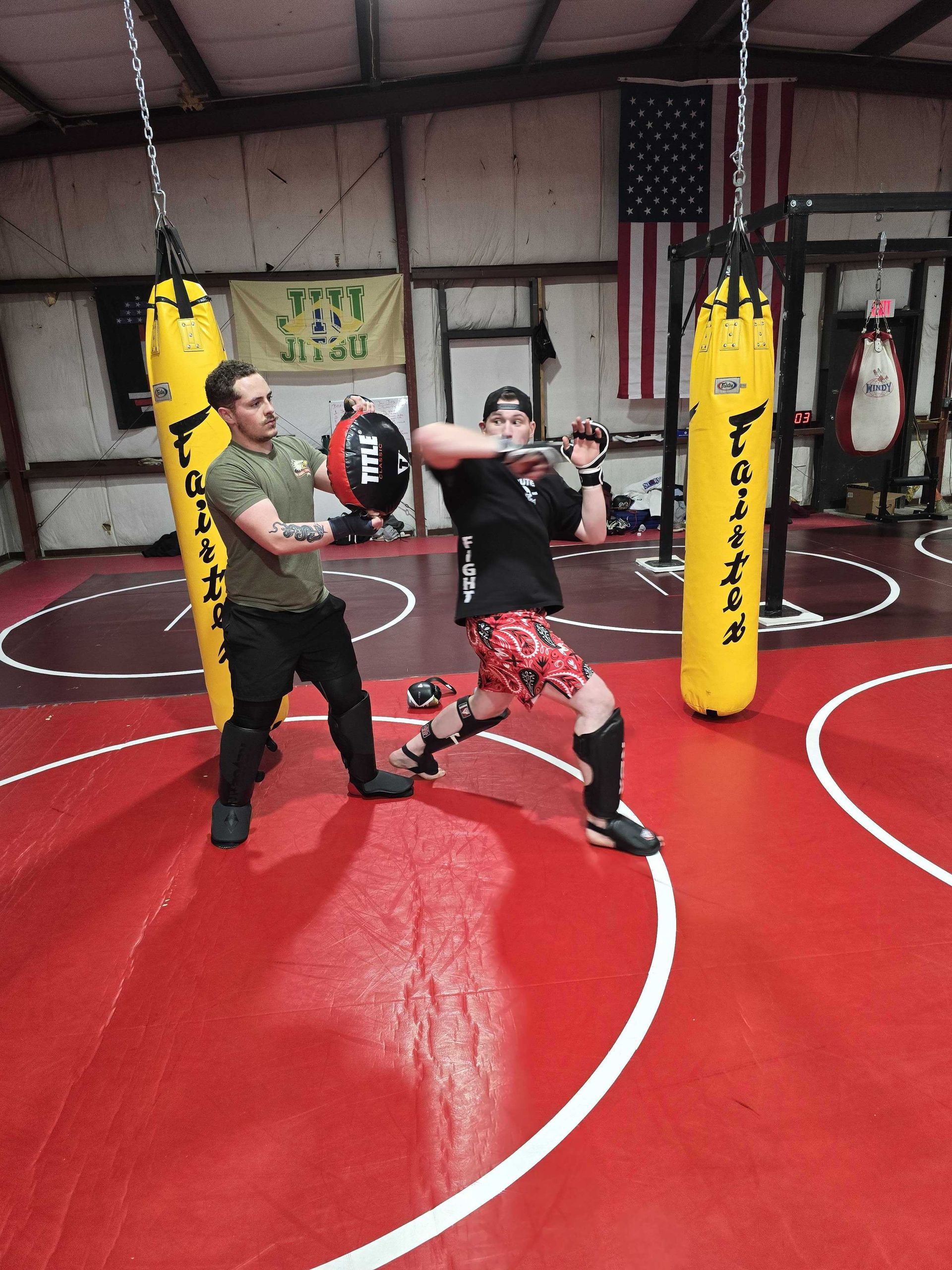
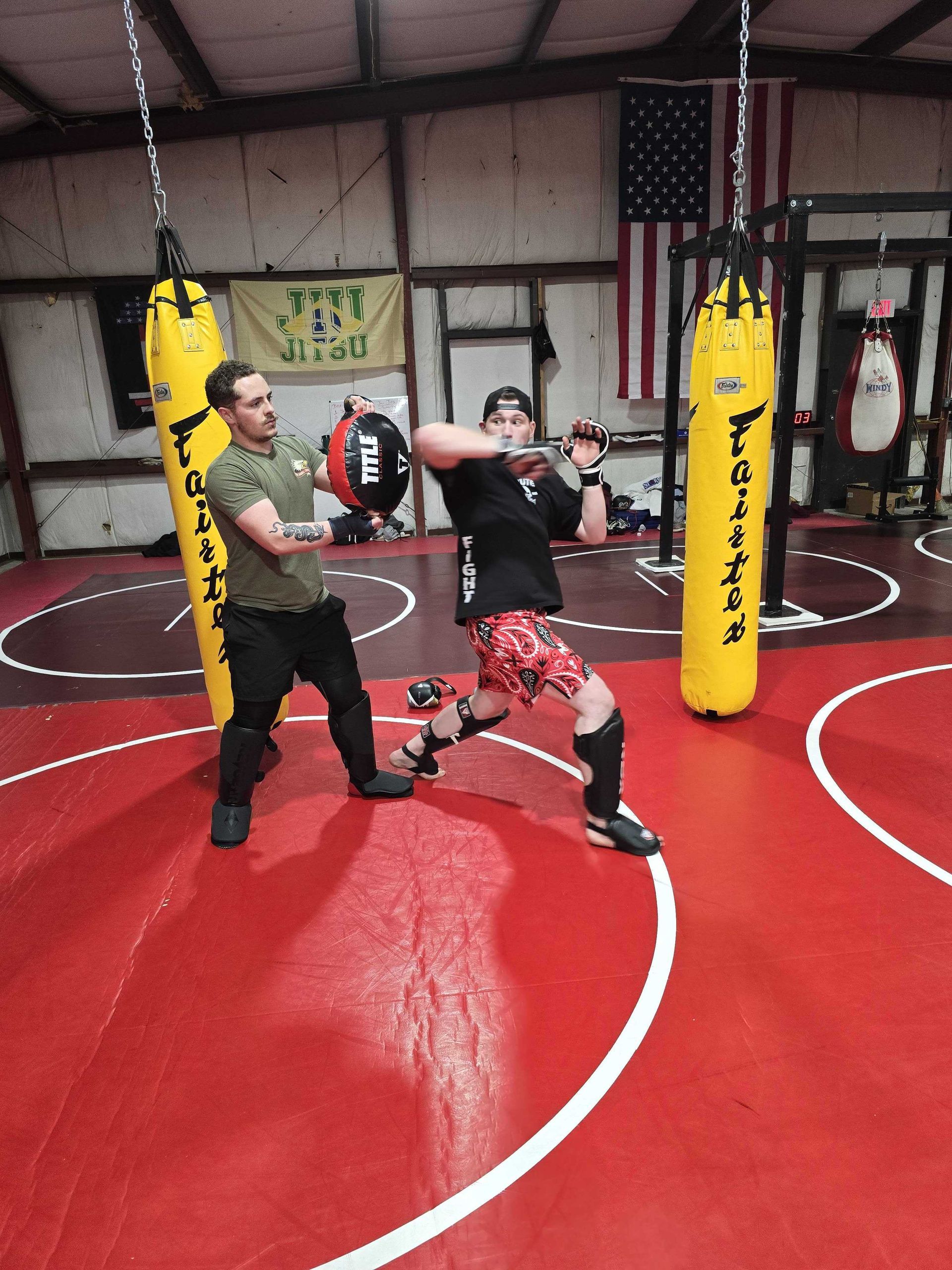
A typical class includes a warm-up that prepares your joints and movement patterns, technical instruction where we break down a small set of techniques, and partnered drilling to build repetition. Then we add live rounds in a controlled format. You’ll learn quickly that intensity is adjustable. We can keep it beginner-friendly while still making it meaningful.
We also coach “mat etiquette” because it supports safety and discipline: how to pair up, how to tap early, how to respect training partners, and how to reset after a tough round. That culture is a big part of why people stick with Jiu jitsu.
Why Sparring Builds Confidence (And Why It Stays Safe)
Live training is where theory turns into instinct. But it has to be done the right way. Our sparring culture emphasizes control, communication, and respect. Tap-out protocols exist for a reason: you can train hard without being reckless.
Sparring also gives you something most workouts don’t: feedback under pressure. If your posture is off, you’ll feel it. If your balance improves, you’ll feel that too. And because every round is a new puzzle, you get better at staying calm when things don’t go your way.
That confidence is different from hype. It’s quiet. You know you’ve practiced uncomfortable situations and handled them safely. That’s the kind of confidence that shows up when you need it.
Youth Jiu Jitsu: Confidence, Boundaries, and Resilience
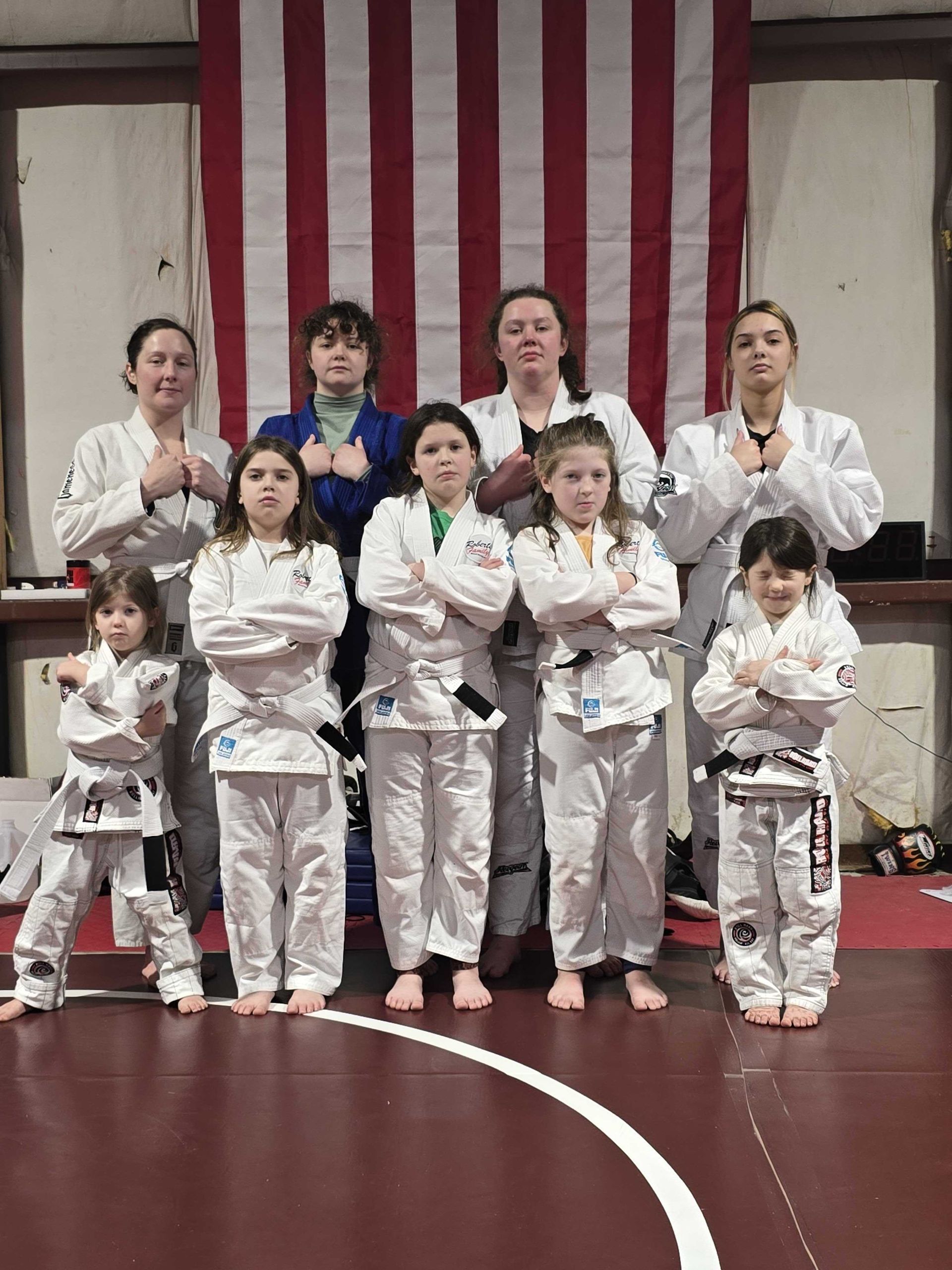
Our youth martial arts Orange MA families choose is not about turning kids into little adults. It’s about giving them tools that match their world: school hallways, playground conflict, social pressure, and the challenge of staying focused when screens are everywhere.
We teach kids how to move their bodies with coordination, how to follow directions, and how to keep trying even when something feels hard. That’s discipline in its most useful form. We also emphasize boundary-setting and awareness. In age-appropriate ways, kids learn when to walk away, when to get help, and how to use technique to create space and disengage.
For bullying concerns, we focus on de-escalation and safe control rather than “winning.” Kids practice using their voice, maintaining personal space, and staying respectful. Parents often notice improvements in posture, eye contact, and overall self-assurance within a few months, especially when training becomes part of a weekly routine.
The Mental Health Side: Focus, Stress Relief, and the “Flow” Effect
One of the biggest trends in Jiu jitsu is how many people use it to manage stress. Training is physical, but it also demands attention. When you’re solving a grappling problem in real time, your brain doesn’t have much room left for spiraling thoughts.
Many students describe a “flow state” during drilling and rolling, where the outside noise quiets down. Over time, that becomes a reliable reset button. You finish class tired, sure, but also clearer. And because the culture encourages tapping and training responsibly, it tends to be lower-impact than sports that rely on collisions.
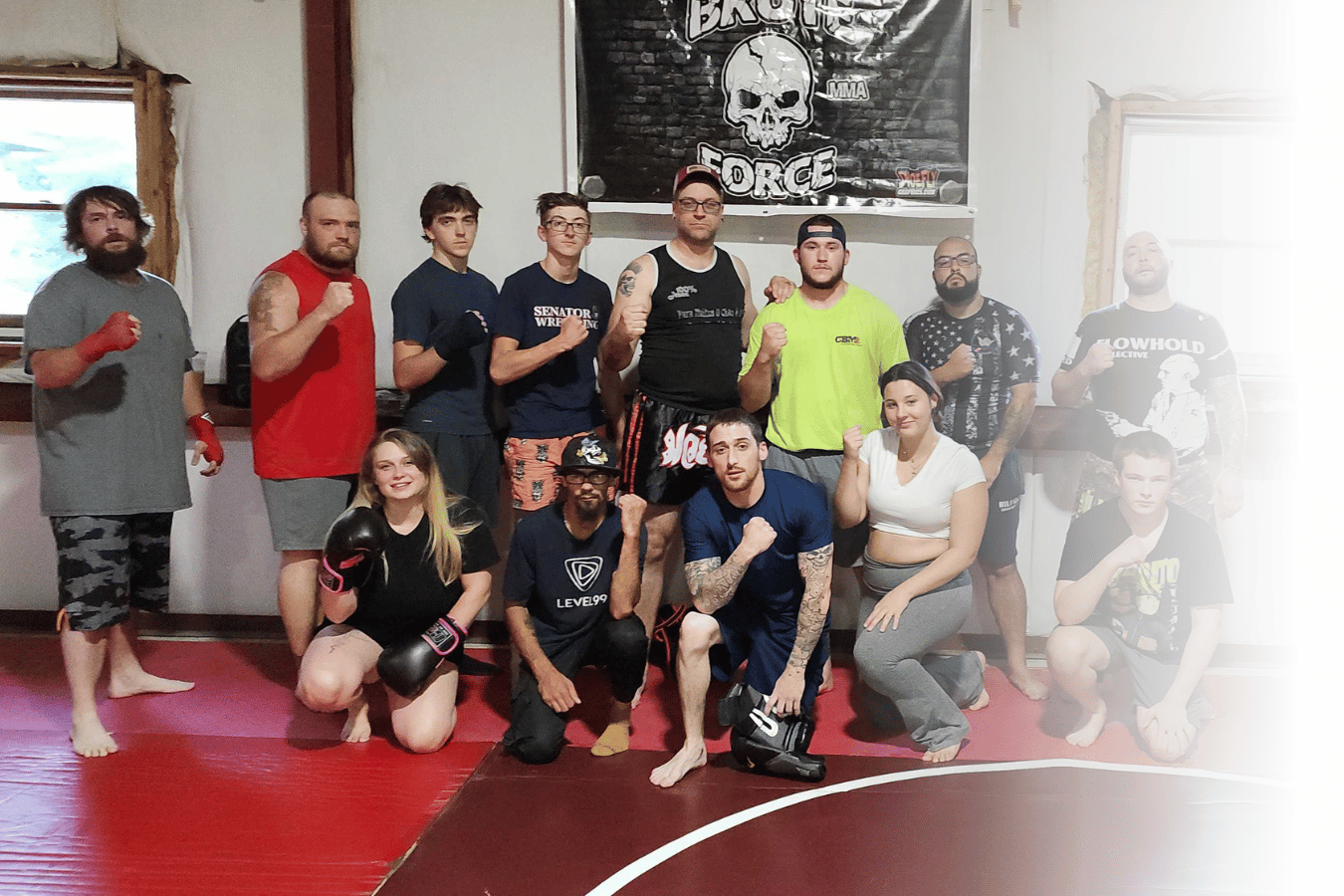
We also see the power of community support. When you train with the same people week after week, it becomes easier to stay consistent. That consistency is where both fitness and discipline really compound.
Getting Started: What You Need (And What You Do Not)
You don’t need to be in shape before you start. Training is how you get in shape. You also don’t need a complicated gear setup on day one. We keep the entry simple so you can focus on learning.
Here’s what we recommend if you’re starting Jiu jitsu with us:
1. Check the class schedule and pick a beginner-friendly time that you can realistically attend each week
2. Wear comfortable athletic clothing and bring water, then we’ll guide you on gear details as you continue
3. Focus on fundamentals first: posture, frames, escapes, and basic control positions
4. Tap early and ask questions often, because safety and understanding come before intensity
5. Track progress by consistency, not perfection, since discipline grows through repetition
If you’re enrolling a child, the same approach applies: consistent attendance, a focus on basics, and patient progress. It adds up faster than you think.
How Our Programs Support Different Goals
People start training for different reasons, and we build our instruction so those goals can coexist on the same mat. Some students want practical self-defense. Some want stress relief and fitness. Some want a new challenge that feels engaging, not repetitive.
Our membership options and class structure are designed for consistency, because consistency is what creates results. If you can train two or three times a week, you’ll feel changes in conditioning, confidence, and decision-making under pressure within a few months. If you train once a week, you can still build skills, just on a slower timeline. Either way, we meet you where you are and keep the process clear.
And if you’re looking for a martial arts school Orange MA families can attend together, we make it realistic to train as a household. When kids see adults practicing discipline, and adults see kids working hard, something clicks. The culture becomes part of your routine.
Take the Next Step
Building self-defense skill and real discipline is not about a single tough workout. It’s about learning a system, practicing it safely, and letting it reshape how you respond to pressure. That’s what we aim to deliver every day on the mats, with Jiu jitsu as the foundation and a supportive class structure that keeps you progressing.
If you’re ready to train in Orange with a program that takes safety, confidence, and practical skill seriously, we’d love to help you get started at Roberts Family Mixed Martial Arts. You can follow the class schedule, try a class, and take it one step at a time, because that’s how the best results happen.
Take what you learned here and apply it through hands-on jiu jitsu training by joining a free jiu jitsu class at Roberts Family Mixed Martial Arts.
ACCESS OUR SCHEDULE
& EXCLUSIVE WEB SPECIAL
Secure your spot and get started today with our EXCLUSIVE offer!