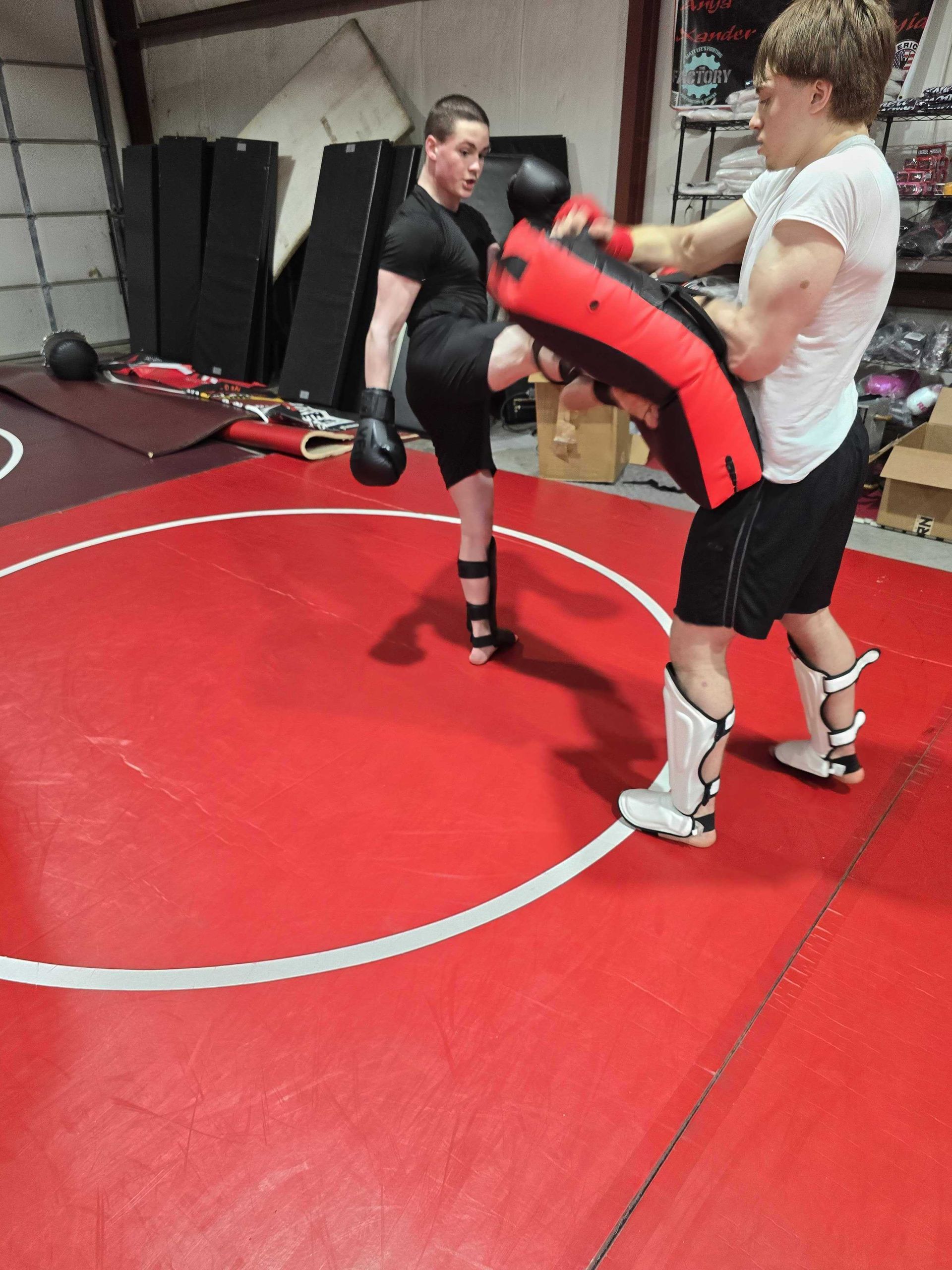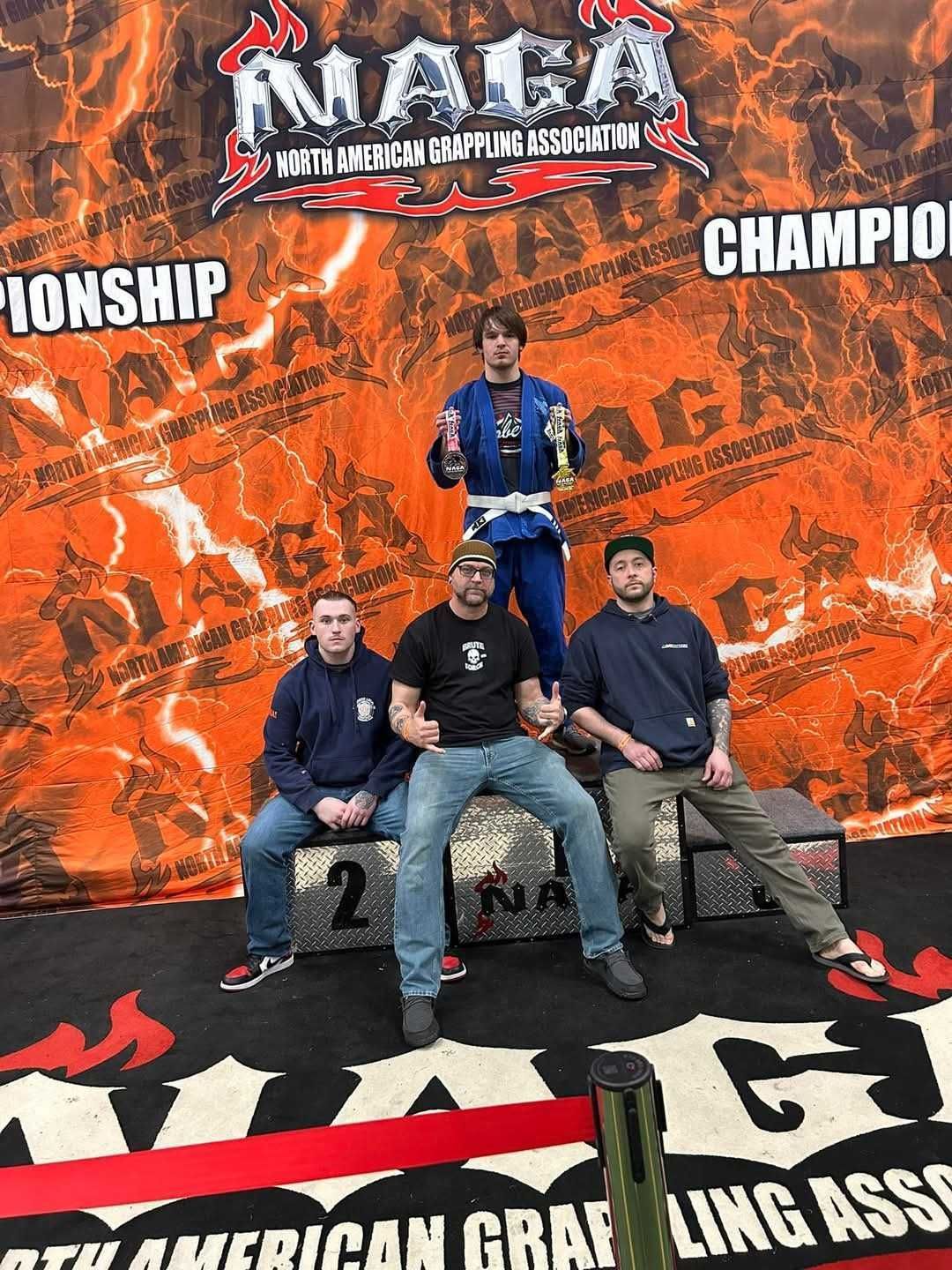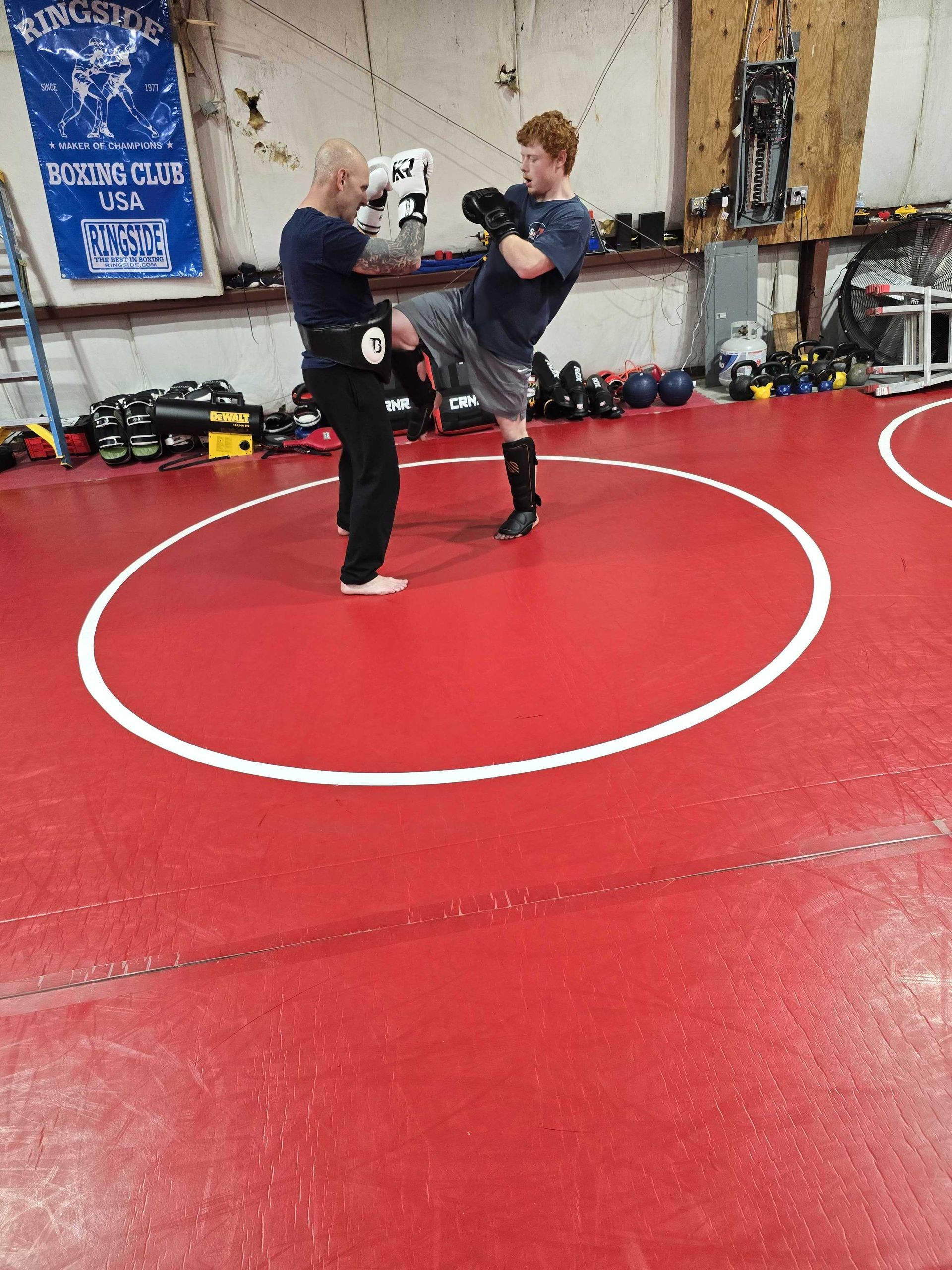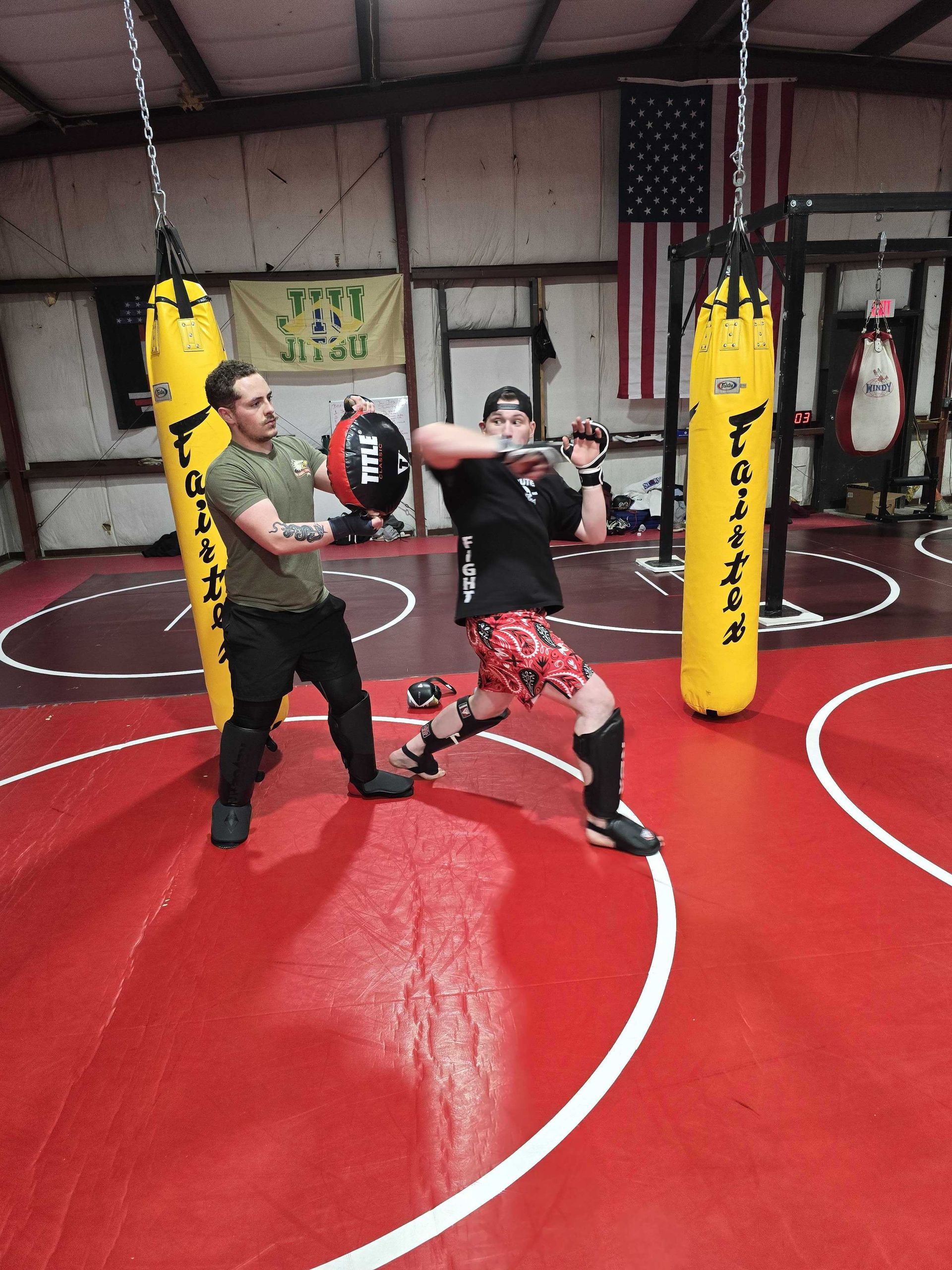
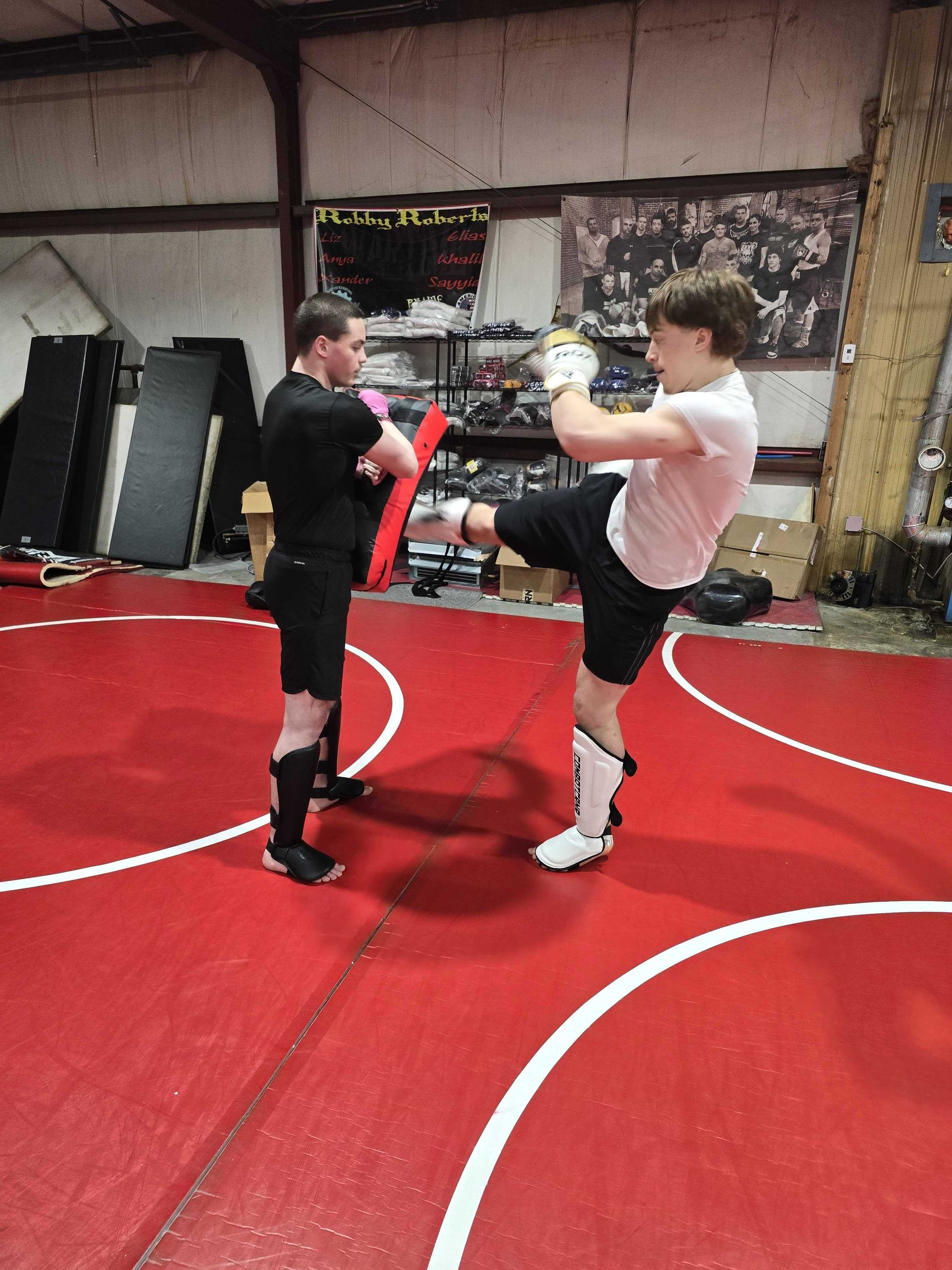
Jiu Jitsu gives you a practical way to get stronger together, one controlled round at a time.
If you have been curious about jiu jitsu in Orange, MA, you are in good company. Brazilian Jiu-Jitsu keeps growing year after year, with millions of practitioners worldwide and steady momentum in the U.S. That popularity is not just about competition clips online. It is about regular people finding a training routine that improves strength, coordination, and confidence without needing to be the strongest person in the room.
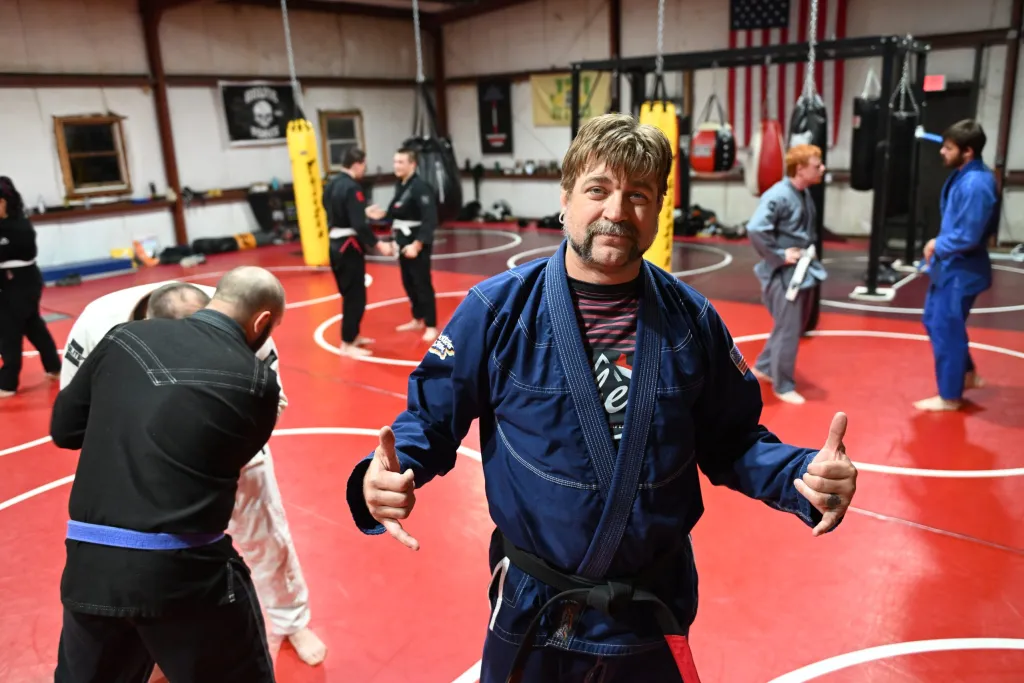
In our gym, we see families and adults show up for different reasons and end up sharing the same wins. You get a workout that feels purposeful. You learn how to stay calm in close contact and solve problems under pressure. And you build connection, because jiu jitsu is practiced with partners, not in isolation.
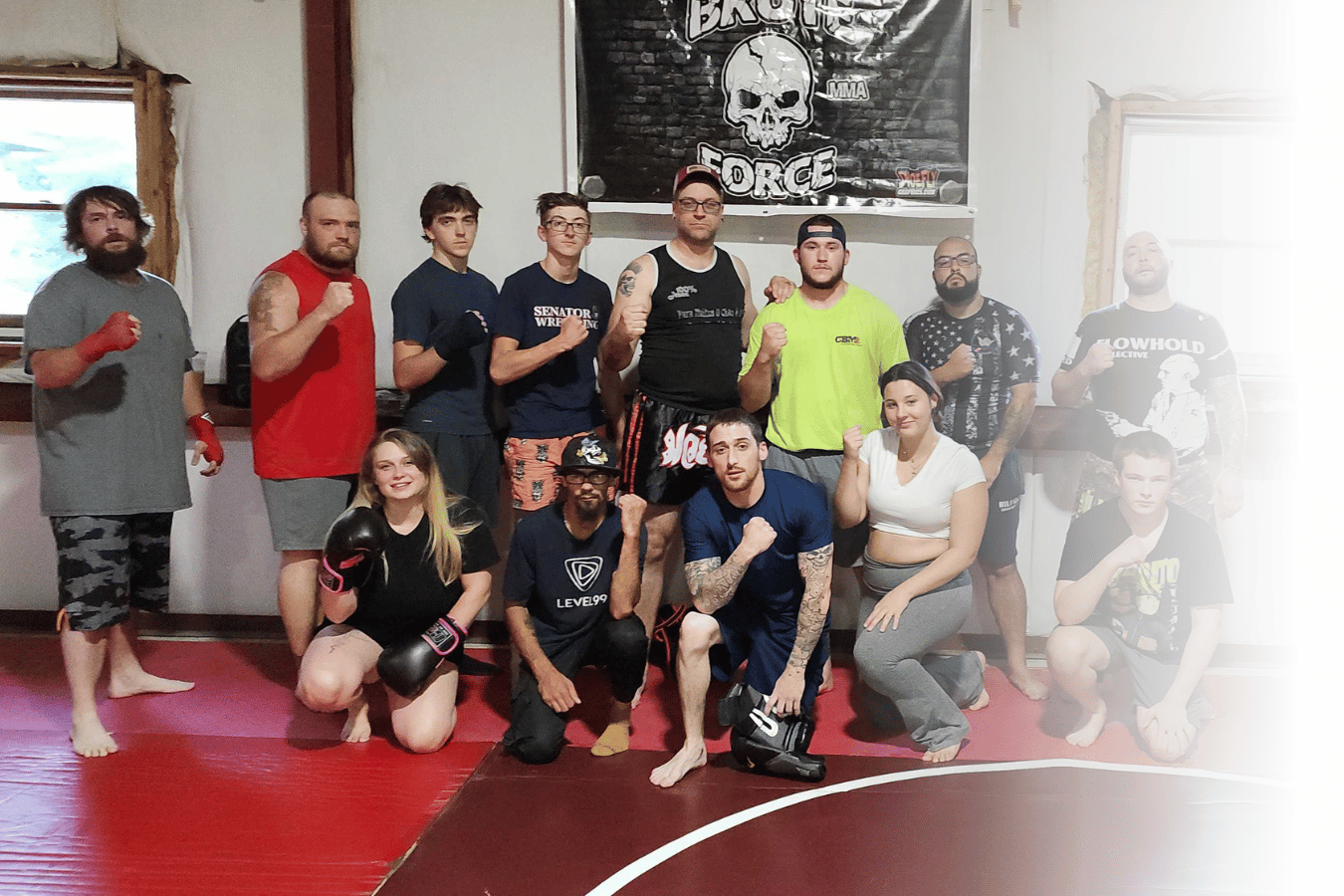
Around Orange, it is also nice to have something you can do consistently, in a smaller community, without driving forever. Our program is built so you can start where you are, progress safely, and keep training in a way that fits your life and your family.
Why Jiu Jitsu keeps growing and why that matters in Orange, MA
Jiu jitsu has grown into one of the most trained martial arts in the world, with roughly 5 to 6 million practitioners globally and about 750,000 in the United States. Interest in the U.S. has doubled over the past decade, and participation continues to rise as more training spaces open up and more people look for fitness that feels real. Growth like that matters because it means the art keeps getting refined, teaching methods keep improving, and the community keeps expanding.
Massachusetts is part of that momentum. Our region has an established competitive scene, and local teams show up in major tournament tracking and medal counts. You do not need to compete to benefit from that environment, but it is reassuring to know you are learning an art that is actively tested and continuously evolving here in jiu jitsu Massachusetts culture.
In Orange, MA, we focus on making that bigger trend feel personal and doable. You should not need a complicated background or an athletic resume to begin. You just need a willingness to learn, show up, and treat training partners with respect.
What Jiu Jitsu actually is, in plain English
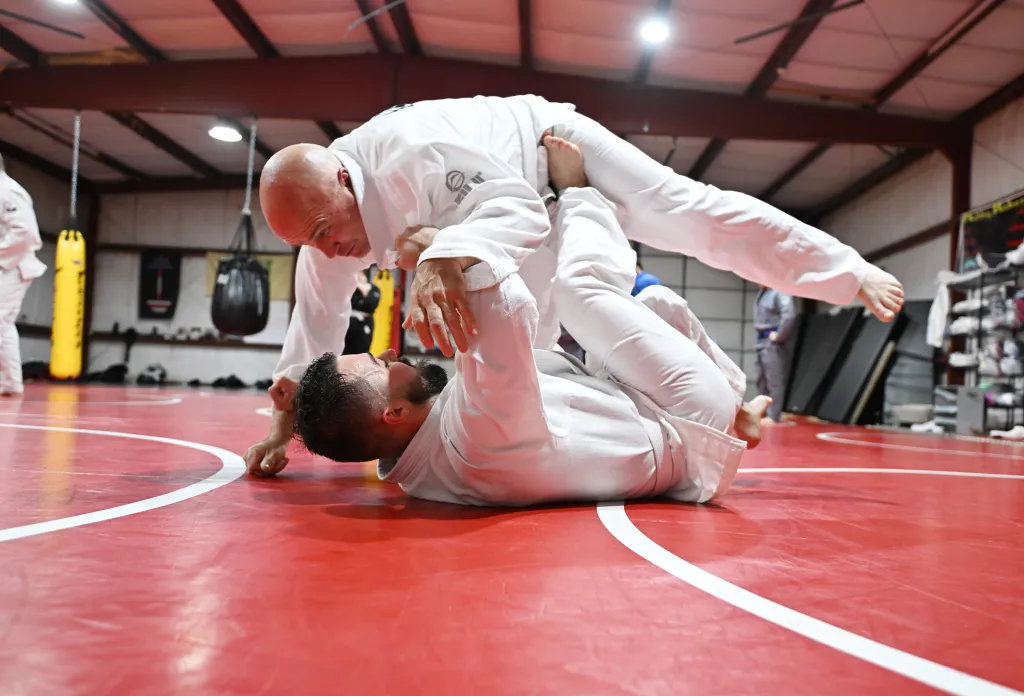
Brazilian Jiu-Jitsu is grappling. We use leverage, positioning, balance, and timing to control an opponent, escape bad spots, and finish with submissions like chokes and joint locks. The best part, especially for families and beginners, is that technique can outperform size when it is taught correctly and trained progressively.
A lot of newcomers worry it is all about getting twisted up. In reality, our classes spend a big chunk of time on fundamentals: posture, frames, hip movement, safe falling, and how to move through common positions. We treat these as building blocks, because that is what lets you train hard while staying smart.
In high-level events like ADCC 2024, chokes still made up the majority of submissions, around 65 percent. We do not teach you to chase highlight-reel finishes. But that statistic supports a useful beginner lesson: control and positioning come first, and when control improves, clean submissions become safer and more predictable.
Strength you can feel: what changes after a few months of training
People often come in hoping for weight loss or muscle tone, and that can happen, but the bigger change is functional strength. You learn to bridge, shrimp, stand up in base, hold posture, and keep balance while someone is actively trying to break it. That is strength you notice when carrying groceries, playing with your kids, or simply getting up off the floor without thinking about it.
You also develop grip endurance, core stability, and joint resilience. In gi training, your hands and forearms get a workout that sneaks up on you, in a good way. In no-gi training, you learn tighter body connection and movement, which can feel like learning a new language with your hips and shoulders.
Most importantly, we build strength without relying on reckless intensity. Our goal is to help you train for the long run. Two or three sessions a week can be enough to feel meaningful progress without burning out your schedule or your body.
Connection as a family: why partner training brings people closer
Jiu jitsu is one of the rare activities where you must cooperate to improve, even while practicing competitive situations. You need your partner to give realistic resistance, but also to protect you. That balance teaches communication in a very direct way, the kind that does not leave room for vague instructions.
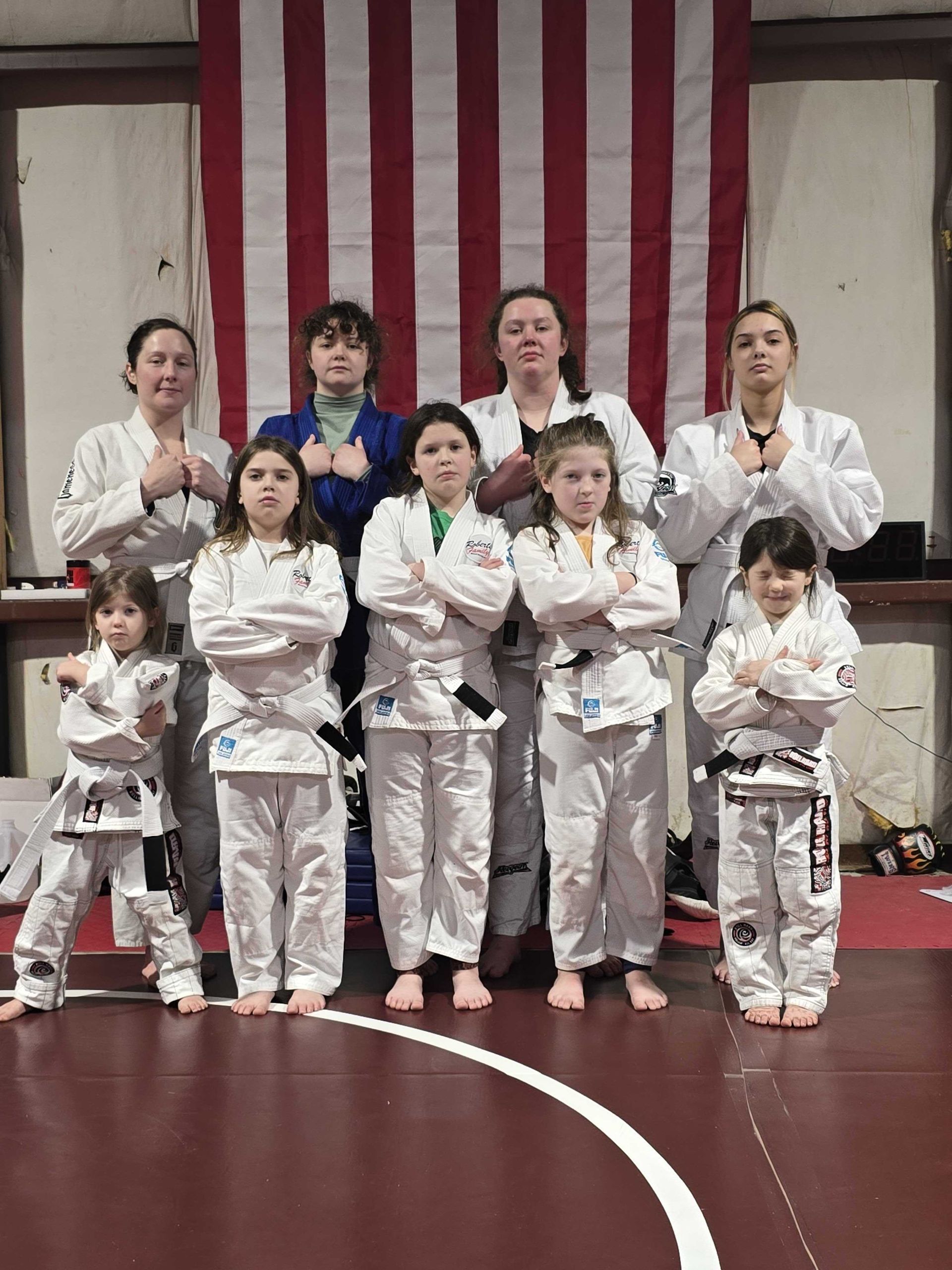
Families often tell us they like having something shared that is not just sitting side-by-side. When a parent and child both learn the same basic positions, you gain a common vocabulary: guard, mount, side control, escape, reset. It becomes normal to encourage each other through the awkward early stages, where everyone feels a little clumsy.
Our family-friendly culture also means we pay attention to pacing. We want you leaving class a little tired and a lot clearer, not limping out the door wondering what happened.
Adult training in Orange: what Adult Jiu Jitsu Orange MA looks like day to day
Adult jiu jitsu Orange MA is not a single type of student. Some adults want a challenging workout. Some want self-defense fundamentals. Some want a new hobby that actually holds attention. We structure classes so you can fit in regardless of your starting point, and you can ramp up or stay steady depending on your goals.
A typical adult class includes technique instruction, partner drilling, and controlled sparring, often called rolling. Drilling is where you build timing. Rolling is where you test decision-making. We keep rolling structured for newer students, because random chaos is not the fastest path to learning.
If your schedule is tight, consistency matters more than marathon sessions. Training twice a week, done well, beats training five times one week and then disappearing for a month. We would rather help you build a routine you can actually maintain.
What you will learn first: a practical beginner roadmap
We teach fundamentals in a way that makes sense for real bodies and real schedules. Early progress feels best when you can see a clear path from defense to control. Here is what our beginners focus on first:
• Movement skills like shrimping, bridging, and technical stand-ups so you can escape and reset safely
• Positional understanding of guard, side control, mount, and back control so you know where you are and what to do next
• Simple escapes that work under pressure, especially from bottom positions where new students often get stuck
• Basic takedown and clinch entries with safety rules, because getting to the ground should not be a surprise
• High-percentage submissions taught with control, with extra attention to tapping early and protecting training partners
This approach builds confidence quickly because you can feel problems getting smaller. Instead of thinking, “I have no idea what is happening,” you start thinking, “I know this position, I know one escape, and I know what I want next.” That is a big shift.
Safety, tapping, and training smart for the long term
Safety is not a buzzword for us. It is the foundation that lets you train consistently, which is what creates results. We set expectations early: tap early, tap often, and treat your partner like someone you want to see again next week. That is the culture that keeps a room full of different ages and fitness levels training together.
We also teach you how to recognize danger before it becomes pain. Submissions are applied gradually in training. You do not wait until something hurts. You tap when the control is in place, because that is the entire point: recognizing when the technique is working.
If you are worried about injury risk, we understand. Grappling is physical. But good coaching, progressive intensity, and clear rules make a huge difference. We coach you to win the practice, not win the moment.
Gi and no-gi: which one should your family start with?
Both formats can be valuable, and many students enjoy training both over time. The gi adds grips and friction, which can slow things down and make learning positions feel more controlled. No-gi tends to be faster and requires tighter movement and body positioning.
Interestingly, even in no-gi elite competition, athletes with strong gi backgrounds often perform extremely well. That is not because gi is “better,” but because the fundamentals transfer. A good base, good posture, and good positional control work everywhere.
If you are unsure, we guide you based on your comfort level and your goals. The best choice is the one that helps you train consistently and enjoy the process, because consistency is what builds skill.
What membership and scheduling should feel like in a small town
One reason jiu jitsu has expanded so quickly is that it fits modern life when gyms structure it well. In the U.S., average monthly dues vary by region, often landing in a range that is comparable to other fitness memberships. In New England, costs can climb in major metro areas, so having a dependable local option in Orange can make training feel more realistic for families.
We keep our membership options straightforward and explain what is included, what to bring, and how often to train for your goals. You can check the website for the class schedule and plan around work, school, and sports seasons. If you need help choosing a starting pace, we will talk it through with you, because it should not feel like guesswork.
How to start without overthinking it
Starting jiu jitsu is less about getting in shape first and more about walking through the door. You will learn faster if you show up as you are, train with humility, and stay consistent for a few months.
Here is a simple way to begin:
1. Look at the class schedule and pick a beginner-friendly time you can repeat weekly
2. Show up a little early so we can get you oriented and answer questions
3. Train at a controlled pace and focus on learning positions, not “winning”
4. Aim for two to three classes per week for steady strength and skill gains
5. Track progress by comfort and decision-making, not just taps during sparring
That is it. No complicated prep. Bring a willingness to learn, and we will handle the structure.
Ready to Begin
Building real skill takes coaching, consistency, and a training room where you feel safe learning something challenging. That is what we work to create every day at Roberts Family Mixed Martial Arts, whether you are starting your first jiu jitsu class or bringing your family onto the mats together.
If you want stronger bodies, calmer minds under pressure, and a shared routine that actually sticks, we would love to help you get started in Orange, MA. Roberts Family Mixed Martial Arts is here to make jiu jitsu practical, progressive, and genuinely welcoming for all ages.
Improve your strength, endurance, and self-defense skills by joining a martial arts class at Roberts Family Mixed Martial Arts.
ACCESS OUR SCHEDULE
& EXCLUSIVE WEB SPECIAL
Secure your spot and get started today with our EXCLUSIVE offer!