
Jiu Jitsu is not just a skill set, it is a repeatable way to prove to yourself that you can stay calm, think clearly, and handle pressure.
Confidence is a funny thing: most of us want more of it, but we do not want fake bravado. We want the kind that shows up when your heart rate jumps and your brain starts talking fast. Jiu jitsu is one of the most practical ways we know to build that kind of confidence because it gives you a safe place to practice hard moments on purpose.
In our classes, confidence is not treated like a personality trait you either have or you do not. We treat it like a trainable outcome. You learn positions, timing, leverage, and decision-making, and you also learn what it feels like to work through discomfort without panicking. That combination is what starts to carry over into everyday life in Orange.
If you are looking for something that is challenging but structured, physical but thoughtful, and welcoming without being soft, you are in the right place. The goal of this guide is to show you exactly how jiu jitsu builds real-world confidence, what to expect as a beginner, and how we coach the process so you can actually stick with it.
What Real-World Confidence Actually Means (And What It Does Not)
Real confidence is quiet. It is not about being the loudest person in a room. It is the ability to stay present when things get unpredictable, whether that is a tough conversation at work, a stressful day at school, or a physical situation where you need to protect yourself.
In jiu jitsu, you learn quickly that panic is expensive. If you tense up, hold your breath, or thrash, you burn energy and make worse decisions. When we train you to breathe, frame, and create space, we are also training your nervous system to downshift under pressure. That is a life skill, not just a grappling skill.
What it does not mean is that you become fearless overnight. Nobody does. Confidence builds when you collect evidence, little moments where you realize, I handled that better than last time. Our job is to create the right kind of evidence, week after week, in a controlled environment.
Why Jiu Jitsu Builds Confidence Faster Than Most Activities
Most activities reward what you are already good at. Jiu jitsu is different: it rewards learning. Your first win is not “beating someone.” Your first win is remembering a detail, staying calm in a bad spot, or escaping a position that used to feel impossible.
Because the art is based on leverage and timing, you do not need to be the biggest or the strongest person to succeed. That matters for confidence. When you feel your technique work, you start trusting your ability to problem-solve, not just your ability to muscle through.
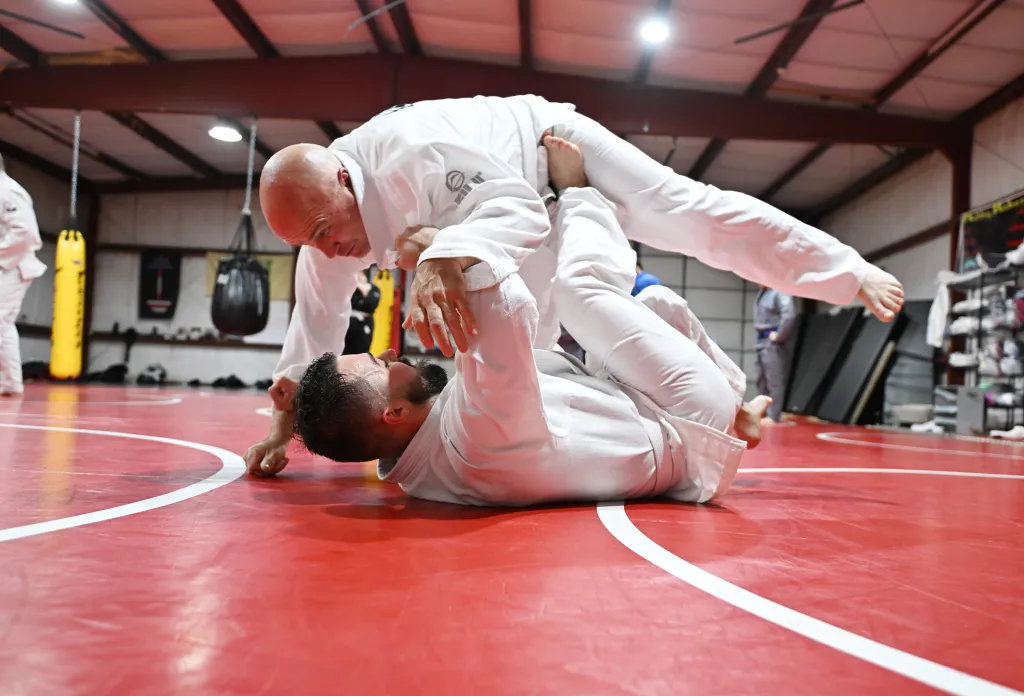
We also keep training honest. You can drill a technique in the air and feel great, but live rounds introduce real variables: resistance, fatigue, and surprise. When you learn to function there, daily stress starts to feel a little less dramatic.
The Confidence Cycle We Build in Class
Confidence is not built by motivational speeches. It is built by a cycle you repeat until it becomes normal. In our jiu jitsu program, the cycle looks like this:
1. Learn a small, specific skill with clear steps
2. Drill it with a partner at a controlled pace
3. Add resistance gradually so it becomes real
4. Reflect on what happened and adjust
5. Repeat until it is part of you
That is the same process you use to build confidence in public speaking, leadership, or anything else, but here you feel it in your body. It is hard to ignore progress when you can literally measure it: you escaped, you held position, you kept your breathing steady.
Your First Month: What Beginners Usually Experience
Week 1: Newness, nerves, and a lot of learning
Most beginners feel awkward at first. That is normal. There are new terms, new movements, and the strange experience of being close to another person while trying to stay relaxed. We guide you through fundamentals so you are not guessing.
Week 2: Small wins start showing up
You begin recognizing positions and remembering what to do with your hands and hips. You might still feel “behind,” but you can already tell your brain is adapting. This is where many people realize jiu jitsu is mentally satisfying, not just physical.
Week 3: You get tired, then you get smarter
A common moment happens here: you try hard, gas out, and then learn that technique and breathing matter more than effort. This is a big confidence step. You stop thinking you need endless athleticism to belong.
Week 4: You start trusting the process
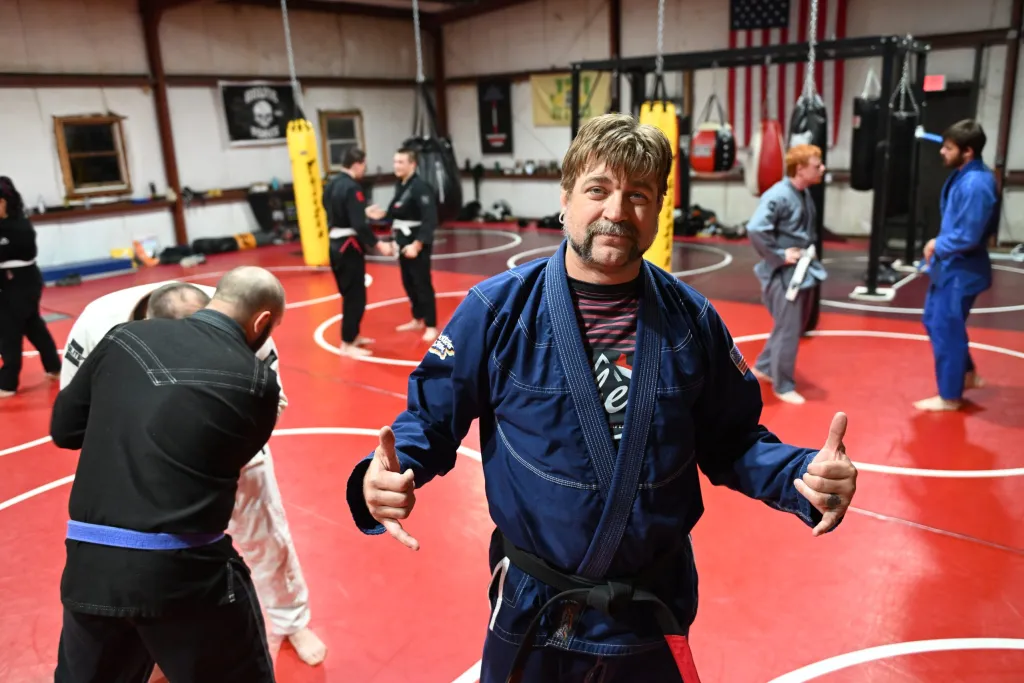
You have enough reps that you are not overwhelmed. You still have questions, but you are not lost. Many students notice that they stand a little taller outside class, not because they are trying to look tough, but because they feel more capable.
How Confidence Transfers to Real Life in Orange
We are not just teaching moves. We are teaching decision-making under pressure. That shows up in regular life more than people expect.
Here are a few common “carryover” effects students describe after consistent training:
• Better stress tolerance when plans change or problems pop up
• Clearer boundaries because you feel more grounded in yourself
• Improved posture and eye contact, without forcing it
• More patience in conflict, since you practice staying calm
• A realistic sense of self-defense ability instead of vague worry
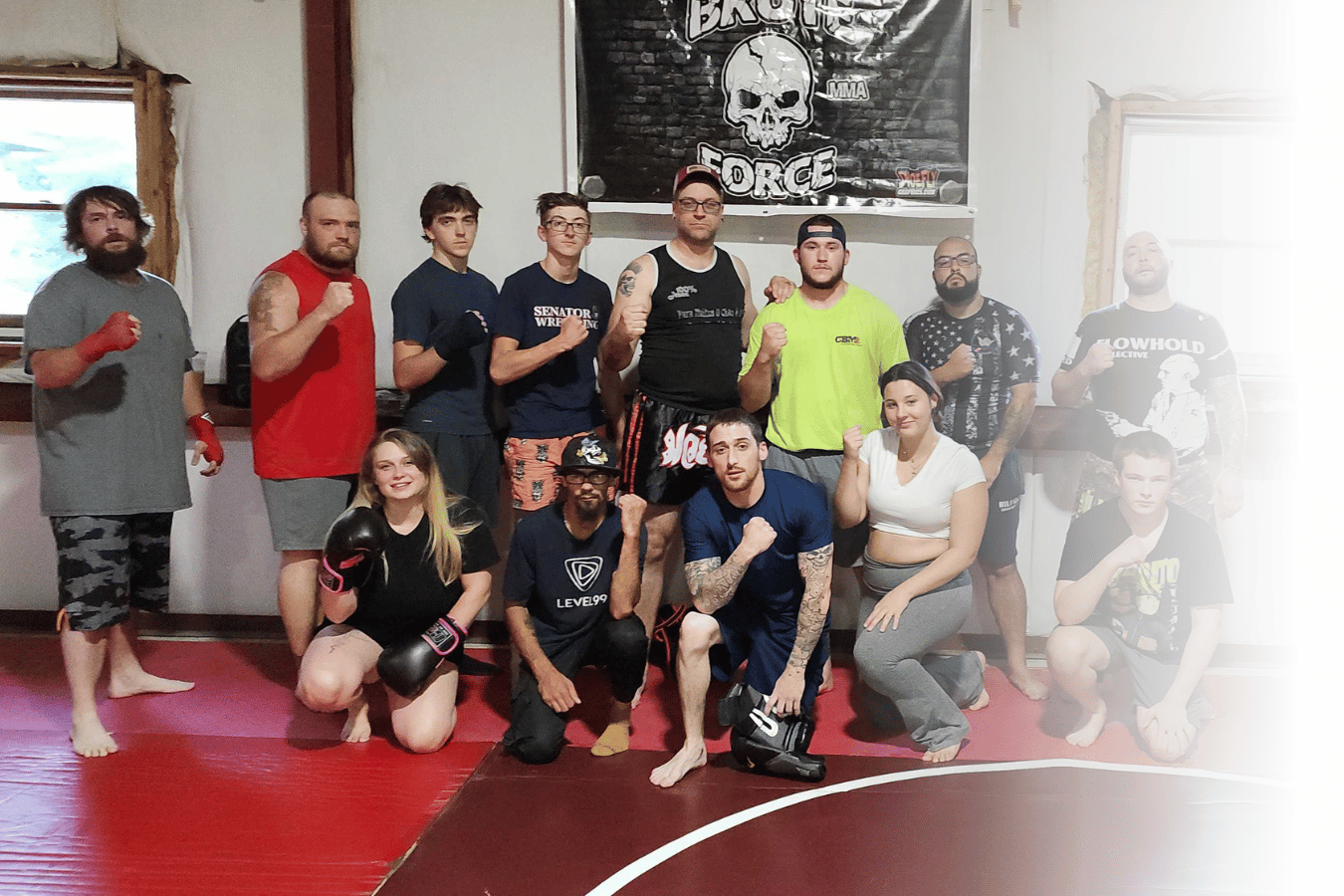
This is also where community matters. When you train with the same people consistently, you get used to being a beginner in front of others and realizing it is safe to learn. That alone builds confidence, especially for teens and kids.
Jiu Jitsu for Self-Defense: Calm, Control, and Options
Self-defense is a sensitive topic, and we treat it responsibly. We do not promise you a magical technique that works in every situation. What we do is teach principles that give you options: posture, distance management, base, frames, and escapes.
Jiu jitsu is especially valuable because it focuses on control. If you can control position, you can reduce damage and create space to disengage. That is real-world confidence: not looking for trouble, but knowing you can handle yourself if you have to.
We also talk about awareness and decision-making. Avoidance and de-escalation are always wins. Physical skills are a last resort, and training helps you think more clearly about that instead of reacting emotionally.
For Kids and Teens: Confidence Without the Attitude
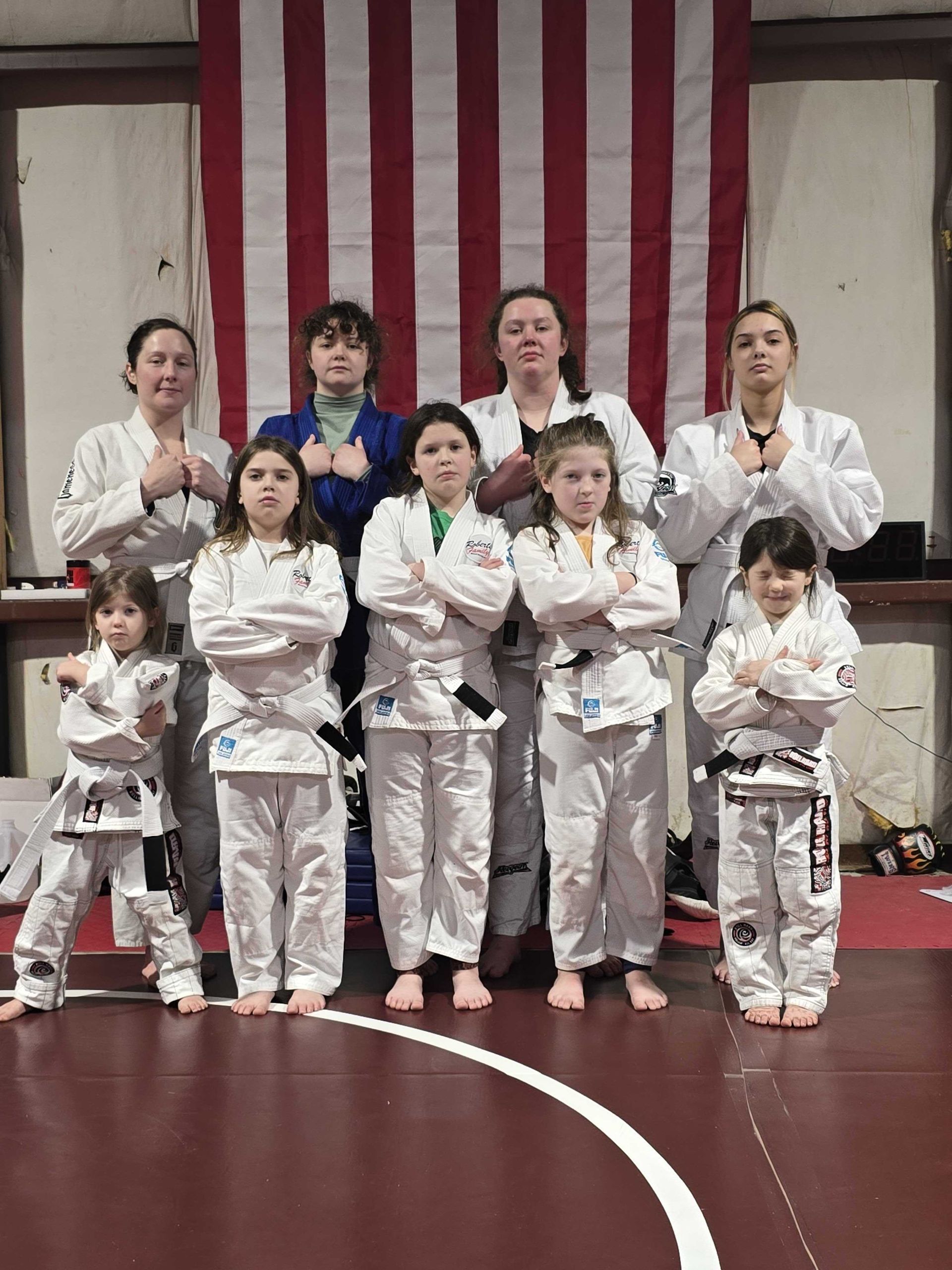
Parents often tell us they want confidence for their child, but not the kind that turns into arrogance. We agree. The mat has a way of keeping ego in check, because everyone taps sometimes, and everyone learns.
In our youth programs, we focus on structure and progress. Kids learn how to listen, how to try again after failing, and how to handle nerves in a healthy way. That is why families looking for youth martial arts Orange MA often end up loving jiu jitsu: it builds resilience while still being fun and social.
For teens, the confidence boost can be huge. They are dealing with school pressure, social dynamics, and body changes, and jiu jitsu gives them a stable routine where improvement is straightforward. Show up, train, get a little better, repeat.
What You Will Learn in Our Classes (Gi and No-Gi)
We offer both Gi and No-Gi training because each style teaches valuable skills. The Gi slows things down and rewards grip fighting, posture, and precision. No-Gi tends to be faster and teaches strong body positioning and clinch awareness.
Across both formats, we build a foundation that supports beginners and still challenges experienced students:
• Positional fundamentals like guard, side control, mount, and back control
• Escapes that help you stay calm in uncomfortable positions
• Guard passing concepts that emphasize balance and pressure
• Submissions taught with safety, control, and clear tapping rules
• Live training that scales intensity so you can learn without chaos
If you have never trained before, we keep the learning curve manageable. You will sweat, you will think, and you will leave feeling like you did something that actually matters.
Membership and Training Consistency: The Part That Makes It Work
Confidence does not come from one great class. It comes from consistency, and we structure our membership options and schedule to make that realistic. Most students do best with two to three classes per week at the start. That pace gives you enough repetition to progress without feeling like training takes over your life.
We also help you train intelligently. Some days are high effort, some days are technical, and some days you just show up and move, which is still a win. If you have a busy work schedule, kids at home, or you are easing back into fitness, we will help you find a rhythm you can maintain.
If you have been searching for a martial arts school Orange MA that feels organized, welcoming, and serious about skill development, our approach is built for that. You do not need to be in “fight shape” to begin. You just need to start.
Take the Next Step
Building confidence through jiu jitsu is simple, but it is not easy, and that is why it works. When you practice staying calm, solving problems, and recovering from mistakes in training, your daily life starts to feel more manageable too.
We built everything at Roberts Family Mixed Martial Arts around progressive coaching, supportive training partners, and practical skill development, so you can earn confidence in a way that feels real. If you are ready to try it, we will help you take the first step and keep the process straightforward.
Take what you learned here to the mat by joining a martial arts class at Roberts Family Mixed Martial Arts.
ACCESS OUR SCHEDULE
& EXCLUSIVE WEB SPECIAL
Secure your spot and get started today with our EXCLUSIVE offer!