Jiu jitsu gives your brain a practical reset by demanding focus, controlled breathing, and real-time problem solving.
Stress has a way of lingering, especially when your day is packed and your mind keeps replaying the same loops. One reason we recommend jiu jitsu for stress relief is simple: when you are learning positions, grips, and escapes, you cannot mentally multitask the way you do in everyday life. Your attention gets pulled into the present, and that shift alone can feel like exhaling after holding your breath all day.
In Orange, it is common to hear people say they want a healthy outlet that is not just another treadmill session. The goal is not to “win” a workout, it is to feel better leaving than you did walking in. Jiu jitsu does that through physical effort, skill-building, and a pace that can be scaled to your energy level, your age, and honestly, the kind of week you are having.
This guide breaks down how training supports stress relief and mental wellness, what a beginner can expect, and how to build a routine that fits real life in Orange, MA, without turning training into another source of pressure.
Why jiu jitsu works for stress relief (and not just fitness)
A lot of activities help you burn off energy. Jiu jitsu is different because it pairs movement with continuous decision-making. You are not simply “working hard,” you are solving small problems with your body while staying calm enough to notice what is happening.
Flow state: the mental quiet that shows up mid-round
Many students describe a moment where everything narrows down to grips, balance, breathing, and timing. Research often calls this a flow state: you get absorbed in the task, time feels different, and the usual background noise of your day fades. That mental absorption is powerful for stress relief because it is a true break from rumination, not just a distraction you can scroll away from.
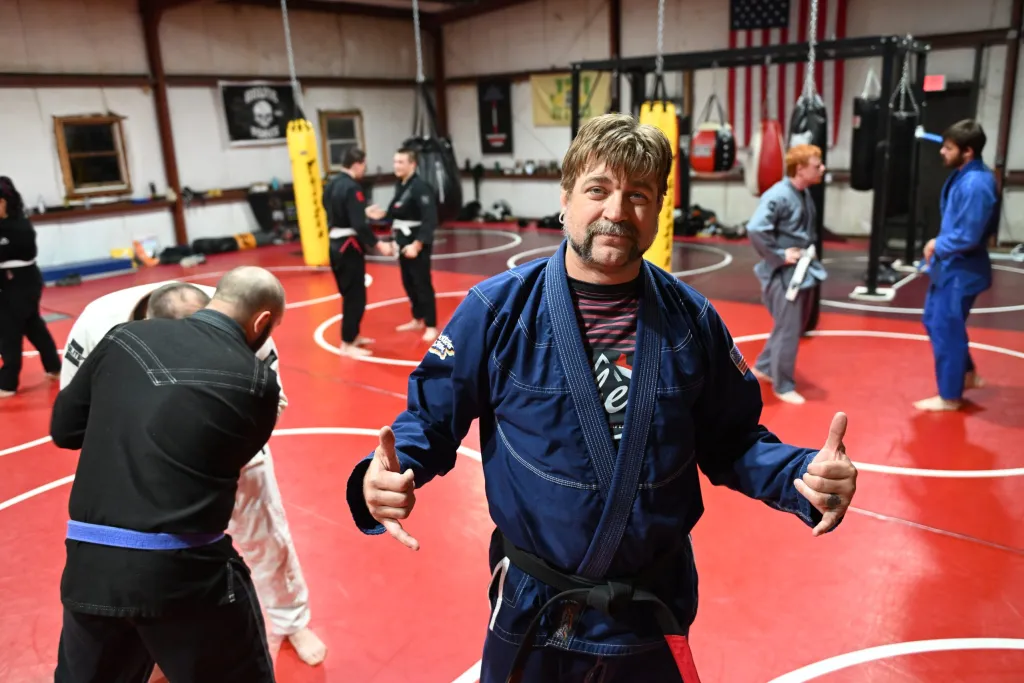
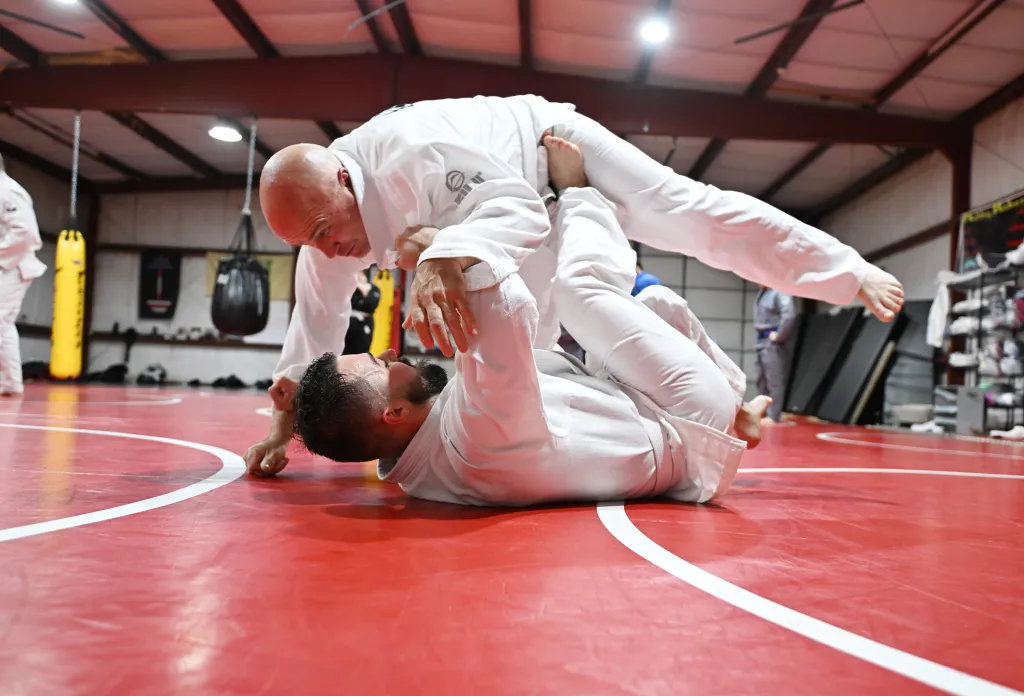
In class, we structure training so you can reach that state safely. Drilling gives you repetition and predictability, while controlled sparring (rolling) gives you enough variability to stay engaged. The combination is what keeps your brain “online” in a good way.
Presence interrupts anxiety loops
Anxiety tends to live in future-focused what-ifs or past-focused replays. Grappling forces presence. If you are thinking about tomorrow’s meeting while someone is passing your guard, your body will tell you immediately. That feedback is not punishment, it is information, and over time it teaches you how to return to the moment on purpose.
We also coach pacing so your nervous system learns that pressure does not have to equal panic. That lesson transfers surprisingly well to everyday stressors like deadlines, difficult conversations, or even driving in winter weather.
Endorphins and the “earned calm” after training
Hard training triggers endorphin release, which supports mood and helps reduce stress. But the calmer feeling most students notice is not only biochemical. It is also psychological: you did something challenging, you stayed engaged, you learned, and now your brain can downshift. That sense of “earned calm” is one reason people stick with jiu jitsu even when life gets busy.
Building calm under pressure: the hidden mental skill you practice every class
One of the most practical mental health benefits of jiu jitsu is learning to stay calm while uncomfortable. That can sound dramatic, but it shows up in ordinary ways: being stuck under side control, getting your grips broken, or realizing you are breathing too fast and choosing to slow it down.
Breathing as a skill, not a slogan
We treat breathing like a real technique. When you tense up, you burn energy quickly and your mind gets foggy. When you breathe with intention, you can think, move, and make better choices. In training, you practice this in short cycles: a moment of stress, a breath, a decision, a small improvement. Over weeks and months, that becomes a habit you can access off the mat.
Problem-solving replaces helplessness
A common root of stress is the feeling that you cannot influence outcomes. In jiu jitsu, you learn that even if you are in a bad position, you usually have options: frames, hip movement, timing, posture, and escapes. That mindset shift matters. You stop seeing pressure as the end of the story and start seeing it as a puzzle with steps.
That is also why training can build confidence without hype. It is not about telling yourself you are confident. It is about practicing competence.
The social side of training: community as a mental wellness tool
Mental wellness is not only individual. Humans regulate better with support, and a good training room has a steady rhythm of partner work, shared effort, and mutual respect.
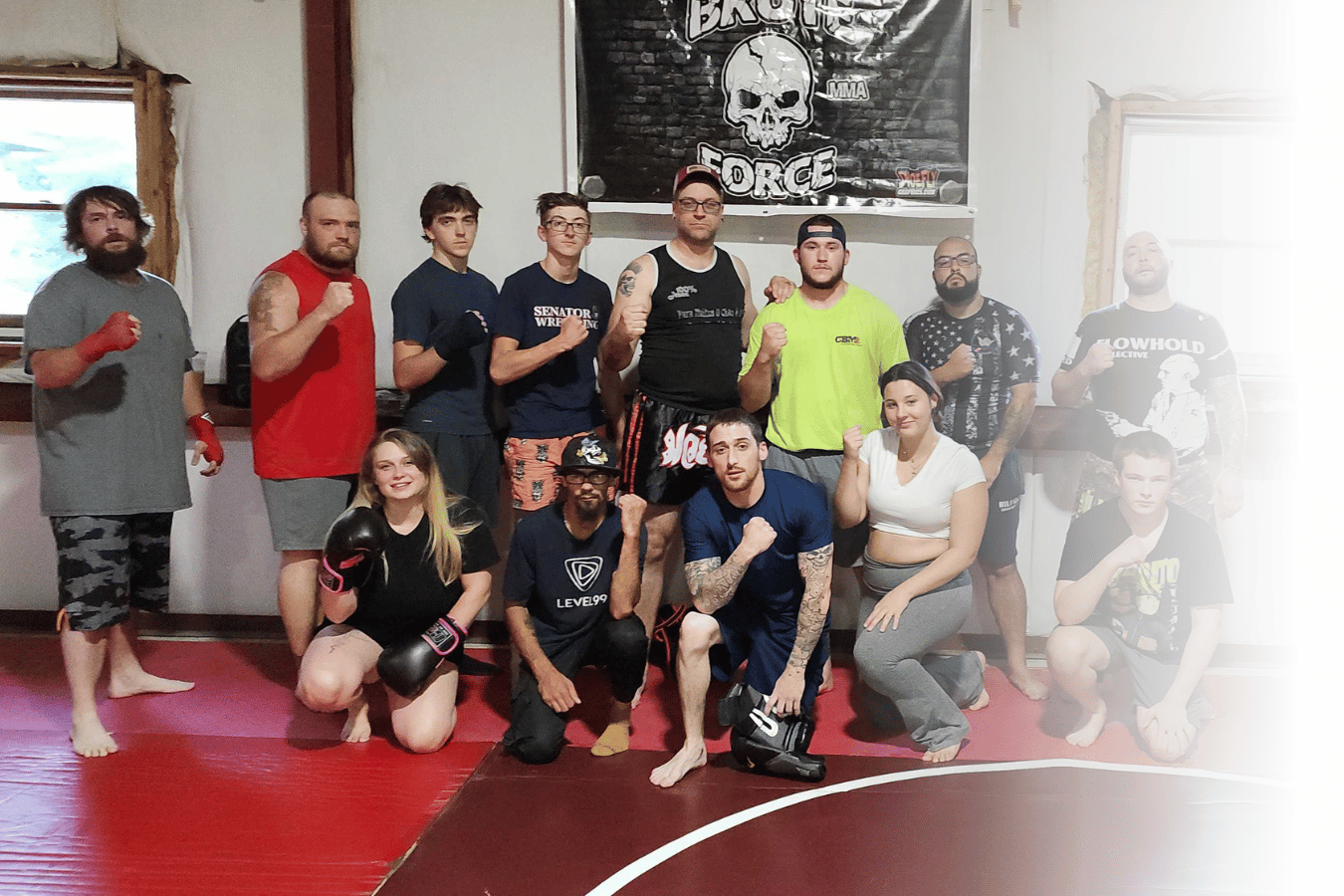
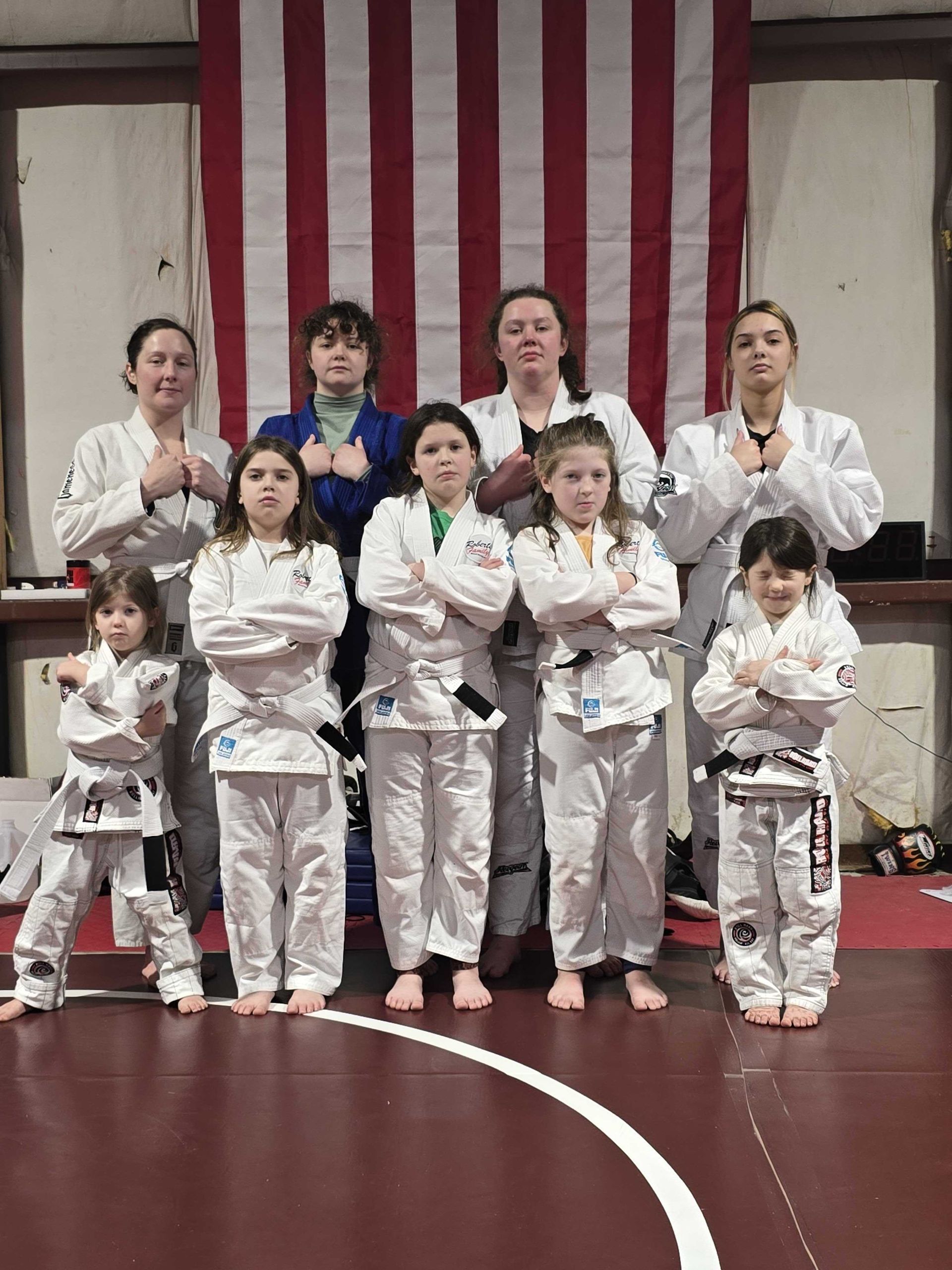
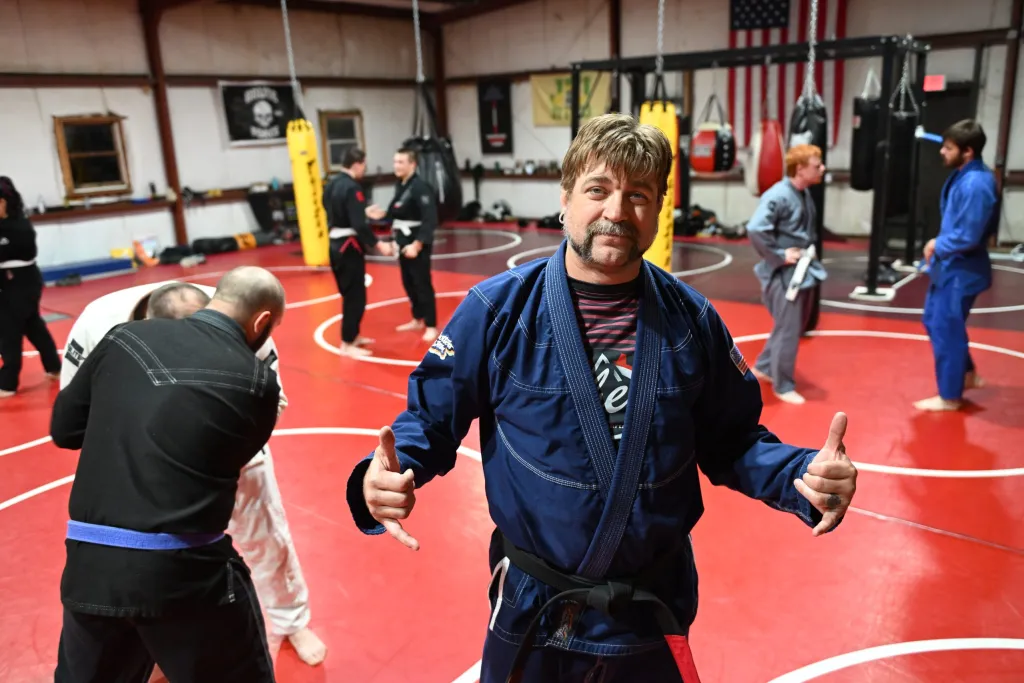
In class, you are not isolated with your stress. You are learning with other adults who are also balancing work, family, and responsibilities. You get the quiet encouragement that comes from consistent partners and instructors who remember where you started. For many people, that sense of belonging is as important as the techniques.
A healthy jiu jitsu culture also teaches boundaries. You tap early, you communicate, you take breaks, and you learn to train hard without being reckless. That is a surprisingly useful model for life: intensity with control.
What adult beginners in Orange can expect in their first few weeks
Starting something new can feel like stress, even if the goal is stress relief. We keep the beginner experience structured so you can settle in quickly.
You will learn the basics first (and that is a good thing)
In the beginning, your focus is fundamentals: posture, base, frames, escapes, and safe movement. These are the building blocks that make everything else feel less chaotic. When you have a plan, your brain relaxes.
You can train without being “in shape” first
We hear this all the time, and we plan for it. Conditioning improves as a result of training, not as a prerequisite. The early goal is consistency and comfort in the room. Intensity can come later, and you get to choose how fast that dial turns.
Rolling is introduced in a controlled way
Sparring can sound intimidating if you have never done it. We introduce it progressively with clear expectations. The point is learning, not proving something. You will roll with partners who know how to keep it safe and productive, and we coach you through common situations so you are not guessing.
A practical routine for stress relief: how often to train and why
For mental wellness, consistency matters more than extremes. Training once in a while can feel good, but training regularly is what changes your baseline.
Here is a simple approach we recommend for stress relief:
1. Start with two classes per week so your body and schedule can adapt without friction.
2. Add a third day once you notice you recover well and you want more mat time, not because you feel obligated.
3. Keep at least one session per week focused on fundamentals and drilling for nervous system “downshift,” not maximum intensity.
4. Use a short pre-class routine: arrive a few minutes early, breathe, and set one small goal like “protect my posture” or “stay relaxed.”
5. Track how you feel after class in one sentence so you can see patterns over time, especially during stressful seasons.
This structure turns jiu jitsu into a supportive rhythm instead of another thing you have to be perfect at.
Techniques that support mindfulness without calling it mindfulness
Some people love meditation. Some people would rather do anything else. Jiu jitsu can create similar benefits because it trains attention through action.
Body awareness and nervous system regulation
When you learn to notice tension in your shoulders, jaw, or hands, you can release it. When you learn to recognize fast breathing, you can slow it. These are mindfulness skills, but they are learned through doing, not sitting still. Over time, your body gets better at returning to baseline after stress, which is a core part of resilience.
Clear feedback, clear progress
Progress in jiu jitsu is honest. If a frame works, you escape. If your posture breaks, you learn why. That clarity reduces mental clutter because you are not wondering whether you improved, you can feel it. For many adults, that sense of measurable progress is deeply grounding.
Stress relief for specific life seasons in Orange, MA
Life in Massachusetts has its own rhythm. Winter can feel heavy, schedules get tight around back-to-school, and work stress spikes at predictable times. Jiu jitsu supports you through those seasons because it is both physical and structured.
In winter, training gives you a warm, active environment and a reason to move when it is easy to get stagnant. During high-pressure work months, it creates a boundary in your day: you step on the mat, your phone stays off, and you focus on what is in front of you. That kind of separation is healthy, and it is increasingly rare.
Common concerns we hear (and how we handle them)
You do not have to be fearless to start. You just need a plan and a room that respects where you are beginning.
• I am nervous about close contact: We explain etiquette, consent, and partner selection, and we keep the environment respectful and professional.
• I have old injuries or I am not flexible: We offer modifications, focus on positioning over forcing movement, and encourage smart pacing.
• I do not want to get hurt: Safety is built into tapping, supervision, and training structure, and we emphasize control over ego.
• I feel stressed about being new: Beginners are expected to be beginners, and we teach you exactly what to do first.
If your goal is adult jiu jitsu Orange MA training that supports your mental wellness, the biggest step is simply showing up consistently enough for your nervous system to learn that the mat is a safe place to work hard.
Jiu jitsu Massachusetts training as a long-term wellness practice
When people think of martial arts, they sometimes picture short-term motivation. What we see is long-term change. After months of consistent practice, many students notice better sleep, improved mood stability, and more patience under pressure. The techniques matter, but the deeper benefit is the training process: show up, focus, breathe, solve, improve.
Jiu jitsu also scales with your life. Some weeks you train harder. Some weeks you focus on fundamentals. The art is flexible enough to meet you where you are, which is exactly what a sustainable stress-management practice should do.
Ready to Begin
Building a calmer mind does not always come from doing less. Sometimes it comes from doing something demanding in a controlled way, with structure and support, until stress stops feeling like it is in charge. That is what we aim for every day on the mat.
If you are ready to experience how jiu jitsu can support your mental wellness here in Orange, we would love to help you get started at Roberts Family Mixed Martial Arts with a training plan that fits your goals and your schedule.
No experience is required to begin. Join a free jiu jitsu class at Roberts Family Mixed Martial Arts today.
ACCESS OUR SCHEDULE
& EXCLUSIVE WEB SPECIAL
Secure your spot and get started today with our EXCLUSIVE offer!