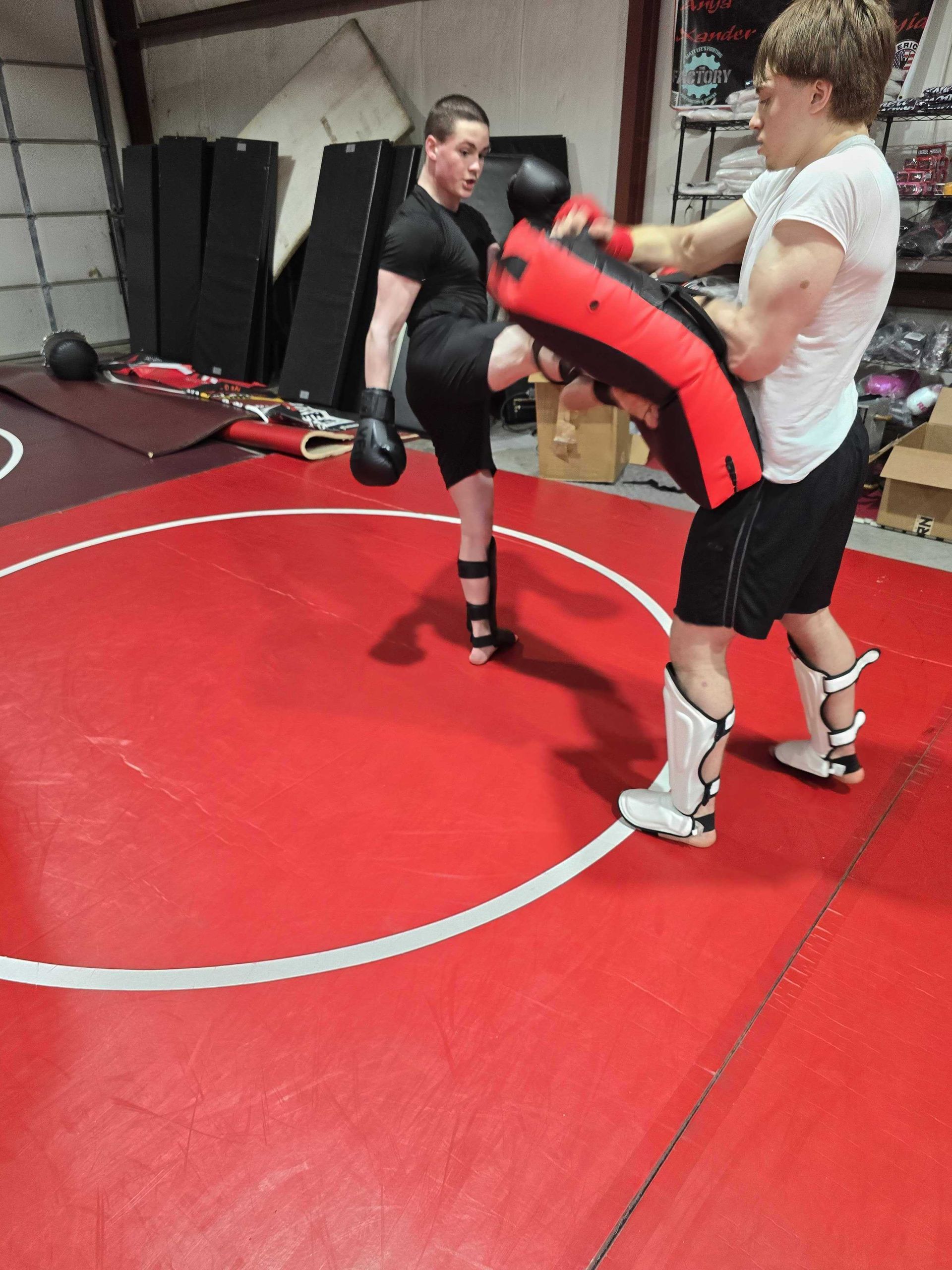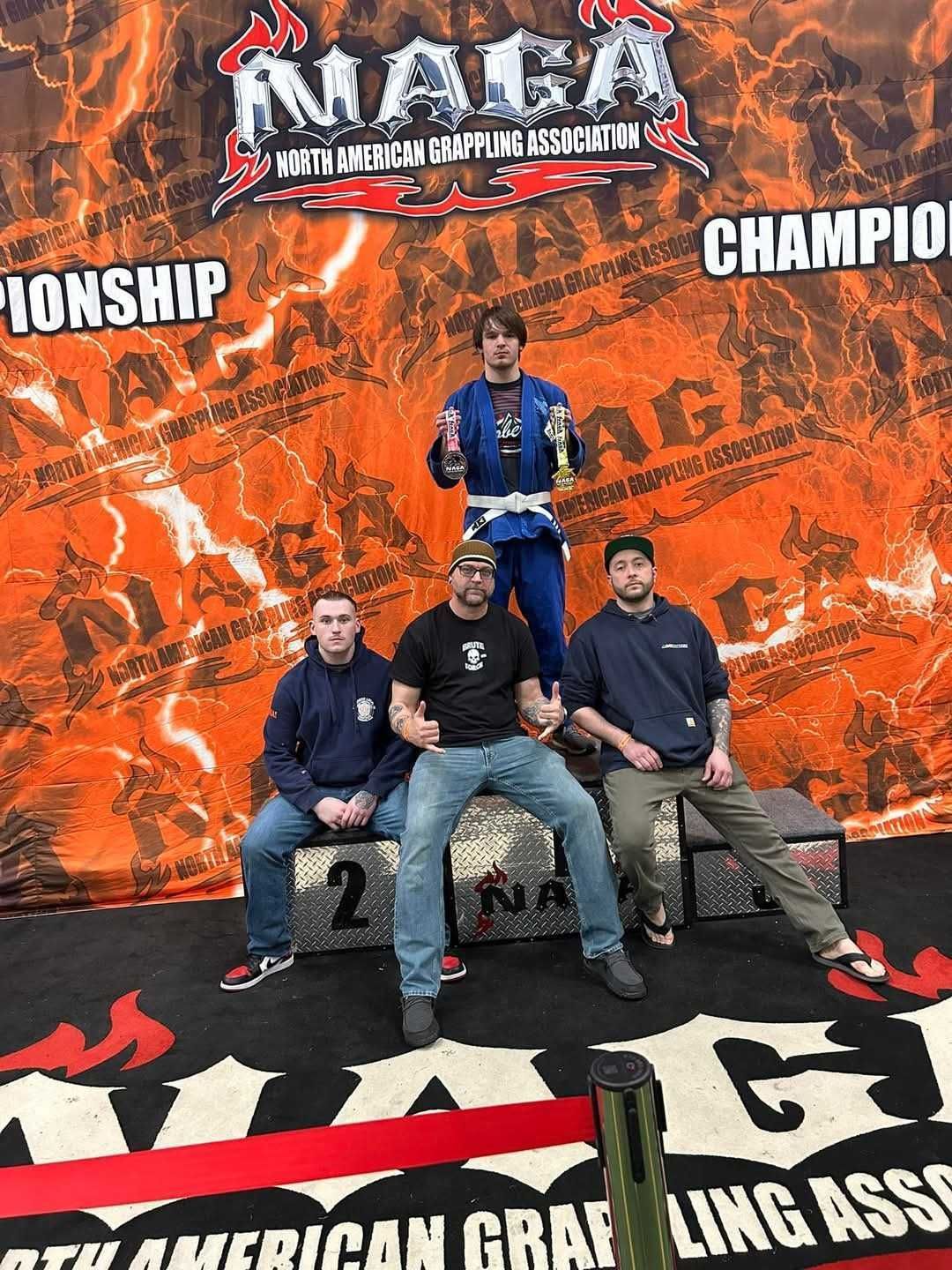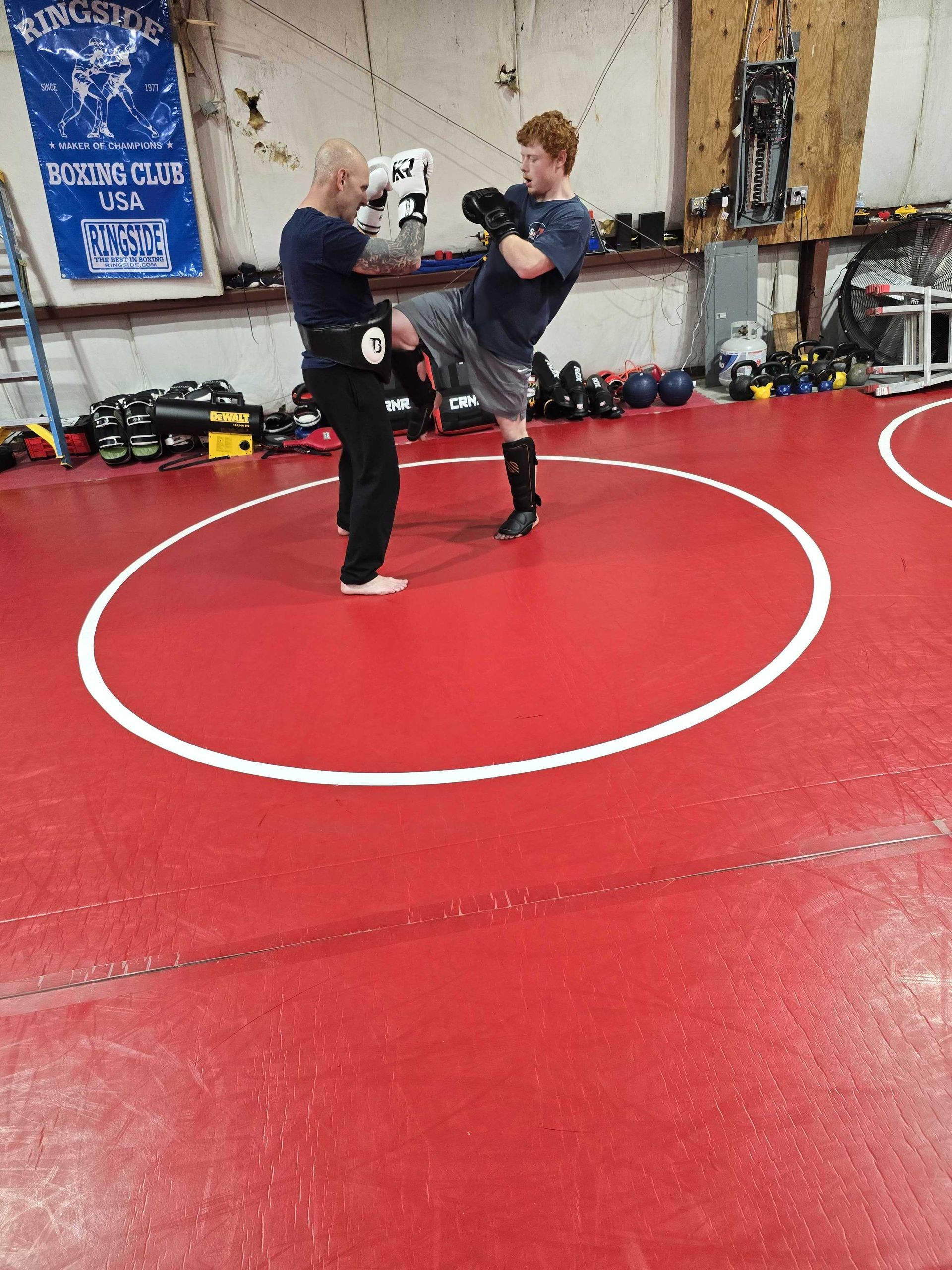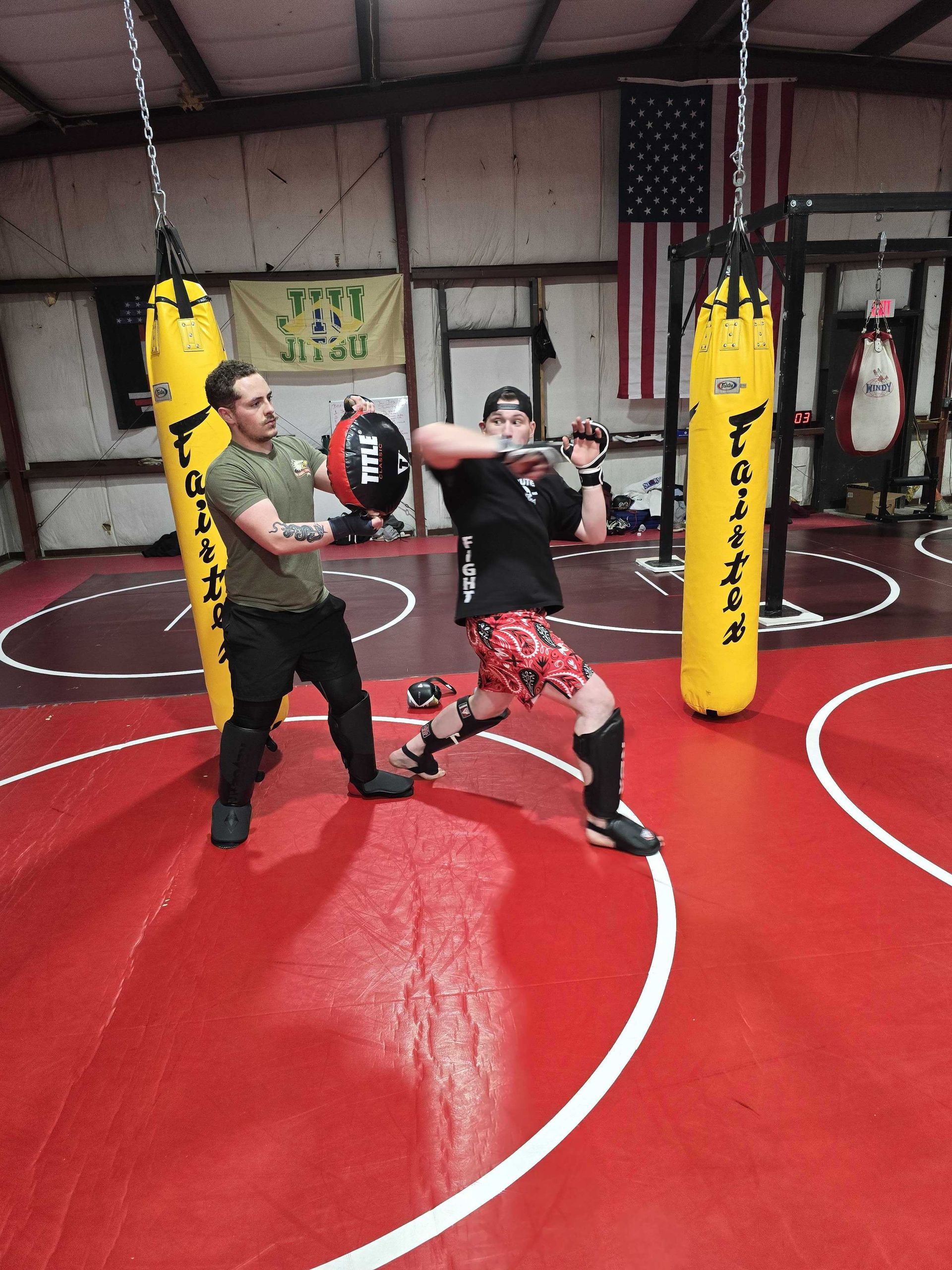

Jiu jitsu gives kids a clear, step by step way to feel capable in their bodies and steady in their minds.
When parents ask us what changes first when a child starts jiu jitsu, we usually say confidence and focus. Not the loud, performative kind of confidence, either. We mean the quiet confidence that shows up when your child raises a hand in class, tries something new without freezing, or handles frustration without melting down.
Here in Orange, MA, we see a lot of kids who are bright and capable but stuck in a loop: too much screen time, too little movement, and not enough structure that feels positive. Jiu jitsu gives that structure in a way kids actually enjoy. It is active, hands-on, and built around learning through doing.
We also like that the lessons are practical. Brazilian Jiu-Jitsu is often called the gentle art, but it is honest training. Kids learn how to stay safe, how to manage space, and how to keep thinking when something feels hard. Over time, that carries into schoolwork, friendships, and the way your child talks about themself.
Why confidence grows faster in jiu jitsu than you might expect
Confidence usually grows when a child can measure progress and feel ownership of it. In jiu jitsu, progress is built into the process. Techniques have names, positions have clear goals, and classes repeat key skills often enough that kids recognize improvement week to week.
Research on kids’ BJJ programs supports what we see on the mats: about 85 percent of kids improve confidence in social situations, and around 93 percent show better focus on academic tasks. Those numbers make sense when you think about what training requires. Kids must listen, try, adjust, and try again, with a coach guiding the process.
A big difference here is that confidence does not come from being picked first, scoring the most points, or being “the best.” It comes from showing up, learning the next step, and earning progress through effort. That kind of confidence is harder to shake.
Belts and stripes reward effort, not personality
Some kids are naturally outgoing. Some are not. Our job is to build skills and character in both. Belt progressions give kids a way to see growth even if they are quiet or hesitant at first.
When kids earn a stripe, we want them to know exactly why it happened. It might be better posture in a guard position, more respectful partnering, or finally remembering to shrimp correctly without being reminded three times. Those small wins stack up.
How jiu jitsu improves focus in school and at home
Focus is not just “pay attention.” For many kids, focus is a skill that needs training like anything else. In jiu jitsu, your child practices focusing under mild pressure in a safe environment. That matters, because real life does not happen in perfect silence.
In class, we ask kids to watch a technique, remember steps, and apply it with a partner. That process builds working memory and patience. Kids also learn to slow down and think, which is a big deal for children who tend to rush, fidget, or get overwhelmed quickly.
We often hear parents say something like: “My child can sit through homework with less arguing,” or “My child is more willing to start tasks without a fight.” That aligns with the research showing improved academic focus for most participants.
The “reset button” effect of training
There is a simple physiological piece here, too. Training produces endorphins and helps regulate stress. For many kids, an after-school class becomes a reset. Instead of carrying the whole day’s tension straight into the evening routine, your child gets movement, structure, and a positive challenge.
And yes, it can be tiring in the good way. The kind of tired that helps kids eat dinner and sleep.
Confidence and focus come from learning to solve problems
Jiu jitsu is often described as physical chess, and that is not just a catchy phrase. Even at a kid-friendly level, students learn that there is rarely one perfect answer. There are options, counters, and smart choices based on position.
Problem-solving shows up constantly:
- If you are pinned, you learn how to frame and make space.
- If someone grabs your wrist, you learn how to peel grips safely.
- If you feel stuck, you learn to breathe, reset posture, and try a different angle.
Kids start to connect effort with outcomes. That is a powerful lesson for school, friendships, and sports. Instead of thinking “I can’t,” kids start thinking “What can I try next?”
Why size and strength matter less than you think
One reason jiu jitsu works so well for kids is that it is built around leverage and positioning. That makes it more inclusive than many parents expect. Smaller kids can learn to use angles, frames, and timing to stay safe and improve.
This also matters for confidence. Kids who feel physically intimidated in other settings often relax when the rules are clear and the goal is skill, not domination. We keep training controlled and age-appropriate so kids learn without fear.
Research also notes that around 80 percent of kids gain coordination skills through grappling. Coordination is not just athletic. It affects posture, handwriting endurance, and general body awareness. You can often see it in how a child moves after a few months: fewer clumsy collisions with furniture, better balance, more control.
What kids actually learn in our classes
Parents sometimes picture jiu jitsu as nonstop sparring. In reality, a good kids program is structured. We blend learning, drilling, and controlled games that reinforce technique without turning class into chaos.
Here is what a typical curriculum focus includes over time:
- Safe falling and basic movement skills like shrimping and bridging
- Positional awareness, including mount, guard, side control, and back control
- Escapes that prioritize safety and calm decision-making
- Basic submissions taught with strict safety rules and close supervision
- Situational rounds that teach kids to apply skills without panicking
We also coach how to be a good partner. That is not a throwaway lesson. It is how kids learn empathy, control, and respect for boundaries.
Discipline that transfers to daily life
Discipline sounds intense, but in kids’ training it usually looks like small habits done consistently. Being on time. Lining up. Listening when a coach is speaking. Taking turns. Trying again after a mistake.
One study summary found about 73 percent of participants carried punctuality and diligence into daily life. We believe it, because we see kids start to take pride in being reliable. That pride is part of confidence, too.
Respect is built into the routine
We keep expectations clear and consistent. Kids learn that respect is not only saying “yes sir” or “yes ma’am” if that is part of the class culture. Respect is also:
- Using controlled movement with training partners
- Following safety rules immediately
- Owning mistakes without blaming others
- Helping newer students feel welcome
Those are life skills, not just martial arts skills.
Bullying, boundaries, and real self-defense skills
Many Orange families ask us about bullying. We take that seriously, and we approach it thoughtfully. Jiu jitsu is not about encouraging kids to fight. It is about giving your child options and confidence so bullying is less likely to “stick.”
When a child carries themself differently, sets boundaries, and stays calm under pressure, social dynamics often shift. Kids who train regularly tend to look people in the eye more easily and speak more clearly. That alone can reduce targeting.
We also teach practical self-defense concepts in an age-appropriate way:
- Awareness and how to create space
- Verbal boundary setting
- How to break grips and get to safety
- When to get an adult immediately
And we keep the message consistent: your child’s goal is to get safe, not to win.
A supportive place for beginners and kids with different needs
Not every child learns the same way. We work with beginners every day, and we also support kids who struggle with attention, impulse control, anxiety, or sensory overload. The structure of jiu jitsu can be especially helpful for ADHD because the class has clear rules, short learning segments, and constant movement.
We also see encouraging trends across the sport: participation in inclusive programs, including students with special needs, has grown significantly in recent years. That tracks with what families are looking for now, especially when kids need a screen-free activity that still feels engaging.
If your child is shy, we keep the first weeks simple. If your child is energetic, we channel that energy into drills with clear boundaries. The goal is steady progress, not perfection.
How to know if your child is ready
Most kids do not need to “get in shape” before starting. Readiness is more about willingness to participate and follow basic safety directions. If your child can handle a short warmup, listen for a few minutes at a time, and practice with a partner respectfully, we can work with that.
We also recommend starting with a trial class if you are unsure. One class will tell you a lot: how your child responds to the environment, whether the structure feels like a good fit, and how comfortable you feel watching the training.
What parents usually notice in the first 30 to 90 days
Every kid is different, but patterns show up. In the first month, many parents notice better energy management. Kids are still kids, but the edge softens. By 60 to 90 days, confidence changes often show up in social settings, like speaking up, joining groups, or handling feedback without shutting down.
Here are common early wins families mention:
- Better posture and coordination in everyday movement
- More patience with challenging tasks like homework
- Increased willingness to try new things without quitting
- Calmer responses when plans change or frustration hits
- More respectful behavior with siblings and peers
None of this is magic. It is practice, routine, and being surrounded by coaches who care about the details.
Jiu jitsu for the whole family in Orange, MA
Kids benefit most when training is consistent, but family support matters, too. When you treat practice like a normal part of the week, kids stop negotiating every time. It becomes “what we do,” like brushing teeth or eating breakfast.
Some families also ask about training for themselves. If you are curious, adult options are available as well, including adult jiu jitsu Orange MA scheduling that can fit around work and school routines. Training together can be a surprisingly grounding family habit, and it helps you understand what your child is learning.
And if you are thinking about jiu jitsu Massachusetts opportunities in general, it helps to know your child does not need a huge, high-pressure scene. What matters is consistent coaching, a safe culture, and a curriculum that builds real skill.
Take the Next Step
If your goal is a child who feels more confident, listens with more focus, and handles challenges without falling apart, jiu jitsu is one of the most practical paths we know. The training is physical, but the real payoff is what your child learns about staying calm, solving problems, and showing up with effort even when something feels difficult.
We built our kids program at Roberts Family Mixed Martial Arts to support Orange families with clear structure, safe coaching, and a class environment where beginners can grow at a steady pace. If you want to see how it feels in person, the next step is simple: come in, watch a class, and let your child try it.
Learn from experienced coaches and dedicated teammates by joining a free jiu jitsu class at Roberts Family Mixed Martial Arts.
ACCESS OUR SCHEDULE
& EXCLUSIVE WEB SPECIAL
Secure your spot and get started today with our EXCLUSIVE offer!