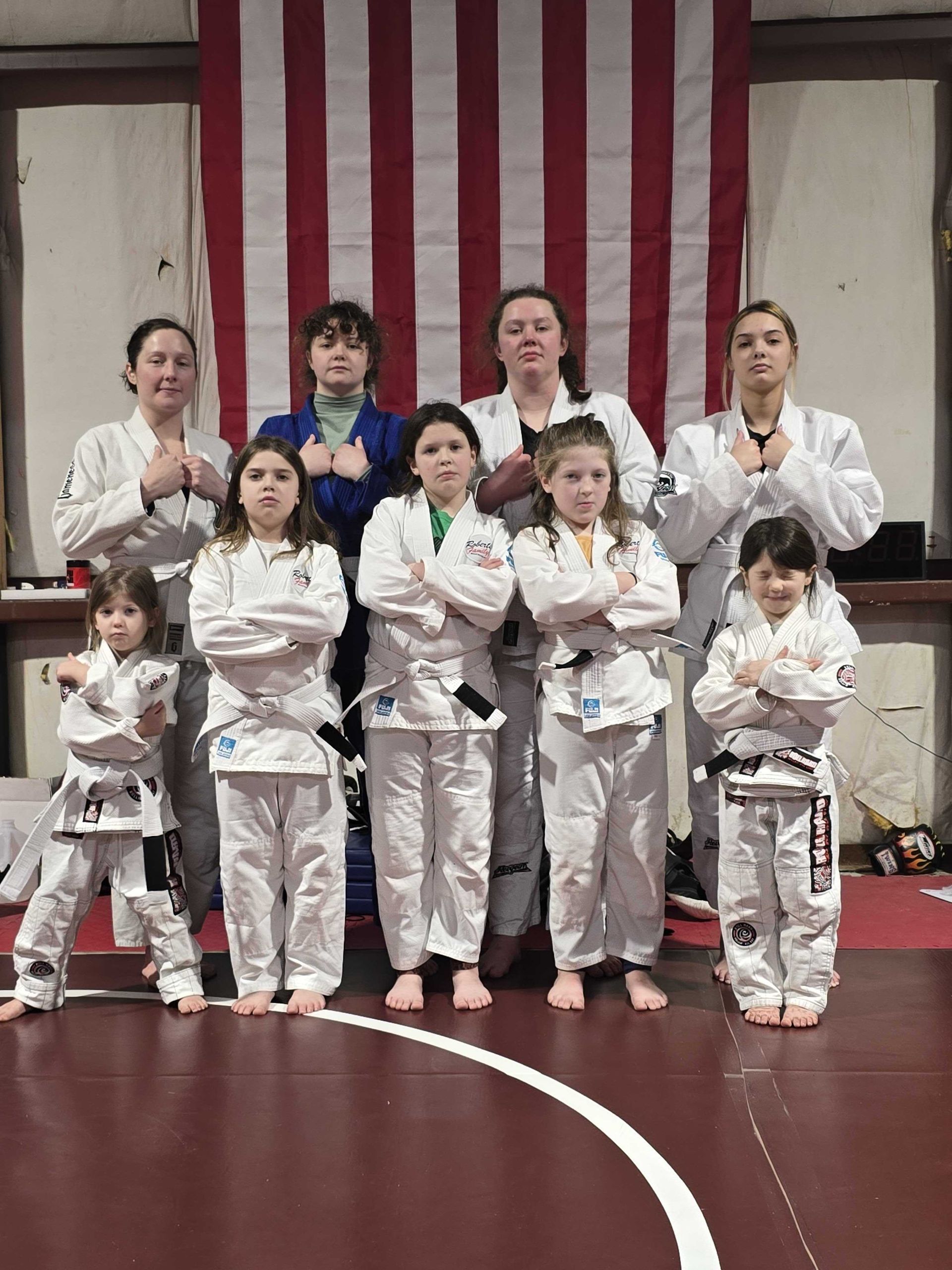
Mixed Martial Arts can be a surprisingly practical way for kids to practice real friendship skills, not just fitness.
In Orange, it is common for parents to look for something that gets kids moving and also helps them connect, communicate, and settle into a group. That is one reason we often talk about Mixed Martial Arts as more than training punches and kicks. When a class is structured well, it becomes a weekly practice space for social skills like listening, taking turns, managing frustration, and showing respect.
Social growth does not always happen automatically on a playground. In a martial arts class, we can coach it on purpose. Kids are in the same room, working toward the same goals, and learning how to interact safely, appropriately, and confidently with peers. Over time, those repeated moments add up.
We also like that training is screen-free and routine-based. Many kids do better socially when they know what to expect, and our classes follow a consistent format with clear rules, clear boundaries, and lots of coached practice in how to be part of a team.
Why social skills improve faster in a structured training room
Social skills are skills, which means kids build them through repetition, feedback, and real interactions. In our classes, children do not just hear reminders like “be nice” or “use your words.” We set them up to practice those behaviors in specific drills and partner activities, with a coach guiding the moment.
There is also a helpful kind of sameness to martial arts training. The warm-up looks similar each class. The line-up has a predictable structure. Kids learn when to speak, when to listen, and how to wait their turn. For many families, that steadiness becomes a big part of why social improvements show up at school and at home.
Research supports this idea, too. One study of a martial arts intervention for children with autism found lower social dysfunction and higher social skills compared with a waitlist control group. The same study also reported improvements in executive functioning, including behavior and emotion regulation, working memory, and cognitive flexibility, which can support stronger peer interactions. It is not a promise that every child will have the same outcome, but it is meaningful evidence that a coached martial arts environment can support social development.
The social-skills “hidden curriculum” inside Mixed Martial Arts
Kids often come in thinking the goal is to learn cool techniques. That motivation is fine, and we use it. But underneath the techniques is a steady, skill-by-skill approach to social development that shows up in small moments.
Listening and responding the first time
When an instructor explains a drill, kids have to hold attention, track details, and follow directions in sequence. That is not only a training habit. It is also a social one. Listening carefully is a form of respect, and it is a foundation for good classroom behavior and good friendships.
We keep instructions clear and age-appropriate, then we reinforce the same core cues often. Kids start to realize that paying attention helps everybody, including their partner. That mindset shift matters.
Taking turns and sharing space
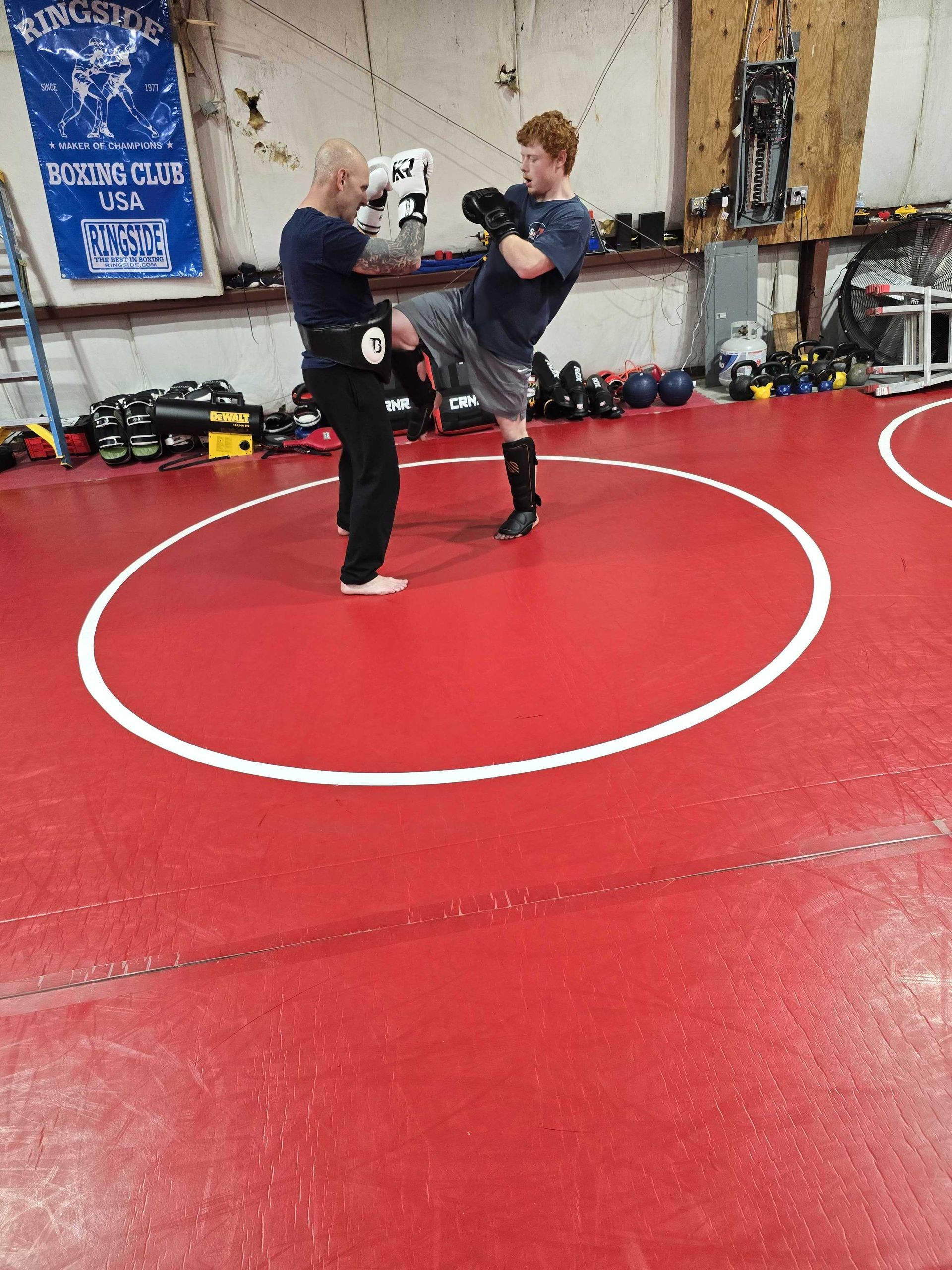
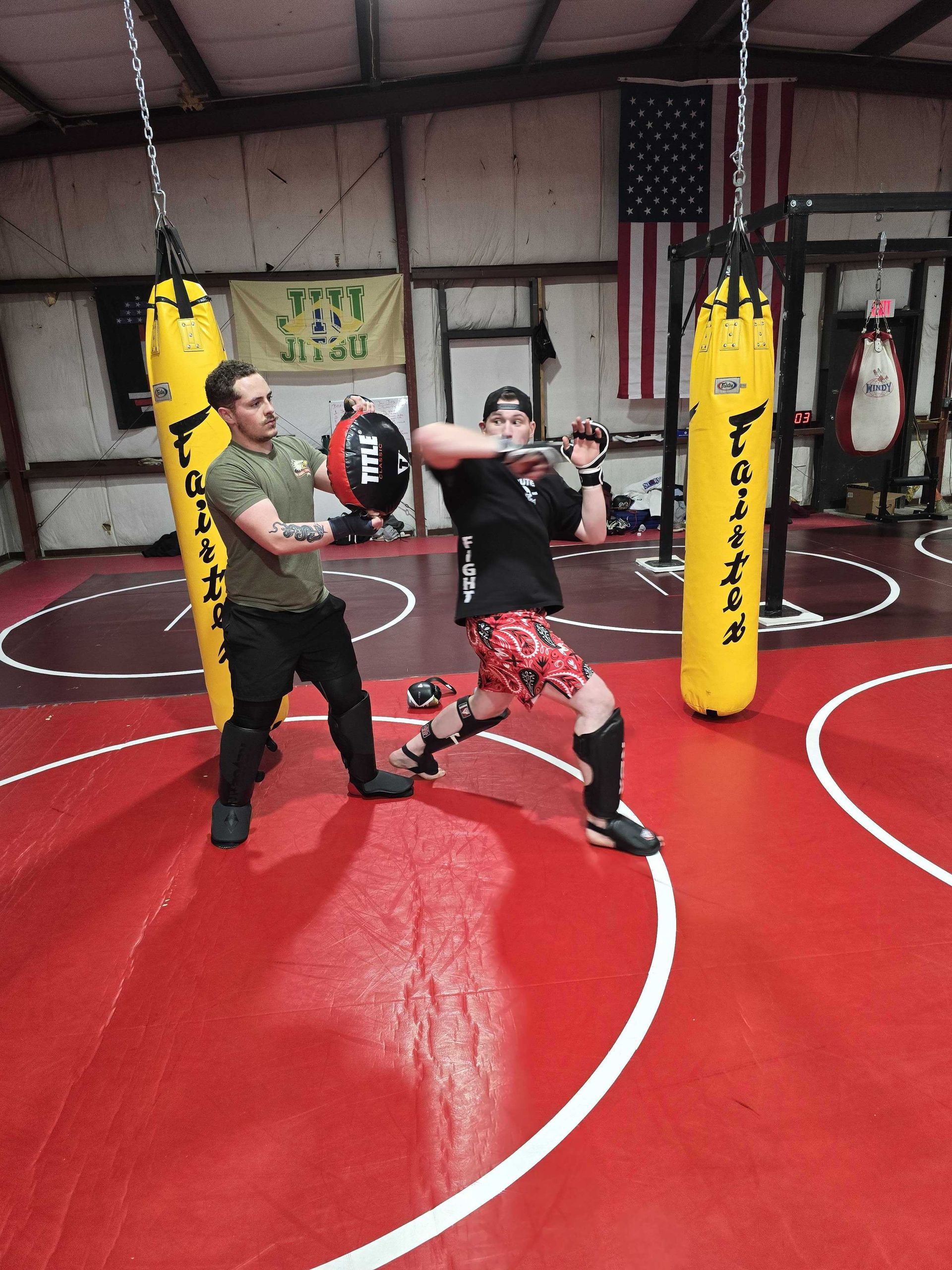
In partner drills, nobody gets to “hog” the activity. Kids rotate partners, alternate roles, and learn how to share space without bumping into others. Turn-taking is a social skill that sometimes needs more practice than parents expect, especially for kids who are used to playing solo games or spending lots of time on a device.
When kids take turns during controlled drills, they also learn patience. Waiting without melting down is a real win, and it tends to carry over into everyday routines.
Learning respectful contact and boundaries
A lot of parents worry that MMA will make kids aggressive. We understand that concern, and our approach is the opposite of chaos. Controlled partner work teaches children how to respect boundaries, use appropriate intensity, and stop immediately when asked. That is not just a safety issue. It is a social skill: “I can interact, but I can also control myself.”
When kids learn that contact is only allowed in specific, coached situations, with rules, it reinforces the difference between training and roughhousing.
Executive function: the “brain skills” behind better friendships
Social success is not only about being outgoing. Many kids struggle socially because they have trouble with self-control, flexible thinking, or emotional regulation. Those are executive functioning skills, and they affect everything from sharing to handling a disagreement.
The same study mentioned earlier reported improvements in executive functioning after a martial arts program, including better behavior and emotion regulation, working memory, and cognitive flexibility. In a practical sense, that can look like:
• A child pausing before reacting when something feels unfair
• Remembering the steps of a drill without getting overwhelmed
• Switching partners without shutting down
• Accepting correction from a coach without taking it personally
We build those skills by teaching kids to notice their body, follow structure, and reset quickly after mistakes. And yes, mistakes happen every class. That is part of why training works.
How peer interaction is built into the program, without forcing it
Some kids are naturally social. Some kids are quiet, cautious, or slow to warm up. We make room for all of that. The goal is not to force a child to perform socially, but to create repeated, safe chances to interact.
One idea highlighted in the research is peer mediation, which basically means children learn alongside other children in a guided setting rather than in isolation. That guided “alongside” time matters. Kids see how others behave, they get coached through brief interactions, and they practice being part of a group with shared expectations.
In class, peer interaction happens in simple ways that feel doable:
• Partner drills where kids trade roles and say quick, respectful cues
• Small-group lines where kids learn spacing and patience
• Rotations that teach polite introductions and quick adaptation
• Team-based warm-ups that make participation feel shared
Over time, even shy kids usually start to recognize familiar faces. Familiarity is often the first step to friendship.
What your child learns socially in a typical class
Our classes are active, but they are not unstructured. We follow a consistent rhythm so kids know what is coming next, which reduces anxiety and supports better behavior.
Here is what that social learning often looks like across a class:
• Entering the room, greeting coaches, and joining the group without disruption
• Listening to instructions while others are also excited and moving
• Practicing techniques with a partner while staying calm and respectful
• Handling small frustrations, like getting a step wrong, and trying again
• Encouraging others and accepting encouragement without embarrassment
That last one is bigger than it sounds. Learning how to receive feedback, and how to give it kindly, is a social skill many adults are still working on.
Why Orange, MA families value community-based training
Orange is not a place where families want to feel like a number. Parents want a program that feels personal, safe, and consistent, with coaches who actually notice when a child is having an off day or making progress.
We also know that local families juggle a lot: school demands, work schedules, and the pull of screens at home. Having a regular, in-town routine helps kids build confidence through consistency. When a child shows up each week, sees the same faces, and grows little by little, social comfort tends to follow.
And because training is physical, kids often feel the difference right away. They leave class a little more tired, a little more proud, and usually a little more open to talking about their day.
Is Mixed Martial Arts too aggressive for kids?
It can be, if it is taught without structure. That is not how we run classes.
A well-coached program emphasizes control, respect, and safety. We teach kids that technique is not about hurting someone. It is about learning movement, awareness, and self-discipline. Contact, when introduced, is age-appropriate and supervised, and kids are coached to match intensity and follow rules closely.
If your main goal is social skills, that structure is your friend. Kids learn that strong bodies still need calm minds, and that being “tough” includes being respectful and in control.
What parents can look for in a kids program that supports social growth
If you are trying to choose an activity that actually helps with social skills, it helps to look beyond the words on a flyer and focus on what happens in class. In our experience, the best signs are practical and easy to observe.
1. Clear routines that make expectations obvious from the start
2. Coaches who correct behavior calmly, without shaming
3. Partner work that is supervised and taught step-by-step
4. A culture of respect where kids are expected to listen and respond
5. Progress that is measured by consistency and effort, not just athleticism
When these pieces are in place, kids have a better chance to practice social skills in a way that sticks.
How Adult Striking in Orange, MA supports the whole family culture
Even when the topic is kids, it helps to mention the bigger picture: families train better when training feels normal at home. Our Adult Striking in Orange, MA classes give parents and older students a place to build skills, stress relief, and confidence in the same supportive environment.
For some families, it becomes a shared routine. Your child trains, you train, and the conversations at home shift in a good way. Instead of only talking about screens or homework, you can talk about goals, effort, and showing up even when you feel tired. That kind of shared language can quietly support a child’s social confidence, too, because kids notice what we model.
A Martial Arts School in Orange MA should help kids thrive outside the gym
We want your child to gain skills that show up on an ordinary Tuesday, not just during class. Social skills are exactly like that. When kids practice respectful communication, self-control, and teamwork every week, the benefits often leak into school, sports, and family life.
A good training environment also gives kids a safe place to feel challenged. That matters for social growth because confidence usually comes from doing hard things with support. When kids realize, “I can learn this,” it becomes easier to believe, “I can talk to new people,” or “I can handle a disagreement without losing it.”
Ready to Build Social Skills Through Training
Building social skills takes time, and it works best when kids have consistent practice in a structured environment. That is what we aim to provide every day, through clear coaching, partner drills that teach respect, and a class culture where kids learn how to interact with confidence.
At Roberts Family Mixed Martial Arts, we take pride in being a Martial Arts School in Orange MA that focuses on real-world growth for kids, teens, and adults, including the social skills that help your child feel more comfortable at school and in the community.
Help your child build confidence, discipline, and focus by enrolling them in youth martial arts classes at Roberts Family Mixed Martial Arts.
ACCESS OUR SCHEDULE
& EXCLUSIVE WEB SPECIAL
Secure your spot and get started today with our EXCLUSIVE offer!