A well-run class can feel like a reset button for your nervous system, not just a workout.
Stress has a way of shrinking your attention until everything feels urgent at once. One of the reasons Mixed Martial Arts can be so effective for stress relief is simple: it gives your mind one job at a time. Breathe, move, focus, repeat. That structure matters when life feels noisy.
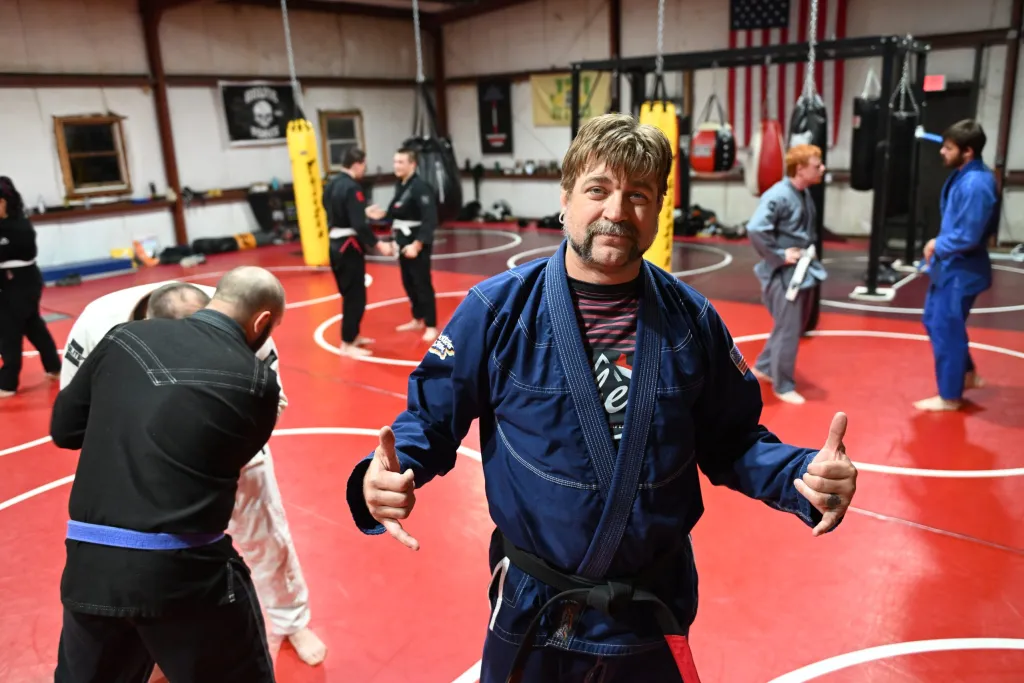
In our adult classes here in Orange, we see the same pattern again and again. When you train with a clear plan, supportive coaching, and safe intensity, you get the physical release you want, plus the mental clarity you did not realize you were missing. It is not about being a fighter. It is about learning to regulate your energy on purpose.
This article breaks down the specific MMA training habits that calm the mind, the techniques you can start using right away, and what you can expect if you are looking for Adult Striking in Orange, MA with a stress-relief mindset.
Why Mixed Martial Arts works as stress relief
Most stress-management advice is passive: rest, disconnect, slow down. Those tools can help, but many adults also need an active outlet, something that safely burns off tension while rebuilding focus. Mixed Martial Arts does both because it blends vigorous exercise with skill learning, breath control, and emotional regulation.
Here is what is happening under the hood when training starts to feel calming:
• Physical exertion helps discharge stored tension, especially in the shoulders, jaw, hips, and lower back where stress likes to live.
• Technical focus interrupts rumination because you cannot spiral and learn a combination at the same time.
• Breath-led pacing teaches you how to come down from intensity, which is the same skill you need after a hard conversation or a long workday.
• Routine creates reliability. When class is on the calendar, your stress has less room to take over the week.
A big misconception is that MMA is only stress relief if you go all-out. In reality, the most calming progress usually comes from controlled, repeatable training where you finish class feeling steadier than when you walked in.
Calm is a skill: what we train beyond techniques
A good Martial Arts School in Orange MA does more than teach strikes and defense. It teaches you how to show up in a certain state, even when your day started in the opposite one. In practice, that means we coach three things constantly: posture, breath, and decision-making.
When posture improves, breathing is easier. When breathing is easier, you make better decisions. When decisions improve, your confidence rises, and stress feels less personal and less permanent. That chain reaction sounds subtle, but you can feel it quickly, usually within a few weeks of consistent training.
Stress relief also comes from small wins. Hitting a pad with clean mechanics, remembering a combination without freezing, or simply making it through a warm-up you thought would crush you, those moments add up. They teach your brain: I can handle hard things, and I can recover.
The most calming parts of training (and why)
Not every training element feels calming in the moment. Some parts are demanding, especially at first. But the calm often shows up in the transitions and the consistency.
Rhythmic pad work
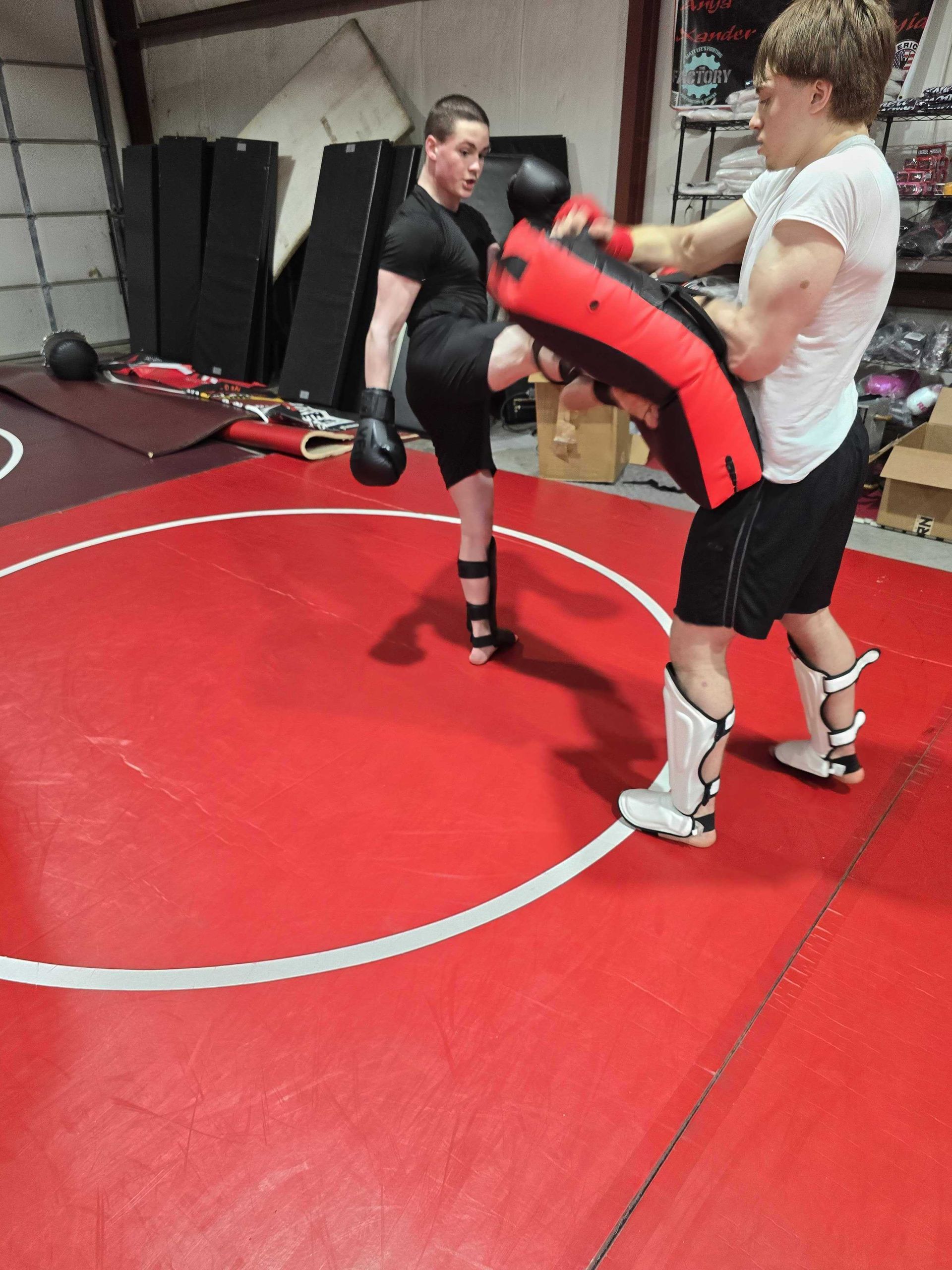
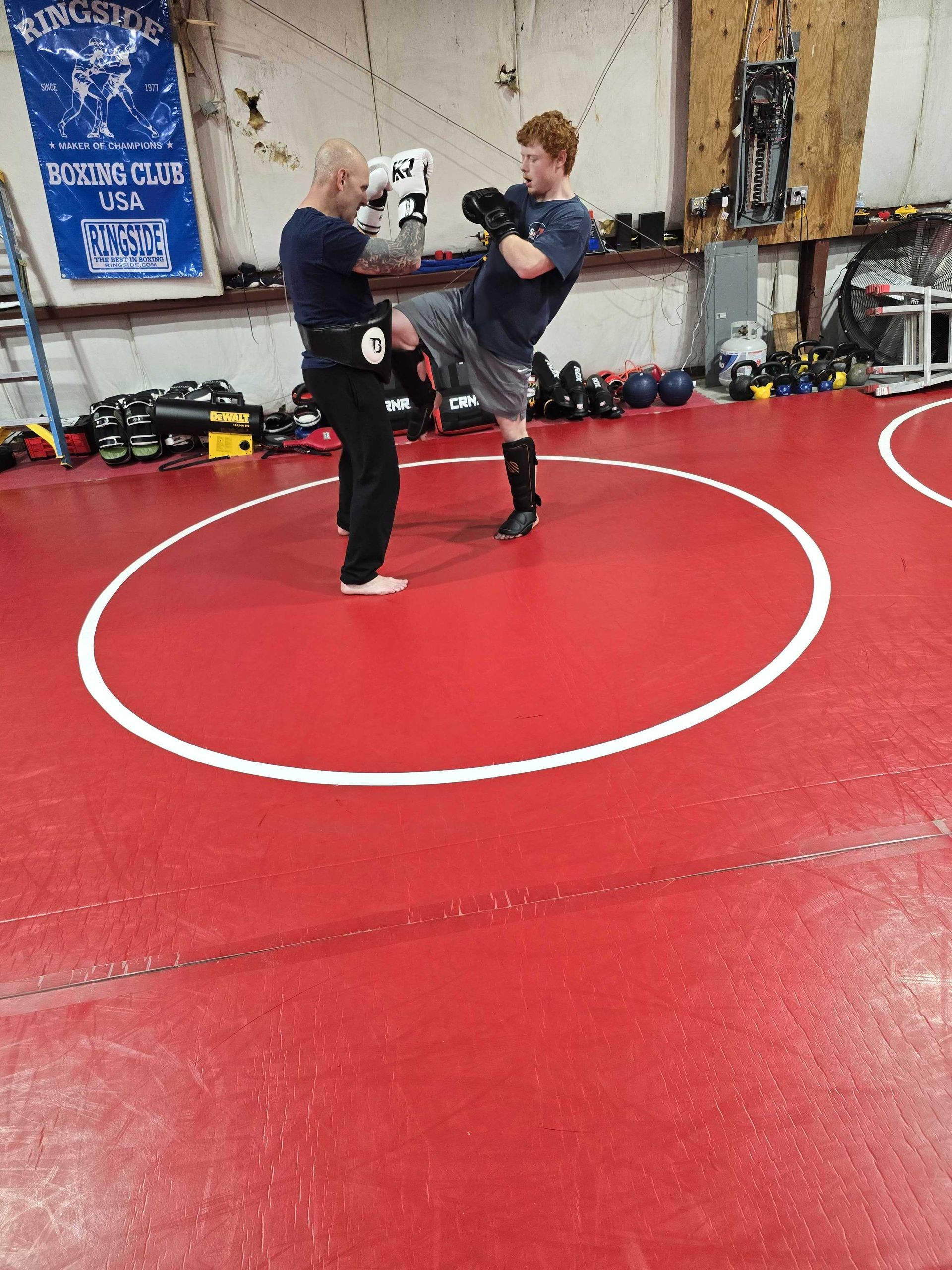
Pad work is intense, but it is also rhythmic. When you match your breath to your strikes, your nervous system gets a clear pattern to follow. Over time, that rhythm becomes a grounding tool. Your attention stops bouncing around and locks onto one task.
Repetition-based drilling
Drilling is where the mind gets quiet. Repeating a simple combination with small corrections forces you into the present moment. It is hard to worry about tomorrow when you are trying to keep your hands up, pivot your foot, and return to stance.
Controlled partner work
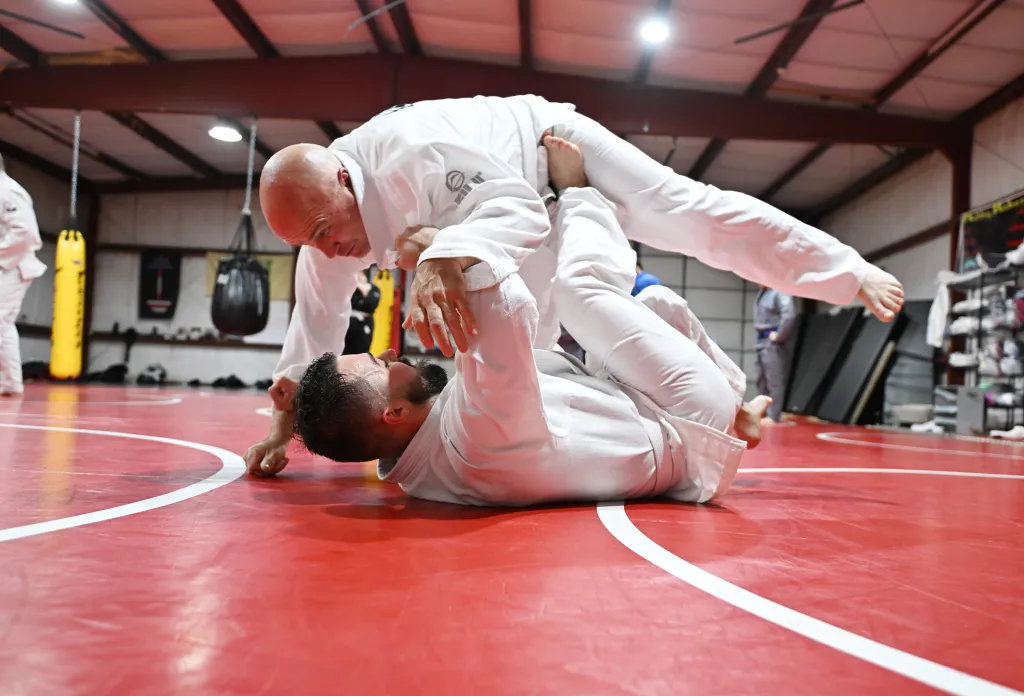
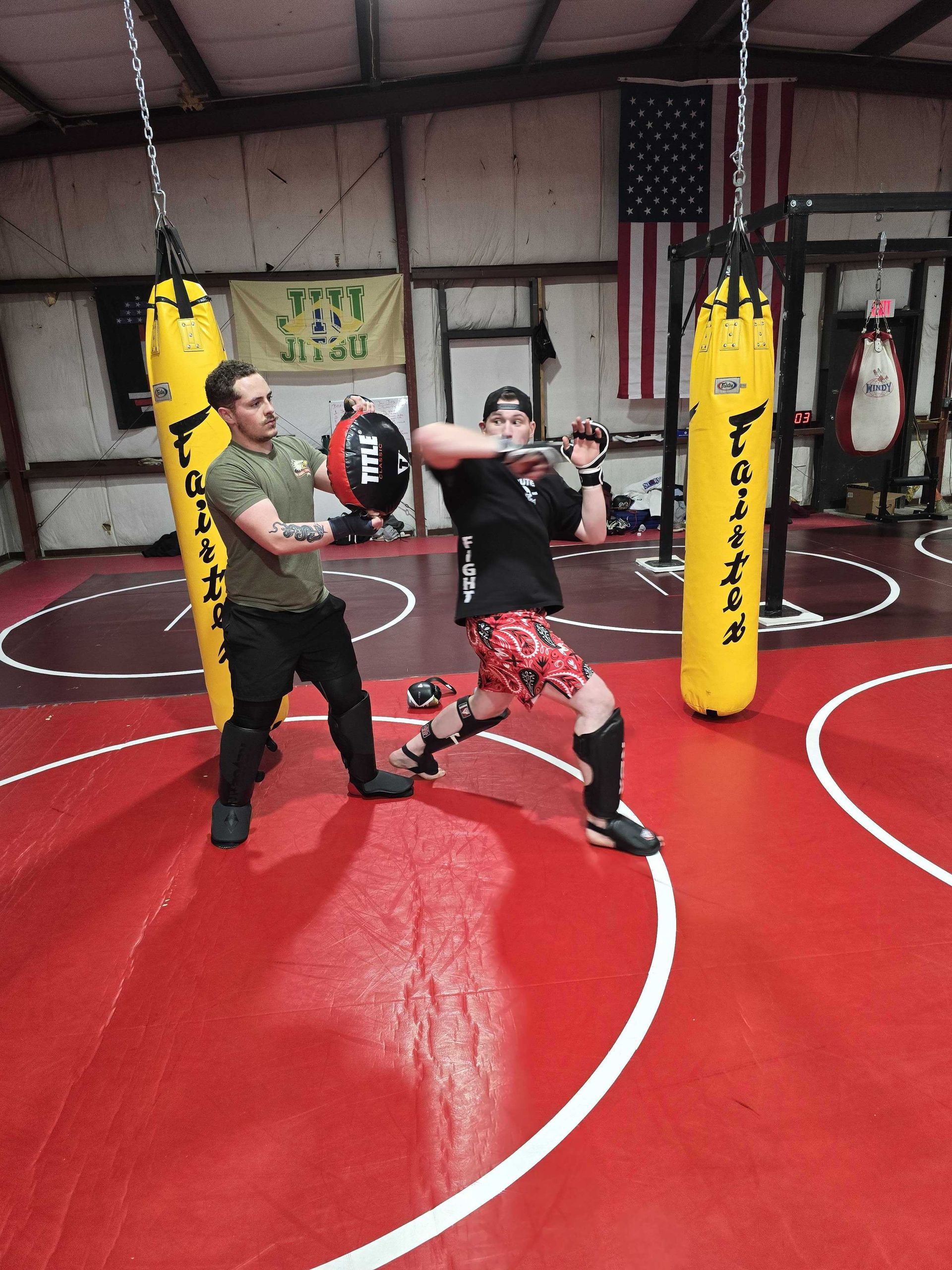
Good partner training is not chaos. It is cooperative learning with boundaries. When you work with someone who respects the drill, you practice staying relaxed while still staying alert, which is a powerful anti-stress skill in daily life too.
The cooldown you should not skip
Cooldown breathing and light movement are not an afterthought. They teach your body how to exit intensity smoothly. That is a form of emotional regulation training, whether you call it that or not.
Three calming techniques you can practice in class and at home
You do not need special equipment for stress-relief skills. You need consistency and a simple plan. These three techniques fit naturally into Mixed Martial Arts training, and you can also use them at your desk, in the car, or before bed.
1) Diaphragmatic breathing between rounds
Most adults breathe high in the chest when stressed. That keeps the body in a ready-for-danger posture. Diaphragmatic breathing is the opposite: slower, deeper, and more efficient.
Try this between rounds, or anytime you feel your shoulders creeping up:
1. Inhale through your nose for about 4 seconds, letting the belly expand.
2. Exhale slowly for about 6 to 8 seconds, letting the ribs soften down.
3. Drop your shoulders and unclench your jaw during the exhale.
4. Repeat for 4 to 6 breaths, then start the next drill.
This is not mystical. It is a practical way to tell your system, we are safe, we can recover.
2) Technique-first focus (the anti-spiral habit)
When stress is high, people tend to rush. In training, rushing usually makes everything messier: sloppy footwork, tight shoulders, held breath. The calming alternative is technique-first focus.
Pick one detail per round and commit to it. For example:
• Keep your chin tucked and eyes forward
• Return to stance after every strike
• Exhale on contact, every time
• Stay light on the feet rather than stomping
You will still work hard, but your attention stays anchored. That is the real stress-relief benefit: you practice directing your focus instead of chasing it.
3) Visualization before class or before stressful moments
Visualization is not about pretending everything is perfect. It is mental rehearsal, like a warm-up for your attention.
Before class, take 60 seconds and imagine:
• Walking in, wrapping hands, and starting the warm-up calmly
• Breathing steadily during pad work
• Making one small improvement, like cleaner foot position
You can use the same idea before a meeting or a tough conversation. Picture yourself breathing, speaking clearly, and staying composed. Your brain likes familiar pathways, and rehearsal helps.
Stress relief vs fight training: what is different
Some adults avoid MMA because they assume it is all hard sparring and aggression. That is not how we run stress-relief-focused training.
The biggest differences are pacing and purpose. We prioritize learning, safety, and sustainable progress. That means we emphasize drilling, pad work, controlled conditioning, and good cooldowns. Intensity has a place, but it is not random, and it is not the only measure of a good class.
If your goal is to manage stress, we coach you to leave with energy, not with exhaustion that wipes you out for two days. You should feel worked, but clear-headed. That is the sweet spot.
What to expect in Adult Striking in Orange, MA if you are new
Walking into a martial arts class can feel intimidating, even for confident adults. Most beginners are not worried about pain. They are worried about looking awkward. We get it, and we coach accordingly.
In a typical beginner-friendly striking class, you can expect:
• A warm-up that prepares joints and breathing, not a punishment workout
• Basic stance, footwork, and guard so you feel stable fast
• Simple combinations practiced slowly, then with a little more speed
• Pad rounds with coaching so you learn timing and control
• A cooldown that brings your heart rate down on purpose
You do not need to be in shape to start. Training is what builds shape. Your job is to show up, listen, and improve one small thing each session.
How often to train for stress relief (without overdoing it)
Stress relief comes from consistency more than intensity. For most adults, two classes per week is a strong starting point. It is frequent enough to build momentum, but not so much that you feel overwhelmed.
If your schedule is tight, once per week can still help, especially when you treat it like a non-negotiable reset. If you are able to add a third day, keep it lighter: more technique, more breathing, less grinding.
A helpful approach is to ask yourself after class: do I feel calmer and more organized mentally? If yes, you are pacing it well. If you feel fried and irritable, you might be pushing too hard, and we can adjust.
Simple ways to make your training more calming right away
Stress relief is not only what happens during class. It is also how you enter and exit the experience. These small habits make a bigger difference than people expect:
• Arrive a few minutes early so you are not rushing in hot from the day
• Hydrate before class because dehydration increases fatigue and irritability
• Keep your first rounds at 70 percent effort so your breath stays under control
• Ask us for one correction at a time rather than trying to fix everything at once
• Take the cooldown seriously, even if you love the hard part
Over time, you will notice the effects outside the gym: better sleep, less jaw tension, more patience, and a quicker reset after frustrating moments.
FAQ: honest answers for hesitant adults
Does MMA really help with stress?
Yes. Mixed Martial Arts combines vigorous movement with focused attention and breath control, which supports better mood and stress relief. Many adults also find the structure and routine are just as important as the workout.
What if I have anxiety or mental overload?
Training gives your mind a narrow, useful focus: what is my stance, what is my next breath, what is the next rep. That present-moment demand can be grounding, and we can scale intensity so it feels supportive, not overwhelming.
Do I have to spar?
No. Skill-building does not require jumping into sparring. We build comfort through drills, pad work, and controlled partner practice first, with clear expectations.
What should I wear?
Comfortable workout clothing is fine for a first class. If you have hand wraps or gloves, bring them, but if you do not, we will help you understand what you need and why.
I am not in shape. Will I slow everyone down?
No. Adults start at all fitness levels. We scale rounds, give options, and focus on progress, not perfection.
Take the Next Step
If you want a dependable way to decompress after work, sharpen your focus, and build real resilience, Mixed Martial Arts can be a surprisingly practical answer. The techniques are physical, but the payoff is often mental: calmer breathing, clearer thinking, and confidence that sticks around when life gets busy.
We built our schedule, coaching style, and Adult Striking in Orange, MA programs to help you progress safely and steadily, and Roberts Family Mixed Martial Arts is ready when you are to turn training into a weekly reset instead of another source of pressure.
Take what you learned here and apply it on the mats by joining a martial arts class at Roberts Family Mixed Martial Arts.
ACCESS OUR SCHEDULE
& EXCLUSIVE WEB SPECIAL
Secure your spot and get started today with our EXCLUSIVE offer!