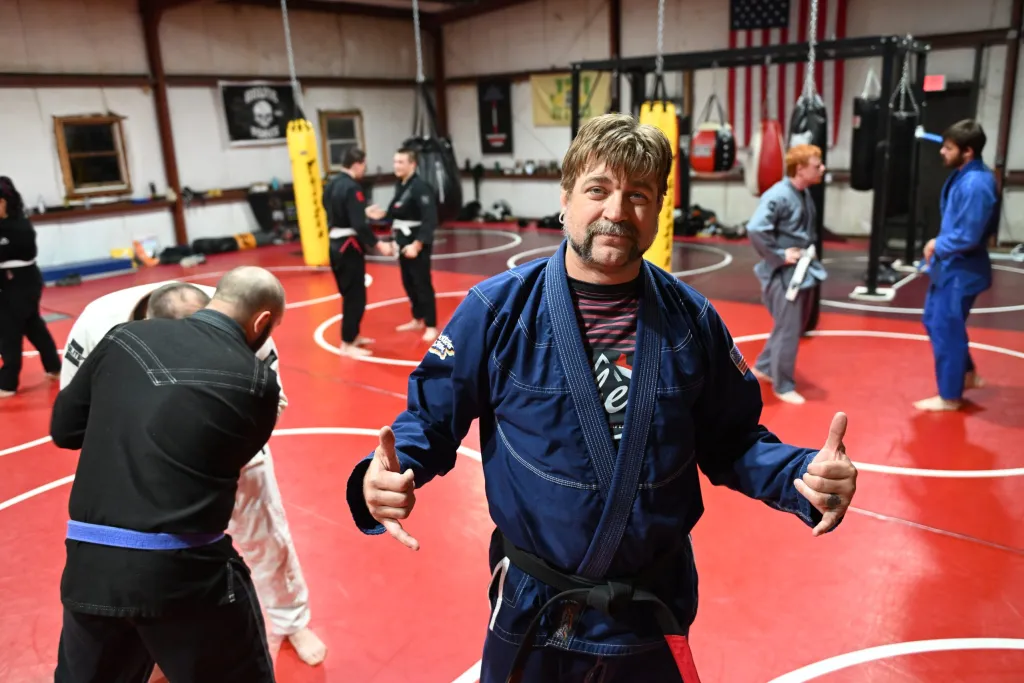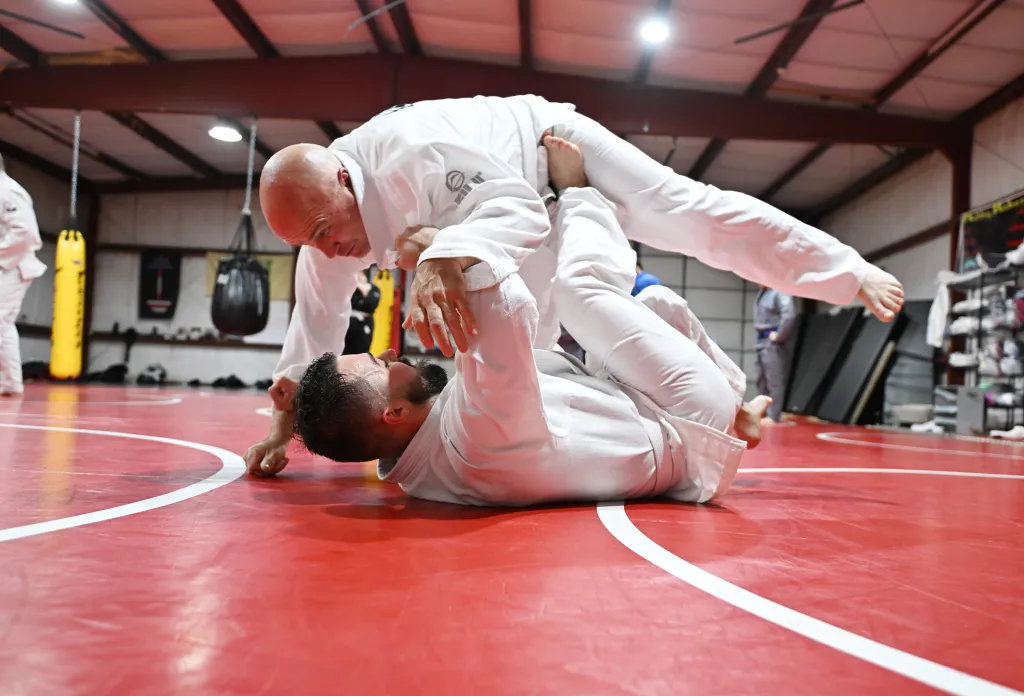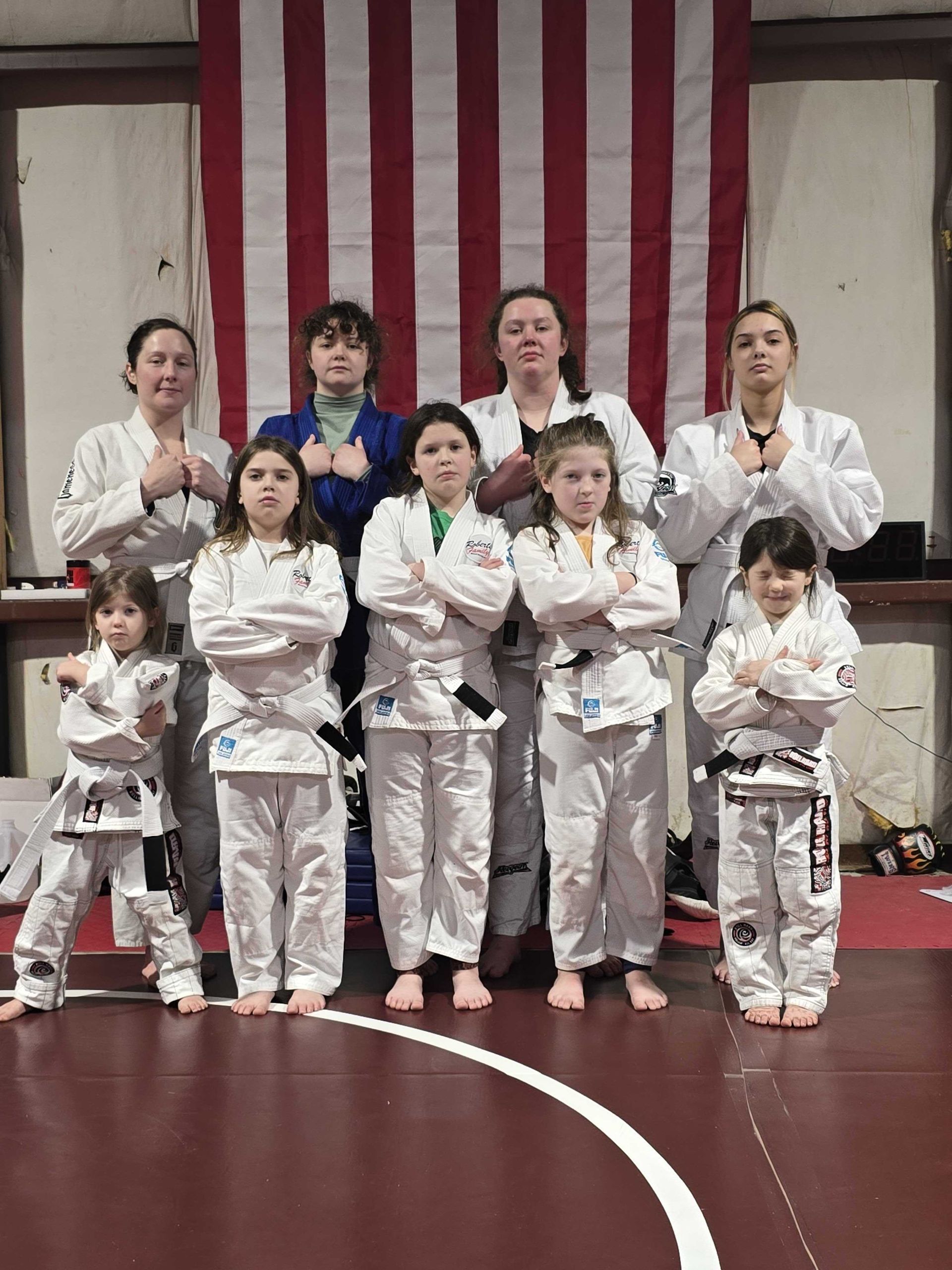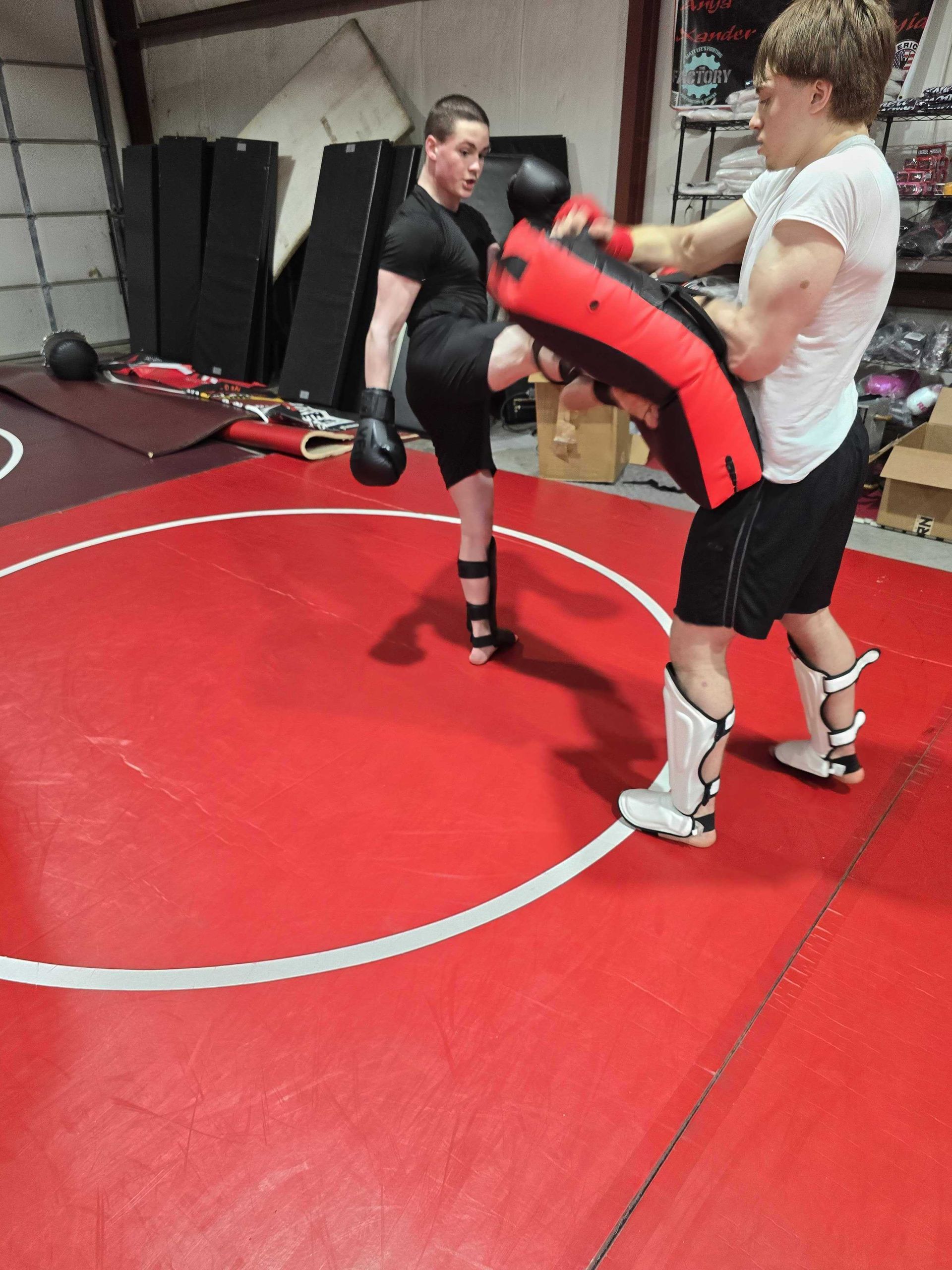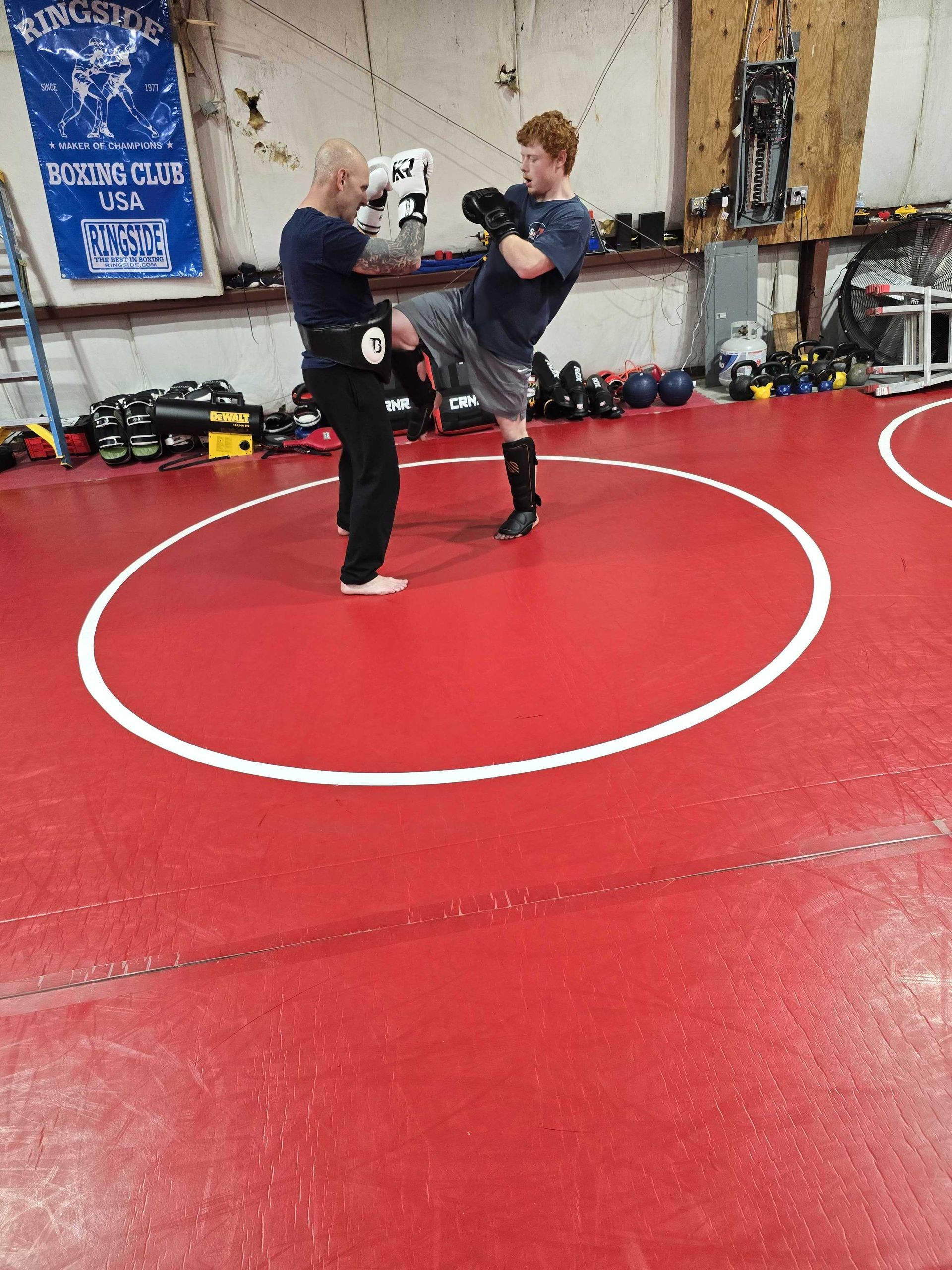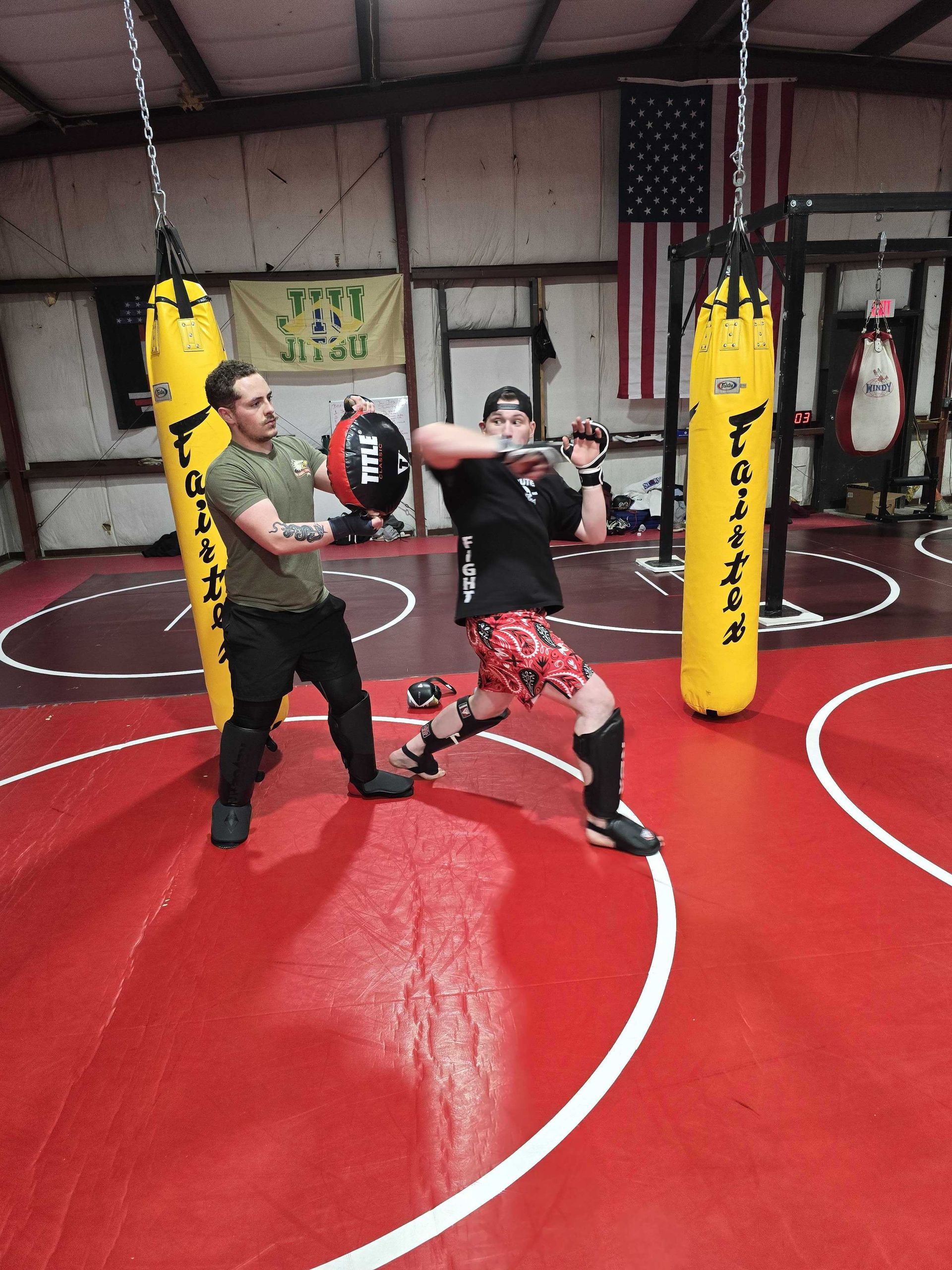

Mixed Martial Arts gives kids structure, confidence, and real-world skills, while giving parents a community they can actually count on.
Parents in Orange, MA juggle a lot: school routines, sports seasons, screen time, friend drama, and that constant question of how to help kids grow into capable, respectful people. When families look for an activity that checks more than one box, Mixed Martial Arts often ends up on the short list because it blends fitness, self-defense, focus, and character-building in one place.
We see it every week: a child who starts out quiet and unsure gradually stands taller, speaks up more, and takes correction without melting down. We also see teens who need a positive outlet find a routine that feels challenging in a good way. And for parents, it is reassuring to know your child is in a structured environment where safety and progress matter.
This article breaks down the top reasons families choose Mixed Martial Arts in Orange, and what you can expect from training when it is taught with purpose, control, and a real understanding of how kids learn.
Why Mixed Martial Arts fits what parents actually want
A lot of youth activities focus on just one outcome. Some are great for cardio but do not teach boundaries. Some teach discipline but do not feel physically engaging. Some are social but not structured. Mixed Martial Arts tends to work for families because it combines key developmental benefits in a single program.
We build classes around learning how to move well, stay calm under pressure, and practice skills safely with partners. That matters because the best results come from consistent training over time, not from one intense week. In a smaller community, parents also appreciate something year-round and close to home that supports routine and accountability.
Confidence that is earned, not hyped up
Parents often ask if martial arts will help with confidence and behavior, and the honest answer is that confidence grows when kids repeatedly do hard things in a supported environment. In Mixed Martial Arts, kids practice new skills, make mistakes, get coached, and try again. That cycle is powerful.
Our classes are designed so students can feel small wins quickly, then build on them. A new student might start by learning stance and movement, then basic strikes or simple grappling positions, then controlled partner drills. Over time, kids realize, I can handle this. That feeling often shows up at school, at home, and in sports.
Confidence also improves when kids learn how to speak clearly and follow directions. We keep expectations simple and consistent: listen, try, show respect, and stay in control. That structure helps students who need a little extra grounding, and it also helps high-energy kids learn how to channel intensity without losing control.
Practical self-defense that goes beyond just punching
Self-defense is one of the biggest reasons parents search for a martial arts school in Orange MA, and it makes sense. Families want training that feels realistic, not theatrical. Mixed Martial Arts stands out because it addresses multiple ranges: standing striking, clinch situations, and groundwork.
For kids and teens, self-defense should never be about looking for fights. Our approach emphasizes awareness, boundaries, and control. We teach students to recognize unsafe situations, use their voice, create space, and only use physical techniques when necessary and appropriate. We also focus on balance, posture, and getting up safely, because many real-life incidents involve slipping, being pushed, or ending up off-balance.
The practical benefit is not just the techniques. It is the ability to stay calmer. When a child learns what it feels like to work with a partner in a controlled drill, the unknown becomes more manageable. That can reduce panic and help kids make better choices.
Discipline and respect that shows up at home
Discipline is not about being harsh. For most families, it is about follow-through: finishing tasks, listening the first time, and doing the right thing even when nobody is watching. Mixed Martial Arts supports that because progress requires consistency.
We use clear routines: warm-ups, technique instruction, partner work, and review. Kids learn that effort matters. They also learn respectful behavior in a way that feels practical, not preachy. For example, waiting for a turn, keeping hands to themselves unless it is drill time, and treating partners with care are all built into training.
Respect goes both ways. We expect students to respect coaches and training partners, and we coach in a way that respects the student too. That balance helps kids take feedback without feeling embarrassed, which is a skill that transfers to school and family life.
Fitness that stays interesting enough to keep showing up
Some kids love running laps. Many do not. Mixed Martial Arts is a full-body workout, but it rarely feels like a boring workout. Students improve strength, coordination, flexibility, endurance, and balance while learning skills that feel meaningful.
Classes involve movement in multiple directions, not just straight lines. Footwork drills, controlled striking, and grappling fundamentals all challenge the body and brain. Over time, students often notice better posture, better stamina in gym class, and improved athleticism in other sports.
For parents, another underrated benefit is that training can become a healthy routine in a season when kids might otherwise default to screens. When the class schedule is consistent, it is easier to build habits. You do not have to reinvent the week every Monday morning.
Focus and emotional control in a world full of distractions
Focus is a skill, not a personality trait. Kids can learn it. In Mixed Martial Arts, focus is built into the training because students need to pay attention to detail: where their hands are, where their feet are, how to keep balance, and how to move safely with a partner.
We also teach students to regulate emotions in real time. If a drill feels frustrating, we coach them through it. If a student gets overly excited, we bring the energy down. That ability to shift gears matters for kids who struggle with impulsivity, and for teens who carry stress from school or social pressure.
Training also teaches patience. You do not master a technique in one day. Students learn to trust the process, and that mindset can be a big help when schoolwork gets tough or when confidence dips.
Resilience and a healthier relationship with challenge
One of the best long-term outcomes of martial arts is resilience. Kids learn that discomfort is not danger. They learn that being corrected is part of learning. They learn that a hard day does not mean they are failing.
In Mixed Martial Arts, resilience shows up in small moments: resetting after a mistake, trying again after getting stuck in a drill, or staying consistent even when progress feels slow. Those small moments add up. For parents, it is rewarding to watch a child handle frustration more calmly than before. It does not happen overnight, but it is very real.
We also keep training age-appropriate, which matters. Resilience is built by manageable challenge, not by overwhelming pressure. Our job is to push just enough for growth while keeping the environment safe and supportive.
A structured, year-round community for Orange families
In a smaller town, the best programs tend to be the ones that feel steady. Parents like knowing where to go, who will be there, and what the expectations are. Martial arts is naturally structured: students bow onto the mat, line up, practice, and improve step by step.
That structure creates community, too. Kids see familiar faces each week. They learn how to work with different partners, including people who are not already in their friend group. That social growth is subtle, but meaningful.
For parents, the community aspect often shows up as simple things: being greeted when you walk in, seeing coaches who know your child by name, and watching your child feel like part of something. It is not flashy, but it is a big reason families stick with training.
How we keep kids training safe and age-appropriate
Is MMA safe for kids? It is one of the first questions parents ask, and it should be. Safety comes from structure, supervision, and progressive training, not from luck.
We focus on control first. Students learn how to move, fall, and work with partners before we add complexity. Contact is introduced carefully and appropriately, and we use drills that prioritize technique and awareness. We also keep a close eye on matching partners and managing intensity so students can learn without fear.
Here is what safety looks like in a well-run class:
- Clear rules about control, respect, and stopping when a coach calls time
- Warm-ups that prepare joints and muscles for training, not random exhaustion
- Technique progressions that start simple and add layers only when students are ready
- Partner drills that teach cooperation, not aggression
- Coaching that corrects unsafe habits immediately, without shaming
When training is done this way, kids build skills while learning responsibility for their own bodies and for the safety of others.
What age is best to start?
The better question is often, what is your child ready for right now? Readiness depends on attention span, comfort with group instruction, and willingness to follow direction.
Many kids do great once they can participate in a structured class, take turns, and handle gentle corrections. Teens often benefit even if they have never trained before, especially when they want a confidence boost or a physical outlet that feels purposeful.
If you are unsure, a trial class usually makes the answer obvious. You can watch how your child responds to the environment, how coaches communicate, and whether the class feels appropriately paced.
How Mixed Martial Arts differs from more traditional martial arts
Parents sometimes ask how Mixed Martial Arts compares to other styles. The simplest explanation is that MMA blends multiple skill sets, usually including striking and grappling, and it tends to emphasize practical application.
That does not mean every class is intense fighting. In a family program, the focus is fundamentals: movement, balance, control, and technique. Kids learn how to protect themselves in multiple situations, and they learn athletic skills that carry over into everyday life.
If your main goal is practical self-defense plus fitness plus life skills, MMA often fits because it is versatile. It also keeps students engaged because training varies, while still following a consistent structure.
Adults can train too, and it helps the whole household
Parents are busy, but many also want their own outlet. Adult training can be a game-changer for stress, fitness, and confidence, and it pairs well with youth programs because it makes martial arts a shared family value, not just a kids activity.
We often talk with parents who start by watching from the sidelines and then decide to try a class. Adult Striking in Orange, MA can be a strong option if your goals include conditioning, learning technique, and building confidence in a controlled environment. It also helps when your child sees you learning something new, because it normalizes effort and humility.
Even if you do not train at the same time as your child, being in the same school community makes scheduling easier. It also creates shared language at home: goals, routines, and the idea that progress comes from consistent practice.
What you should look for when choosing a martial arts school in Orange MA
If you are searching for a martial arts school in Orange MA, you are not just picking an activity. You are choosing a training environment. The details matter because your child will absorb the culture as much as the techniques.
We recommend looking for these essentials:
1. Clean training space and clear safety rules that are actually enforced
2. Coaches who can explain techniques in a kid-friendly way, not just demonstrate
3. A beginner-friendly onboarding process so new students feel supported
4. A class schedule that makes consistency realistic for school nights
5. A clear progress path so your child knows what to work on next
When those pieces are in place, training becomes something your child can stick with, and that consistency is where the biggest benefits show up.
Take the Next Step
If you want an activity that builds confidence, discipline, fitness, and practical skills all at once, Mixed Martial Arts is hard to beat, especially for families who value structure and community. The best part is watching growth happen in real time: better focus, calmer reactions, and a stronger sense of self that carries into school and home.
We built our programs at Roberts Family Mixed Martial Arts to fit Orange families, with coaching that prioritizes safety, fundamentals, and steady progress for kids, teens, and adults. When you are ready, we would love to help you find the right starting point and a schedule that makes training feel doable.
Become part of a welcoming training community focused on growth at Roberts Family Mixed Martial Arts.
ACCESS OUR SCHEDULE
& EXCLUSIVE WEB SPECIAL
Secure your spot and get started today with our EXCLUSIVE offer!