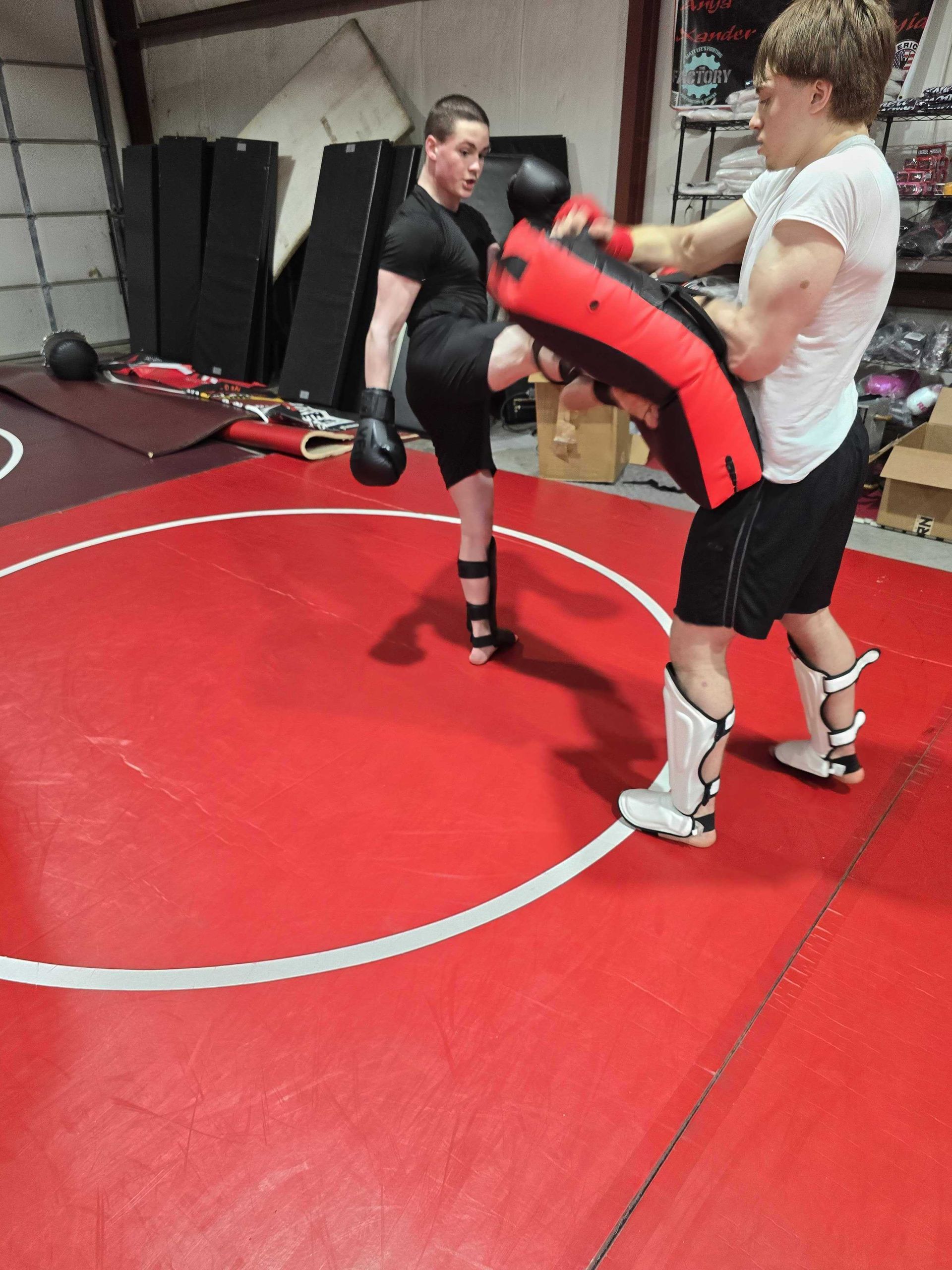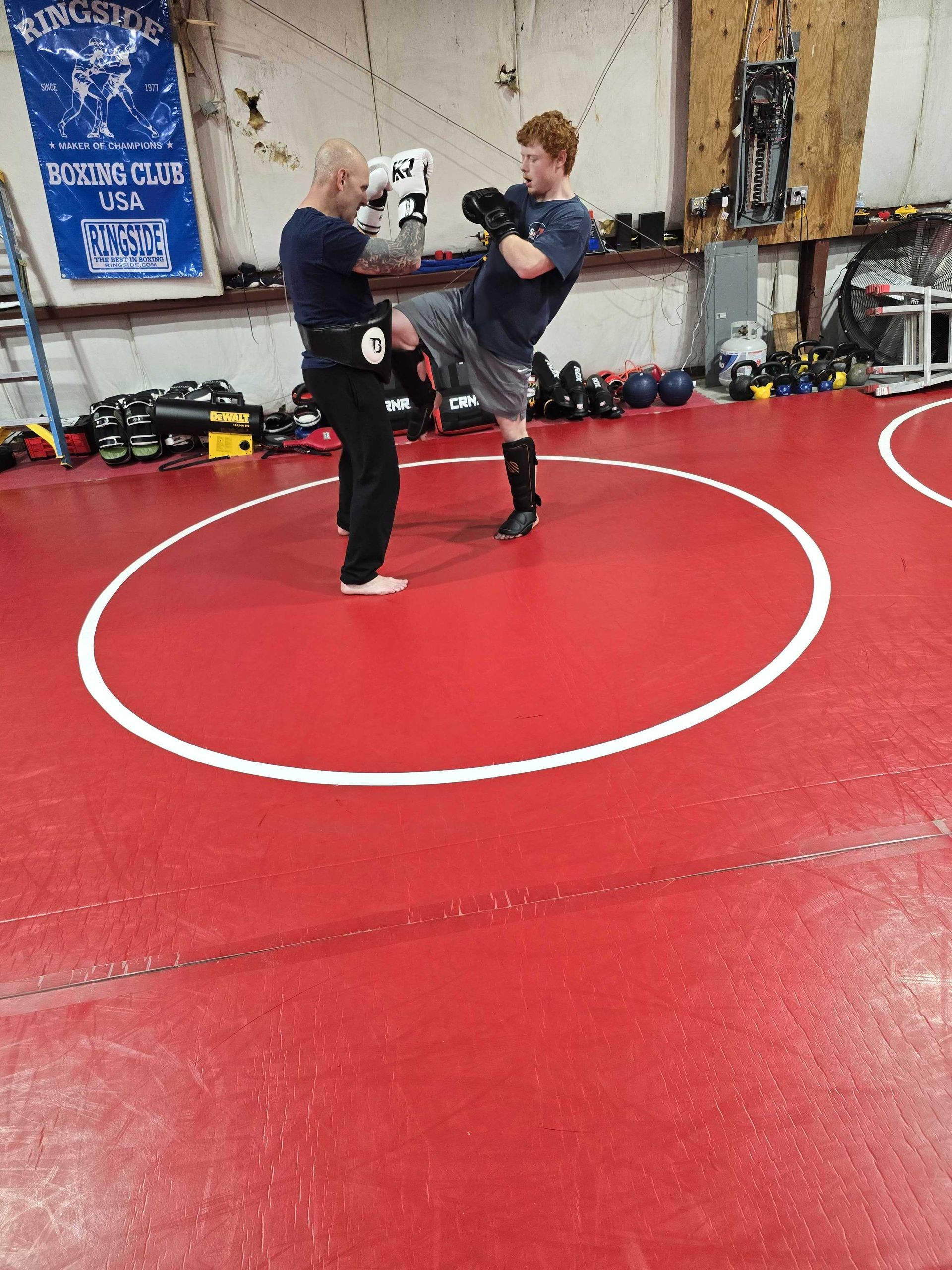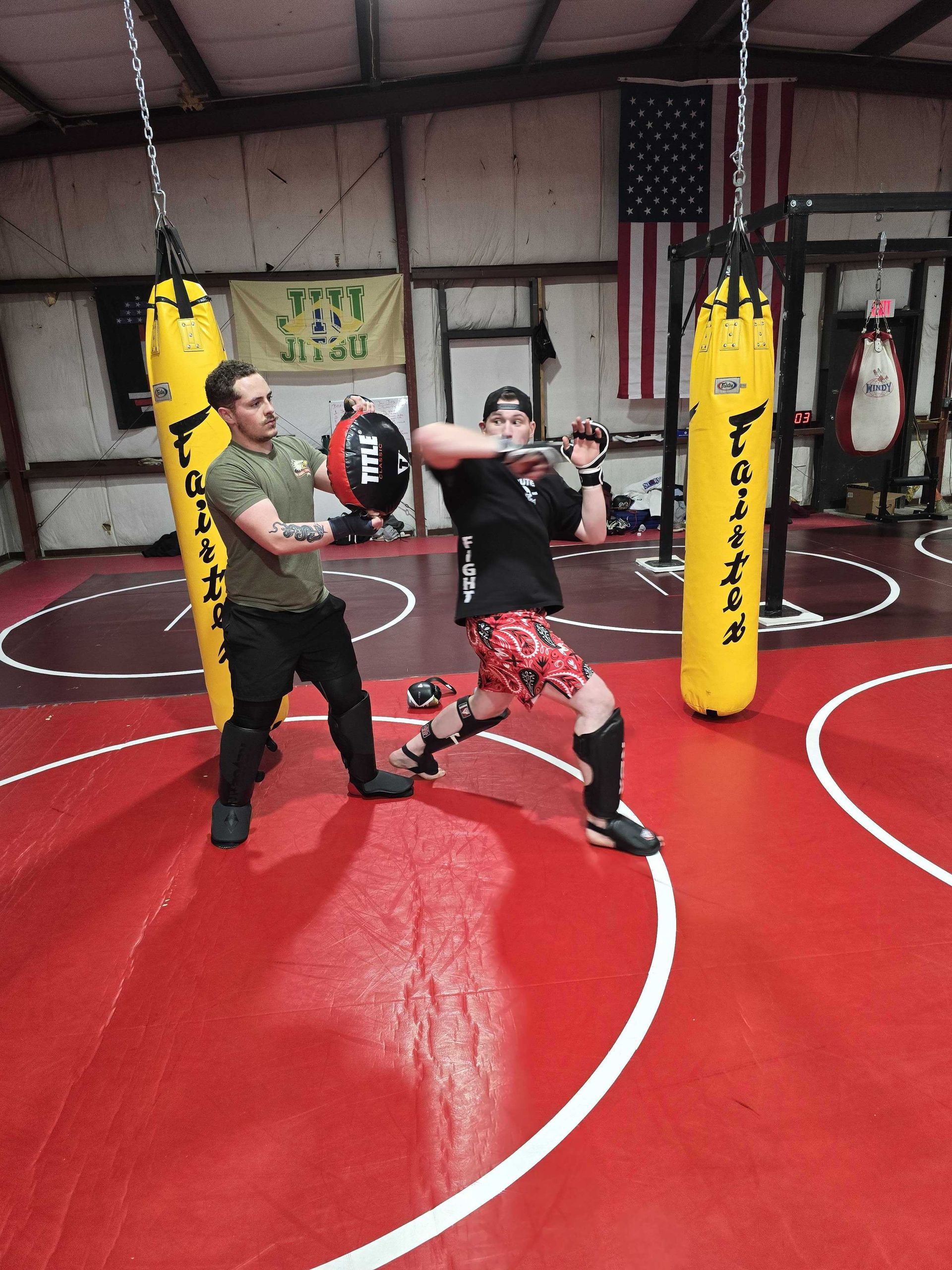
Ground-and-pound is one of the most effective techniques in mixed martial arts (MMA), allowing fighters to control their opponent while delivering powerful strikes. Whether you're a beginner looking to add ground control to your arsenal or an advanced fighter refining your skills, mastering ground-and-pound can give you a major edge in competition.
In this guide, we'll break down the fundamentals of ground-and-pound, explain why it's a crucial skill for MMA practitioners, and provide tips to improve your technique. If you're in Orange, MA, and want to sharpen your MMA skills, check out Roberts Family MMA for expert training.
The Importance of Ground-and-Pound in MMA
Ground-and-pound is a critical component of MMA for several reasons:
- Control: It allows you to dictate the fight by keeping your opponent on the ground.
- Damage: Effective striking on the ground can lead to knockouts or force an opponent to submit.
- Scoring Points: Judges score dominant ground control and effective striking highly in MMA matches.
- Self-Defense: In real-world scenarios, controlling an opponent on the ground reduces their ability to fight back.
Key Ground-and-Pound Positions
Before throwing strikes on the ground, you need to establish dominant positioning. Here are the most effective positions:
1. Full Mount
- You are sitting on your opponent’s torso.
- Provides maximum control and striking power.
- Best for delivering heavy punches and elbows.
2. Side Control
- You control your opponent from the side, pinning their upper body.
- Ideal for transitioning to other dominant positions.
- Allows for short, powerful strikes.
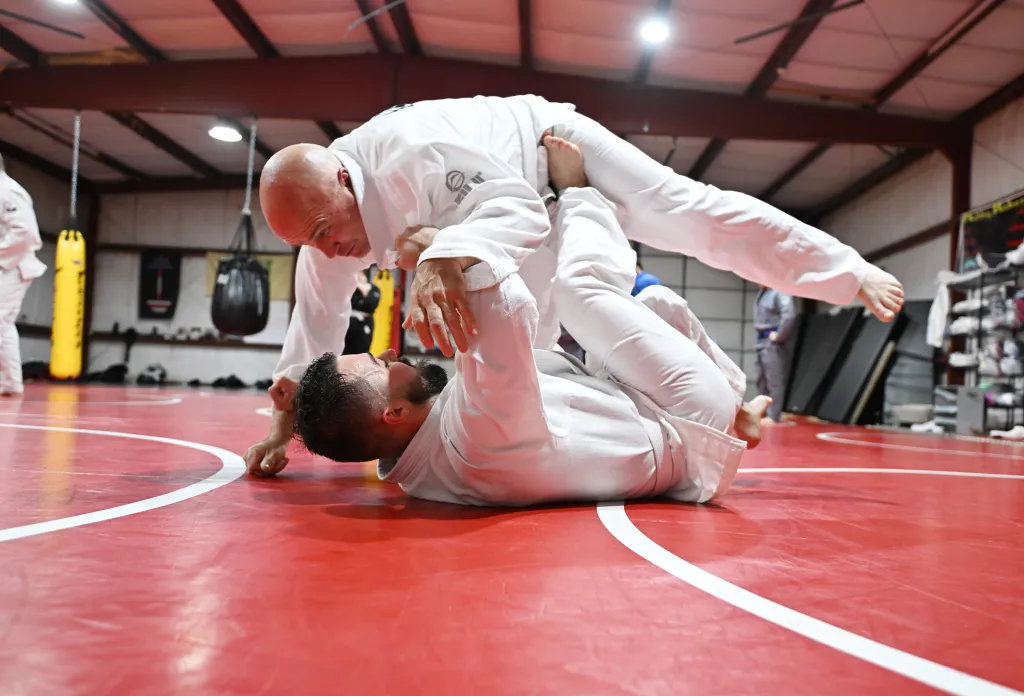
3. Half Guard (Top Position)
- Your opponent has one of your legs trapped.
- Offers striking opportunities while maintaining control.
- Best for setting up submissions and passing guard.
4. Back Mount
- You control your opponent’s back, often with hooks in.
- Allows for powerful strikes and rear-naked choke opportunities.
- One of the best positions for fight-ending sequences.
Techniques to Improve Your Ground-and-Pound
1. Posture and Balance
Maintaining a strong posture is key to delivering effective strikes while preventing sweeps and reversals.
- Keep your hips low for stability.
- Use your free hand to post and balance when striking.
- Avoid getting too high on your opponent, or they may escape.
2. Striking Efficiency
Effective ground-and-pound isn't just about throwing punches—it’s about precision and control.
- Mix up your strikes: Use punches, elbows, and hammer fists.
- Target the body and head to keep your opponent guessing.
- Strike in bursts to avoid tiring yourself out.
3. Controlling Your Opponent
Your opponent will try to escape—maintaining control ensures you keep the upper hand.
- Use your knees and elbows to pin their limbs.
- Maintain wrist control to prevent counterattacks.
- Pressure with your hips to keep them from scrambling.
4. Creating Space for Strikes
In certain positions, your opponent will try to tie up your arms and limit your ability to strike.
- Use your forearms to push and create space.
- Adjust angles to find openings for punches and elbows.
- Change levels to keep your opponent off balance.
Drills to Improve Ground-and-Pound
1. Heavy Bag Ground Striking
- Mount a heavy bag and practice controlled punches and elbows.
- Focus on accuracy, power, and movement.
2. Partner Positional Sparring
- Start in dominant positions and practice maintaining control while striking.
- Switch partners to experience different resistance levels.
3. Ground-and-Pound Pad Work
- Have a partner hold pads while you work on strikes from mount and side control.
- Focus on speed and accuracy.
4. Grappling with Striking
- Lightly spar with controlled ground strikes to simulate real fight scenarios.
- Work on transitioning between positions while maintaining strikes.
Common Mistakes to Avoid
- Overcommitting to Strikes
- Swinging too hard can cause loss of balance.
- Ignoring Positioning
- Striking without control can lead to escapes.
- Gassing Out Too Quickly
- Pacing is crucial—don’t exhaust yourself too soon.
- Not Mixing Up Strikes
- Varying your attacks keeps your opponent guessing.
FAQs About Ground-and-Pound
Is ground-and-pound legal in all MMA organizations?
Yes, but some organizations have restrictions on elbow strikes and strikes to the back of the head.
Do I need striking experience to learn ground-and-pound?
No, but a background in boxing or Muay Thai can help you develop better striking mechanics.
How do I practice ground-and-pound without a training partner?
Use a heavy bag or grappling dummy to work on strikes and positioning.
What martial arts are best for ground-and-pound?
Wrestling, Brazilian Jiu-Jitsu, and Muay Thai all contribute to strong ground striking.
To Put it Simply
Mastering ground-and-pound can transform your MMA game, making you a more dominant and well-rounded fighter. By focusing on positioning, control, and striking efficiency, you'll gain a significant advantage over your opponents at Roberts Family Mixed Martial Arts.
Want to take your MMA skills to the next level? Book a free trial class at Roberts Family MMA in Orange, MA, today! Our expert instructors will help you refine your techniques and build your confidence in the cage. Contact us now to get started!
ACCESS OUR SCHEDULE
& EXCLUSIVE WEB SPECIAL
Secure your spot and get started today with our EXCLUSIVE offer!