Jiu jitsu gives you a practical plan for staying safe, even when a situation goes to the ground.
If you live in Orange, MA, you already know the tradeoff of small-town life: more breathing room, fewer crowds, and sometimes fewer convenient options for specialized training. That matters when your goal is real self-defense, not just a workout. We built our jiu jitsu program to be accessible, beginner-friendly, and genuinely useful in the situations that make most people nervous.
Brazilian Jiu-Jitsu has grown to around 6 million practitioners worldwide, with roughly 750,000 in the United States, and interest has climbed fast over the last decade. That growth isn’t just hype. Jiu jitsu works because it focuses on leverage, control, and decision-making under pressure, which is exactly what you want if you ever need to protect yourself.
In this roadmap, we’ll show you what to expect as a beginner, how we keep training safe and realistic, and how to start training consistently in Orange without feeling overwhelmed.
Why jiu jitsu is one of the most practical self-defense skills you can learn
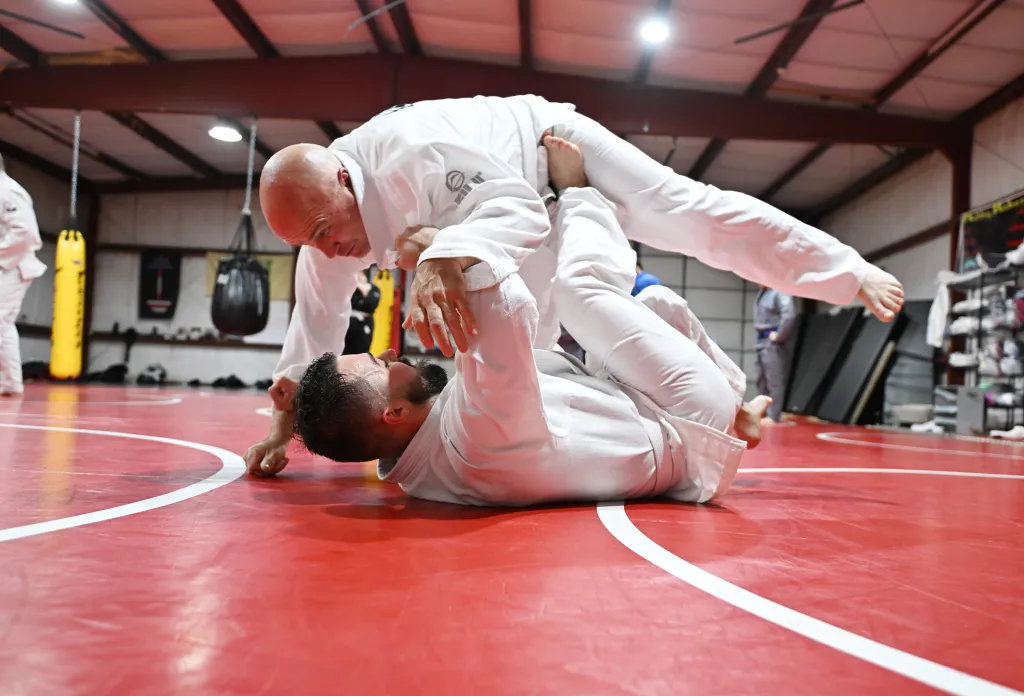
Most real altercations turn chaotic quickly. Distance closes, balance breaks, and someone ends up clinched, pushed against something, or on the ground. Jiu jitsu prepares you for that reality by teaching you how to control position, create space, and safely get back up when it counts.
We also like that jiu jitsu scales to the person training it. You do not need to be the strongest person in the room. You need a system you can practice, repeat, and improve. That is where technique shines: frames, hip movement, posture, grips, and angles that let you manage bigger pressure without panicking.
Because our focus is self-defense first, we coach you to think in simple priorities:
Control the distance, protect your head, improve your position, then escape or stabilize. When you train those priorities every week, your responses start to feel a lot more automatic.
What beginners in Orange, MA usually worry about (and what actually happens)
Starting something new is always a little awkward. Most beginners worry about fitness, injuries, and not knowing what to do with their hands and feet. That is normal, and we plan for it.
Concern 1: “I’m not in shape yet”
You do not need to “get in shape” before you start. Training is what builds the conditioning. Early on, we pace you through fundamentals, short rounds, and controlled drilling so your lungs catch up while your technique improves. Within a few weeks, most people notice everyday benefits like better mobility, less stiffness, and more steady energy.
Concern 2: “I don’t want to get hurt”
Injury risk is real in any contact sport. A 2019 study found that 59.2 percent of athletes reported at least one injury in the prior six months, especially for people training very frequently. We take that seriously, and our approach is simple: structured warmups, progressive intensity, and clear rules for tapping early. We would rather you train for years than “win” a Tuesday night round and miss a month.
Concern 3: “Is this actually useful for self-defense?”
Yes, when trained with the right intent. Sport jiu jitsu can get very technical, but self-defense jiu jitsu stays grounded in common problems: standing up safely, controlling someone who is grabbing you, and avoiding bad positions. We keep your training connected to those problems, not just fancy finishes.
Your beginner roadmap: what to expect in the first month
One of the biggest reasons people quit any martial art is uncertainty. If you know what the early path looks like, you can relax and just put the reps in. Here is how we typically guide brand-new students.
Week 1: Safety, posture, and tapping
We start with how to move on the mat without getting twisted up: base, posture, and safe falls. You will learn how tapping works (and why it is a skill, not a weakness), and we introduce positions in plain language. By the end of week one, you should understand what “guard,” “mount,” and “side control” mean, even if you cannot hold them for long yet.
Week 2: Escapes you can use right away
If your goal is self-defense, escapes matter early. We teach you how to protect your neck, frame with your arms, use your hips, and recover to a safer position. This is where beginners start to feel the “aha” moment: you realize you can survive pressure without brute strength.
Week 3: Control and getting back up
Self-defense is not about staying on the ground longer than necessary. We focus on stabilizing positions and building a clean path to standing. You will practice controlling someone long enough to create space, then getting to your feet in a balanced way.
Week 4: Connecting the pieces under light pressure
Now we start linking: escape to guard, guard to stand, stand to disengage. Pressure increases, but in a measured way. The goal is not to overwhelm you. The goal is to help you keep your thinking brain online while your body is working.
What you will learn in our adult jiu jitsu program in Orange
We keep training practical, but we also keep it enjoyable. You should leave class feeling challenged and sharpened, not beaten up. Our adult jiu jitsu Orange MA students tend to appreciate that we emphasize fundamentals that hold up under stress.
Here are core skills we build consistently:
- Position awareness so you know where you are, what is dangerous, and what is safe
- Escapes from bottom positions using frames, hip movement, and timing
- Clinch control concepts like posture, underhooks, and balance disruption
- Top control fundamentals that prioritize stability before submissions
- Simple submissions that work because the position is right, not because you are forcing it
These skills support both self-defense and sport goals. If you eventually want to compete, the foundation transfers. If you never want to compete, you still gain the ability to protect yourself in a realistic way.
Gi vs no-gi: which is better for self-defense in Massachusetts?
We train with the idea that both formats teach valuable lessons. In Massachusetts, most of the year you are wearing some kind of layers. Gi training helps you understand grips, posture, and control when clothing is involved. No-gi training helps you manage faster movement, sweat, and tighter scrambling, which can feel closer to real-world unpredictability.
If your priority is self-defense, we usually recommend you experience both over time. Your body learns different kinds of control and different kinds of mistakes. And yes, you will make mistakes. That is part of it.
How we keep training realistic without turning it into chaos
Realism is not the same thing as aggression. Good self-defense training builds skill under increasing pressure, not panic. We keep the environment respectful and structured so you can learn fast without feeling like you are “surviving” every class.
Our coaches emphasize three practical training habits:
Start slow enough to learn the movement correctly, then add resistance
Use positional sparring so you repeat the exact scenario you care about
Choose training partners who help you improve, not just “win”
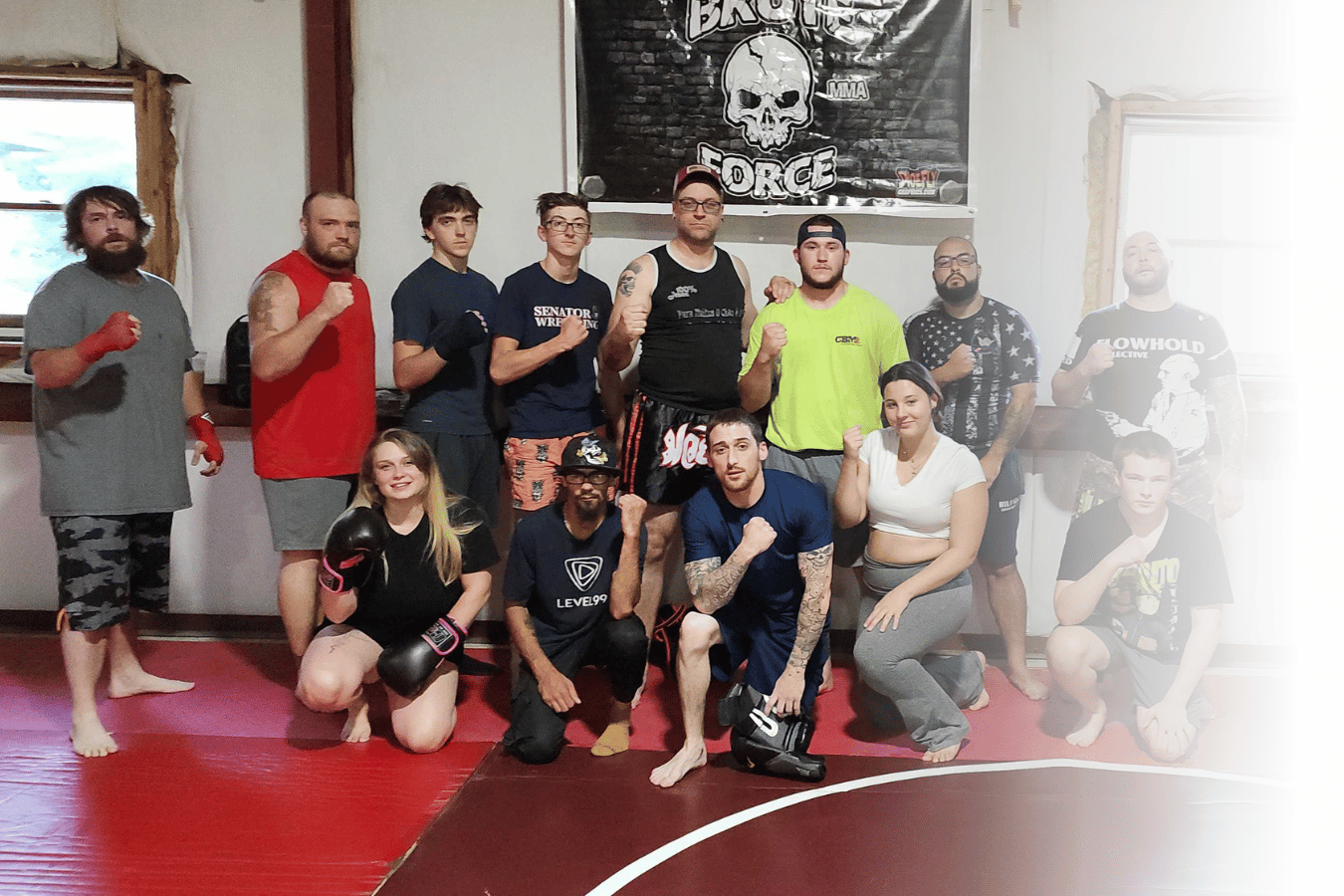
That approach also fits our community in Orange. People here want training they can stick with. Consistency beats intensity that burns you out.
Costs, gear, and scheduling: the practical side of starting
Most adults want the details upfront. While pricing varies by region, nearby states show average monthly dues around $131 to $173, and New England trends often land in that general range. We keep membership options straightforward and we can walk you through what makes sense based on how often you can realistically train.
Gear is simpler than many people expect. You can start minimal and build over time.
A simple beginner setup usually looks like:
1. A rashguard and athletic shorts or leggings for no-gi classes
2. A water bottle and a small towel because training gets sweaty fast
3. A mouthguard if you prefer extra peace of mind during live rounds
4. A gi if you plan to train in gi classes, which we can help you size
If you are trying to manage injury risk, 2 to 3 classes per week is a smart starting rhythm. It is enough repetition to improve, without overloading your joints and recovery.
How progress really works: belts, confidence, and measurable wins
People ask about belts because it is a clear milestone. In reality, the first big win is not a color around your waist. It is the moment you stop freezing when you get stuck. You start breathing, framing, and moving with purpose.
If you train consistently, many students reach blue belt in roughly 1 to 2 years, but your timeline depends on attendance, focus, and how you approach learning. We like setting process goals you can control:
Show up a certain number of times per month
Improve one escape until it feels automatic
Track how quickly you can recover guard or stand up safely
And because jiu jitsu is a live skill, you will feel improvement in small, specific ways: tighter posture, better balance, calmer reactions. Those add up.
Jiu jitsu in Massachusetts is growing, and Orange deserves local access
Across the state, competitive results have been trending up, including nine medals in 2025 with a strong share of gold. Even if you never compete, that statewide momentum matters because it reflects deeper knowledge, better coaching standards, and more people training seriously.
Orange is smaller and more rural, which can make access tricky. That is exactly why we focus on building a reliable training home locally. You should not have to plan your whole week around a long drive just to get quality instruction. When training is close, you can be consistent, and consistency is what builds real self-defense skill.
Take the Next Step
If you want jiu jitsu that stays focused on real self-defense, steady progress, and a welcoming training room, we built our approach to meet you where you are. You can start as a complete beginner, train at a sustainable pace, and develop skills that hold up under pressure without feeling like you have to be an athlete on day one.
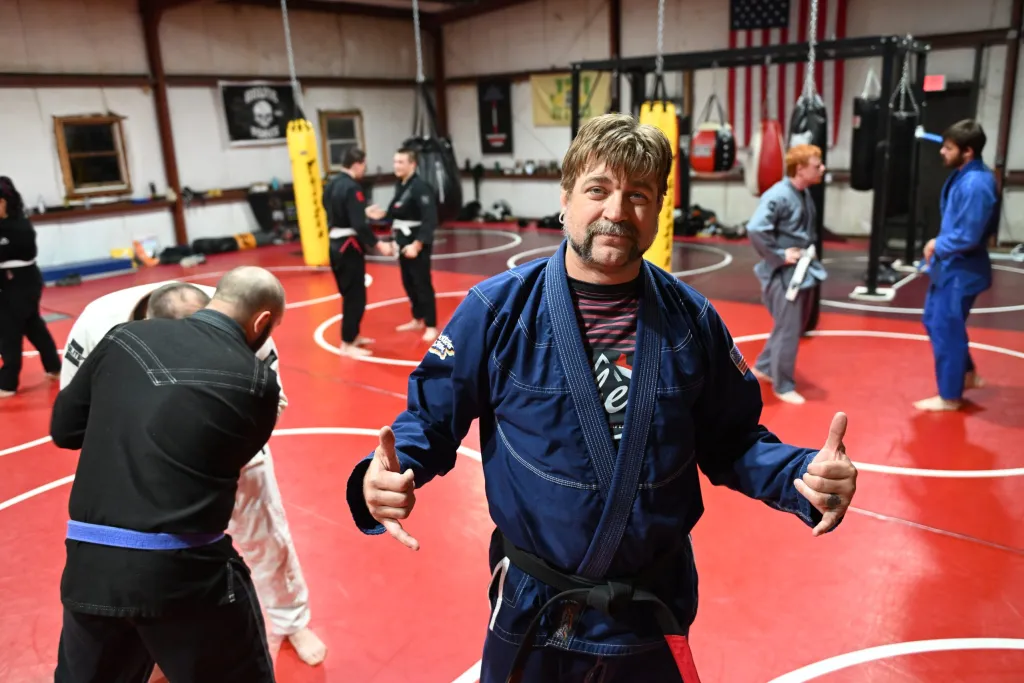
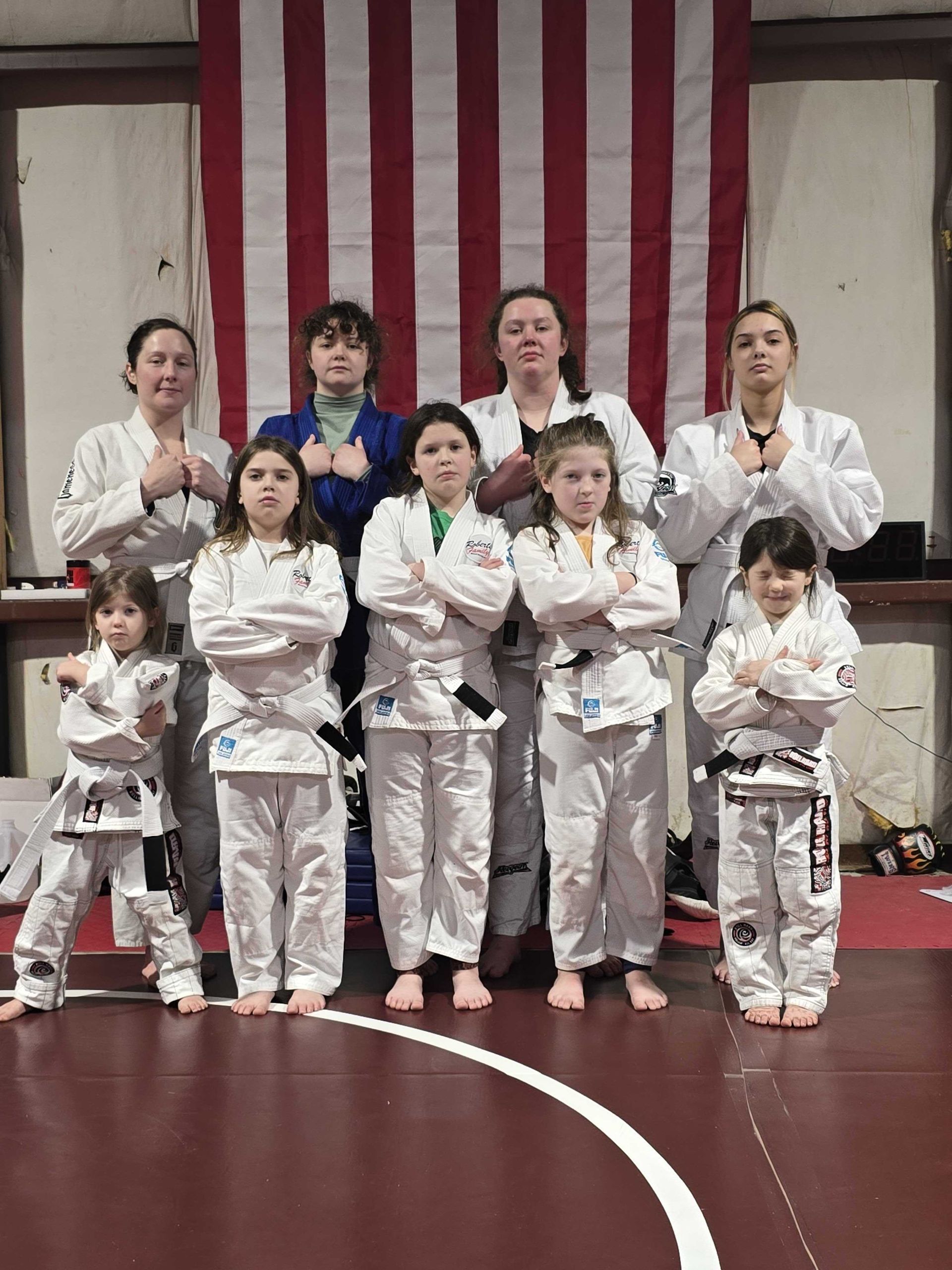
At Roberts Family Mixed Martial Arts, we keep the path clear: fundamentals first, safety always, and training that fits life in Orange, MA. When you are ready, we will help you take the first step and keep building from there.
Put these techniques into practice by joining a martial arts program at Roberts Family Mixed Martial Arts.
ACCESS OUR SCHEDULE
& EXCLUSIVE WEB SPECIAL
Secure your spot and get started today with our EXCLUSIVE offer!