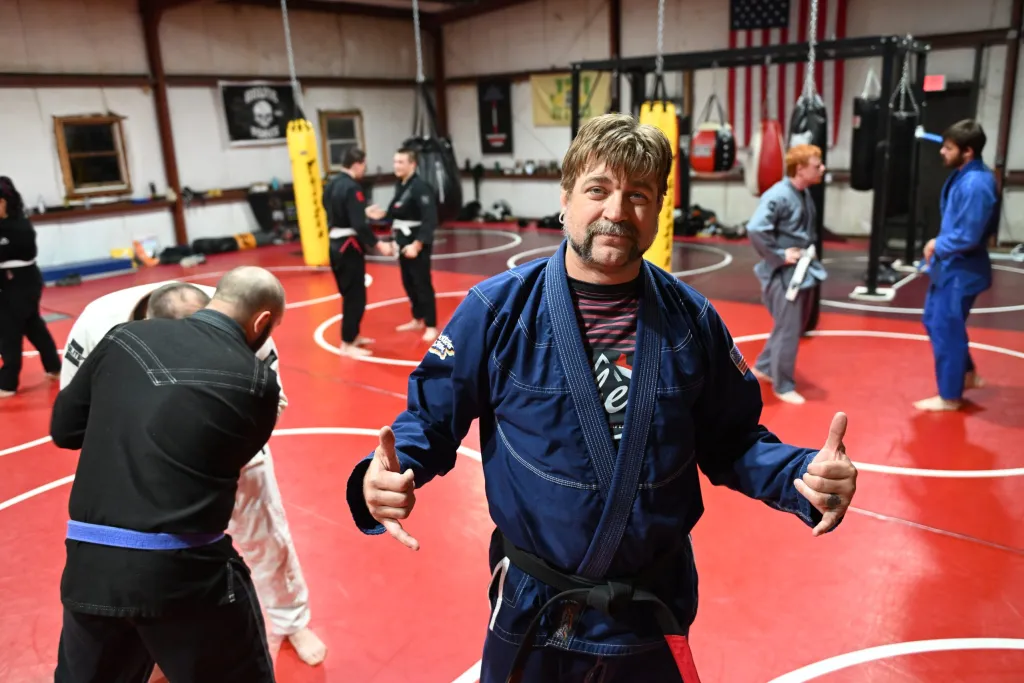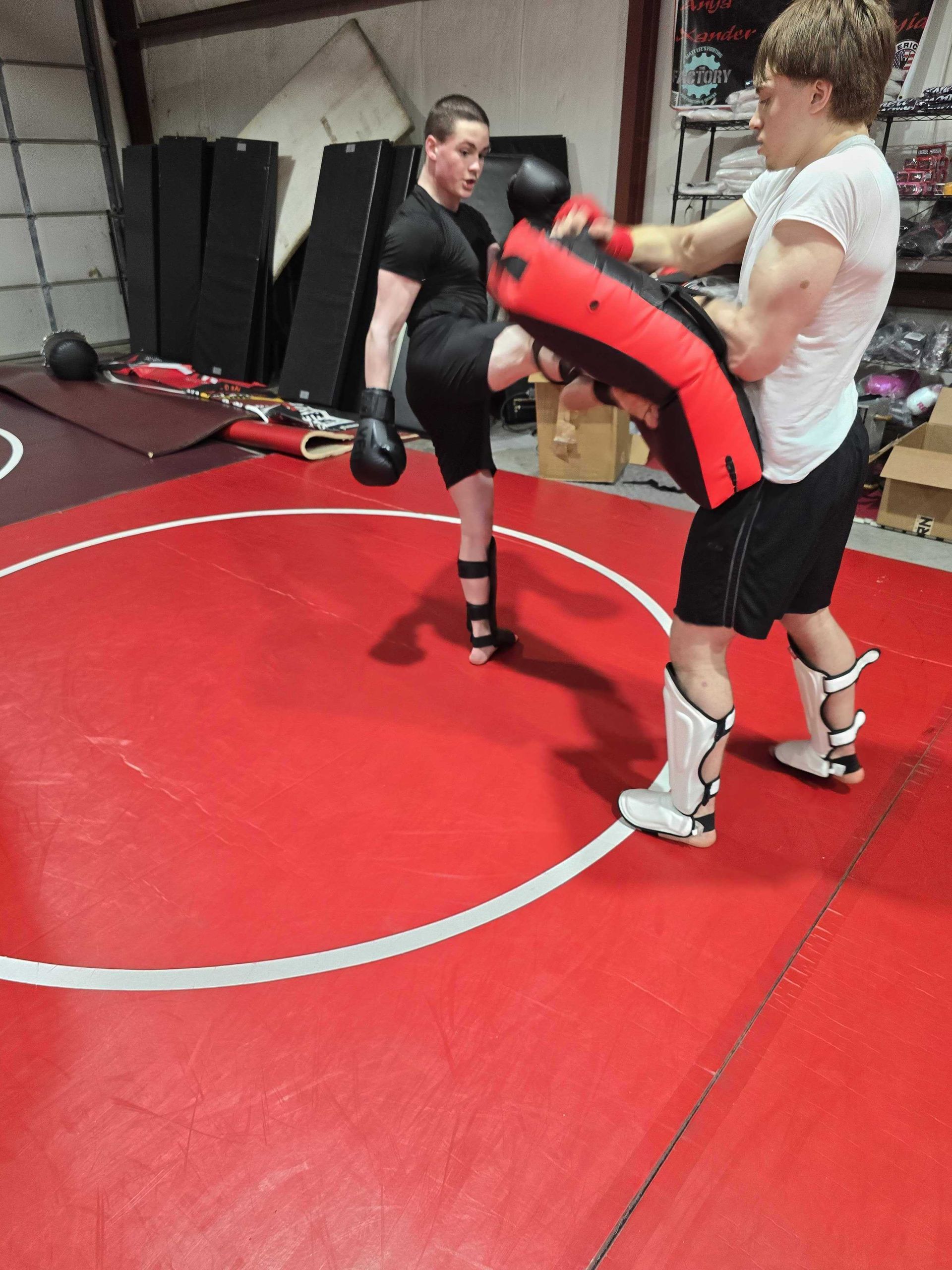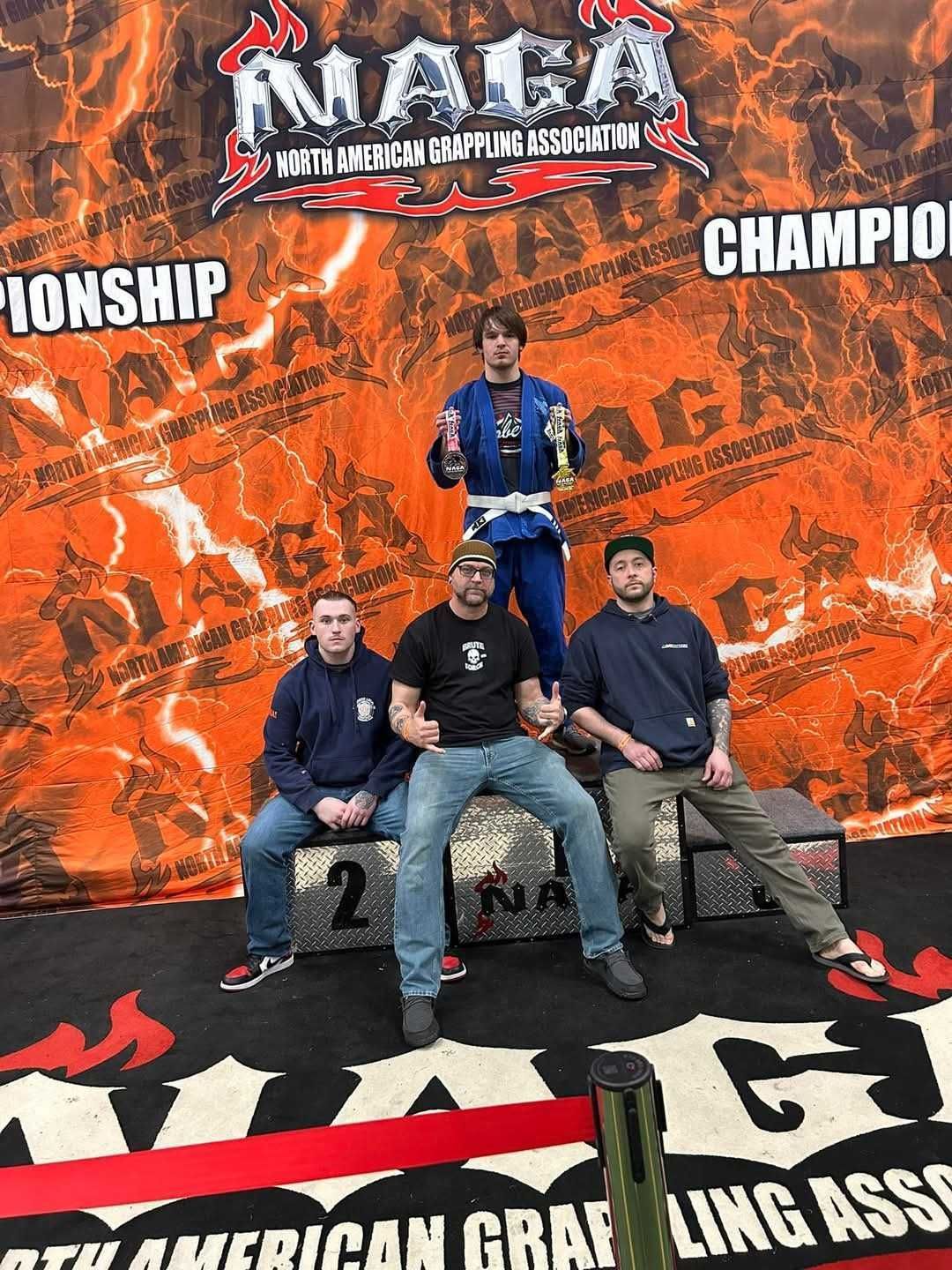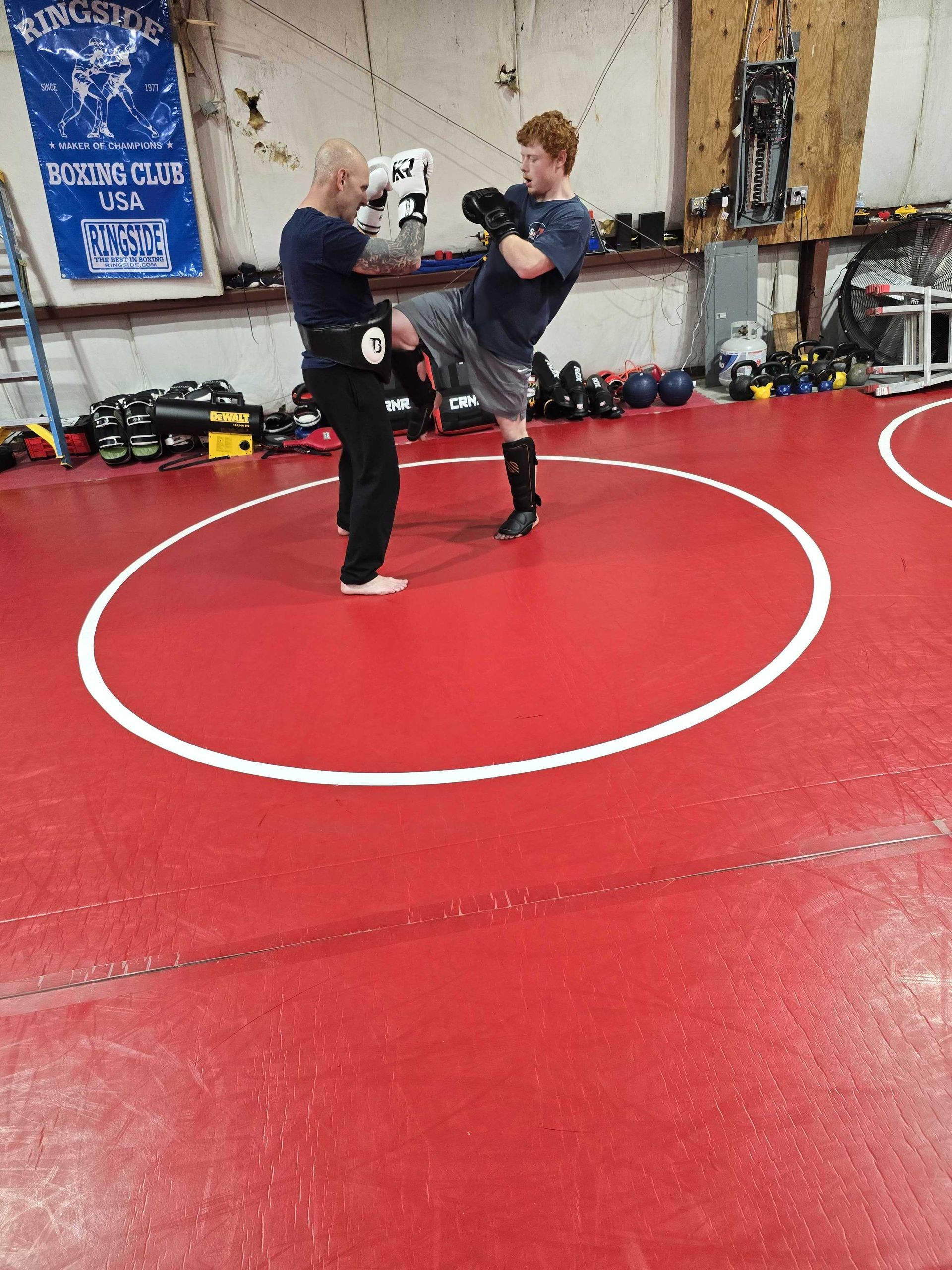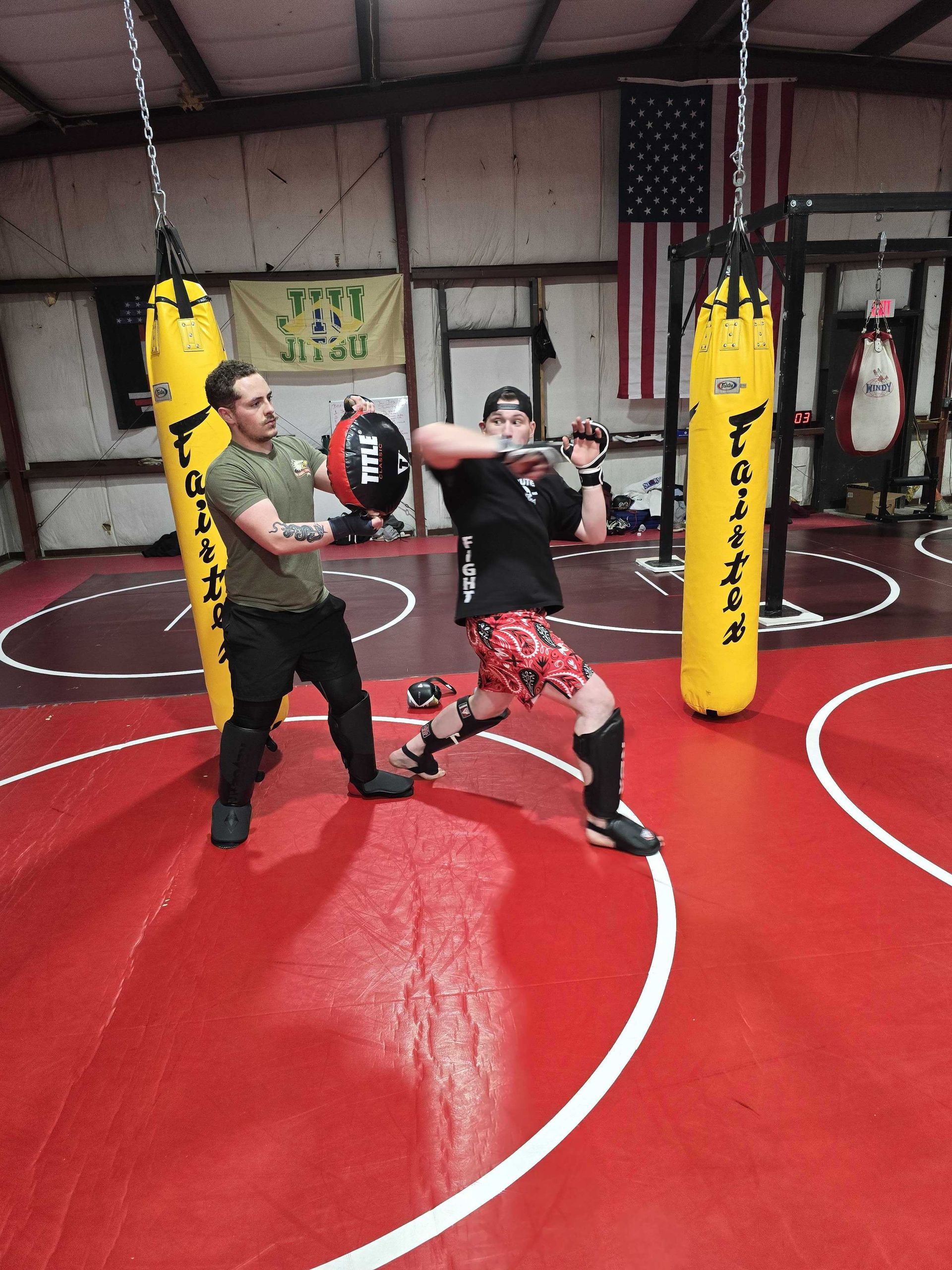
Jiu jitsu gives you a practical way to feel safer, get fitter, and stay calm under pressure, even if you are starting from zero.
If you have ever wondered whether Jiu jitsu is realistic self-defense for an adult beginner, we can answer that clearly: yes, and it is one of the most learnable options because technique matters more than size. In a rural town like Orange, MA, adults often want training that feels practical, not performative - skills you can actually use, plus a workout that does not require being an ex-athlete.
We also see a common pattern: people want confidence without drama. You want a training room where you can learn steadily, ask questions, and leave feeling better than when you walked in - tired, sure, but the good kind of tired. Jiu jitsu fits that because progress is measurable: escapes get cleaner, posture improves, breathing gets steadier, and you start thinking clearly in uncomfortable moments.
One reason interest keeps climbing is that the sport has proven staying power. Brazilian Jiu-Jitsu has roughly 6 million practitioners worldwide and about 750,000 in the United States, with interest doubling over the last decade. That popularity is not just a trend; it is tied to how well the art works for adult bodies, adult schedules, and real-world self-defense.
Why Jiu jitsu works for adult self-defense in Orange
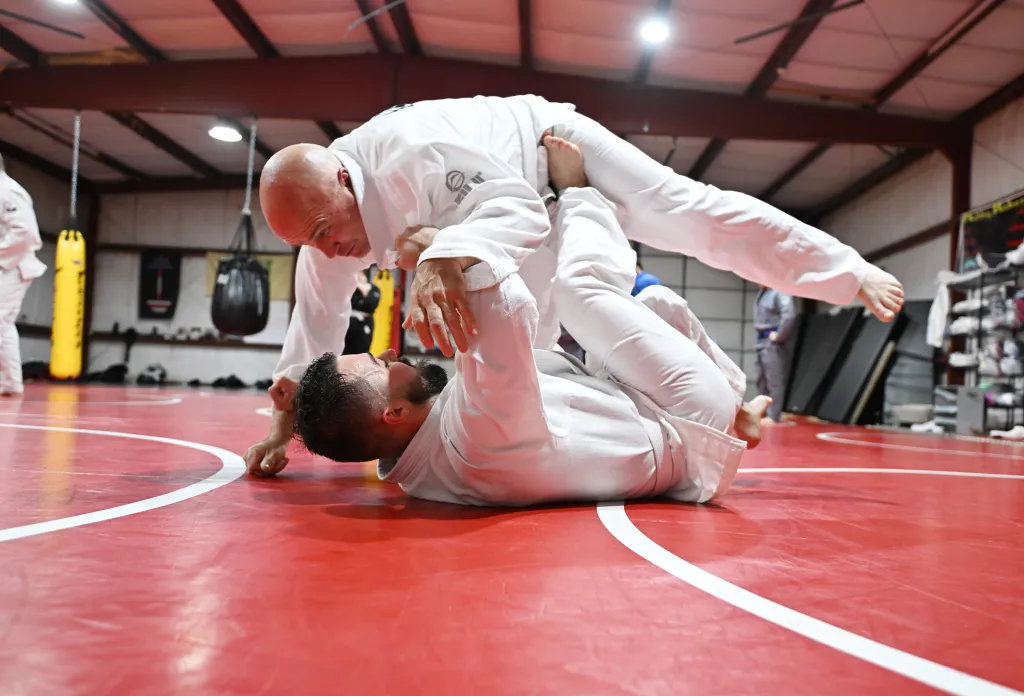
Self-defense is not only about knowing moves. It is about controlling distance, staying balanced, and making good decisions under stress. In many real confrontations, things end up close-range or on the ground, and that is exactly where Jiu jitsu specializes. We train you to stabilize a situation, protect yourself, and create options to get safe.
In Orange and throughout Franklin County, people often commute, work physical jobs, raise families, and juggle a lot. That means your training has to be efficient. Jiu jitsu is built on leverage, timing, and positioning, so you can develop meaningful skill without needing to be the strongest person in the room.
And yes, we keep the self-defense piece grounded in reality. You will learn how to manage common problems like being grabbed, shoved, pinned, or held down. You will also practice how to stay calm enough to remember what you trained - which is the part most people underestimate until they feel it for the first time.
Technique over strength: the real reason adults stick with it
A lot of fitness programs quietly assume you are 22 and indestructible. Adult Jiu jitsu is different. It rewards patience and good decisions. When your frames are in the right place and your hips move at the right moment, you can change the whole outcome of an exchange.
That is why adults over 30 often fall in love with the process. You do not have to win every round in training. You just have to get a little better at the things that keep you safe: posture, base, grips, and escapes. Over time, those fundamentals show up everywhere - even in the way you stand in a grocery store line or carry yourself walking to your car after work.
This is also why Jiu jitsu Massachusetts communities are thriving. Massachusetts athletes continue to perform strongly in competition, including a 2025 medal count that shows real local depth. You do not have to compete to benefit from that culture, but it does help to train in a state where the overall level is sharp and the coaching standards tend to be high.
What you actually learn first (and why it matters)
Beginner training should feel structured. We start with positions you are most likely to need for safety, then layer in control and simple submissions once the basics are stable. A good early curriculum also helps retention, because adults want to know what they are doing and why.
In our adult program, early progress usually comes from a handful of core skills:
• Escaping pins and pressure so you can breathe and move again, especially from bottom positions
• Building strong posture and base to prevent being off-balanced or folded up
• Learning guard basics so you can protect yourself when you are underneath someone
• Practicing controlled takedown entries and safe ways to end up on the ground
• Using simple, high-percentage submissions as a last-resort tool when escape is not available
• Developing grip awareness so you can break holds and stop control before it starts
That list is not flashy, but it is honest. When adults tell us they feel safer, it is usually because their escapes improved and their panic response dropped. That is the win.
The mental benefits are real, not just a nice bonus
People sometimes come in for self-defense and stay for the mental shift. Consistent training has been linked to improved resilience, self-control, and reduced PTSD symptoms when athletes train at least two sessions per week. One study tracking 410 athletes ages 18 to 60 found meaningful psychological improvements with regular practice, and we see similar patterns in everyday life: you handle stress better, you recover faster from bad days, and you feel more capable.
There is something about learning to stay calm while someone is applying pressure that carries over. You get used to discomfort, but in a healthy, supervised way. You learn that you can problem-solve while your heart is racing. And that skill is useful far beyond the mats, especially for busy adults who are managing work, family, and all the little surprises life throws around.
Fitness that does not feel like treadmill punishment
Jiu jitsu is sneaky cardio. You will build endurance, grip strength, hip mobility, and full-body coordination, and you might not even notice how much your conditioning improves until stairs feel easier or your back stops complaining as much. Because training is skill-based, you stay engaged. Your brain is working while your body is working, and that tends to make adults more consistent.
We also like the balance it creates: some days are high effort, some days are more technical. You can train hard without needing to max out every session. That flexibility is one reason adult jiu jitsu Orange MA programs can fit people with different fitness levels in the same class without making anyone feel out of place.
Safety, injuries, and how we reduce risk
Let us talk about the concern most adults have but rarely say out loud: getting hurt. A 2019 study reported that 59.2 percent of practitioners had some kind of injury in the prior six months. That number can sound alarming until you add the important detail: experience reduces risk, and smart training habits matter a lot.
We take safety seriously because it is the foundation of long-term progress. You cannot build skill if you are constantly sidelined. Our approach emphasizes:
• Clear tapping rules and partner awareness, especially in submissions
• Progressive intensity so you do not jump from learning to chaos in one week
• Technique-first drilling before live rounds, so your body understands the movement
• Coaching supervision so small mistakes get corrected early
• A culture where you can choose appropriate training partners and pace
If you are nursing an old shoulder or a cranky knee, we adjust. You are not here to prove toughness; you are here to get better.
Time and cost: what most Orange adults can realistically maintain
Most adults get strong results training two to three times per week. That frequency is enough to build timing and confidence without taking over your life. If you can only start once or twice weekly, that is still a solid beginning, especially if you stay consistent.
Cost is naturally part of the decision. Monthly dues in the U.S. vary, and nearby states show averages in the rough 130 to 170 per month range, with places like Pennsylvania around 131 and New York higher around 173. In our area, we focus on making the value clear: structured coaching, a clean schedule, and a community that supports long-term training.
If you are comparing Jiu jitsu to other fitness expenses, remember you are getting skill development, self-defense, and conditioning in one place. You are not paying for one more machine to sit on; you are paying to become harder to control.
How Jiu jitsu fits a busy schedule
Adults in Orange do not always have the luxury of perfect routine. Work shifts change, kids get sick, snow happens, and sometimes you are just cooked by 6 p.m. The key is having a class schedule that gives you options and a curriculum that makes sense even when you miss a day.
We keep our classes structured so you can drop in without feeling lost. You will see repeating themes and fundamentals that come back often, because that is how adults actually learn. Repetition is not boring when you notice you are escaping faster than you did last month.
There is also a growing trend toward hybrid support across North America, including online tools and wearable tech for training feedback. While most of your progress still comes from time on the mat, we like any tool that helps you stay consistent, track goals, and train with a bit more intention.
Women in Jiu jitsu: growth, safety, and confidence
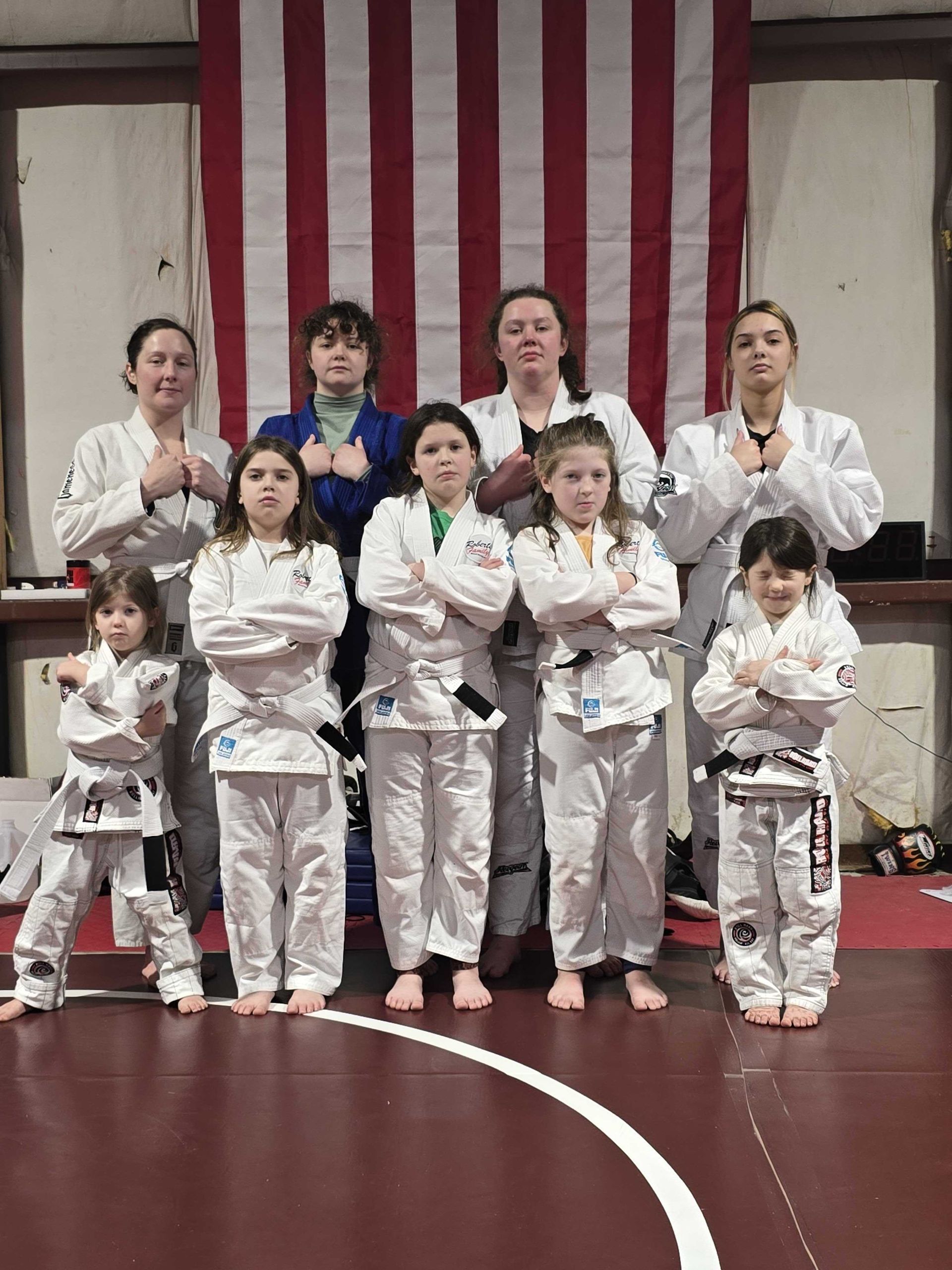
Female participation in Jiu jitsu has surged nationwide, leading to more women-only classes and safety-first training environments. That matters, because self-defense confidence is not abstract. It is built by training with resistance, learning how leverage works, and practicing how to stay composed when someone is trying to hold you down.
In our adult classes, we coach technique so it is effective regardless of body type. You will learn how to use frames, angles, and hip movement to stop pressure and create space. That is the heart of the art, and it is one reason so many people who never pictured themselves doing martial arts end up enjoying it.
If you are nervous about starting, that is normal. The first few classes can feel like learning a new language. But the room gets familiar quickly, and skill builds faster than you expect when you train consistently.
Progress milestones: what to expect in your first year
Adults like clarity. You want to know what progress looks like beyond just getting sweaty. While everyone moves at a different pace, a common guideline is that going from white belt to blue belt often takes one to two years with steady training. The belt is not the goal, but it is a decent marker of competence: you can escape more reliably, control positions, and roll with calmer decision-making.
We encourage you to track small wins instead of chasing perfection. Did you remember to breathe? Did your posture hold up under pressure? Did you escape a bad spot without muscling? Those are the real milestones. Over time, those wins stack into genuine self-defense ability.
And if you are curious about the broader picture, Jiu jitsu is part of a growing global market projected to expand from about 1.2 billion in 2025 to 2.5 billion by 2033. People are not investing time and money into this because it looks cool on social media. People stick with it because it changes how you move, think, and carry yourself.
Take the Next Step
Building self-defense skill as an adult comes down to steady practice, smart coaching, and a room that feels welcoming the moment you walk in. That is what we aim to provide every day, and it is why we built our adult Jiu jitsu program to be practical, structured, and realistic for Orange schedules.
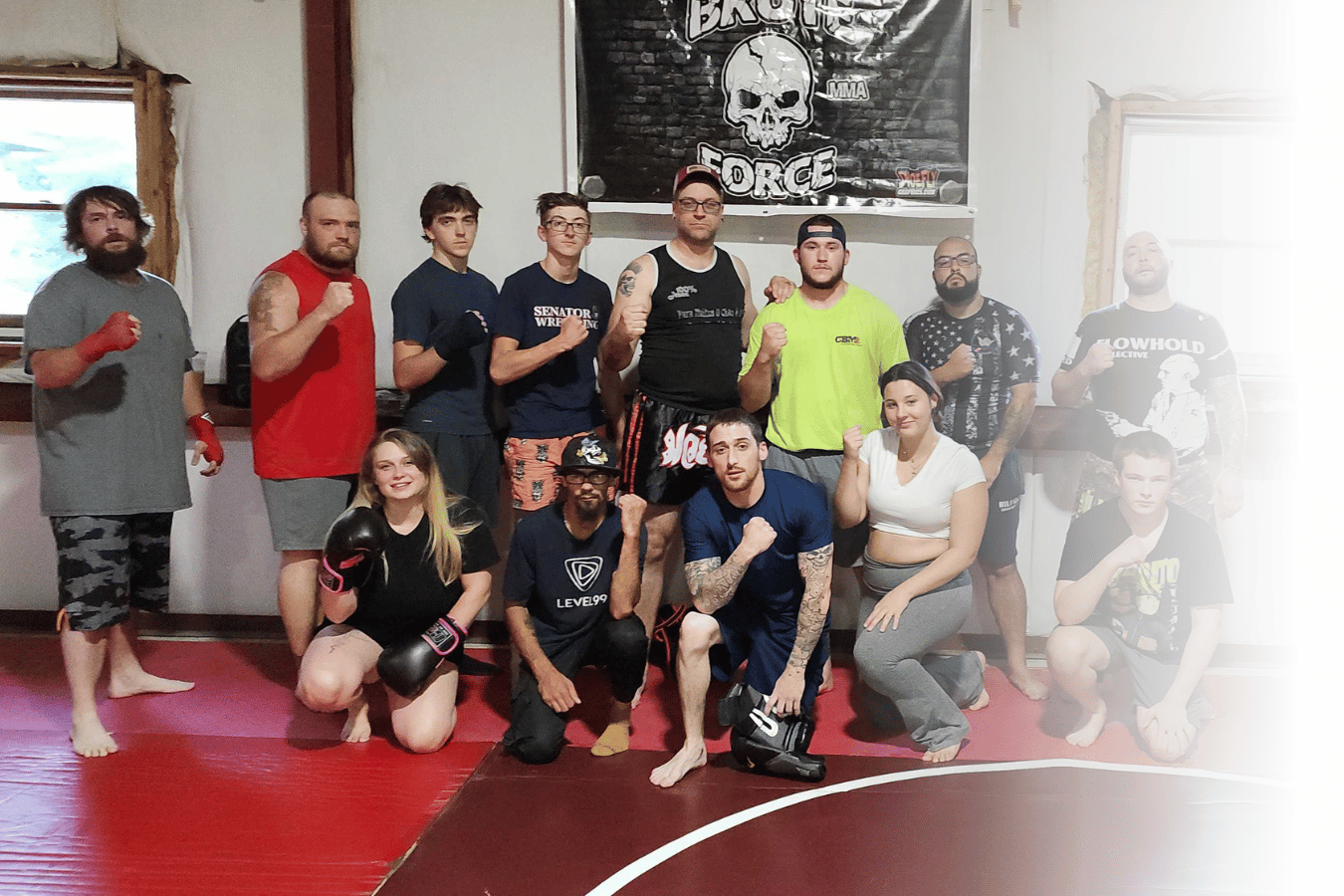
When you are ready to train in a way that improves confidence, fitness, and calm under pressure, we would love to help you get started at Roberts Family Mixed Martial Arts. You do not need to be in perfect shape or know anything ahead of time. You just need to show up, and we will take it from there.
Build stronger fundamentals and sharpen your technique by joining a martial arts class at Roberts Family Mixed Martial Arts.
ACCESS OUR SCHEDULE
& EXCLUSIVE WEB SPECIAL
Secure your spot and get started today with our EXCLUSIVE offer!