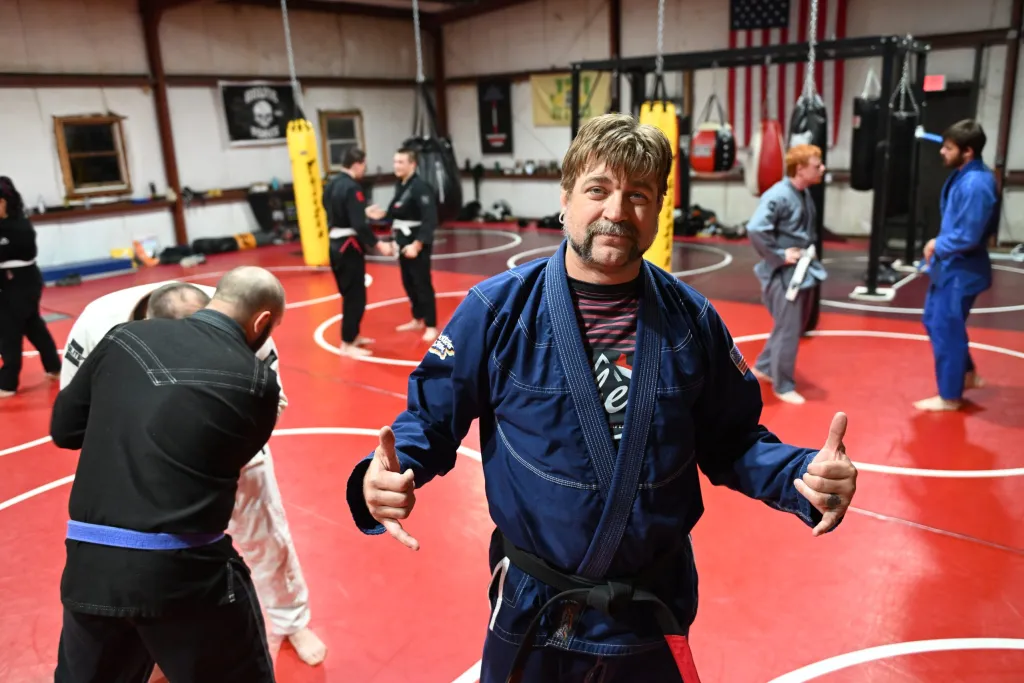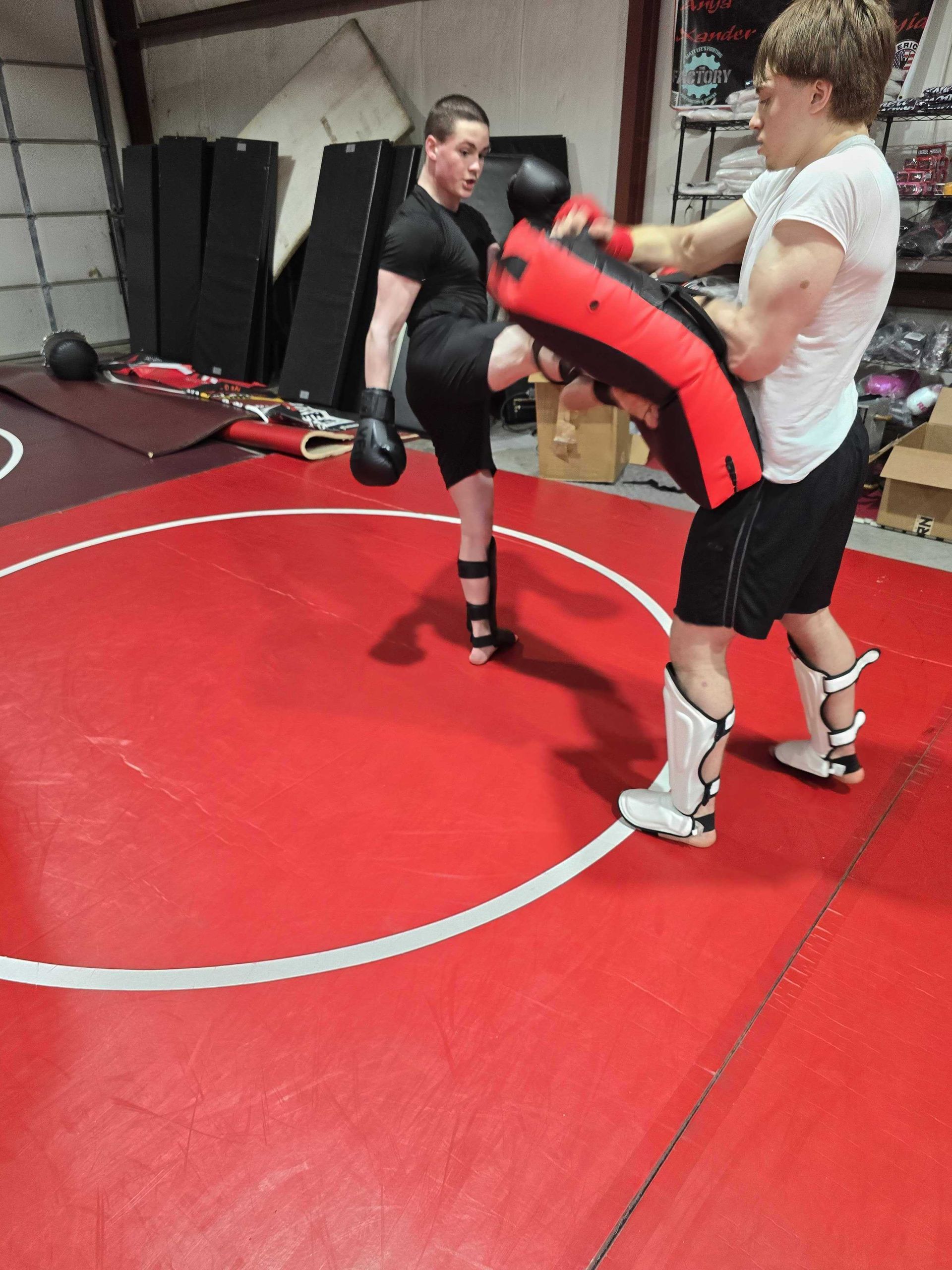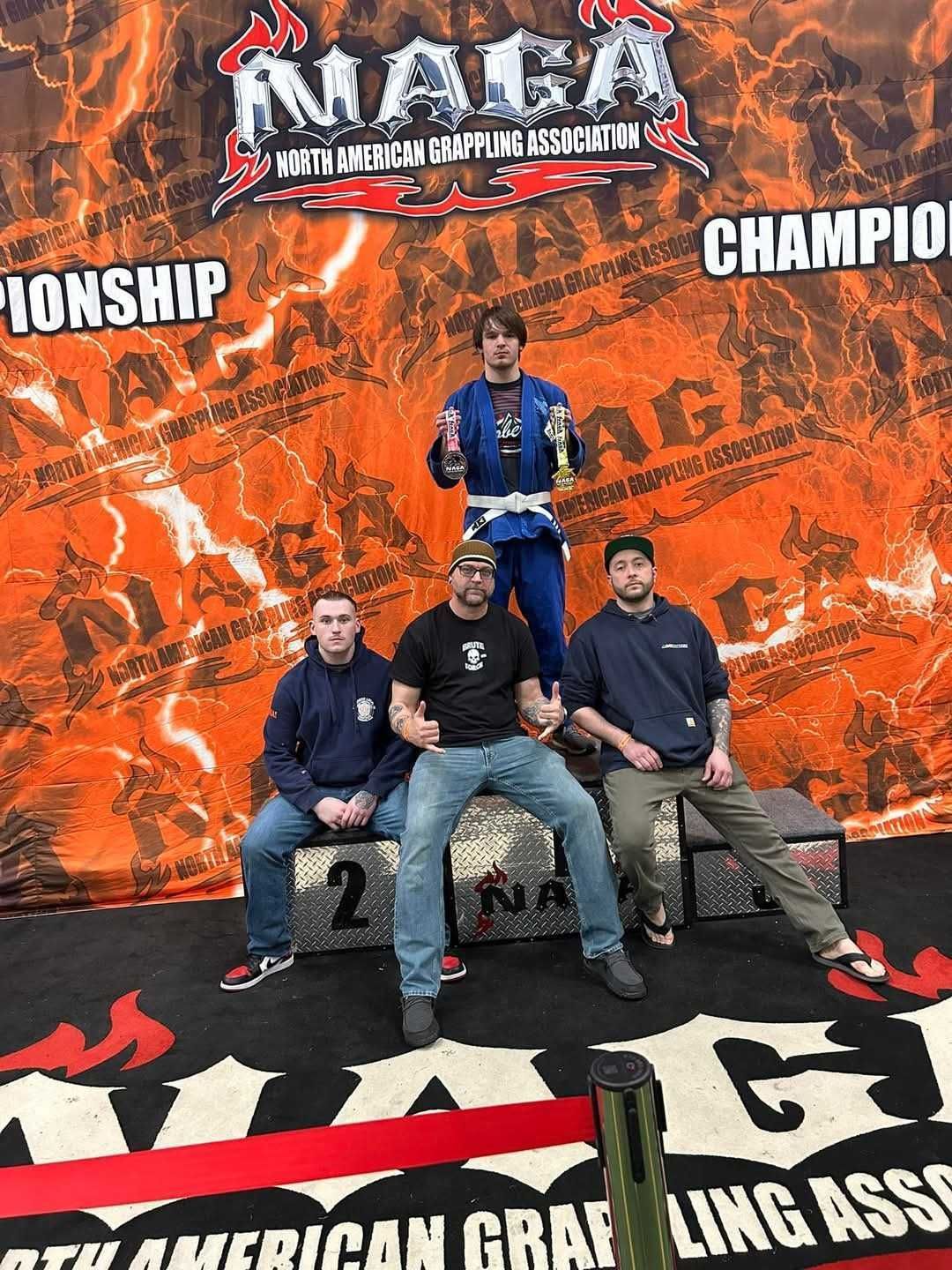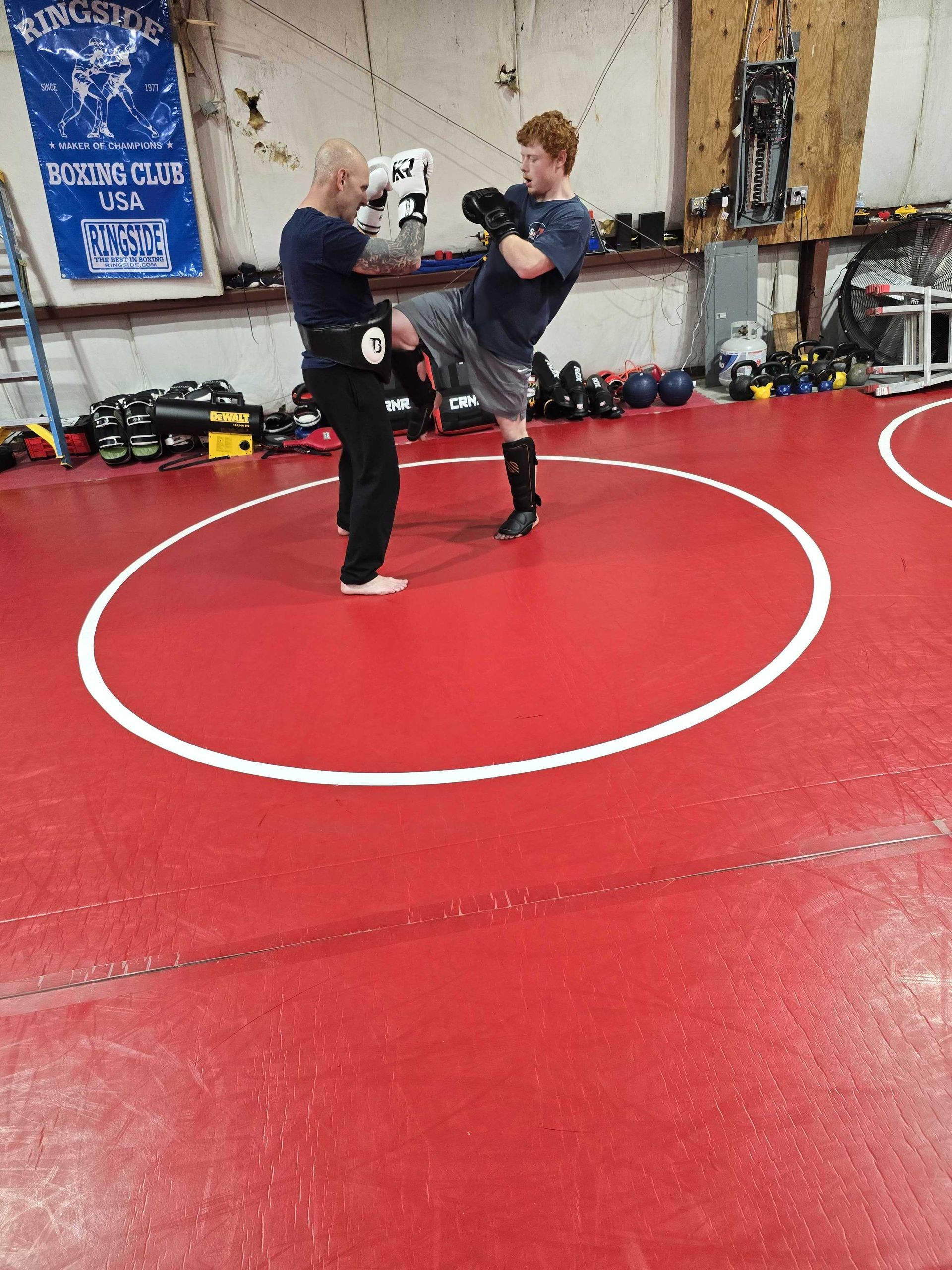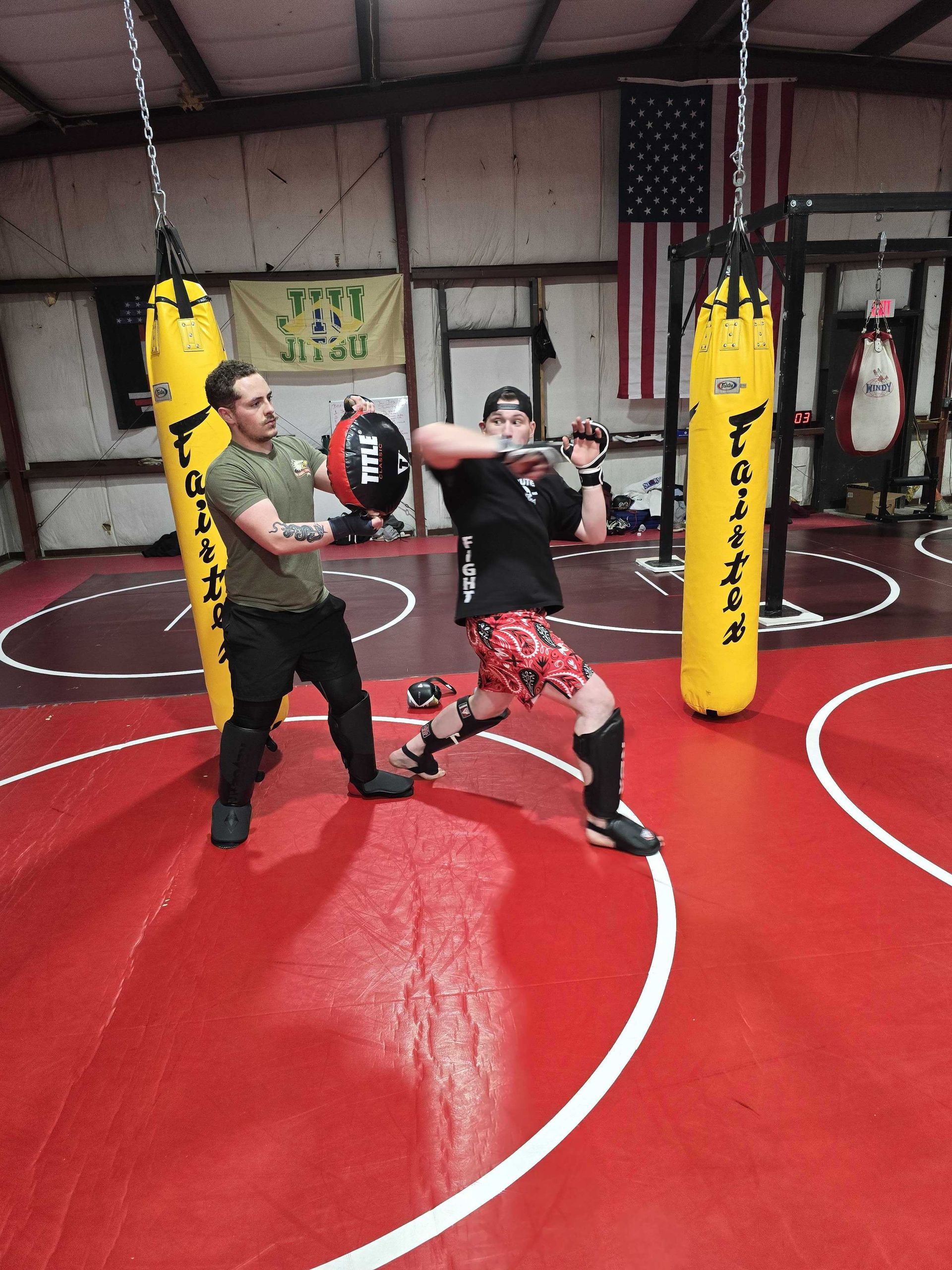
Jiu jitsu gives your family a shared routine that builds real skills, real fitness, and real confidence without needing to be “athletic” first.
If you live in Orange, MA, you already know how hard it can be to find one activity that works for everyone in the house. Schedules clash, interests don’t overlap, and most “family activities” quietly turn into one person participating while everyone else waits. Jiu jitsu flips that in a surprisingly practical way: it’s a skill-based hobby where kids, teens, parents, and even grandparents can train at the same academy, feel progress quickly, and stay engaged long-term.
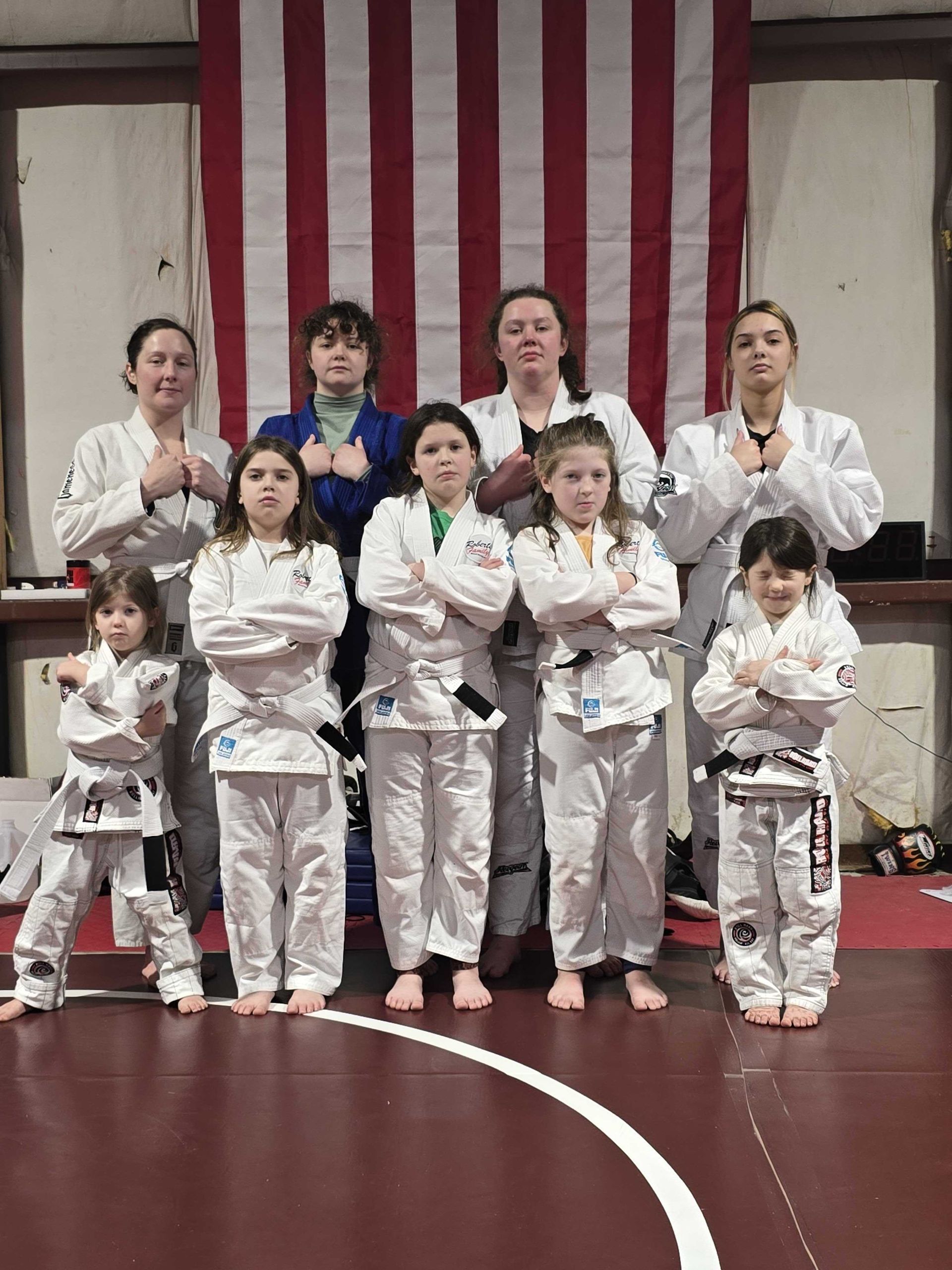
We see it every week: a kid starts for confidence, a parent joins for fitness, and soon the whole family has a shared language of movement, problem-solving, and respectful training. And because Brazilian Jiu-Jitsu focuses on technique and leverage over raw strength, you don’t have to be the biggest or fastest person in the room to do well. That single fact is a huge reason it works as a family hobby in our corner of Massachusetts.
Jiu jitsu in Orange, MA also fits the reality of small-town life. You shouldn’t have to drive into a big city just to find quality training, and you shouldn’t have to choose between “serious instruction” and a welcoming environment. With the sport growing across the state and youth participation booming at major events, local families are realizing they can start close to home and still be part of something bigger.
What makes jiu jitsu so family-friendly, compared to most sports?
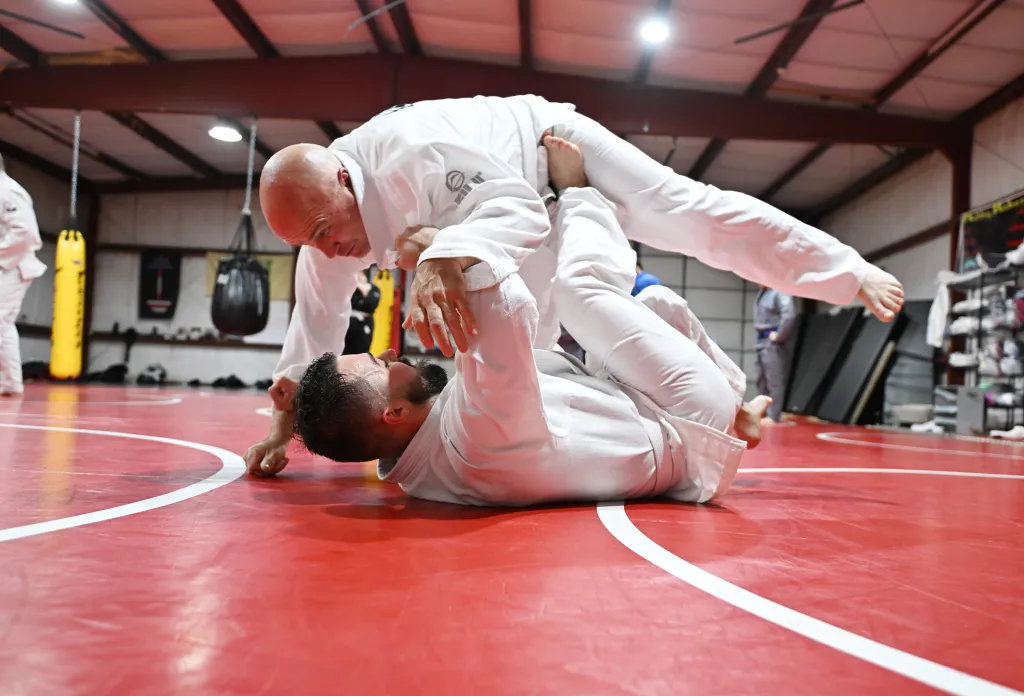
At its core, jiu jitsu is a grappling martial art that teaches you how to control positions on the ground, escape safely, and apply submissions with precision. That might sound intense on paper, but the day-to-day training is structured, supervised, and scaled. We don’t throw beginners into chaos. We teach clear steps, we build fundamentals, and we match partners thoughtfully.
The most family-friendly part is the learning curve. In many sports, beginners spend months feeling behind. In jiu jitsu, you can learn a simple escape or control position in your first class and immediately understand how it works. That early “I can do this” moment matters for kids and adults alike.
Here’s why the art itself supports families:
- Technique matters more than strength, so smaller students can succeed through smart movement.
- Training is naturally partner-based, which builds social comfort and cooperation.
- The belt system creates visible milestones, so progress feels real and motivating.
- Classes can be adapted by age, size, and experience without watering down the skill.
That combination is rare. It’s also why jiu jitsu Massachusetts communities keep expanding beyond big metro areas into places like ours.
A hobby that grows with your child (and with you)
Kids change fast. One year they’re bursting with energy, the next year they’re all limbs and awkward timing, and after that they’re suddenly stronger than you expected. A good family hobby needs to flex with those changes. Jiu jitsu does, because the goals evolve naturally.
For younger kids, we keep the focus on movement basics, safe falling, body awareness, and simple positional concepts. For teens, we can challenge coordination, discipline, and resilience without turning every class into a pressure cooker. For adults, the same techniques become a blend of fitness, stress relief, and practical self-defense. And for masters age students, the emphasis shifts even more toward efficiency, pacing, and staying healthy while still learning.
If you’ve ever wished there was a sport where your child could build confidence without being forced into constant “winner vs loser” framing, jiu jitsu is a strong answer. There’s competition available, but it’s optional. The daily win is skill development.
Safety first: how we keep training controlled and beginner-friendly
Safety is usually the first question parents ask, and it should be. Grappling involves close contact and body control, so we take the structure seriously. A well-run class is not a free-for-all. It’s a guided practice where we introduce techniques progressively, set clear rules, and coach students to train responsibly.
We keep beginners safe by emphasizing:
- Tapping early and respecting the tap instantly, every time
- Partner selection and supervision so size and experience mismatches don’t become a problem
- Technique-first drilling before any live practice
- Clear boundaries around intensity for kids, teens, and adults
It also helps that Brazilian Jiu-Jitsu culture, at its best, rewards control. You learn quickly that “winning the round” isn’t the point. Clean technique and good training partners are.
The broader sport supports this approach, too. Major tournament structures include age and experience divisions, from very young kids divisions through adults and masters. The fact that youth and masters brackets continue to grow nationally is a good signal that people can train for the long term, not just for a season.
Why Orange, MA families are choosing jiu jitsu right now
Across the state, jiu jitsu Massachusetts participation has been rising, and you can see it in the size of local and regional events. Charity tournaments in Massachusetts have drawn hundreds of athletes, including large kids and teens brackets and adult and masters divisions. That kind of turnout doesn’t happen unless families are training consistently and enjoying the process enough to show up.
Orange is in a sweet spot. We get the benefits of the statewide momentum without the headaches of city travel, parking, and overcrowded schedules. Families here want something practical, community-based, and repeatable week after week. Jiu jitsu fits because it’s not weather-dependent, it’s not equipment-heavy, and it doesn’t require perfect conditions to be worthwhile.
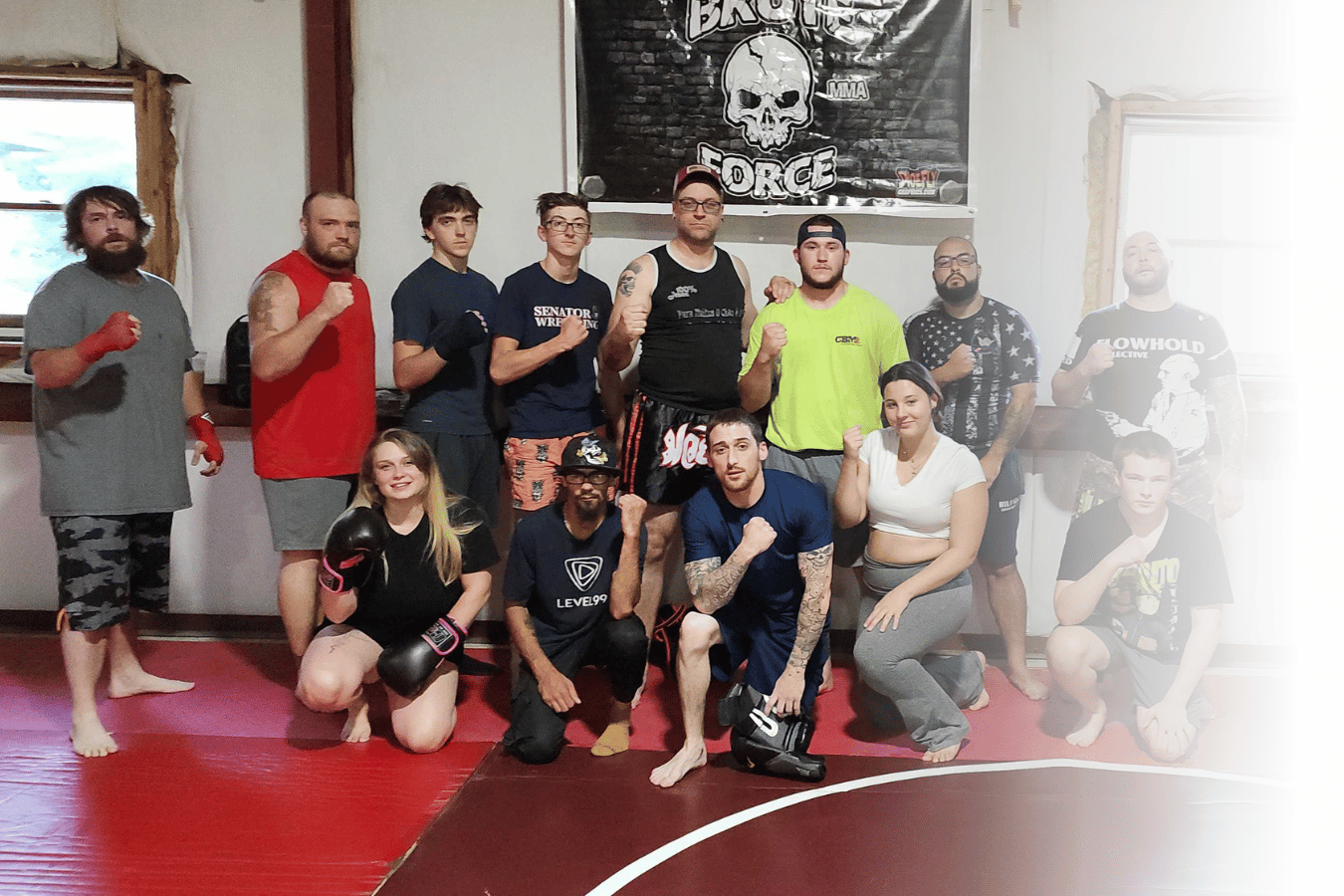
Also, there’s a quiet advantage to learning a skill like this in a smaller community: you start recognizing familiar faces. Kids build friendships. Parents chat between classes. Over time, it stops feeling like “an appointment” and starts feeling like part of your routine.
What you actually do in class (so it’s not a mystery)
A lot of people delay starting because they don’t know what a class looks like. That uncertainty is normal. We keep things organized so you can walk in, follow along, and leave feeling like you learned something concrete.
Most classes include a warm-up that supports jiu jitsu movement, a focused technique segment, drilling time to practice with a partner, and optional controlled sparring depending on level and age group. The goal is steady improvement, not exhaustion for its own sake.
If you’re coming in for adult jiu jitsu Orange MA classes, expect a mix of fundamentals and practical application. You’ll build escapes, positional control, guard work, and submissions in a progressive way, and you’ll also learn how to stay calm under pressure. That “stay calm” skill becomes a real-life benefit surprisingly fast.
Family benefits that show up outside the academy
The physical benefits are obvious: stronger core, better mobility, improved conditioning. But most families tell us the deeper value is what happens outside training.
Kids often become more comfortable with:
- Following instructions and staying focused for longer periods
- Handling frustration without melting down
- Setting small goals and sticking with them
- Speaking up, making eye contact, and carrying themselves differently
Adults often notice:
- Better stress management after work
- More consistent exercise without needing a separate “motivation plan”
- Improved posture, mobility, and overall durability
- A healthier relationship with challenge and discomfort
And as a family, you get a shared reference point. You understand what your kid is learning. Your kid sees you learning, too. That matters. It creates a kind of mutual respect that’s hard to manufacture with typical activities.
Belt progression: why the structure keeps families motivated
The belt system in Brazilian Jiu-Jitsu isn’t just decoration. It gives students a roadmap. You can feel lost in a lot of fitness routines. In jiu jitsu, there’s a clear sense of “what good looks like,” and that clarity helps both kids and adults stay consistent.
Progress isn’t only about belts, of course. We also watch for improvements in movement quality, decision-making, and composure. But milestones help, especially for younger students who thrive on tangible markers. It’s a steady climb, and that’s the point: you don’t “complete” jiu jitsu. You build a practice.
Competitions are optional, but the opportunity is real
Some families love the idea of testing skills at tournaments. Some prefer to keep jiu jitsu as a personal development hobby. Both are valid, and we support either path.
What’s encouraging is that the competitive landscape has expanded to include everyone. Large events regularly feature divisions for kids, teens, adults, and masters, which means you can participate at your own pace and stage of life. Massachusetts has also hosted events with strong family and charity components, creating a positive atmosphere for first-timers.
If you decide to compete, we help you approach it the right way: as a learning experience with preparation, good sportsmanship, and realistic expectations. And if you never compete, you still get the same technical development, fitness gains, and confidence.
How jiu jitsu fits busy family schedules in Orange
A family hobby only works if you can actually do it consistently. That’s where jiu jitsu shines. Classes are typically structured in manageable time blocks, and the skill progression rewards consistency more than marathon sessions. Two to three classes a week can create noticeable momentum, especially for beginners.
We also understand that family schedules aren’t neat. School events pop up. Work runs late. Someone catches a cold. The best plan is the one you can return to without guilt. Our approach is to help you build a routine that’s sustainable, not perfect, and to make the class schedule easy to understand on the website so you can plan without extra back-and-forth.
Getting started: what we recommend for new families
If you’re brand new, you don’t need to “get in shape first.” That’s a common misconception, and it stops people who would do great in training. We’d rather you start where you are and improve from there.
Here’s a simple way to begin without overthinking it:
1. Pick one or two class times you can realistically attend each week for the first month.
2. Start with fundamentals so you learn positions, escapes, and safety habits early.
3. Focus on consistency, not intensity, especially for kids and brand-new adults.
4. Ask questions after class so small confusion doesn’t turn into big hesitation.
5. Track small wins like better balance, smoother movement, or calmer reactions.
If your goal is adult jiu jitsu Orange MA training for fitness and self-defense, you’ll usually feel a difference in energy and confidence within a few weeks, even with a modest schedule. For kids, the changes often show up as better behavior under pressure and more willingness to try hard things.
Take the Next Step
Building a family routine around jiu jitsu is one of the most practical choices you can make in Orange, and it doesn’t require a “martial arts background” to start. You get a shared activity that improves fitness, confidence, discipline, and problem-solving, while still being fun enough to keep showing up.
If you’re ready to train in a place where beginners are coached carefully and families can grow together, we’d love to help you take that first step at Roberts Family Mixed Martial Arts. You can start simple, follow the class schedule, and let the progress build from there at a pace that fits your life.
Move from reading to training join a martial arts program at Roberts Family Mixed Martial Arts today.
ACCESS OUR SCHEDULE
& EXCLUSIVE WEB SPECIAL
Secure your spot and get started today with our EXCLUSIVE offer!