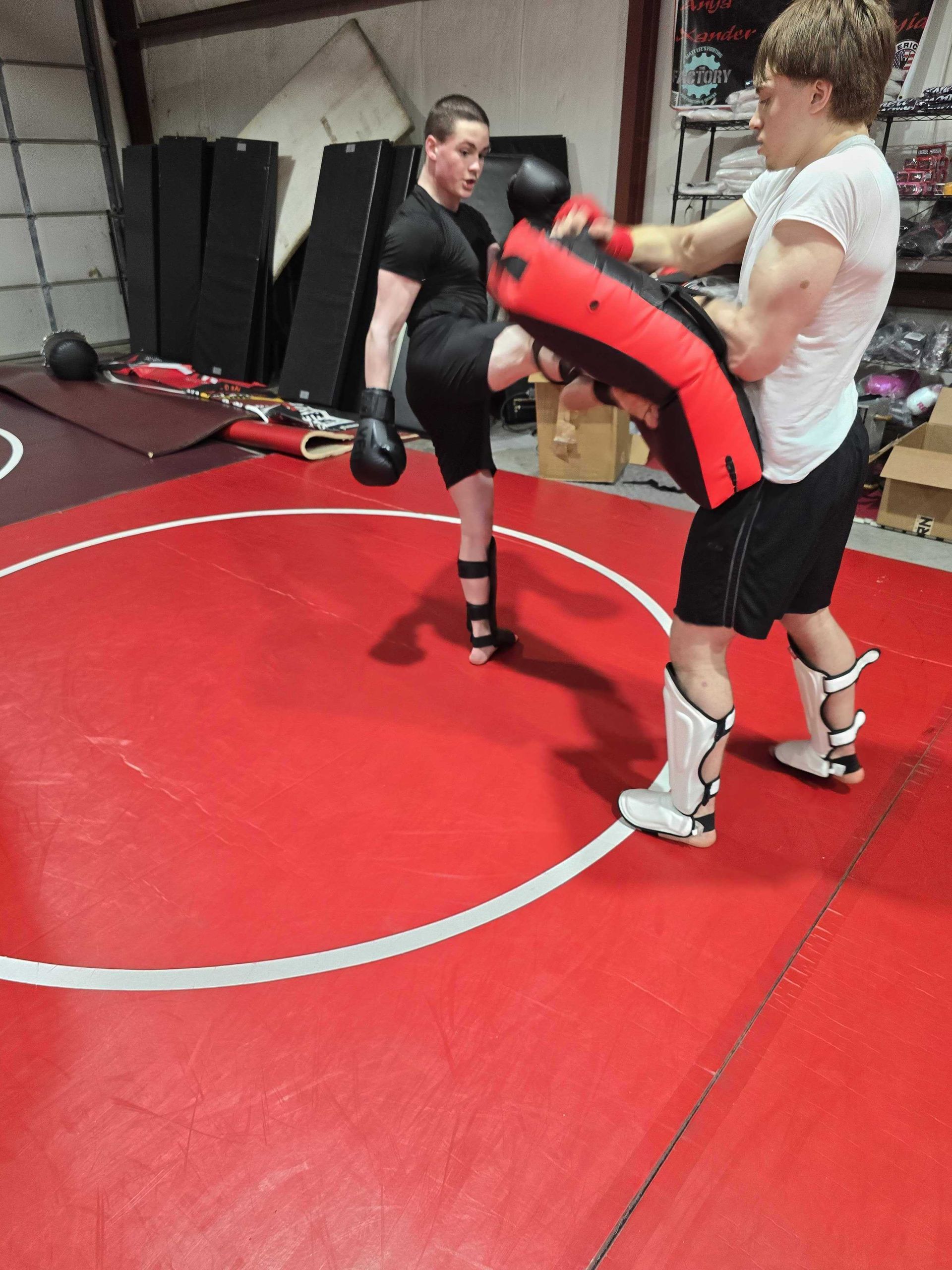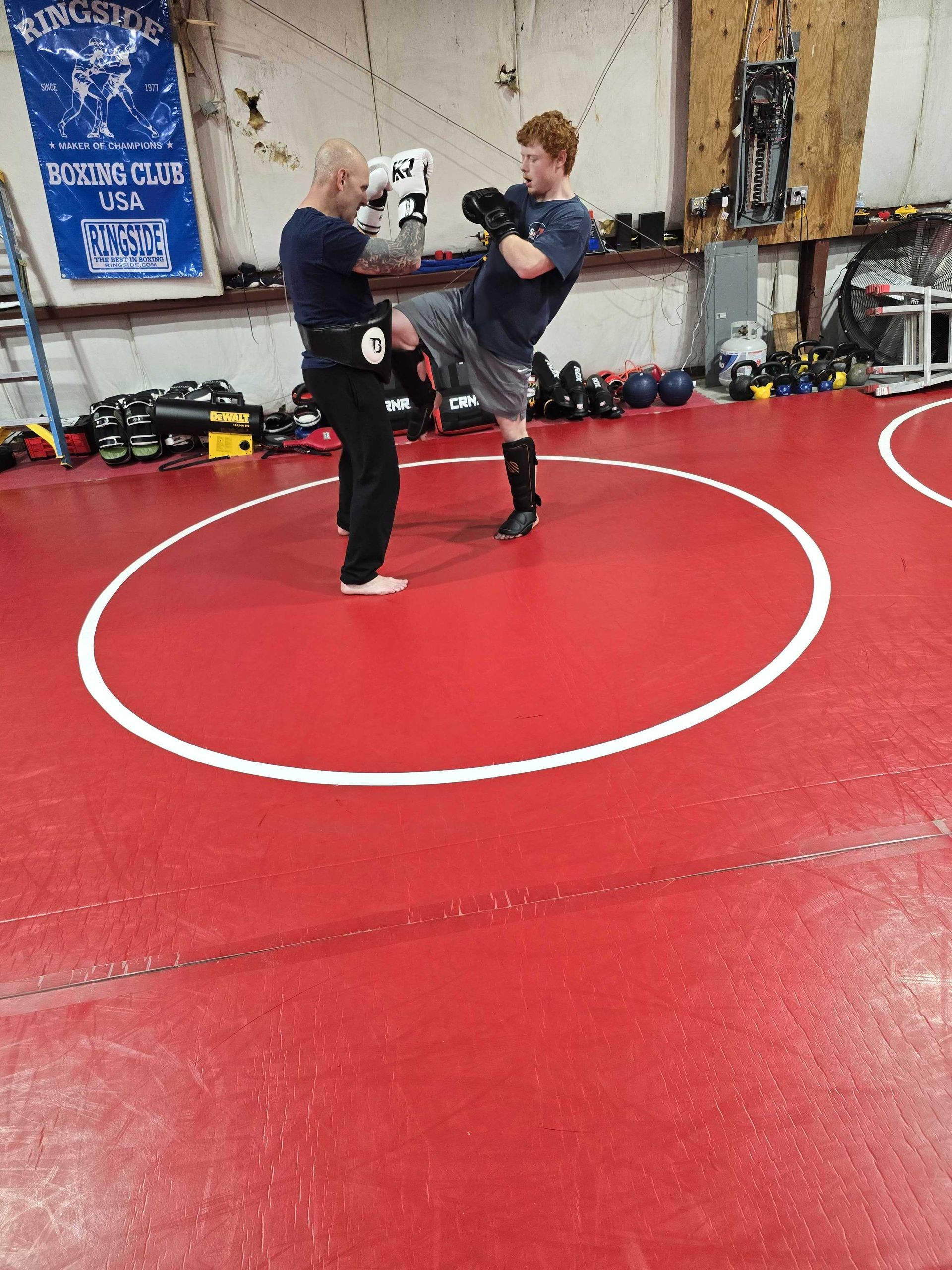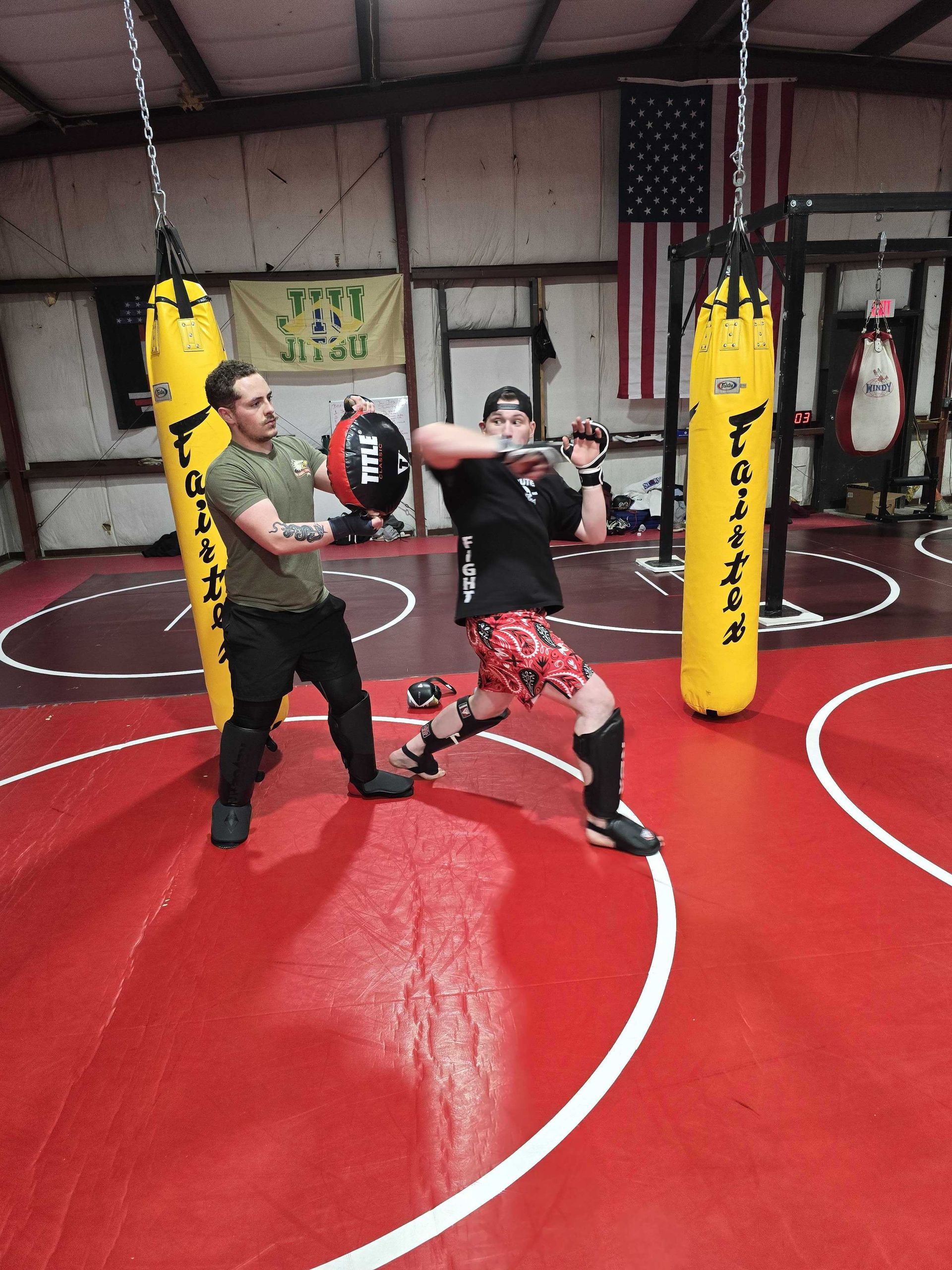

Youth martial arts gives kids a steady place to practice attention, self-control, and courage one class at a time
In 2023, martial arts participation in the U.S. reached about 6.6 million active students, and a large share of that growth came from ages 5 to 17. We see the same pattern locally: families want an after-school activity that supports school performance and social confidence, not just “burn off energy.”
That is exactly where youth martial arts shines. When training is structured well, kids practice focusing on a single task, listening carefully, and staying calm under pressure. Over time, those small moments in class start showing up in the places you care about most: homework, classrooms, friendships, and how your child responds when something feels hard.
In Orange, MA, options for consistent youth programs can feel limited, especially when schedules get busy or seasons change. Our job is to make training reliable and age-appropriate, with a class structure that helps your child build real skills without feeling overwhelmed.
Why focus is a trainable skill, not a personality trait
A lot of parents get told their child “just needs to focus more,” as if focus is something you either have or you do not. In reality, focus is a skill made up of smaller skills: noticing distractions, coming back to the task, following instructions in order, and managing impulses when emotions spike.
In youth martial arts, we work those skills in a physical, hands-on way. Kids are not just sitting and trying to stay still. We ask them to watch a movement, copy it, adjust it, and repeat it with control. That loop of attention, action, and correction is a powerful way to build concentration.
Training also encourages mindfulness without making it feel like a lecture. When we coach breathing, posture, and calm body language, kids start recognizing what “ready” feels like. That awareness is the beginning of better focus in school and at home.
The “focus muscle” gets stronger through structure
Kids thrive when they know what is coming next. Our classes follow a consistent pattern, so attention is not wasted on guessing what happens now. That structure also supports children who struggle with transitions, because the class itself teaches transitions in a predictable way.
Here is what that structure trains, week after week:
• Listening for details and following multi-step directions
• Waiting for the right moment to move, instead of rushing
• Staying engaged even when something is challenging
• Resetting after a mistake, without shutting down
• Paying attention to partners respectfully and safely
As a bonus, physical movement can improve cognitive function and mood, which helps focus stick around longer. Studies across 2021 to 2025 continue to support that martial arts training can improve self-control and reduce stress and aggression in youth, especially when instructors emphasize discipline and mentorship.
Confidence grows from earned wins, not hype
The confidence you want for your child is not loud or aggressive. It is quiet, steady, and usable in real life. We build that kind of confidence by giving kids achievable goals, clear feedback, and the time to improve.
Youth martial arts makes progress visible. Techniques get cleaner. Stances get stronger. Balance improves. And belt progression, when done thoughtfully, becomes a roadmap your child can understand. That matters because confidence is often tied to proof: “I worked for this, and I can do hard things.”
Kids also learn that mistakes are normal. That lesson sounds simple, but it is huge. When a child can miss a step, take a breath, and try again, you are watching resilience form in real time.
What belt progression teaches beyond the belt
Belt milestones are not just about rank. The real value is what happens between promotions: consistent attendance, effort on days when energy is low, and learning to accept coaching.
Over time, kids internalize a few powerful ideas:
1. Improvement is a process, not a one-time talent check
2. Feedback is helpful, not embarrassing
3. Consistency beats intensity for long-term growth
4. Courage can be practiced, even in small moments
5. Respect is part of strength, not separate from it
Those are confidence builders that carry into school presentations, group projects, sports tryouts, and social situations that feel intimidating.
Youth martial arts and school performance: what parents notice first
Parents usually notice changes in small, practical ways before they notice big ones. The first wins are often about routine and follow-through.
You might see your child:
• Starting homework with less arguing because transitions feel easier
• Listening the first time more often, because “coach voice” becomes familiar
• Sitting a little taller, making better eye contact, speaking more clearly
• Recovering faster after frustration, instead of melting down
• Taking pride in effort, not just outcomes
None of this is magic, and it does not happen overnight. But youth martial arts gives kids a repeated practice space for exactly the skills school demands: attention, patience, and calm persistence.
Bullying concerns in Orange, MA: building confidence without creating aggression
Families in our area ask about bullying a lot, especially with the social pressure kids face in elementary and middle school. The goal is not to turn your child into a fighter. The goal is to help your child feel capable, aware, and less “targetable” because confidence changes body language and decision-making.
We emphasize respect, boundaries, and controlled training. Kids learn how to keep their hands to themselves in class, which is an underrated life skill, and they learn how to stay calm when emotions spike. That emotional control reduces the chance of reacting in a way that escalates conflict.
Our anti-bullying approach starts with prevention: posture, awareness, voice, and smart choices. And if a situation ever becomes physical, your child benefits from practiced responses and the confidence to seek help quickly rather than freezing.
Physical benefits that support confidence and attention
For ages 4 to 13, research continues to show strong physical benefits from martial arts training: better balance, flexibility, strength, and cardiorespiratory fitness. Those improvements matter because physical capability changes how kids feel in their bodies.
When kids move better, they often feel safer. When they feel safer, they take more healthy risks: speaking up, joining activities, raising a hand, trying again after failing. Confidence is connected to competence, and competence is trainable.
We also pay attention to coordination and body control, not just power. For youth martial arts Orange MA families, that is especially valuable because kids come in with different athletic backgrounds. Some children are natural movers, and some are still figuring out how their feet and hands cooperate. Our job is to meet both types where they are.
Safety: what we do so kids can train with confidence
Safety is a fair question, and you deserve a clear answer. Any sport has risk, but youth martial arts can be very safe when training is supervised, age-appropriate, and skill-based instead of brawl-based.
We keep safety high by focusing on:
• Controlled drills designed for learning, not “winning”
• Clear rules about contact, behavior, and respect
• Close coaching and corrections before intensity increases
• Partner matching by size, maturity, and skill level
• A culture where kids are allowed to pause and ask questions
We also teach kids to communicate. “That hurts,” “Can we slow down,” and “I need a second” are healthy skills. When children learn to advocate for themselves in class, they are more likely to speak up in other settings, too.
How our class schedule fits real family life in Orange
Busy families do not need another stressful commitment. Youth martial arts works best when it is consistent but realistic. Many kids do well with a simple routine, like training a few times per week for about 40 to 45 minutes per session, especially in the younger age ranges.
We keep our class schedule straightforward so you can plan around school, work, and family time. We also understand that life happens. What matters is returning to routine, because routine is where the focus and confidence gains stack up.
If you are searching for a martial arts school Orange MA families can count on year-round, consistency is a big part of the value. Kids do not have to “start over” every season. They keep building.
5 simple ways we help you reinforce focus at home
Youth martial arts works best when the lessons echo outside the gym. You do not need to become a coach at home. A few small habits can support what your child practices in class.
• Use a one-minute breathing reset before homework to shift into focus mode
• Track attendance or belt goals on a simple calendar so progress feels real
• Praise specific effort like “you kept trying” instead of vague “good job”
• Create a consistent pre-class routine like water, snack, and quick check-in
• Ask one useful question after class: “What did you improve today?”
These are small, but they add up. They also keep the emphasis on growth, which is the foundation of lasting confidence.
What to expect in a first youth martial arts class
A first class should feel welcoming, clear, and structured. We introduce skills step by step, and we watch how your child responds: attention span, comfort level, and how coaching lands. Some kids jump in fast. Some take a couple classes to settle. Both are normal.
You can expect a mix of movement, technique practice, and simple drills that build coordination and control. We keep expectations age-appropriate. The goal is progress, not perfection.
Most importantly, we want your child to leave feeling like class made sense. Confident kids are not created by pressure. They are created by repeated experiences of “I can do this.”
Take the Next Step
Building focus and confidence is rarely about one breakthrough moment. It is about steady practice, supportive coaching, and a program that keeps kids engaged long enough to grow. That is what we aim to deliver every time your child steps on the mat, whether your goal is better attention at school, more resilience, or simply a healthier routine after the school day.
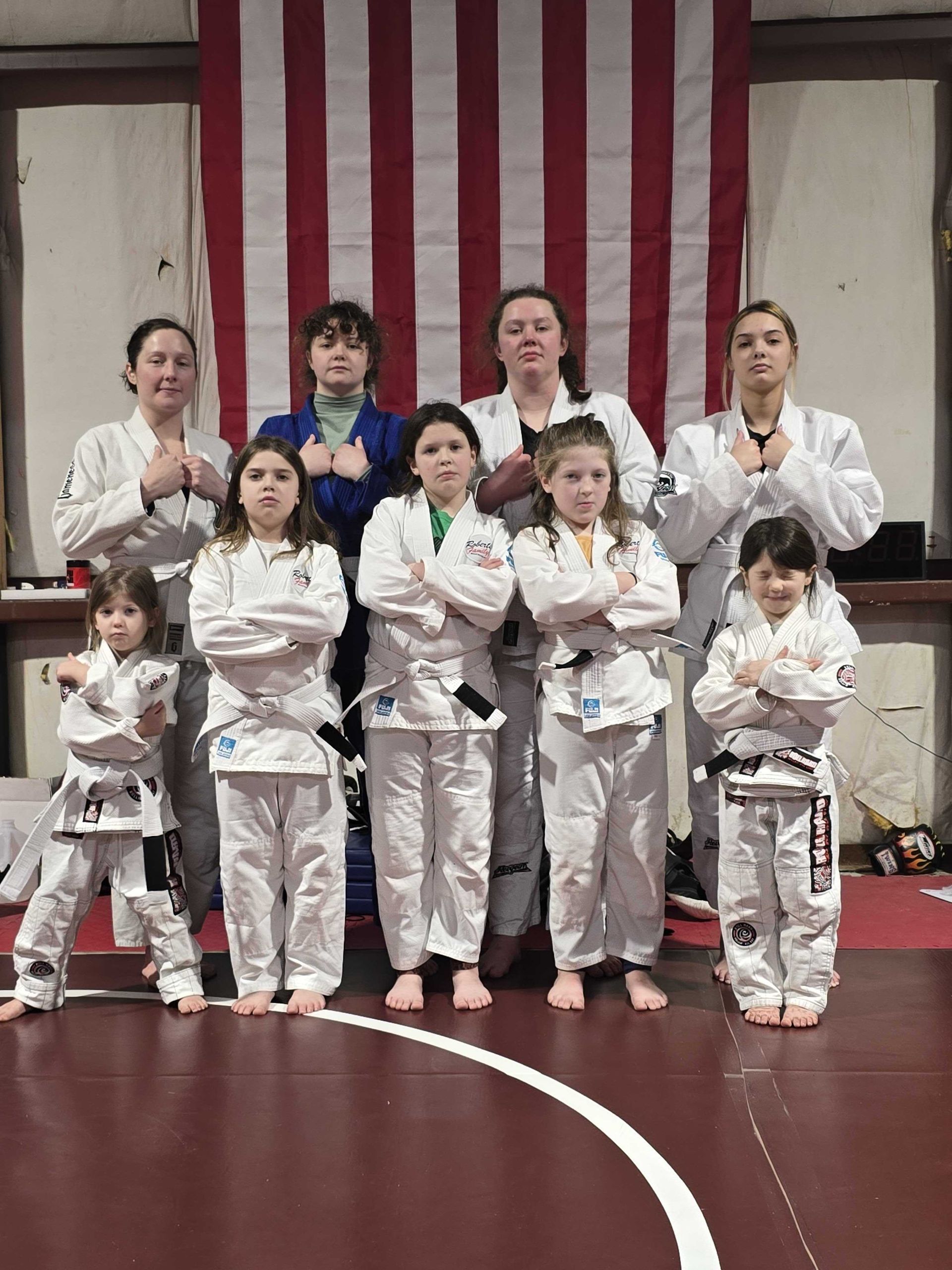
When you are ready, Roberts Family Mixed Martial Arts in Orange, MA is here to guide your family with structured youth martial arts training that prioritizes safety, discipline, and real confidence that shows up outside the gym.
To get started with training, sign up for a free trial today.
ACCESS OUR SCHEDULE
& EXCLUSIVE WEB SPECIAL
Secure your spot and get started today with our EXCLUSIVE offer!