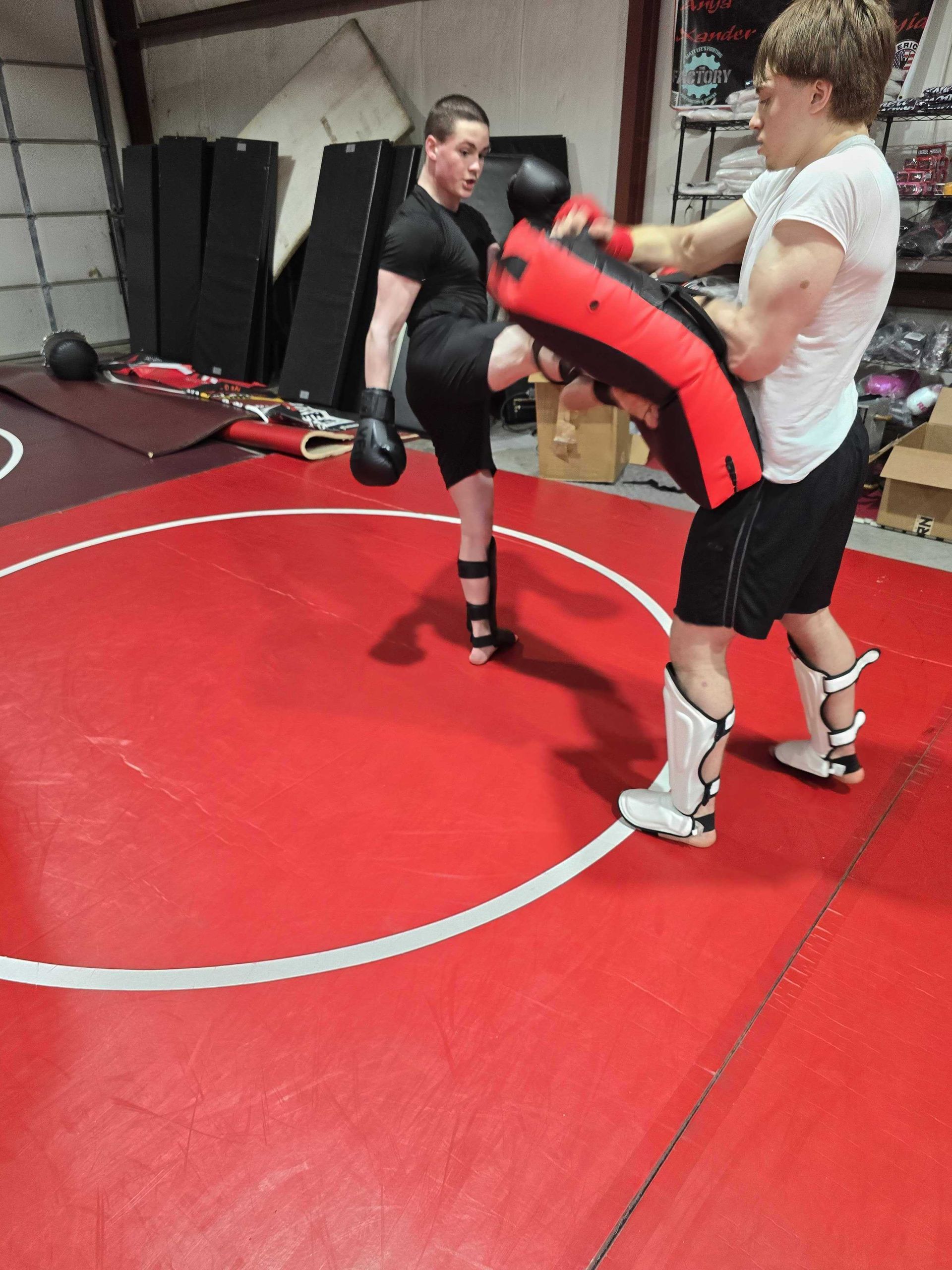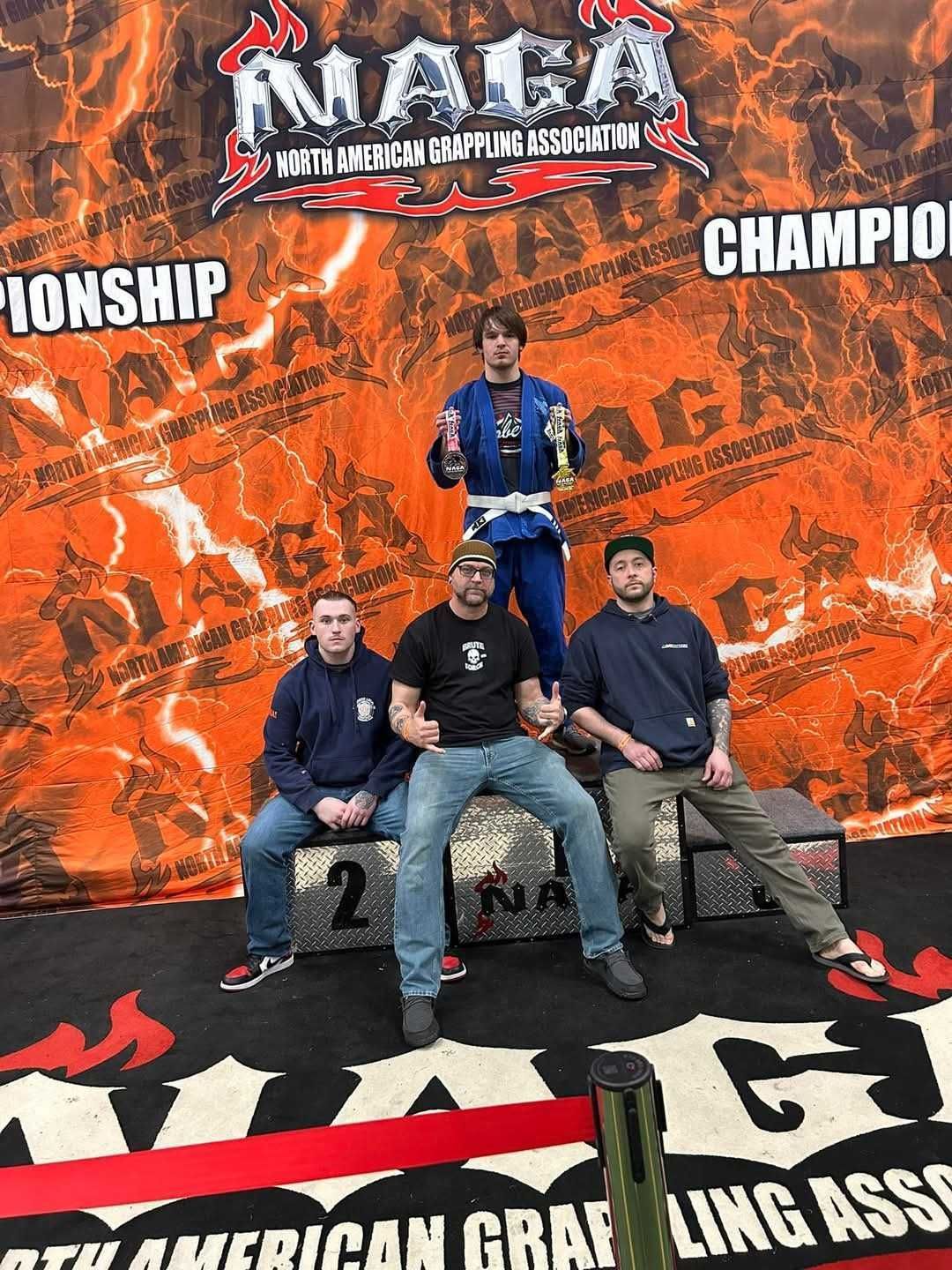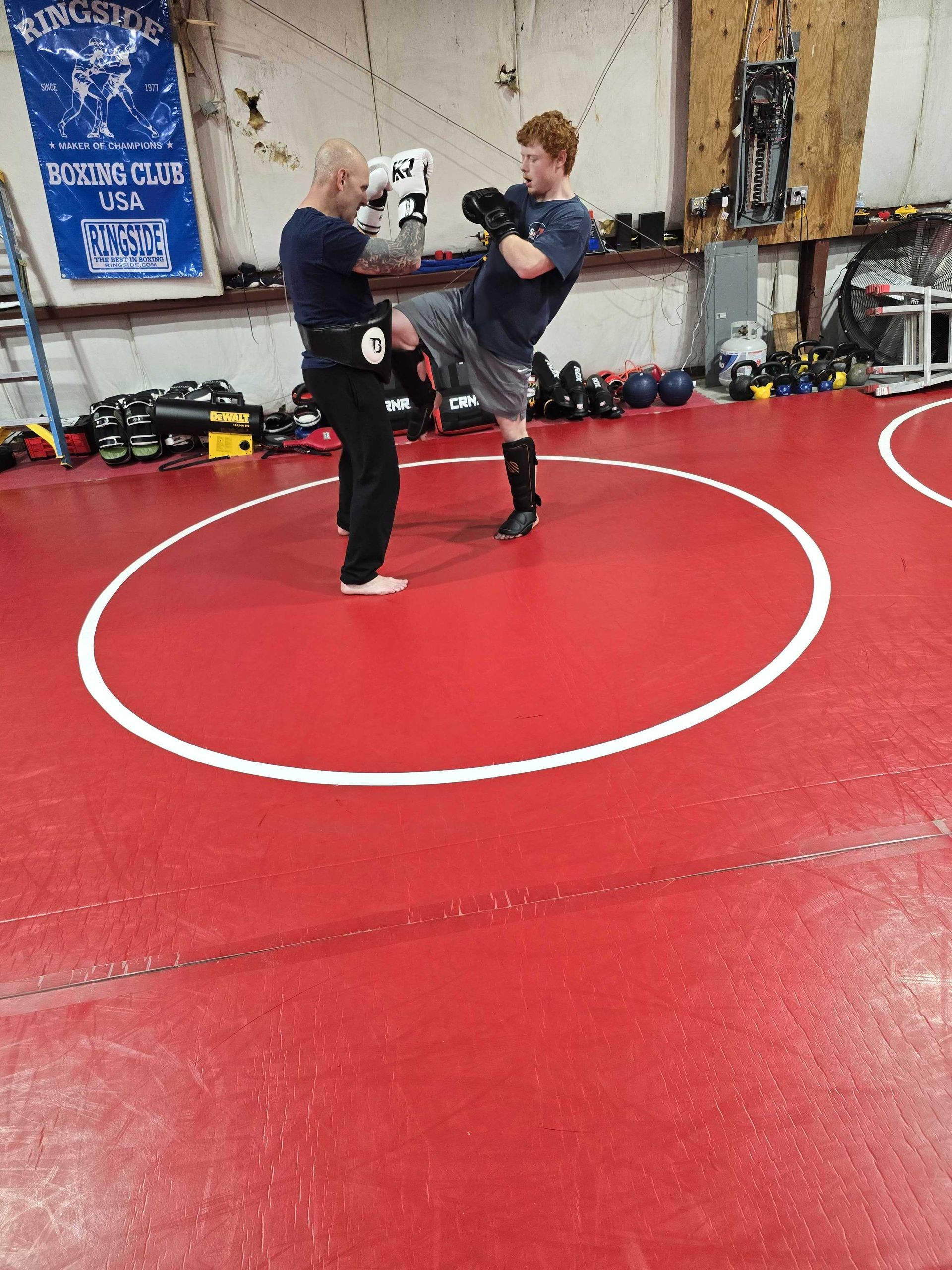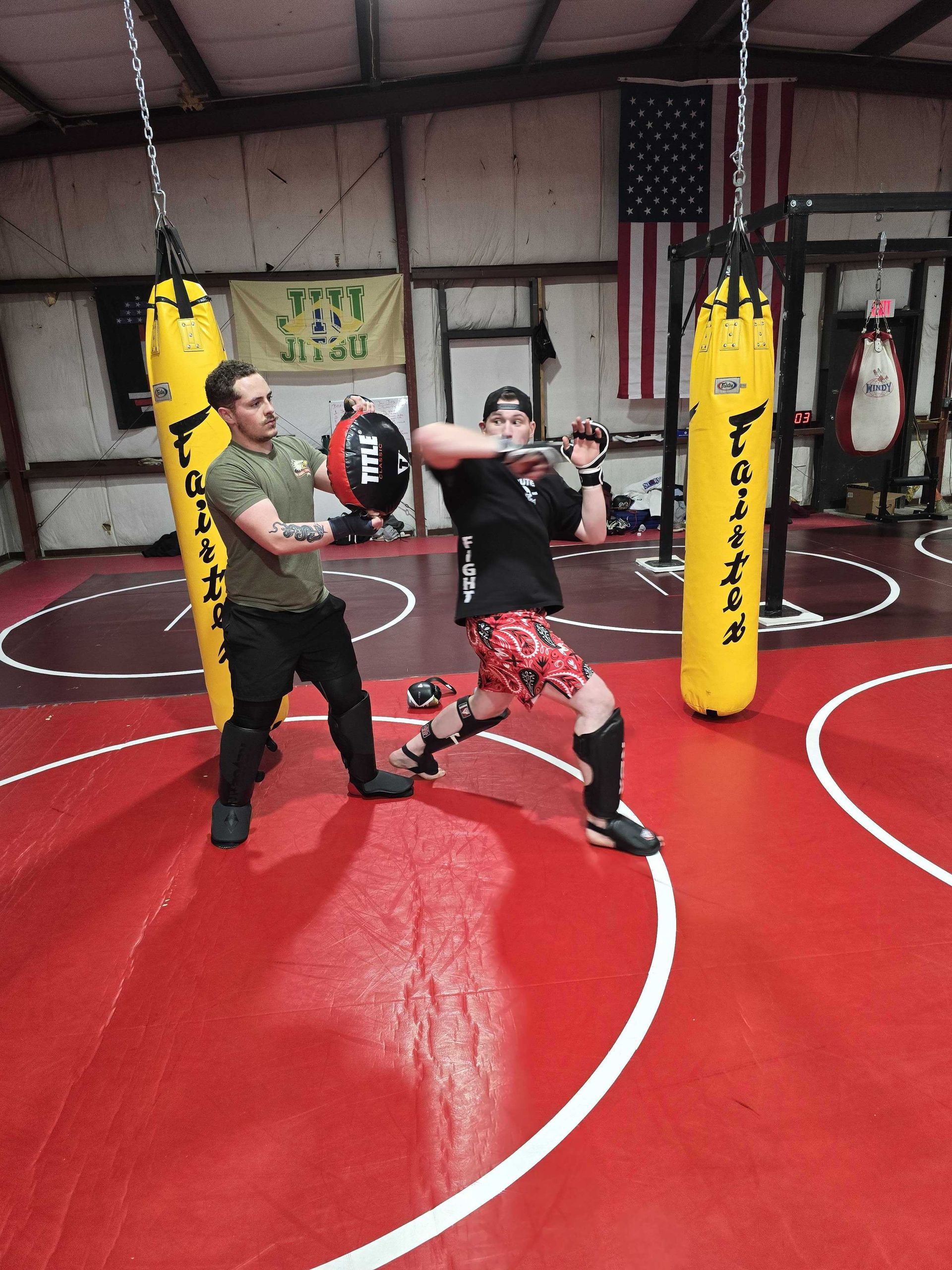

Jiu jitsu is one of the rare workouts that trains your body for effort and your mind for pressure at the same time.
If you want fitness that actually carries into real life, jiu jitsu is hard to beat. It builds strength and conditioning, sure, but it also trains you to stay calm when something feels difficult, uncomfortable, or uncertain. That combination is exactly what many adults in Orange, MA are looking for, especially when life already comes with enough stress.
In our classes, we see resilience grow in a very practical way. You learn how to breathe when you are tired, how to problem-solve when a technique does not work the first time, and how to keep showing up even when your week is busy. Over time, that adds up to a stronger body and a steadier mind.
This article breaks down how jiu jitsu supports physical and mental resilience, what you can expect as a beginner, and how adults in our area can train consistently without burning out.
Why resilience matters in Orange, MA life
Resilience is not just an athlete word. Around here, resilience can mean staying healthy through a long winter, keeping energy up for shift work, or having the patience to manage family responsibilities without feeling stretched thin. In rural New England, options for structured fitness and stress relief can feel limited, and it is easy to fall into the cycle of doing nothing until you feel worse.
We built our training environment to be an answer to that. You do not need to arrive in perfect shape. You need a starting point and a plan that respects your body while still pushing you forward. Jiu jitsu gives you both because the intensity is adjustable, and the learning never really stops.
The physical resilience you build through jiu jitsu
Physical resilience is your ability to do hard things repeatedly without breaking down. In training terms, that means improving your cardio, strength, mobility, and recovery. Jiu jitsu develops those qualities in a unique way: it is not just lifting weights or running miles, it is moving your body with a purpose while managing a resisting partner.
Better cardiovascular health without mindless cardio
Most people do not struggle with understanding cardio. We struggle with sticking to it. Jiu jitsu is different because the conditioning is built into the game of problem-solving. Even at a beginner pace, you will feel your heart rate climb and your breathing change, then you learn how to settle it again.
That cycle of effort and recovery is a big part of why consistent practice improves stamina. Over weeks, you notice you can work longer without panicking. Over months, you recover faster between rounds and between days. That is resilience you can feel when you walk up the stairs, shovel snow, or finish a long shift without feeling wiped.
Functional strength that shows up in everyday movement
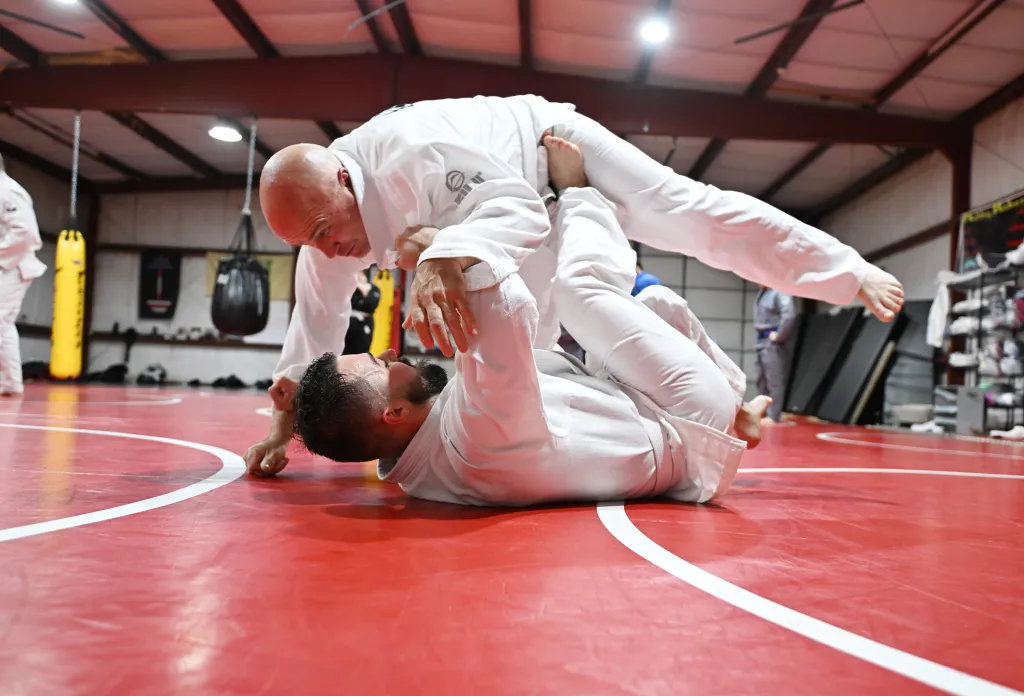
Jiu jitsu builds strength in places many adults forget about until something hurts: hips, grip, trunk stability, and the muscles that support posture. You learn to frame, bridge, shrimp, stand up safely, and control angles. Those movements train coordination and joint integrity, not just raw power.
Our coaching emphasizes technique over muscling through. That matters for longevity. When you learn to use leverage, you can train hard without feeling like you have to be the strongest person in the room to make progress.
Mobility and durability, not just flexibility
A lot of adult bodies feel tight from sitting, driving, or repetitive work. Jiu jitsu requires you to move through different ranges of motion while staying aware of pressure and position. Done correctly, that builds usable mobility and body awareness.
We spend time on warmups that actually prepare you for class: hips, shoulders, spine, and controlled movement patterns. It is not glamorous, but it works. The goal is not to be bendy. The goal is to be durable.
Endurance and recovery that improve with smart consistency
One of the simplest ways to measure physical resilience is how quickly you bounce back. Jiu jitsu helps because it is interval-based and skill-based. You can train at a moderate intensity and still learn a lot, which keeps you progressing even when you are not trying to go to war every session.
For most adults, we recommend a steady rhythm rather than an all-or-nothing approach. You will get more out of three sustainable sessions per week than one brutal week followed by two weeks off.
The mental resilience side: why jiu jitsu changes how you handle stress
Jiu jitsu is physical, but the mental training is real. Research in recent years has highlighted martial arts, especially grappling-based training, as a helpful complement for mental health, including reduced symptoms tied to anxiety, depression, and PTSD in some populations. We do not claim training replaces professional care, but we do see how the structure, exertion, and community can support better day-to-day stability.
Stress relief you can feel, not just talk about
There is a reason many people walk out of class feeling lighter. Hard training can stimulate endorphin release, which supports mood, and the routine of showing up helps stabilize your week. You also get a break from the constant input of screens and notifications. For an hour, your attention is on one thing: solve the problem in front of you.
That focus is not forced. It happens because it has to. When you are learning to escape a bad position, your brain does not have much room left for background noise.
Emotional regulation under pressure
One of the most practical skills jiu jitsu teaches is emotional control. You will get stuck. You will feel frustration. You will tap and reset. And then you do it again, a little smarter.
This is where resilience grows. You learn to notice the moment your breathing speeds up, your shoulders tense, or your thoughts spiral, and you practice calming down anyway. That translates directly to work stress, family conflict, and any situation where you need to stay levelheaded.
Confidence built through measurable progress
Confidence is not a motivational quote. It is the result of evidence. When you remember a technique, apply it in live training, and see it work, you build trust in yourself. That is especially powerful for beginners who have not felt competent in a new skill for a long time.
The cool part is that jiu jitsu gives you constant feedback. You do not have to wonder if you are improving. You feel it in your timing, your balance, and your ability to stay calm.
Grit, self-control, and leadership skills
Jiu jitsu encourages the kind of leadership that is quiet but real: making decisions under pressure, managing stress, and staying respectful while competing. In many studies and real-world observations, grappling-based training is associated with increased self-control and emotional stability, partly because the environment rewards patience and technique, not impulsiveness.
In our room, you learn how to be a good partner. You learn how to communicate, how to keep people safe, and how to push yourself without letting ego take over. That is leadership, even if you never call it that.
What beginners in Orange can expect in the first few weeks
Starting adult jiu jitsu Orange MA style should feel challenging but not chaotic. We keep the learning process structured so you are not guessing what to do.
In the beginning, you will focus on foundational movements, basic positions, and simple submissions and escapes. You will also learn the most important skill of all: how to train safely. Tapping early, moving with control, and respecting your partner are not optional. They are the reason you can train for years.
Here is a realistic timeline we often see:
1. Weeks 1 to 2: You learn how class flows, how to move on the ground, and how to breathe during effort.
2. Weeks 3 to 6: Techniques start to connect, and you begin recognizing positions before you feel stuck.
3. Months 2 to 4: Your conditioning improves, your reactions slow down in a good way, and confidence becomes more consistent.
4. Months 5 and beyond: You start building a personal style, set goals, and notice resilience showing up outside the gym.
How often should you train for noticeable gains?
Most adults do best with two to three sessions per week. That frequency is enough to build momentum, improve fitness, and create the mental reset that keeps stress from piling up.
If you train once a week, you can still learn, but it tends to feel like starting over each time. If you train five days a week right away, you might improve fast, but many adults also get sore, overwhelmed, or inconsistent. The sweet spot is steady, repeatable training.
To make it even easier, we encourage small habits outside class that do not take much time:
- A short walk on non-training days to support recovery
- Five minutes of mobility for hips and shoulders
- A simple sleep routine on training nights
- A quick note in your phone about mood and energy after class
Those small things add up, especially in winter.
Safety, suitability, and training across ages
A common question is whether jiu jitsu is safe, especially for older adults or people who feel out of shape. Our answer is that it can be very safe when taught progressively and practiced responsibly.
We control intensity, pair people thoughtfully, and coach you on how to protect your joints. You are not expected to prove toughness by ignoring pain. Real toughness is training smart enough to come back tomorrow.
This matters for teens, too. Training can build confidence, discipline, and focus, but only in an environment that prioritizes respect and safety. Our culture is built around learning, not bullying, and that makes a difference.
Jiu jitsu Massachusetts benefits for veterans and first responders
In Massachusetts, interest in jiu jitsu as a resilience tool has grown, especially for veterans and first responders. Long-term research and community-based programs have shown lasting reductions in PTSD symptoms for many participants when training is consistent and supportive. Again, training is not a replacement for clinical care, but it can be a powerful piece of a bigger plan.
What seems to help is the combination:
- Physical exertion that regulates stress hormones over time
- Problem-solving that creates a sense of mastery
- A social environment that reduces isolation
- A structured routine that makes the week feel steadier
If you are in a high-stress profession, we keep training practical and respectful. You can work hard, learn control, and leave class feeling more grounded instead of more keyed up.
What you will practice in our adult program
We keep our adult jiu jitsu Orange MA curriculum focused on fundamentals that support resilience. You will learn techniques, but you will also learn how to train like someone who wants to stay healthy.
Key areas we build around include:
- Positional escapes that teach calm under pressure and safe movement
- Guard and passing basics that develop coordination and stamina
- Controlled sparring that gradually increases intensity as you improve
- Breathing and pacing habits that carry into stressful moments outside class
- Partner etiquette and communication that create a supportive training room
That mix is why jiu jitsu works as both fitness and mental training.
Take the Next Step
If you want a practice that builds a stronger body and a steadier mind, jiu jitsu gives you a clear path, and you do not have to be athletic to start. The benefits come from consistency, good coaching, and a training environment where you can work hard without feeling like you are on your own.
That is exactly what we deliver at Roberts Family Mixed Martial Arts in Orange, MA. When you are ready, we will help you start at the right pace, learn the fundamentals, and build real resilience you can use in daily life.
Experience how martial arts builds resilience and confidence by joining a class at Roberts Family Mixed Martial Arts.
ACCESS OUR SCHEDULE
& EXCLUSIVE WEB SPECIAL
Secure your spot and get started today with our EXCLUSIVE offer!