
Discipline is not something kids are born with, it is something they practice until it becomes part of who they are.
In Orange, a lot of parents tell us they are not looking for another activity to “keep kids busy.” They want something that actually sticks, something that shows up at home when it is time to do homework, help out, or calm down after a rough day. Jiu jitsu is one of the clearest paths we have found for building that kind of lasting discipline.
What makes it different is simple: you cannot fake progress on the mat. Your child learns, step by step, that consistent effort beats quick frustration. Our classes turn discipline into a skill you can see, measure, and repeat, and that matters for kids and teens in a world full of distractions.
Why jiu jitsu creates real discipline, not just “good behavior”
Discipline is more than listening to adults. Real discipline is self-management: doing the hard thing when nobody is forcing you. Jiu jitsu trains that mindset because every round gives immediate feedback. If you rush, you lose position. If you forget details, the technique falls apart. If you quit mentally, you get stuck.
The best part is that discipline in jiu jitsu is not taught through yelling or fear. We build it through structure, coaching, and expectations that are clear from the moment you step on the mat. Kids learn what is required, then learn how to meet that requirement.
Over time, you see the shift. A student who used to give up when something felt tricky starts asking better questions. A teen who used to avoid challenge starts showing up consistently, even on days when energy is low. That is discipline becoming a habit.
Our training environment in Orange, MA: calm structure with safe intensity
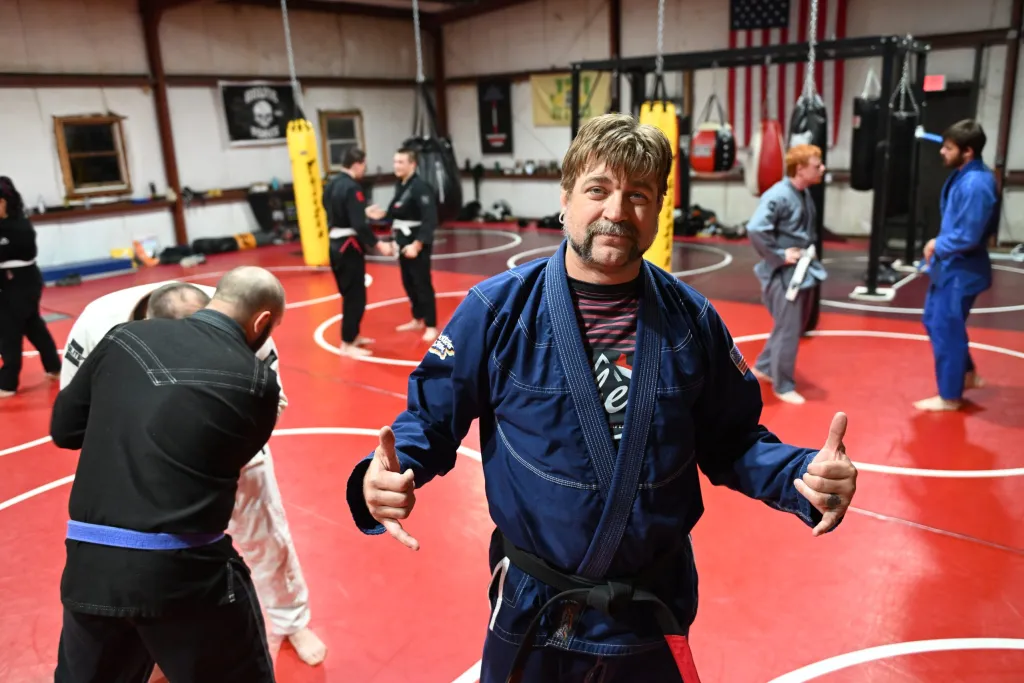
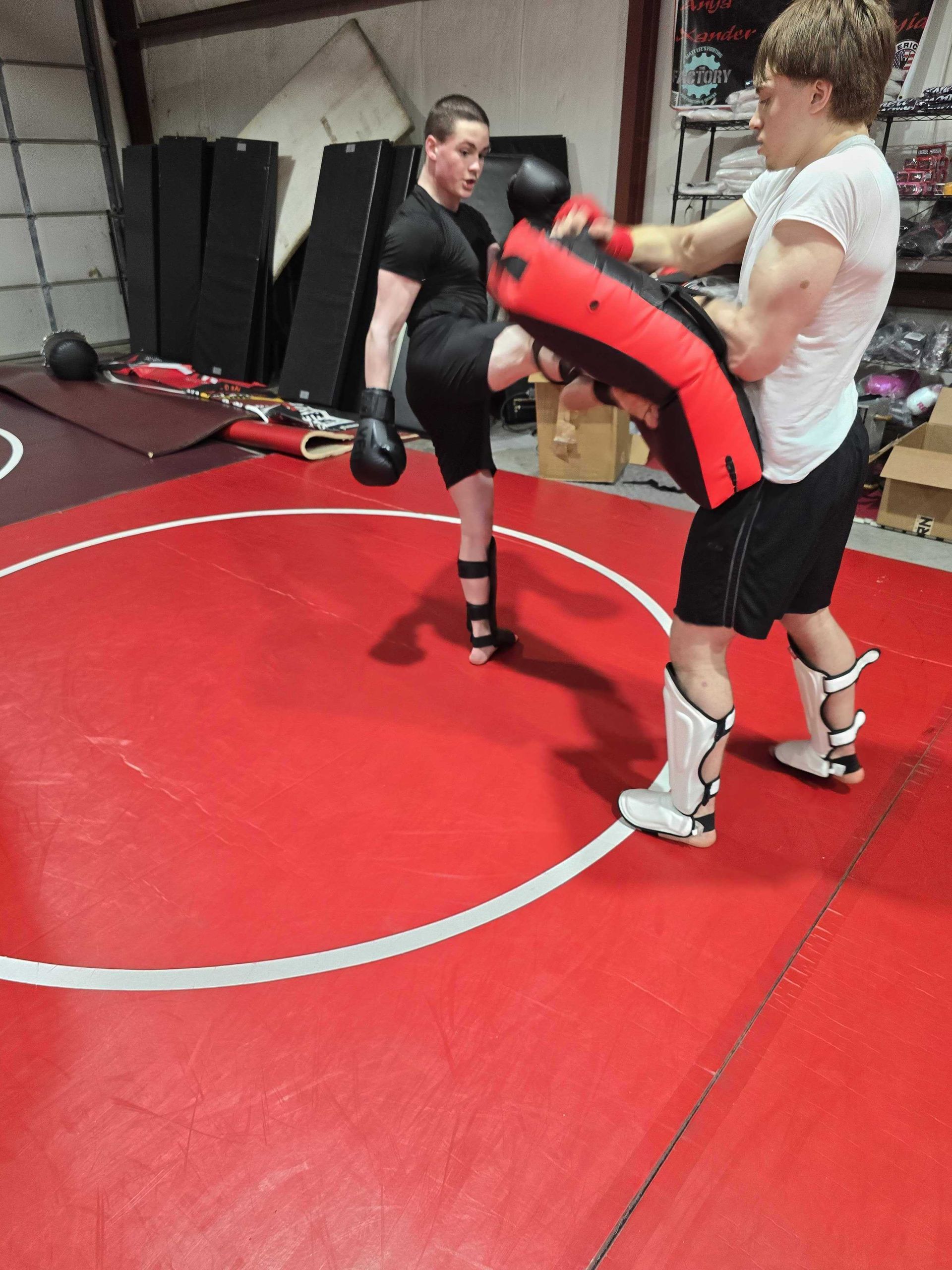
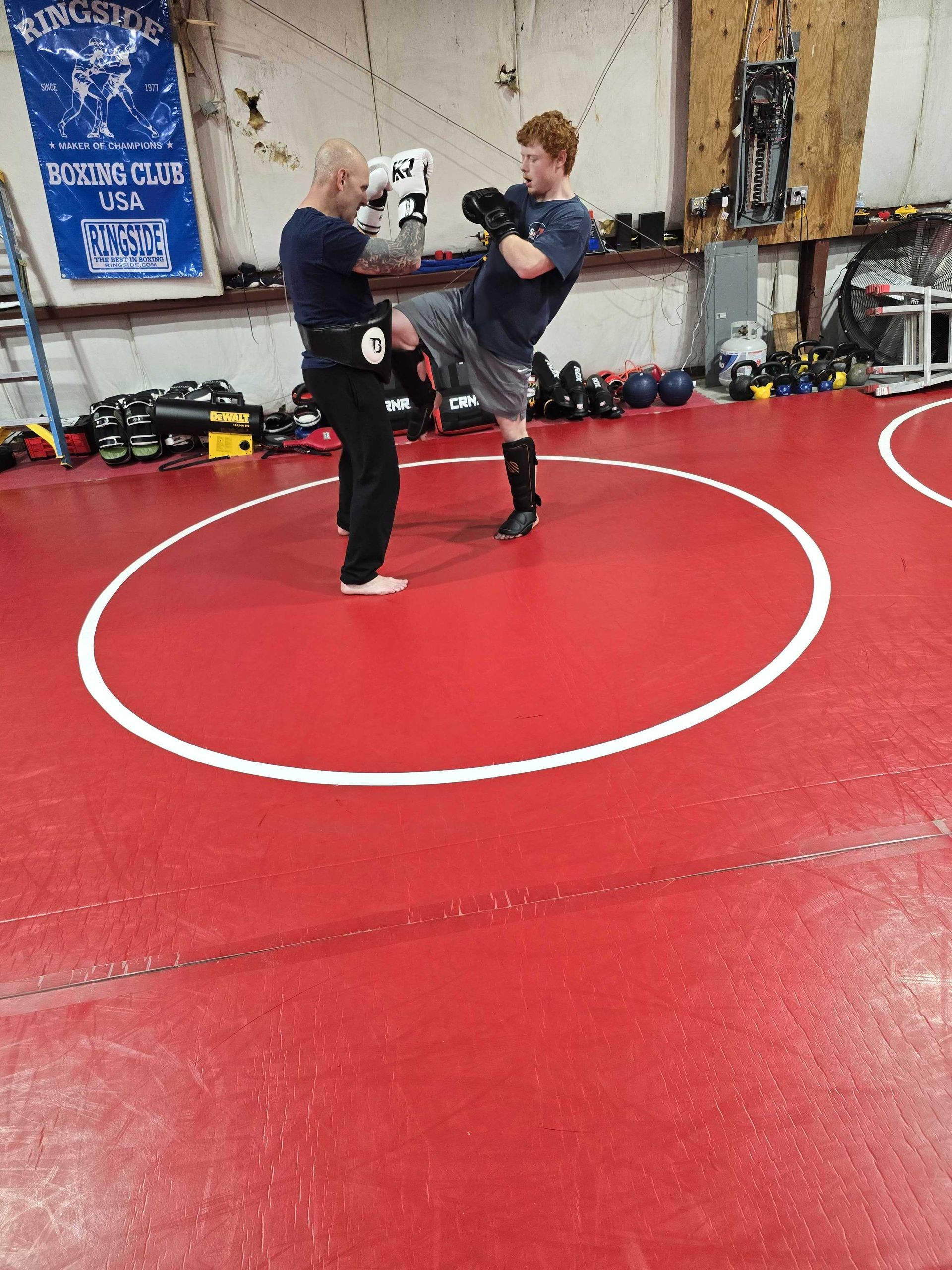
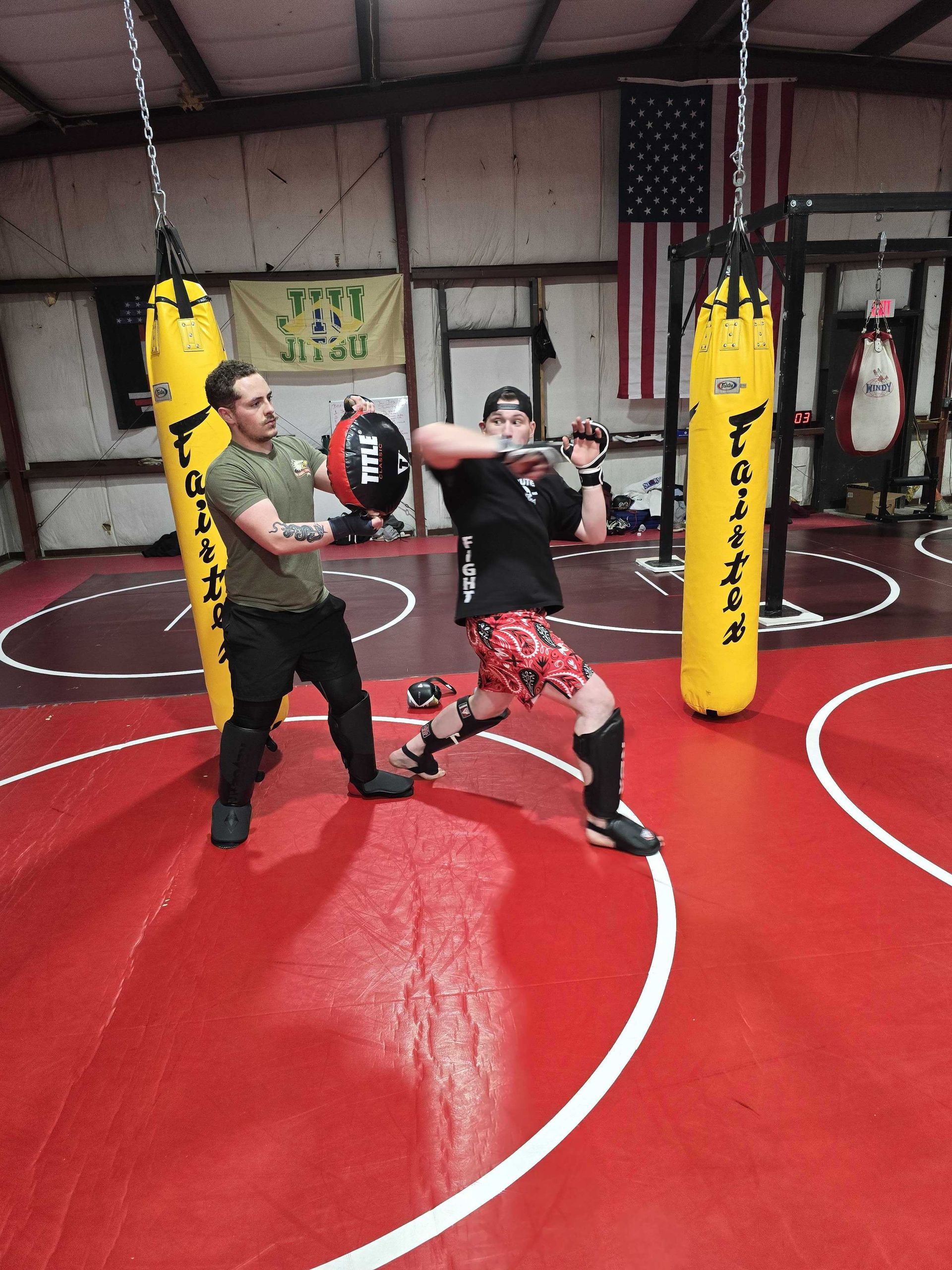
Jiu jitsu looks intense from the outside, and yes, it is physical. But the environment matters more than the intensity. We run classes with controlled instruction and step-by-step guidance so students learn how to train safely while still working hard.
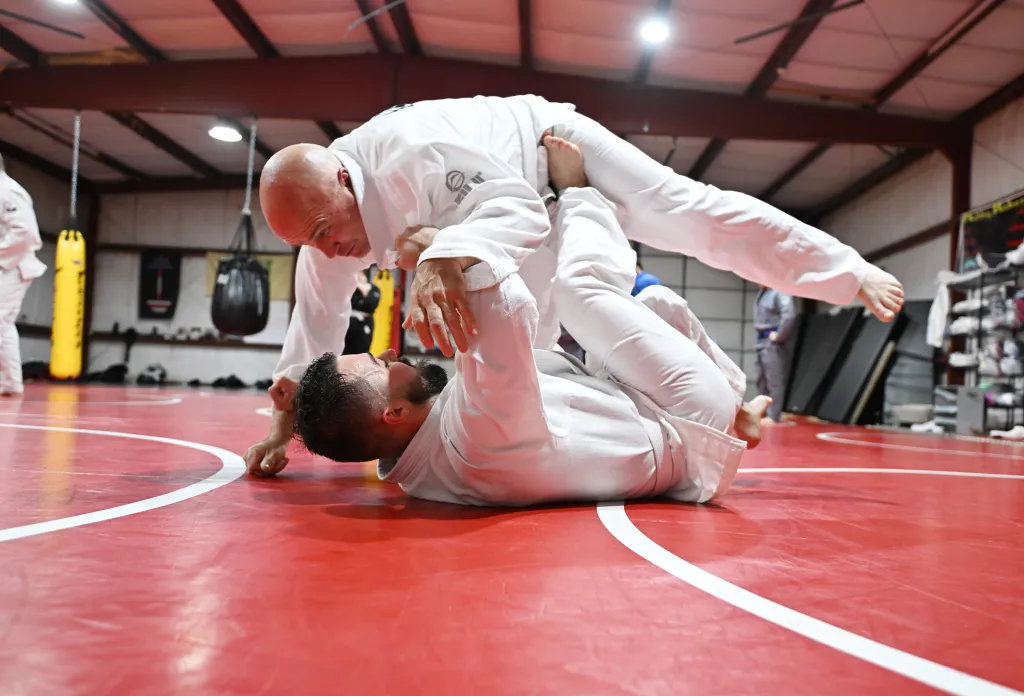
That safety is not an afterthought. Grappling is done on mats, and we emphasize how to move with control, how to communicate with training partners, and how to stop when something does not feel right. When kids feel safe, they can actually focus. When they can focus, they can build discipline.
We also keep the room organized. Students line up, listen, drill with purpose, and learn that good training has a rhythm. That rhythm is a big reason jiu jitsu Massachusetts families often describe as “grounding.” It gives kids something steady to return to each week.
The discipline loop: how kids learn to show up, try, and improve
One of the most helpful ways to explain discipline is as a loop. Jiu jitsu reinforces it over and over until it feels normal.
Here is what that loop looks like in our youth program:
1. Show up even when you do not feel like it
2. Pay attention to details and follow directions
3. Drill with effort, not just motion
4. Make mistakes, then adjust without melting down
5. Test the skill in live practice, stay calm under pressure
6. Reflect, learn, and come back better next class
This is why progress in jiu jitsu is so personal. Students do not just learn techniques, they learn a process for improving at anything.
What kids and teens actually practice that becomes discipline
Discipline can sound abstract, so we like to make it practical. In class, your child practices skills that translate directly to school, sports, and family life.
Our students build discipline through:
• Listening with focus even when they are excited or tired, because missing one detail can change a technique
• Controlling emotions during challenging rounds, learning to breathe, reset, and keep working
• Setting small goals like improving a guard pass or escaping side control, then sticking with it for weeks
• Respecting partners by using controlled strength and good communication, not ego
• Accepting coaching in the moment and applying it right away, even if it feels awkward at first
• Being consistent, because jiu jitsu rewards the student who trains regularly more than the student who “goes hard” once in a while
These are not theoretical lessons. They happen in real time, with real consequences, and that is why they stick.
Discipline for different ages: what changes from 5 to the teen years
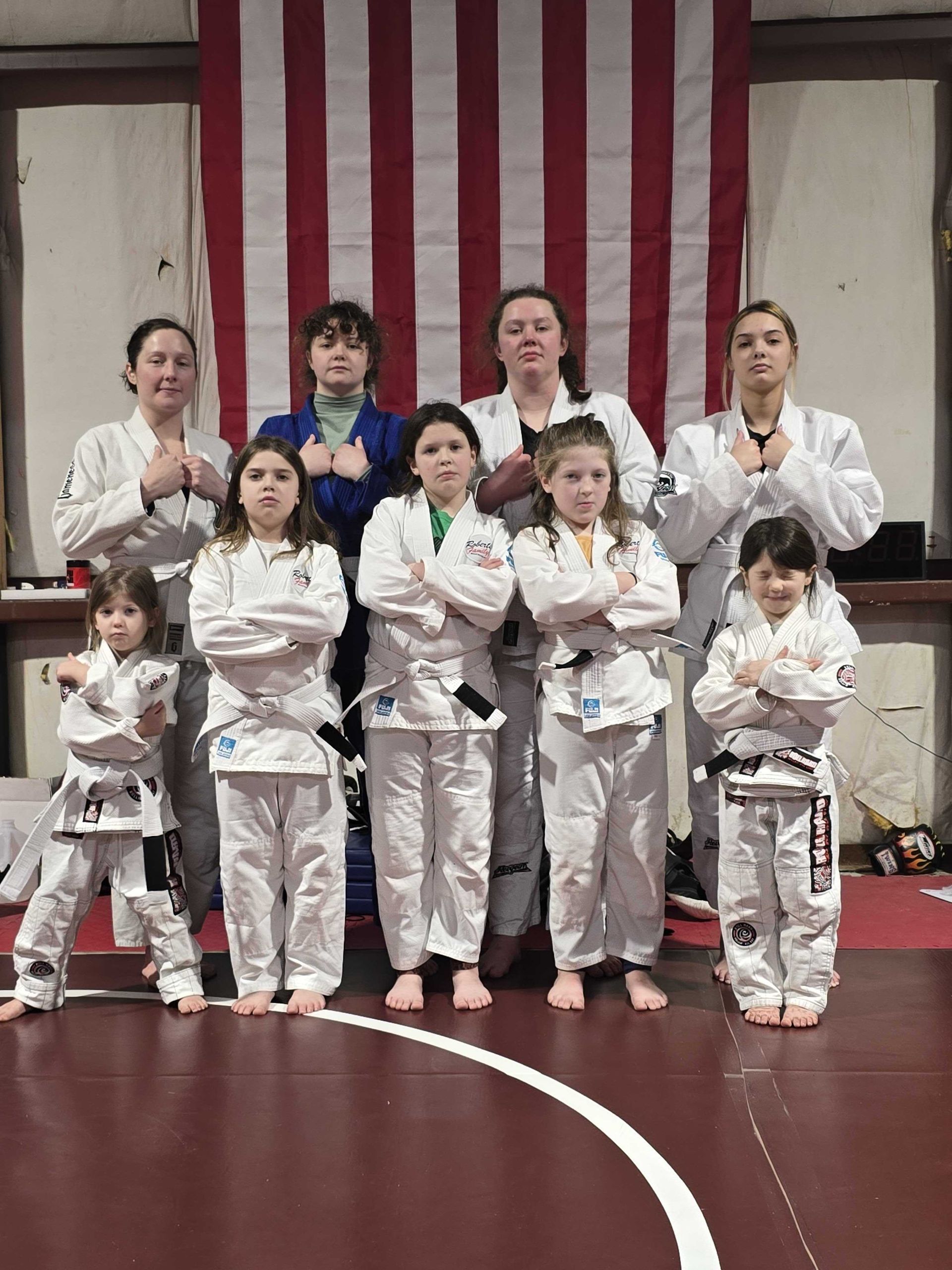
Kids as young as five can start learning jiu jitsu, but discipline looks different at each age. We coach accordingly.
Ages 5 to 8: learning to follow structure and manage energy
At this stage, discipline often means learning how to line up, listen, and stay engaged. We keep instructions clear and build the ability to wait your turn, try again, and handle small frustrations without shutting down. You might be surprised how quickly that carries into daily routines.
Ages 9 to 12: effort, responsibility, and attention to detail
This is where many students begin taking ownership. They start remembering sequences, anticipating what comes next, and seeing the connection between practice and results. Discipline becomes less about reminders and more about pride in improving.
Teens: consistency, emotional control, and confidence without ego
Teen life is busy and unpredictable. Jiu jitsu gives teens a place where expectations are consistent, and that consistency can be a relief. We teach them to stay composed under pressure, think through problems, and keep training even when the learning curve gets steep.
We also see a practical benefit here: jiu jitsu helps reduce the impact of size differences because technique and leverage matter. A teen who trains regularly can roll with adults and hold their own in controlled practice, and that experience builds a quiet, lasting confidence.
Why jiu jitsu is a powerful self-discipline tool for teens in particular
Teens do not usually respond well to lectures about “discipline.” But they do respond to experiences that prove they are capable.
In teen training, the mat becomes a kind of mirror. If you procrastinate on conditioning or skip drilling details, you feel it right away. If you stay consistent, you see progress quickly enough to stay motivated. That feedback loop is honest, and teens respect honest.
It is also a healthy way to manage stress. Live grappling requires problem-solving while breathing hard, which is basically a controlled version of pressure. Over time, students learn that pressure does not have to mean panic. It can mean focus. That lesson matters in school, work, and relationships.
How we keep training safe while still challenging
Parents are right to ask about safety. Jiu jitsu is a contact sport, but it is also one of the most controlled ways to learn real grappling because we can train with high intensity and still reduce risk through rules and supervision.
We keep classes safe by focusing on:
• Clear coaching and structured drilling before live rounds
• Pairing students appropriately so partners can learn, not overwhelm each other
• Teaching tapping early and reinforcing it as smart training, not “quitting”
• Emphasizing control over brute force, especially for excited beginners
• Using mats and supervised rounds so students are not improvising recklessly
Challenge is important, but it has to be the right kind. The goal is steady growth, not chaos.
The role of consistent scheduling and routine in building discipline
Discipline grows best in routines that are predictable. We offer eight guided Brazilian jiu-jitsu classes weekly, which makes it easier to build a training habit instead of treating class like an occasional event.
A routine does something subtle. It reduces negotiation. When class is simply “what we do on these days,” kids stop debating it and start living it. That consistency also helps with sleep, mood, and time management. It is not magic, it is repetition, and it works.
If you are juggling school, sports, or family commitments, check the class schedule page and pick realistic training days. Two days a week done consistently will beat five days one week and none the next.
Where adult training fits in for family discipline and role modeling
Even though this article focuses on kids and teens, adults play a big role in discipline, because kids notice what you follow through on. When parents train, it creates a shared culture of effort at home.
We offer adult jiu jitsu Orange MA students a structured place to build fitness, stress resilience, and skill, and that spills into family life in a positive way. It is also a practical reminder that discipline is not something you “finish.” It is something you maintain.
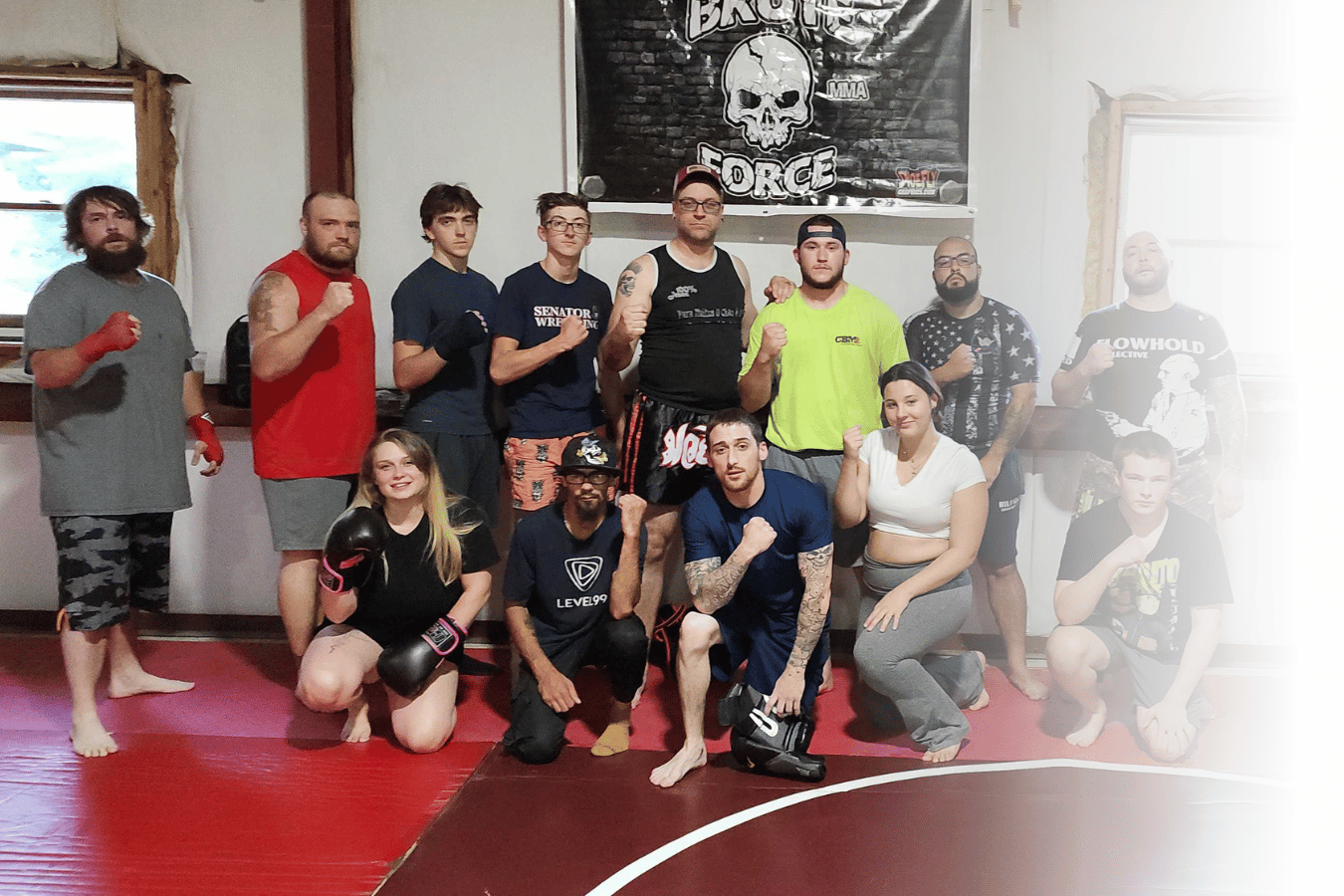
Some families like to train on different days, others like to make it a shared routine. Either way, when your child sees you working through challenges too, the lesson lands deeper.
What progress looks like over months, not days
One class can be exciting. A month can be motivating. But discipline shows itself over longer stretches, when the novelty wears off and the habit remains.
In the first few weeks, most students are learning how to move, how to listen, and how to stay calm during unfamiliar positions. Around the two to three month mark, students often start taking pride in small wins: a clean escape, a better posture, a more patient approach. Later, they begin to self-correct without being asked, which is one of the clearest signs of discipline.
Jiu jitsu teaches kids and teens that improvement is not a mood. It is a decision, repeated.
Take the Next Step
Building discipline is not about finding the strictest environment, it is about finding a place where your child can practice structure, effort, and self-control week after week. That is what we aim to provide, and it is why so many Orange families see jiu jitsu as more than a sport.
When you are ready, Roberts Family Mixed Martial Arts makes it easy to explore our classes, understand how we teach, and choose a routine that fits your household. If you want your child to build discipline that lasts, we would be glad to train with you.
Help your child build confidence, focus, and discipline by enrolling them in youth martial arts classes at Roberts Family Mixed Martial Arts.
ACCESS OUR SCHEDULE
& EXCLUSIVE WEB SPECIAL
Secure your spot and get started today with our EXCLUSIVE offer!