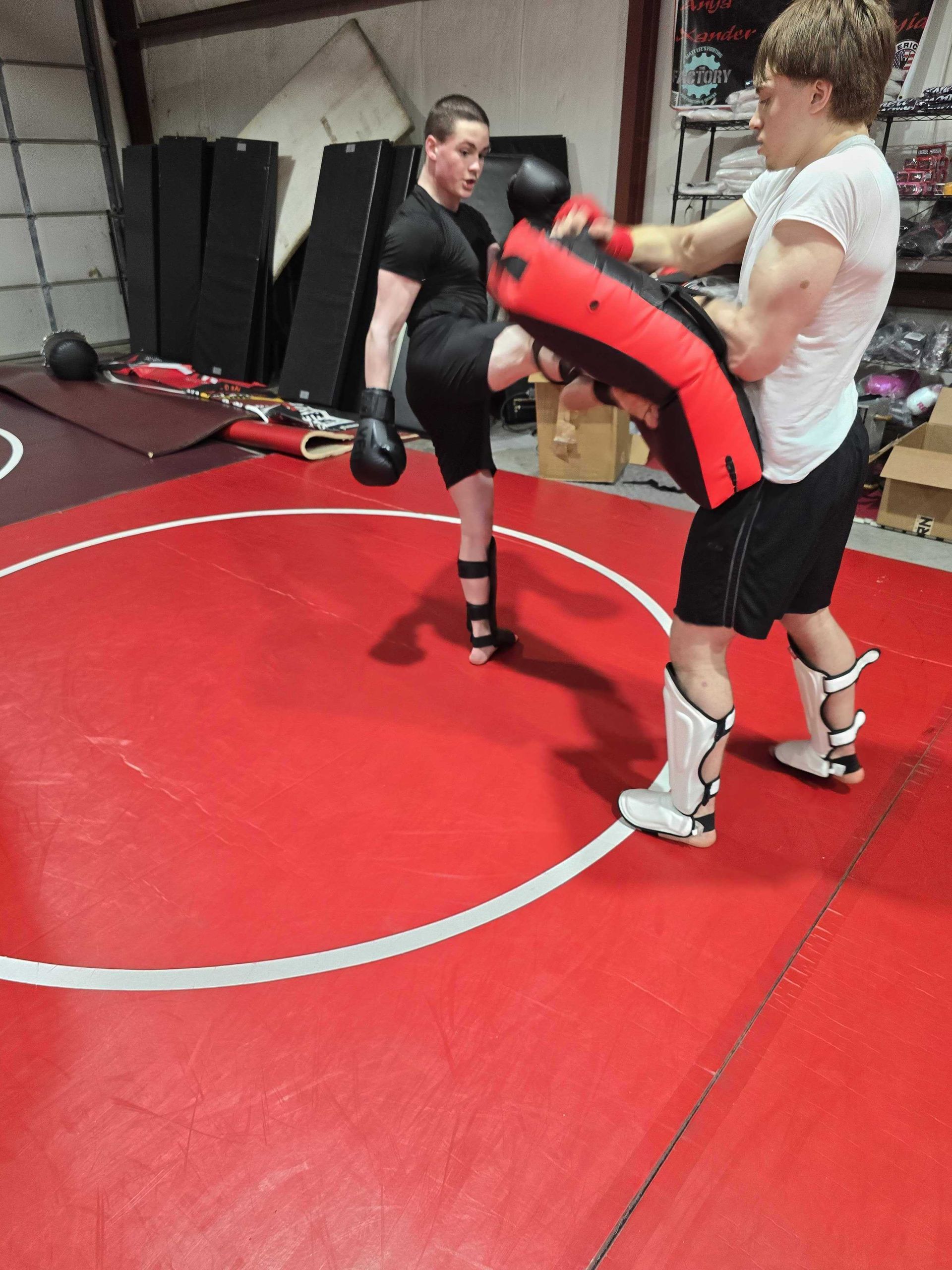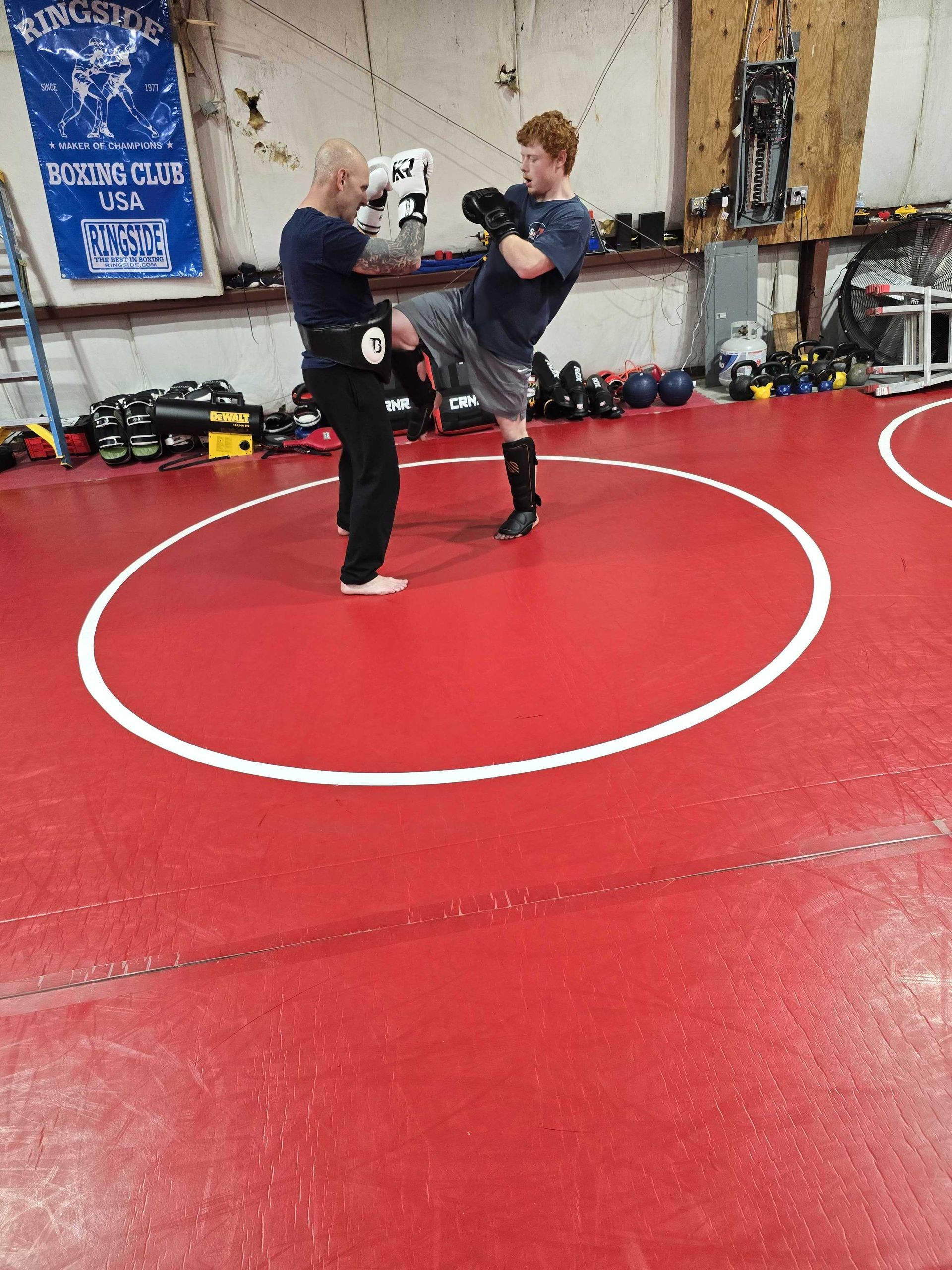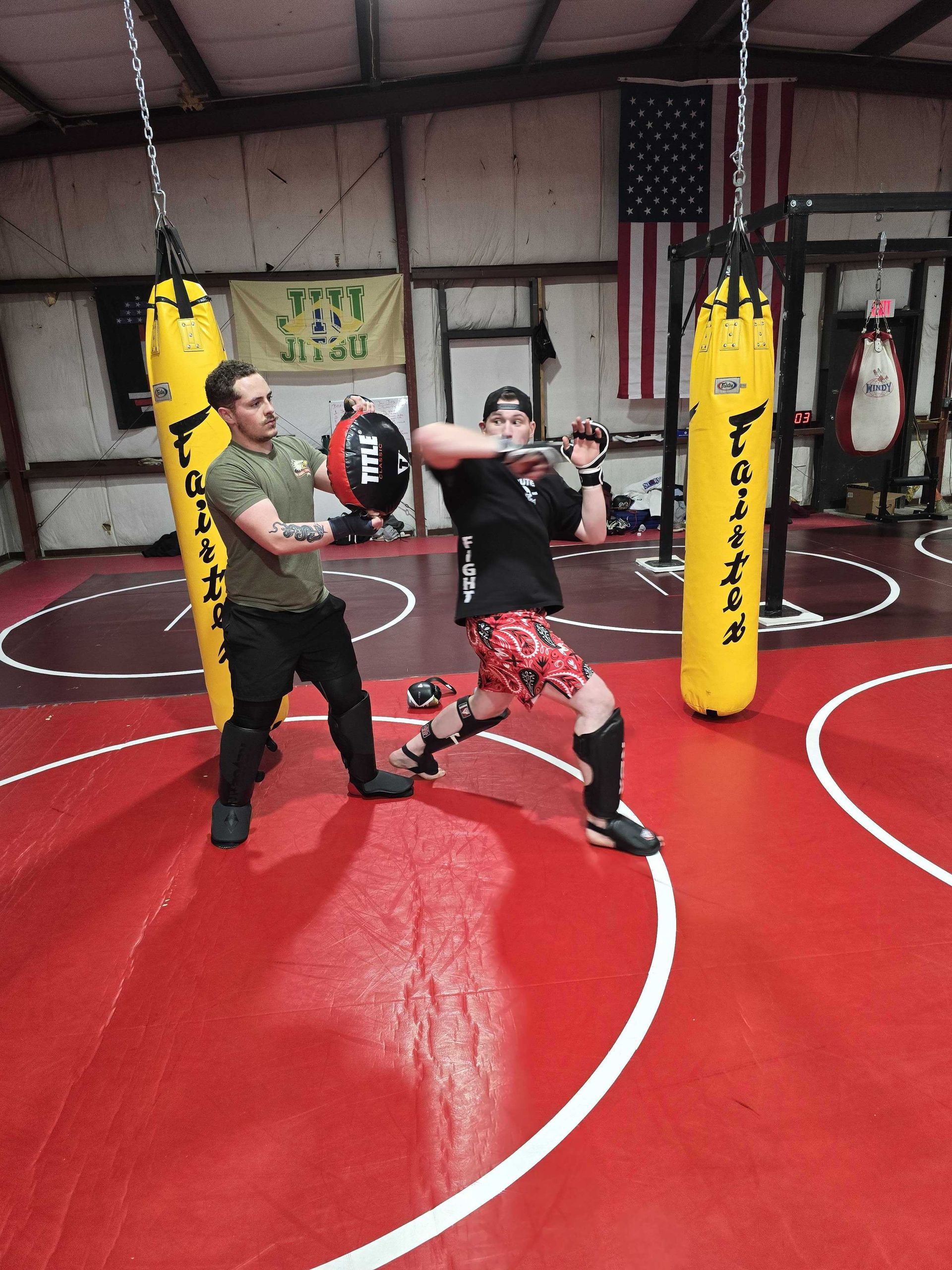

Your first class should feel structured, welcoming, and surprisingly doable, even if you have never trained before.
Walking into your first Jiu jitsu class can bring up a bunch of practical questions fast. What do you wear, who do you train with, and are you expected to know anything on day one. Around Orange, MA, we hear the same concern again and again: you want to try it, but you do not want to feel lost or thrown into the deep end.
Our job in a first class is to make the experience clear and coached from start to finish. Jiu jitsu is technical, but it is also learnable in small steps. When you show up, we guide you through those steps with a pace that keeps things safe and productive, while still feeling like a real workout.
If you have been looking for adult jiu jitsu Orange MA options and you are hoping for a place that prioritizes fundamentals, hygiene, and a solid training culture, this guide will help you picture the whole first-day flow before you ever step on the mats.
What Jiu jitsu is, in plain English
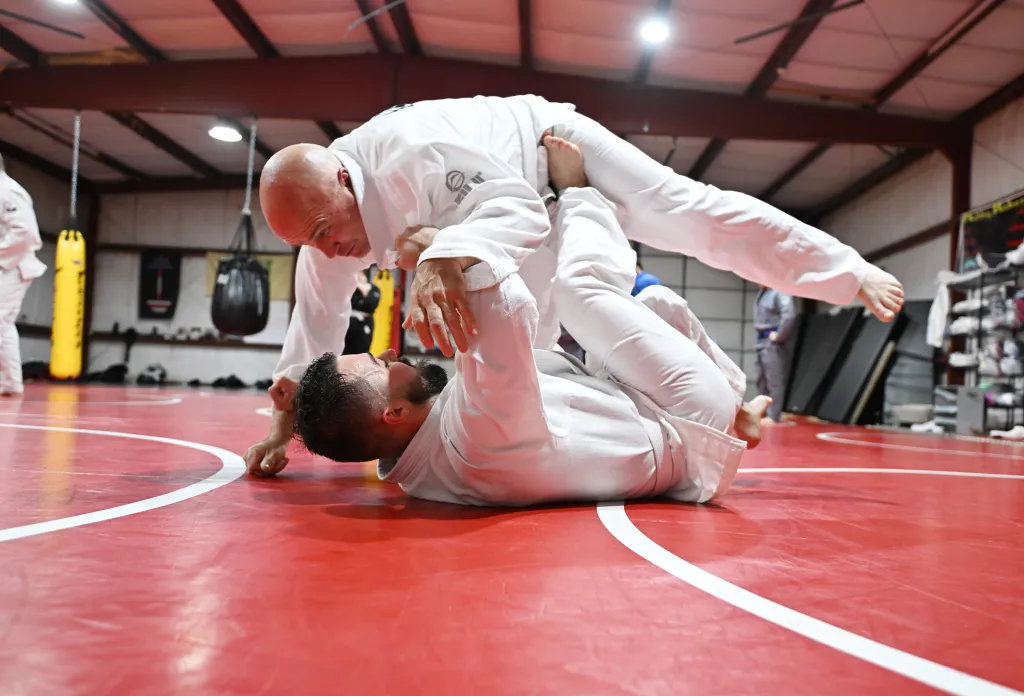
Jiu jitsu, specifically Brazilian Jiu-Jitsu, is a grappling martial art built around control. Instead of relying on punches or kicks, we use positions, leverage, grips, pressure, and timing to manage distance and solve problems on the ground. It is physical, yes, but it is also surprisingly mental. You will feel that right away the first time you learn how a small adjustment in angle makes something work.
One of the reasons jiu jitsu has stayed popular for decades is that it rewards technique over size. Stronger people can still be tough to handle, of course, but the art itself is designed to help you build answers. In real training, that means we focus on clean mechanics, not muscling through every rep.
If you are coming in primarily for fitness, that fits too. A typical class blends movement, drilling, and controlled sparring in a way that builds cardio, strength, flexibility, and coordination without needing a treadmill to keep you entertained.
Before you arrive: what to wear, what to bring, and what not to worry about
For your first class, simple is best. You do not need experience, and you do not need to show up with a bag full of gear. Many people start by wearing comfortable athletic clothes and then decide later whether they want to train in a gi or focus more on No-Gi.
Here is what helps most on day one:
• Comfortable athletic shirt and shorts or leggings that let you move without adjusting every two seconds
• A water bottle, because you will sweat more than you think
• Basic toiletries for after class if you are heading back to work or home right away
• Flip-flops or slides for walking off the mat area, since we train barefoot on the mats
• A willingness to ask questions, because we would rather you ask than guess
We run both Gi and No-Gi options during the week, and we can help you understand what is best for your goals. If you are not sure which class you are coming to, check the class schedule page before you head in so you feel oriented.
Getting oriented: what happens when you walk in
Plan to arrive about 10 to 15 minutes early for your first session. That little buffer takes the edge off, lets you find the entrance, and gives us time to help you get set. Orange is a small town, but first visits still feel easier when you are not rushing.
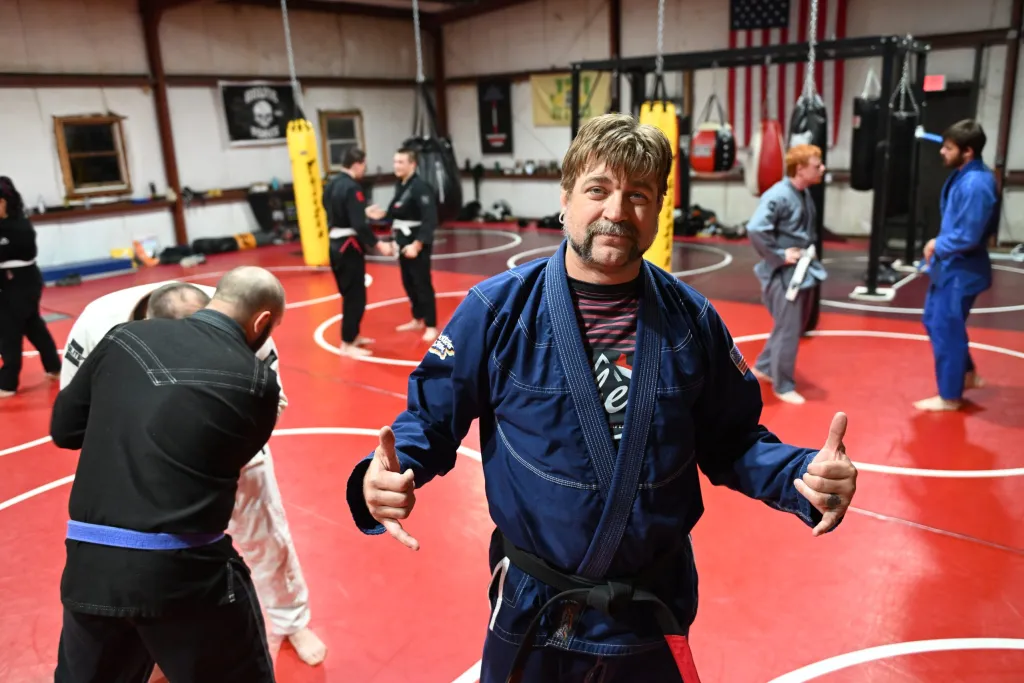
When you arrive, we will point you where to put your stuff, show you the mat area, and cover a few safety basics. If you are brand new, we will also explain how partner drills work, what tapping means, and what pace we want you to keep. You are not expected to know gym etiquette ahead of time. We teach it.
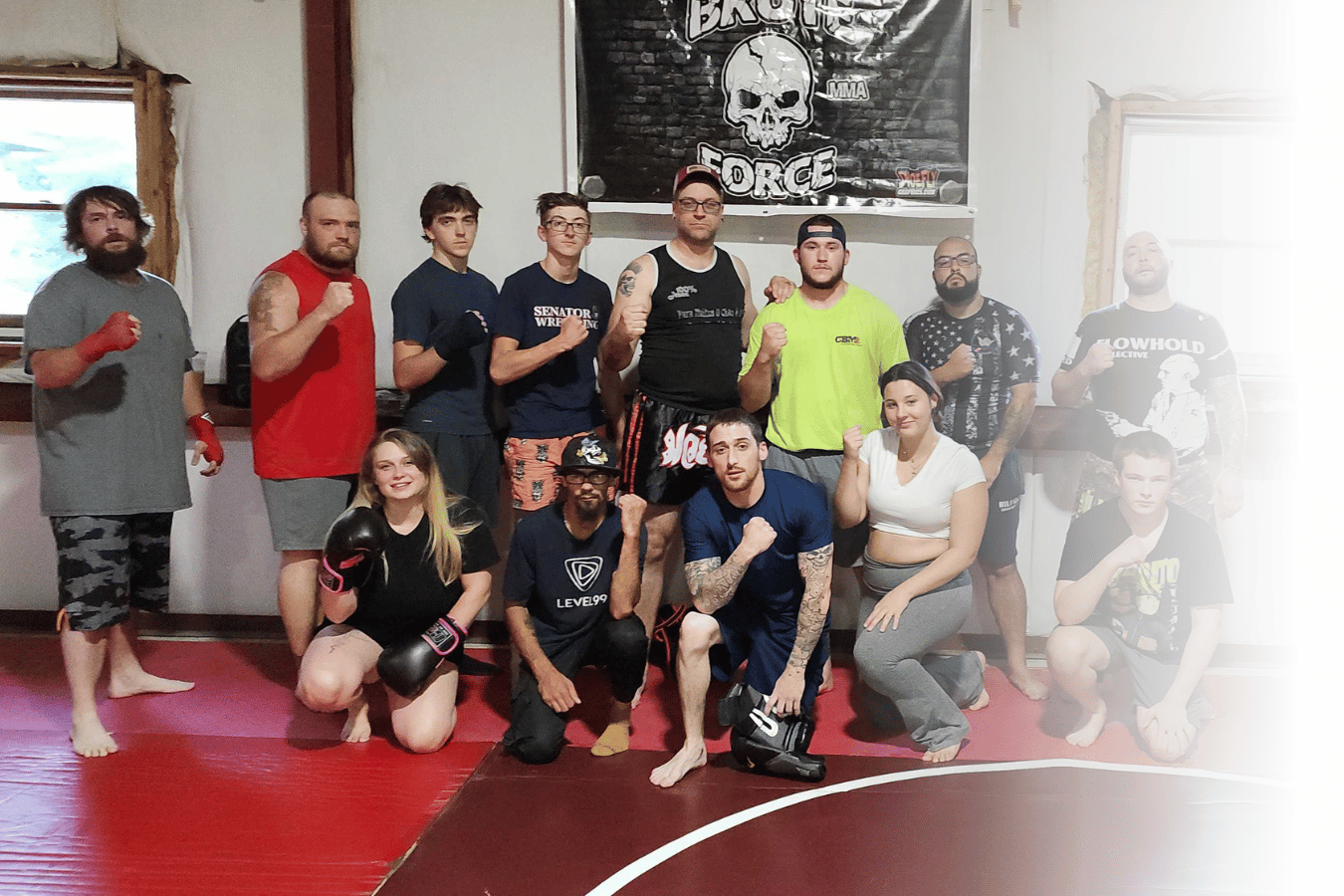
You will notice pretty quickly that the atmosphere is collaborative. People are here to improve, not to prove something. That matters, especially early on, because it gives you room to learn without feeling like every mistake is a big deal.
A step-by-step look at a typical first class
Even though each class has its own theme, most sessions follow a structure that makes learning predictable. That predictability helps beginners relax. You can focus on the techniques instead of wondering what is coming next.
Warm-up that matches the movements you actually use
We do not warm up just to warm up. We use movements that connect directly to jiu jitsu, like hip escapes, bridging, technical stand-ups, and controlled rolls. If you have never done these, that is normal. We demonstrate, we coach, and we keep it at a pace where you can get the coordination down.
You will feel awkward for a minute, then you will feel your body start to understand it. That moment is one of the fun parts, honestly.
Technique instruction: positions first, then details
In your first class, we typically focus on core positions and basic survival skills. Think of concepts like posture, base, frames, and how to move your hips when someone is trying to hold you down. We want you to understand what a good position feels like before we pile on fancy variations.
We also explain why things work. When you know the reason behind a technique, you improve faster and you can troubleshoot on the fly. That problem-solving element is a big reason people stick with jiu jitsu long term.
Partner drilling: slow, controlled reps
Drilling is where you build the skill. You will work with a partner and repeat a technique at a controlled pace. Nobody is supposed to “win” a drill. The goal is clean repetitions, communication, and learning what the movement feels like with real resistance later.
We match partners thoughtfully, especially for new students. Size and strength differences happen in training, but we manage them with smart pairings, clear rules, and coaching. You can always speak up if something feels off. We take that seriously.
Live rolling: optional, guided, and safety-first
Some first-timers are ready to try light sparring, and some are not. Either is fine. If we roll in your first class, we keep it controlled. We also explain the expectations: tap early, move with control, and prioritize learning.
Tapping is not a failure. It is communication. It is how you train safely and consistently. Most injuries in grappling come from people refusing to tap or moving recklessly, and we do not build that kind of culture.
Safety, hygiene, and the “is this intimidating” question
If you are worried about safety, you are not alone. Grappling looks intense from the outside. The reality is that a well-run room feels focused and organized. Our classes are instructor-led, and we put a lot of attention into controlled contact, progressive intensity, and clear boundaries.
Hygiene matters, too, because jiu jitsu is close-contact training. We keep the expectations simple: clean uniform or training clothes, trimmed nails, and good basic cleanliness. When everyone follows the rules, the room stays healthier for everyone.
As for intimidation, here is the truth: most students remember exactly what it felt like to be new. The fastest way to build confidence is to show up, learn the basics, and get a few weeks of consistent reps. You will still be challenged, but you will not feel like you are on an island.
What you will learn early, and why it matters
In the beginning, your biggest wins are usually not submissions. They are the skills that make you harder to control. That is real progress, even if it is not flashy.
Early jiu jitsu learning tends to focus on:
• Understanding common positions like guard, side control, mount, and back control
• Escapes and defensive layers, so you can breathe and stay calm under pressure
• Simple takedown entries or stand-up concepts, depending on the class theme
• Basic submissions introduced with control and context, not rushed
• How to move efficiently, so you do not gas out in 30 seconds
This foundation is also what makes jiu jitsu Massachusetts training feel practical for everyday adults. You are learning how to manage pressure, stay composed, and solve problems step by step.
Benefits you can actually feel outside the gym
People often start for self-defense or fitness and then realize the benefits spill into the rest of life. Training forces you to pay attention. You cannot multitask when someone is trying to pass your guard. That focus becomes a kind of moving meditation, and it is one reason many adults report lower stress after consistent training.
Physically, expect improved cardiovascular health, better mobility in the hips and shoulders, stronger core engagement, and better coordination. Mentally, many students notice more confidence in uncomfortable situations, not because you feel invincible, but because you know you can stay calm and work the problem.
We also see busy working adults and parents succeed because classes are structured and efficient. When you have limited time, you want a workout that teaches a real skill while it gets you in shape.
How to choose Gi vs No-Gi for your first week
You do not have to overthink this, but it helps to understand the difference. Gi training uses a traditional uniform and includes grips on the sleeves and collar. That slows things down a bit and makes certain controls more available. No-Gi is typically faster, with grips on the body and more emphasis on movement and positioning without fabric handles.
If you are brand new, either one can work. What matters most is consistency. Pick a couple of weekly classes you can actually attend, then let your preferences develop naturally.
After class: what to do so you recover well and keep improving
Your first class can leave you with that mix of tired muscles and a busy brain. That is normal. Drink water, eat a real meal, and give yourself a little space to decompress. Light stretching helps, especially hips, hamstrings, and upper back.
Also, do not judge your progress by how many times you got stuck. In early jiu jitsu, you will get stuck a lot. That is the point. Each “stuck” moment becomes a question we can answer with technique.
If you want to accelerate improvement, ask one question after class. Just one. Something like: what should I focus on this week. That keeps your training simple and helps you avoid information overload.
Take the Next Step
If you want a clear, beginner-friendly way to start jiu jitsu in Orange, we built our adult program to be guided, structured, and welcoming from day one. You will find Gi and No-Gi options during the week, fundamentals that make sense, and training partners who understand that everyone starts somewhere.
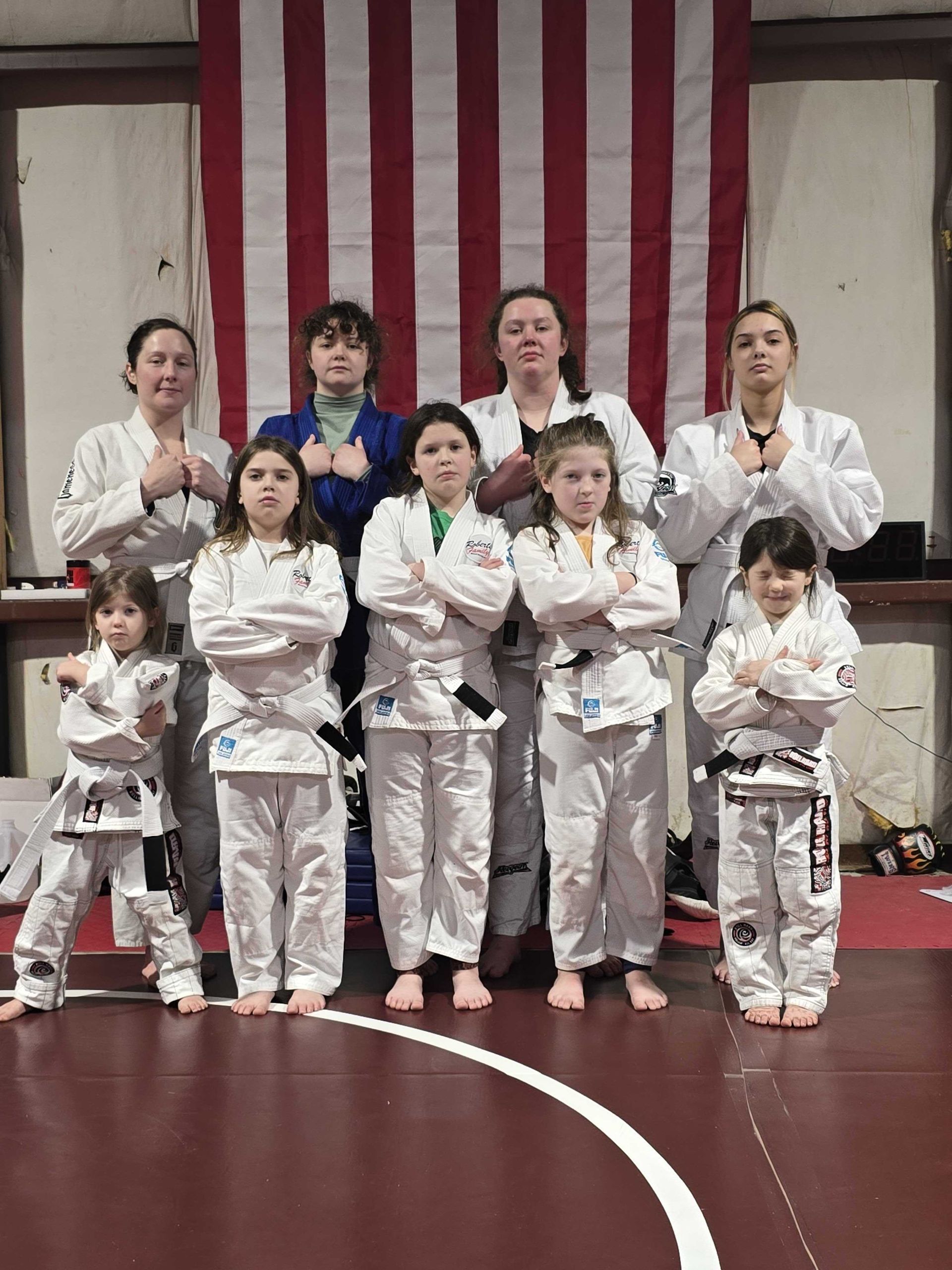
Roberts Family Mixed Martial Arts is here to help you train with purpose, stay safe, and build real skill over time. When you are ready, we would love to have you join us on the mats and see how quickly the first-class nerves turn into confidence.
No experience is required to begin join a martial arts class at Roberts Family Mixed Martial Arts today.
ACCESS OUR SCHEDULE
& EXCLUSIVE WEB SPECIAL
Secure your spot and get started today with our EXCLUSIVE offer!