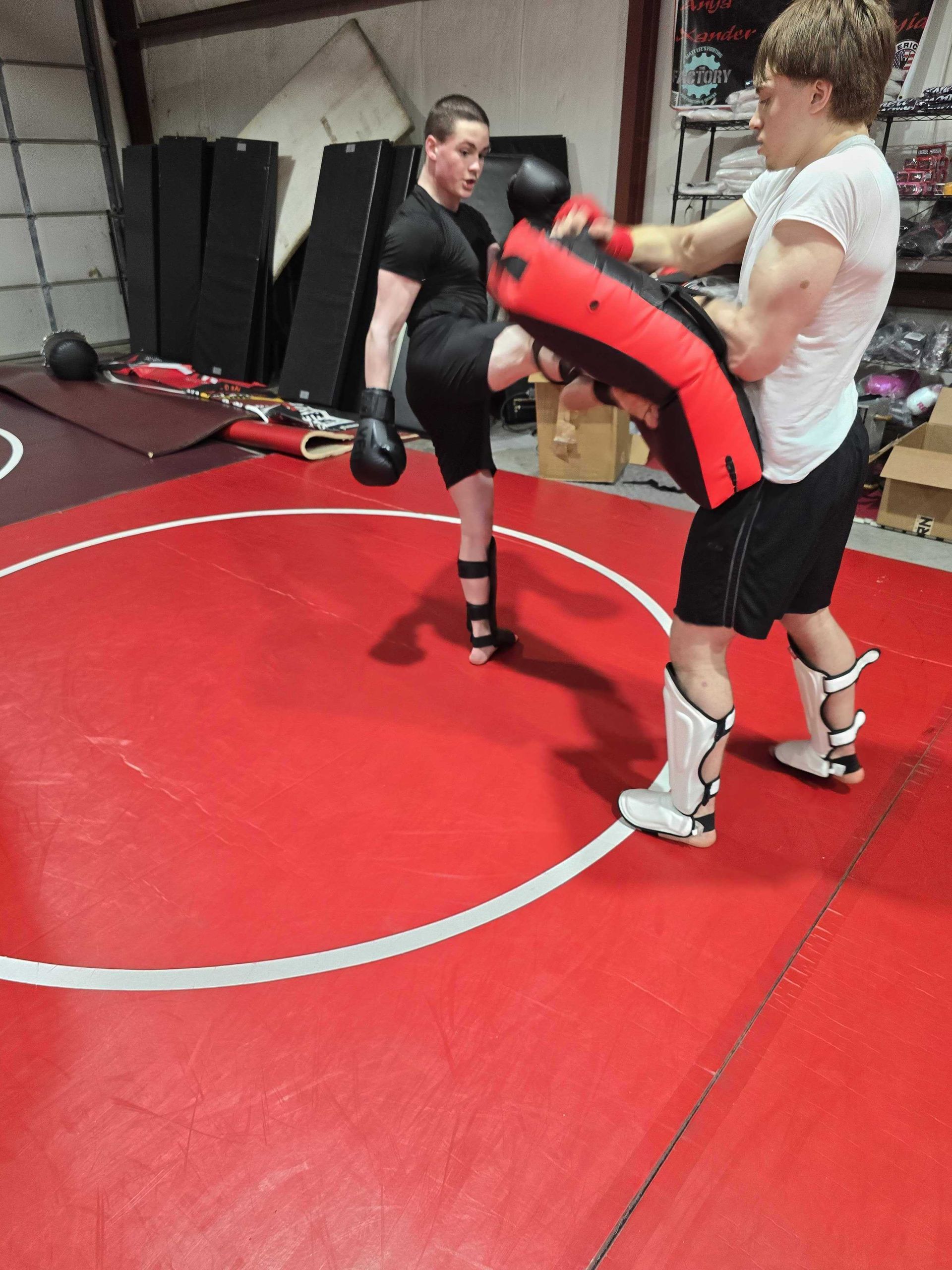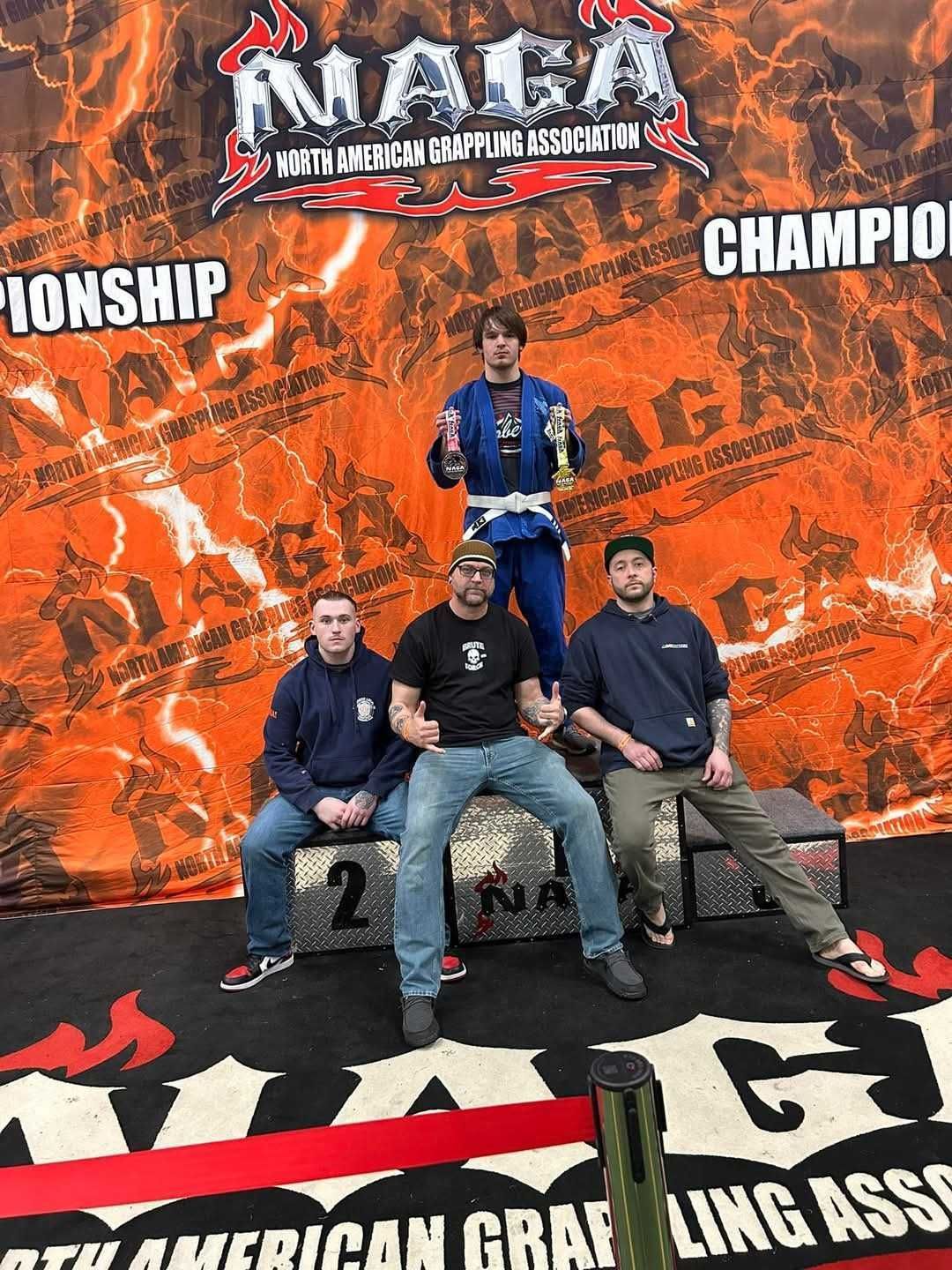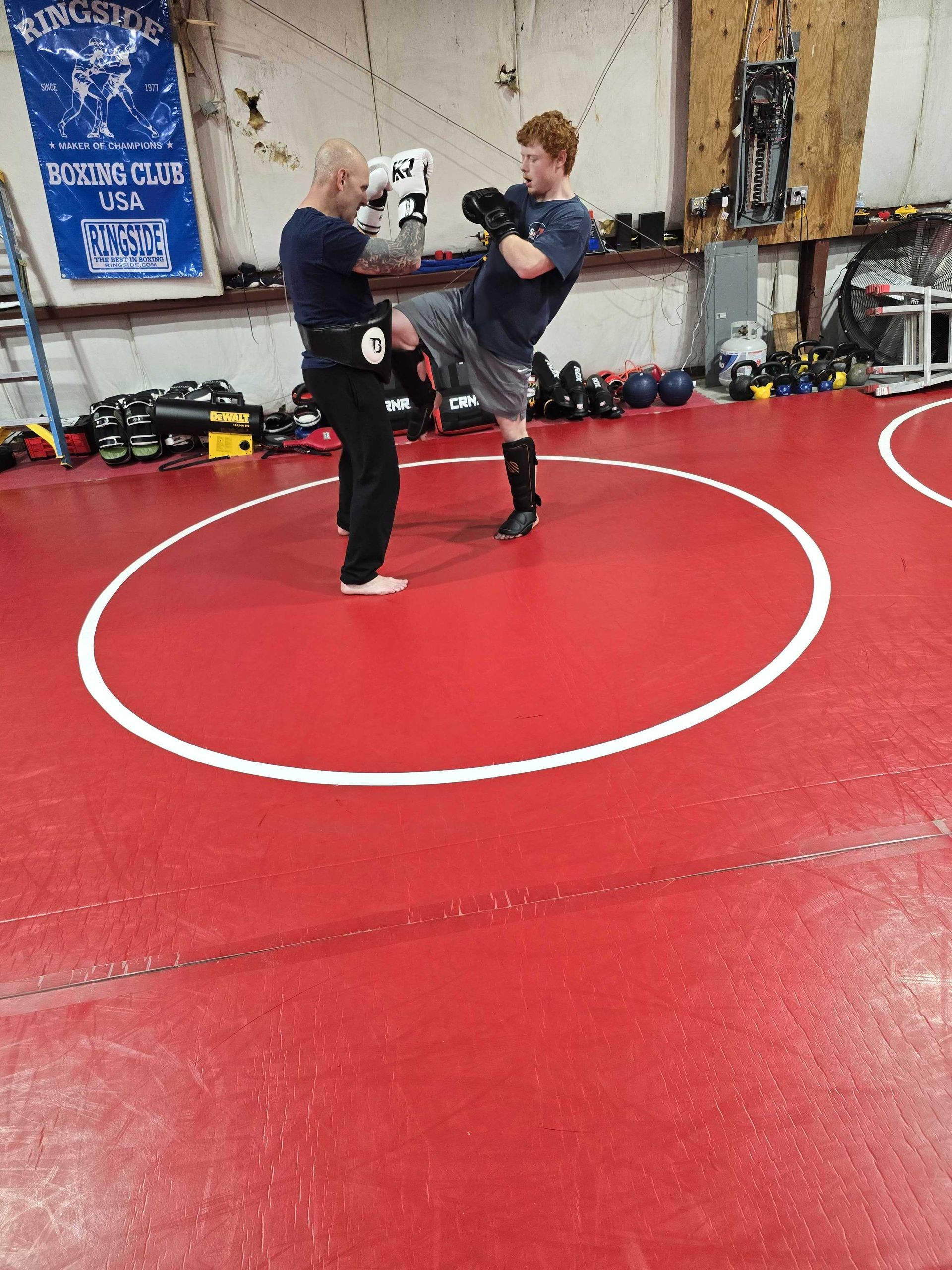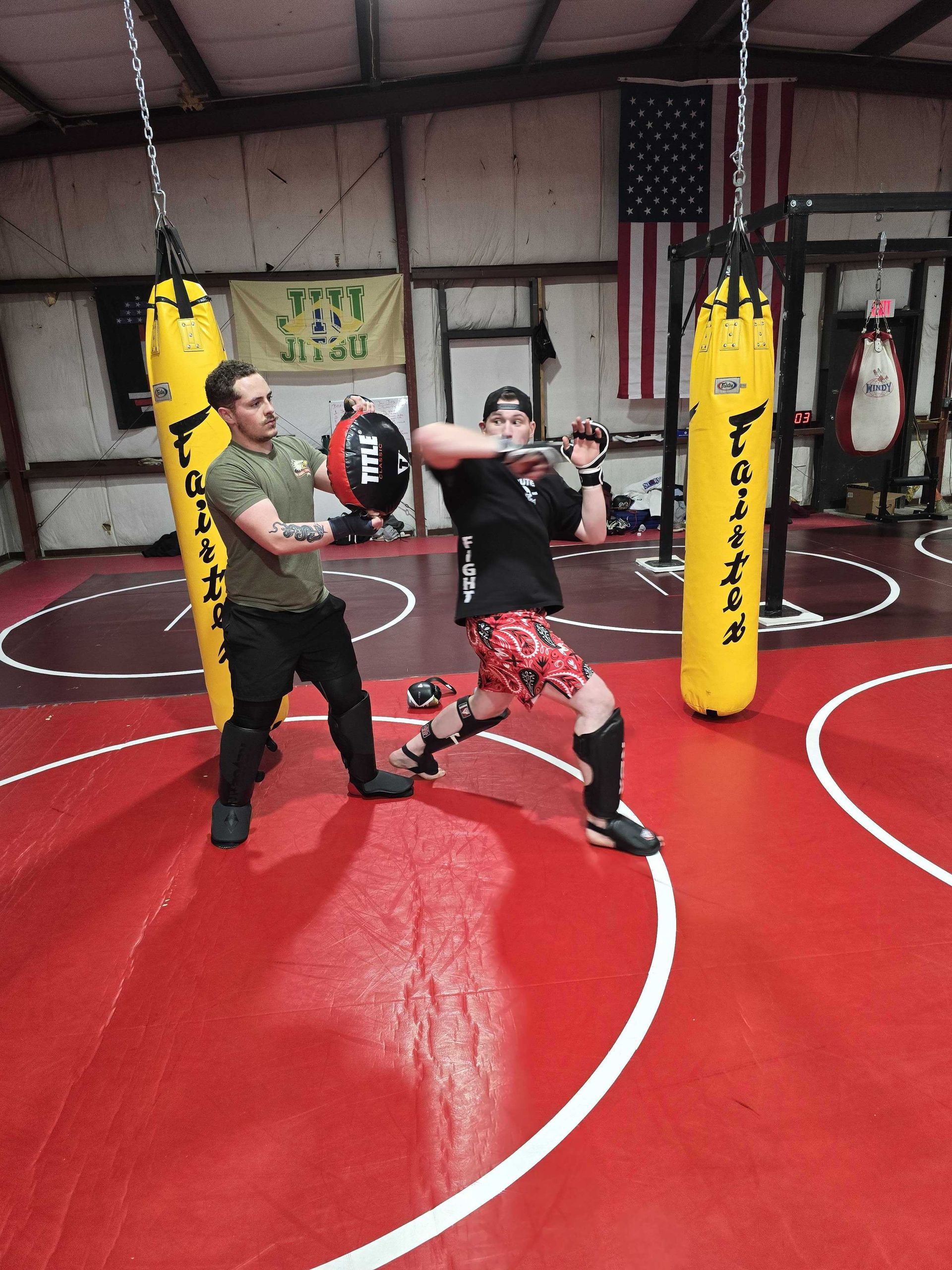

The fastest way to learn trust, timing, and clear communication is to practice with a partner who gives you honest feedback.
Jiu jitsu surprises a lot of new students because it is not just about learning moves. It is a partner-based training system where progress depends on how well you work with someone else, listen, adjust, and try again. If you want better teamwork and communication in daily life, the habits you build on the mats transfer in a very real way.
In Orange, MA, people often juggle busy workweeks, family responsibilities, and not a ton of built-in social outlets. Our classes naturally create a steady routine where you practice cooperation, problem-solving, and calm conversation under pressure. Over time, you start noticing it outside the gym too: you speak up sooner, you listen better, and you handle misunderstandings with less heat.
This article breaks down exactly how jiu jitsu training develops teamwork and communication skills, why it works, and what you can expect when you step into adult training in our Orange, MA community.
Why teamwork is built into jiu jitsu (even when it feels individual)
At first glance, grappling looks like a solo challenge. You are trying to execute a technique, escape a hold, or control a position. But jiu jitsu only works because training partners cooperate in specific ways. We rely on each other to drill safely, to resist at the right level, and to give feedback that makes the next round better than the last.
Teamwork shows up in the small moments. A partner shifts weight slightly so you can feel the right angle. Someone pauses to reset because the technique got messy. You both agree on intensity before sparring, then keep adjusting so it stays productive. These habits are basically teamwork reps, just in a different format than a meeting room.
Trust is the foundation. A Harvard Business Review-cited point that comes up often in discussions on trust-building activities is that trust can increase team effectiveness dramatically, with some summaries citing gains around 50 percent when teams consistently practice trust-based behaviors. On the mats, trust is not a slogan. It is a practical requirement: you tap, your partner stops, and you both keep learning.
Communication happens in real time, not in theory
Communication skills in jiu jitsu are immediate because you see the results instantly. If an instruction is unclear, the technique fails. If feedback is too vague, the same mistake repeats. If you do not listen, your partner feels it right away and the drill falls apart.
We coach students to use short, clear cues during drilling. That might sound simple, but it is a skill. Clear cues reduce frustration and speed up learning, which is one reason communication improvements tend to show measurable performance benefits in team settings. Research summaries often referenced through NCBI discussions connect stronger communication habits with performance gains, sometimes in the range of 25 percent. The exact number varies by context, but the principle holds: clarity improves outcomes.
There is also non-verbal communication, which jiu jitsu teaches constantly. Pressure, posture, breathing, and balance all communicate intent. You get better at reading small signals, and that awareness carries over into everyday interactions where tone and timing matter.
How partner drills train cooperative problem-solving
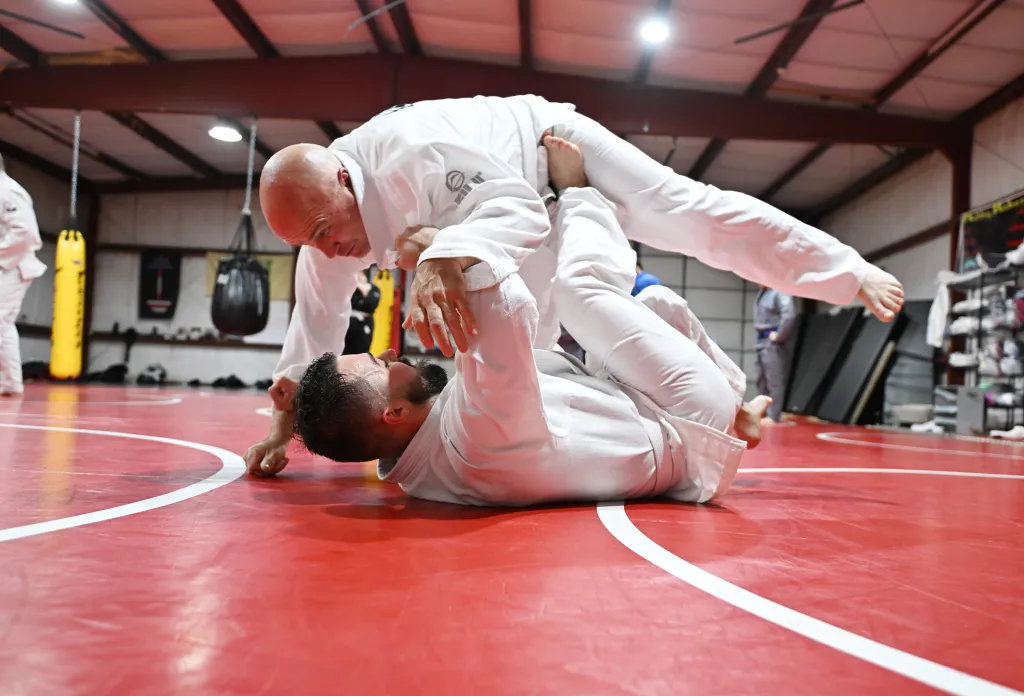
Partner drilling is where teamwork becomes a repeatable practice, not an occasional success. When we drill, we are not just memorizing steps. We are solving a moving problem together: distance, grips, timing, and reaction.
A good partner drill feels like a conversation. One person tries the technique, the other gives realistic structure, and then both adjust. It is collaborative problem-solving, even if you are sweating and trying to remember which hand goes where.
Here is what teamwork looks like in a typical drill cycle:
- You agree on the goal, like improving a guard pass setup without rushing it
- You set the intensity so both people can learn, not just survive
- You repeat with small adjustments, then switch roles so each person understands both sides
- You share what you felt, such as where balance broke down or where grips slipped
- You end with a quick reset so the next round starts clean, not tense
That process is basically how strong teams operate anywhere: shared goals, clear roles, feedback loops, and respect for the process.
Sparring develops calm communication under pressure
Sparring is where many students expect aggression, but the best rounds look more like controlled experimentation. You are testing what you know, but you are also protecting your partner and yourself. That requires constant micro-decisions and emotional control.
Before a round, we encourage quick, direct communication. What pace are you aiming for? Are you working on a specific position? Is anything sore today? These are simple questions, but they build the habit of speaking up early, which prevents problems later.
During the round, communication becomes mostly non-verbal. You learn to recognize when a partner is stuck, when pressure is too much, or when the pace is drifting into something unhelpful. After the round, you talk. What worked? What surprised you? What should you try next time? Those post-round conversations are where students often build real rapport, because the feedback is honest and immediate.
Gallup data discussions about workplace culture often highlight how supportive teammates correlate with much higher satisfaction, with figures sometimes cited as 83 percent higher employee satisfaction when people feel supported by coworkers. Jiu jitsu creates that kind of support through repeated shared effort, not forced friendliness.
Why adult training in Orange, MA can feel like a community shortcut
In a smaller town, it can be hard to find consistent ways to meet people who want to improve themselves and show up regularly. Adult jiu jitsu Orange MA training gives you an instant structure: same room, same effort, steady progress, and a culture of helping each other.
That matters because communication and teamwork are not learned from reading tips. You build them through repetition with real humans. You get used to different personalities and learning styles. You practice being patient with beginners, and you practice being humble when you are the beginner.
Over time, you see a shift. People start greeting each other by name. New students get guided instead of ignored. Partners share small details that make techniques click. It is not loud or flashy, but it is real.
The communication skills you build, step by step
When people say martial arts improves communication, it can sound vague. In jiu jitsu, the improvement is specific because training forces you to communicate in a certain rhythm.
We usually see progress in three layers:
1. Clarity: you learn to give short instructions that are easy to follow, like move your knee here, keep your elbow tight, slow down
2. Listening: you start paying attention to feedback without defending your ego, which is honestly a big one
3. Timing: you learn when to speak, when to demonstrate, and when to let someone feel the movement first
These layers show up outside training. You explain tasks better at work. You ask better questions. You stop interrupting as much. You can disagree without escalating. That is not magic, it is practice.
Conflict resolution and emotional control, without the drama
Jiu jitsu is a physical problem, but it teaches emotional control in a practical way. If you panic, you gas out. If you get stubborn, you get stuck. If you get angry, you make poor decisions. Learning to stay calm is part of the skill.
That calmness becomes a form of conflict resolution. Instead of reacting, you learn to pause and choose a response. On the mats, that might mean conceding a position to avoid a bad scramble. In daily life, it might mean asking a clarifying question instead of assuming the worst.
This is also why jiu jitsu Massachusetts communities are increasingly talked about as mental health-friendly spaces. Trends from 2021 to 2025 in martial arts discussions highlight reduced anxiety, improved resilience, and stronger self-efficacy, especially for teens, but adults benefit too. The training gives you a controlled place to struggle, recover, and try again.
Family and teen benefits that strengthen everyday communication
Even when adults are the ones training, the ripple effects hit the household. You become more patient. You start modeling healthy effort. You talk about challenges differently because you are used to being coached and corrected.
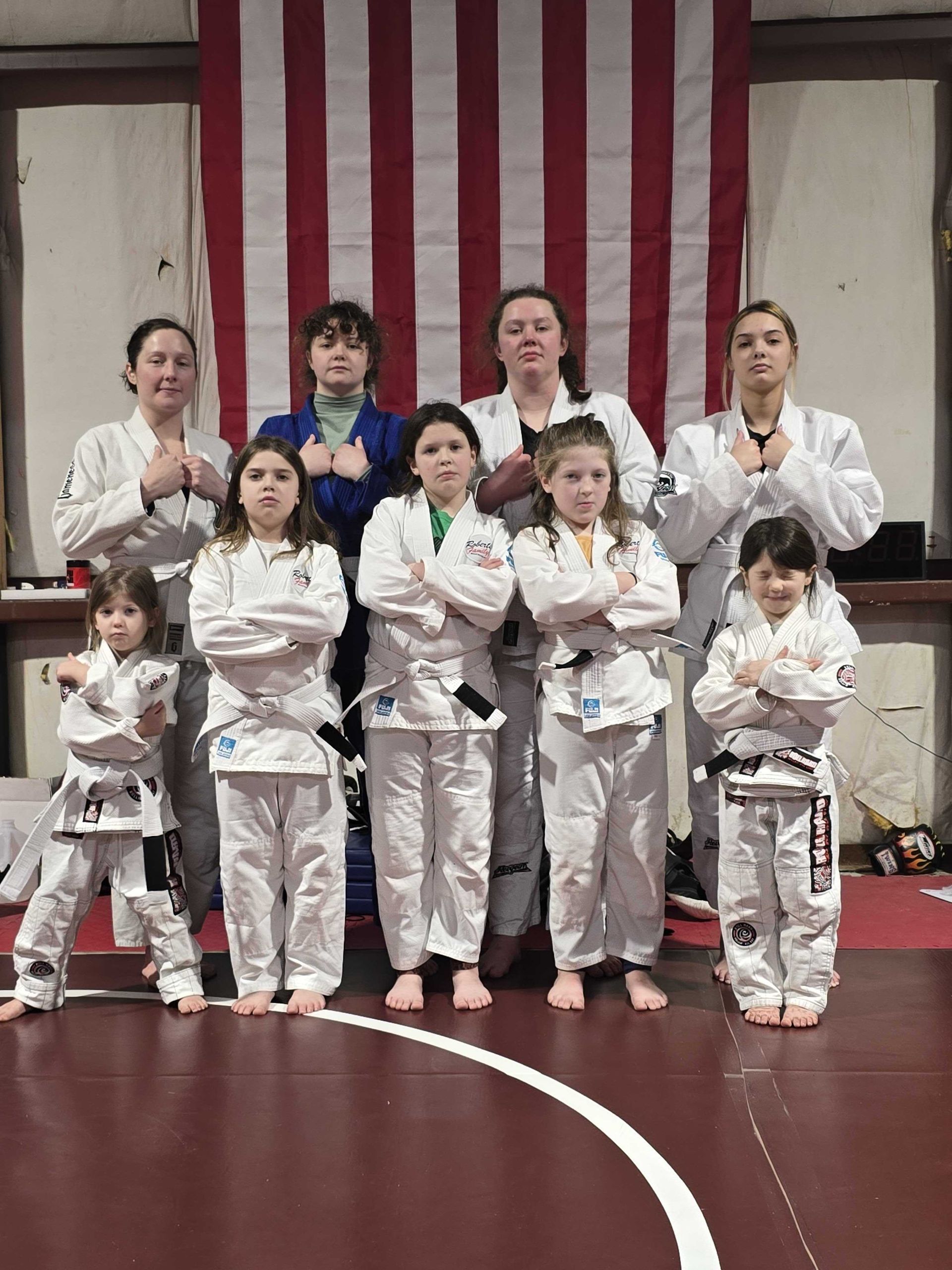
For families who train together, teamwork becomes a shared language. You learn how to help without nagging. You learn how to accept help without feeling judged. Some family-oriented program reports discussed nationally mention gains like 20 percent more collaboration, 15 percent higher confidence, and 10 percent empathy growth. The exact numbers depend on the program and the people involved, but the direction is consistent: shared training improves how families work together.
For teens, the communication piece is huge. Teens learn how to handle feedback, how to be a good partner, and how to speak respectfully even when they feel competitive. That is a life skill, not just a sport skill.
What to expect in our class structure (and why it supports teamwork)
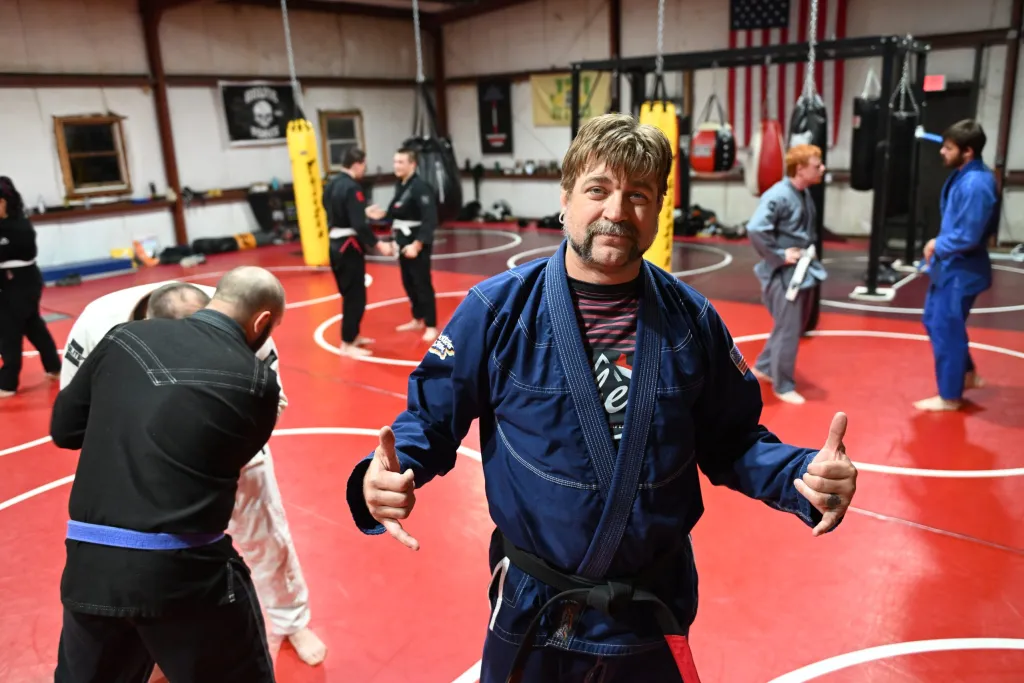
We design training so you are rarely isolated. Even warmups tend to be coordinated, and technique work is partner-based. The environment is structured, but it is not stiff. You will talk, ask questions, and get real-time coaching.
A typical class flow supports teamwork in a deliberate way:
- Brief overview of the day’s focus so everyone shares the same goal
- Technique instruction with clear coaching cues you can repeat to a partner
- Partner drilling where we encourage feedback and role switching
- Controlled sparring with guidance on pace, safety, and learning objectives
- Cooldown and quick Q and A so you leave with a plan, not confusion
If you are brand new, we help you choose partners and we explain expectations. You do not need to be tough to start. You need to be consistent and willing to learn.
How beginners build trust quickly (even if you feel awkward at first)
Most beginners worry about being lost, holding someone back, or not knowing what to say. That is normal. Jiu jitsu has its own vocabulary, and there is a learning curve.
We make the first weeks simpler by focusing on basic positions, safety rules, and a few high-value concepts like posture and frames. The goal is to give you quick wins, because confidence is built through small, repeated successes. Once you know how to move safely and communicate basic needs like slow down or can we reset, the awkwardness fades.
Trust grows when you see consistent behavior. People show up, they help you, and they respect taps. That is the kind of environment where communication skills grow naturally.
Ready to Begin
If you want a practical way to build better teamwork and clearer communication, jiu jitsu gives you a weekly practice ground where those skills are unavoidable in the best way. You will learn how to cooperate, how to speak up, how to listen, and how to reset after mistakes without carrying tension into the next round.
Our programs are built to support beginners and experienced students alike, and we keep the focus on partner-based learning that carries into work, home, and community life. When you are ready, Roberts Family Mixed Martial Arts in Orange, MA is here to help you start training with purpose.
Train with experienced instructors and a supportive team by joining a martial arts class at Roberts Family Mixed Martial Arts.
ACCESS OUR SCHEDULE
& EXCLUSIVE WEB SPECIAL
Secure your spot and get started today with our EXCLUSIVE offer!