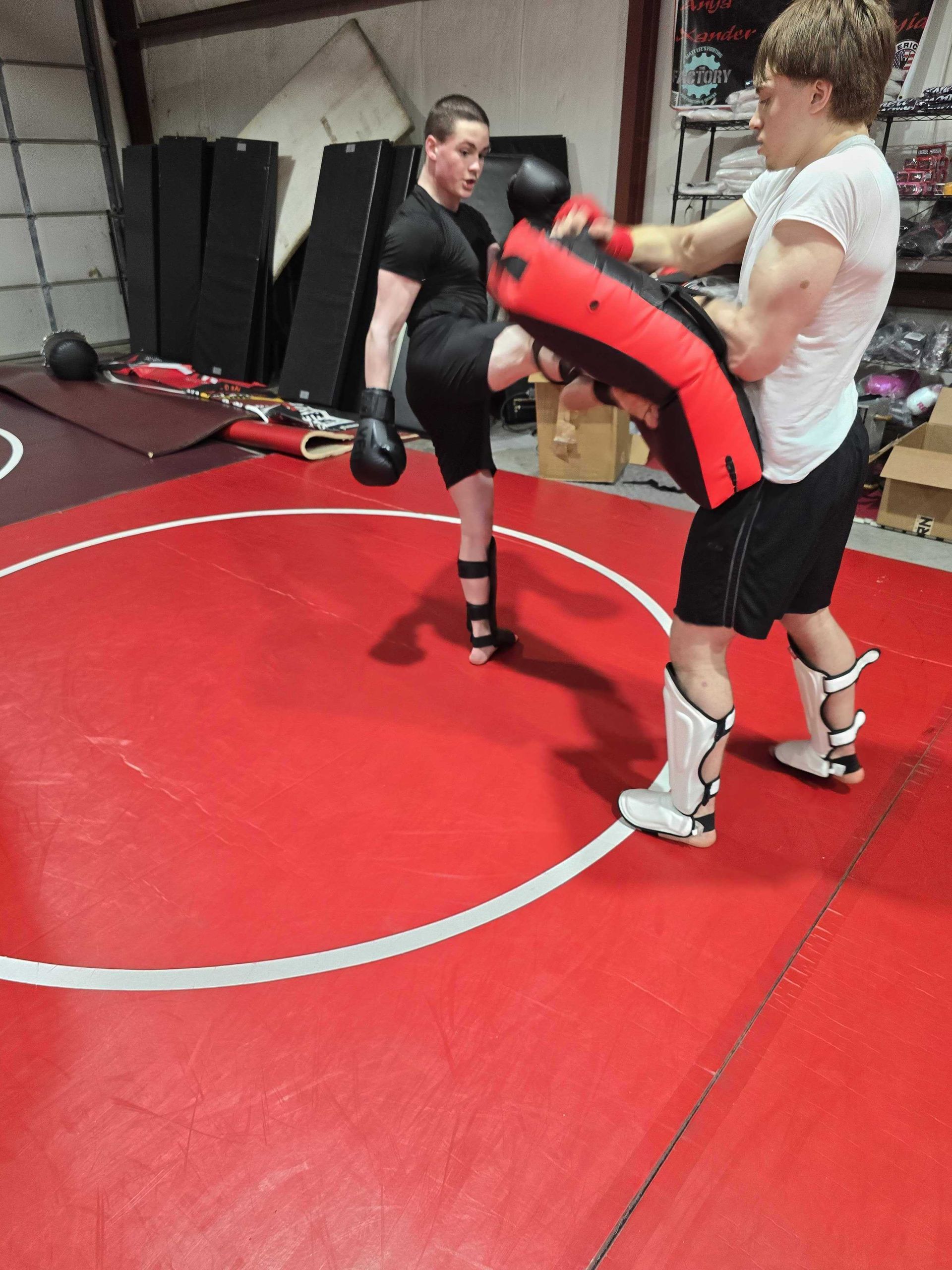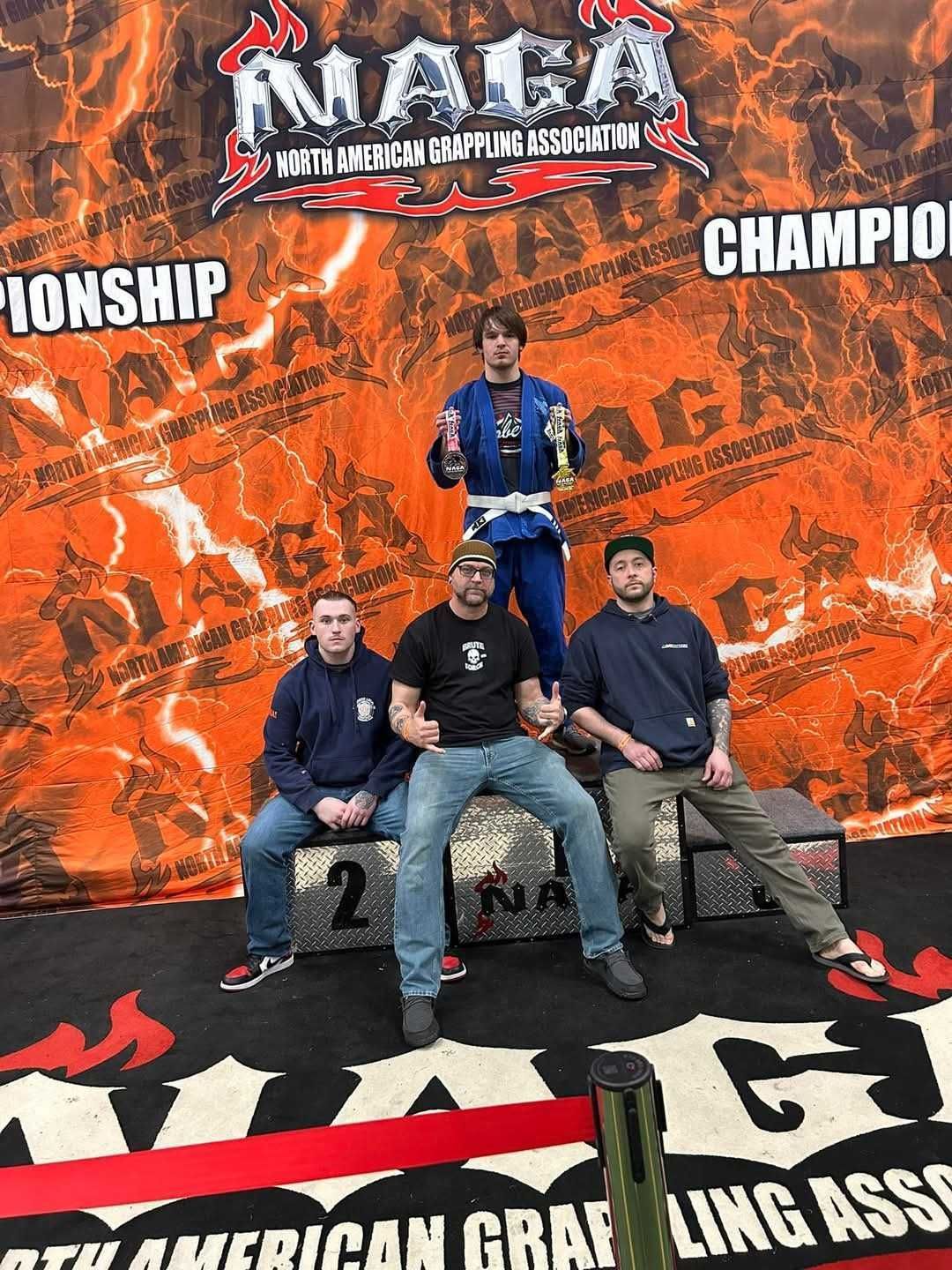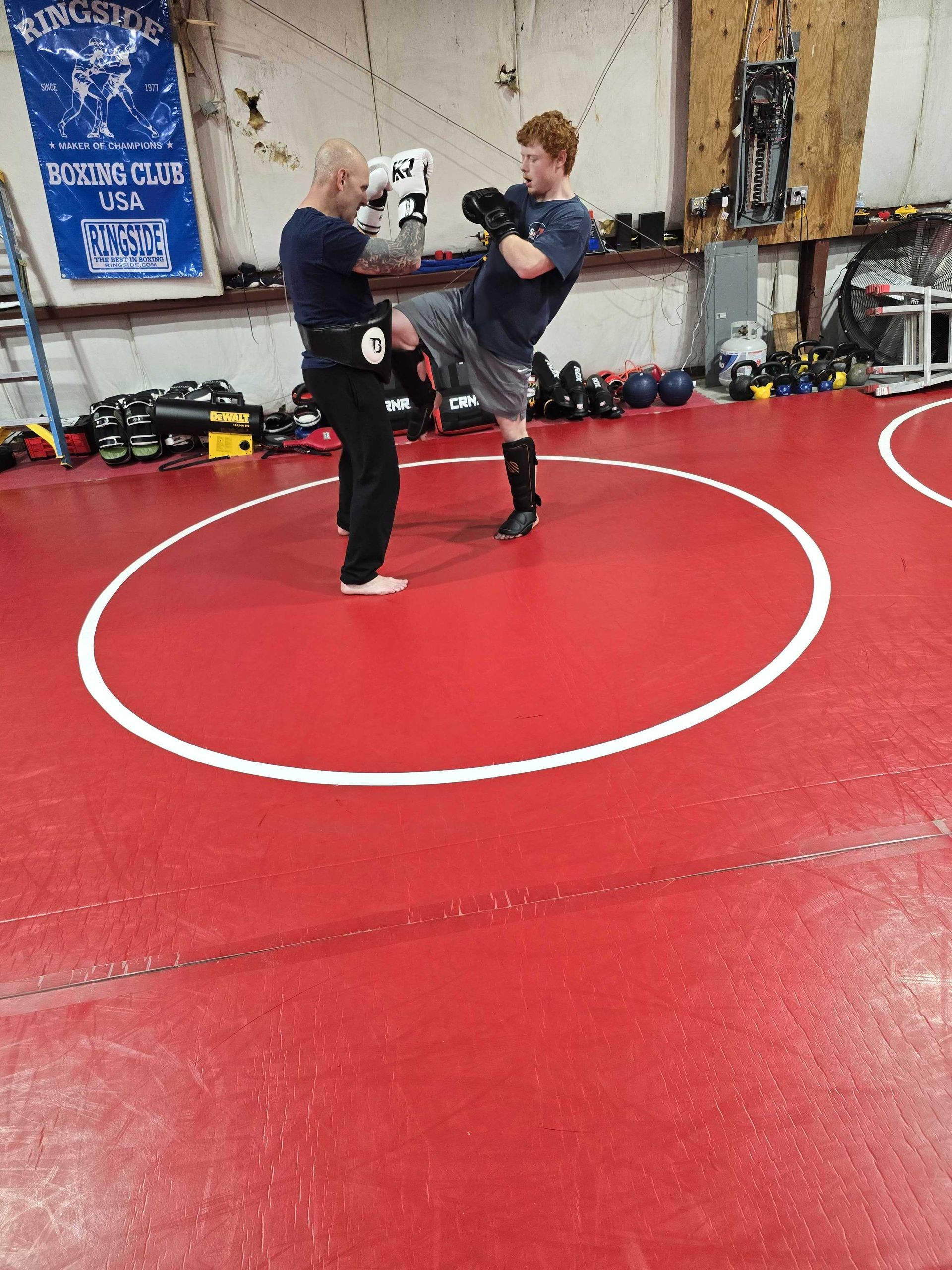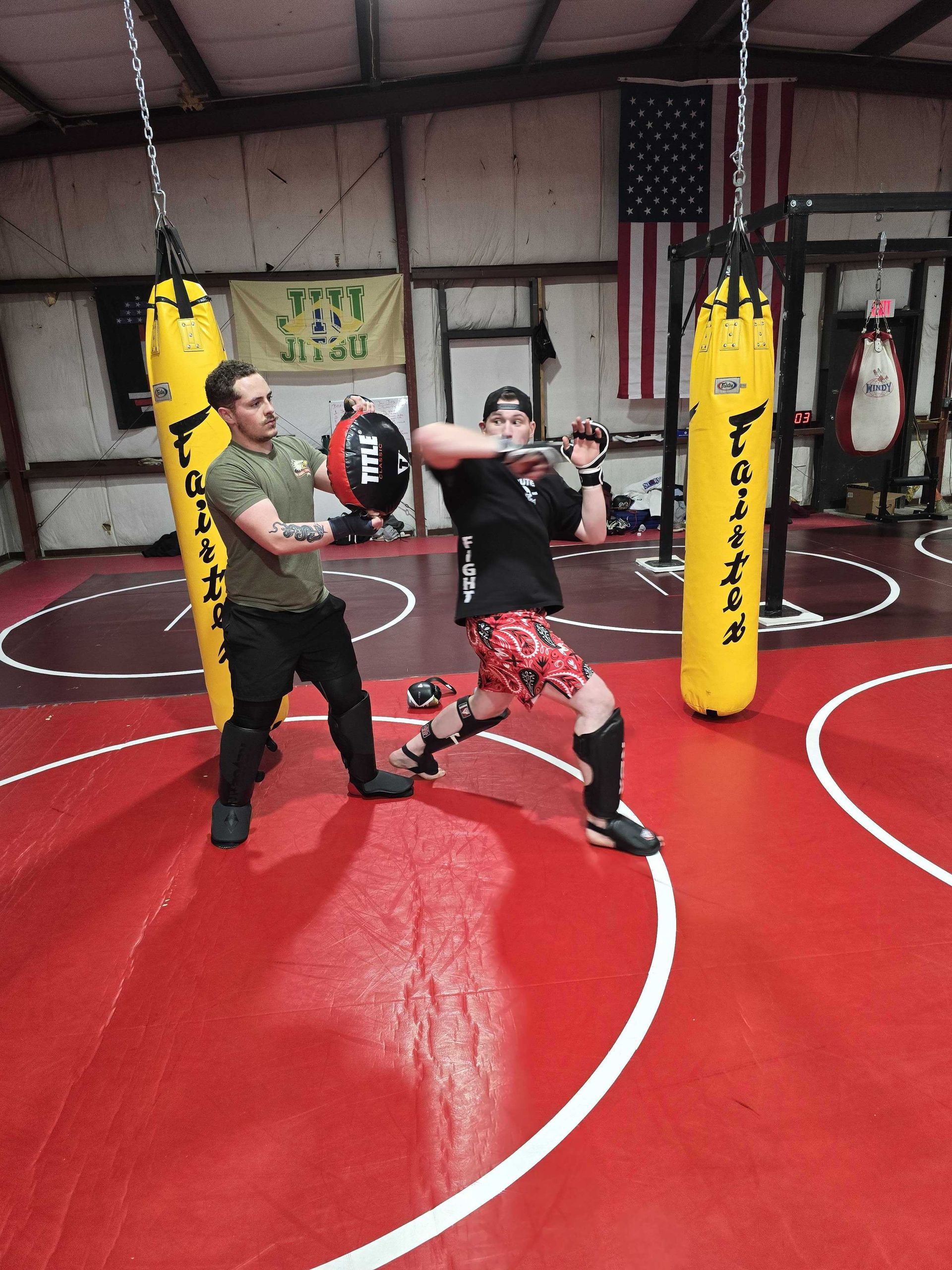
Jiu jitsu gives you a workout you can feel, a skill you can measure, and a reason to keep showing up even when motivation dips.
Jiu jitsu is having a real moment, and the numbers back it up: interest has climbed more than 100 percent since 2004, and hundreds of thousands of people train across the U.S. alone. We see that momentum reach Orange, MA too, even though we’re a small town where routines can get stale fast and winter can make “getting in shape” feel like a long, gray project.
What makes jiu jitsu different is that it doesn’t rely on hype. You don’t need a perfect week, a perfect diet, or a giant burst of willpower. You need a plan, a coach who can guide you, partners who help you improve, and a training environment that makes consistency realistic.
In this guide, we’ll show you how jiu jitsu helps you stay motivated and fit in Orange, what to expect as a beginner, how we keep training safe, and why our youth martial arts programs have become such a reliable outlet for families looking for structure and confidence.
Why Jiu Jitsu Works When Motivation Usually Fails
Most fitness plans break down for predictable reasons: the goal is too vague, progress is hard to measure, and workouts get boring. Jiu jitsu fixes all three without trying to be a “fitness program.” You learn a skill, you practice it under increasing resistance, and you can feel improvement in real time.
Instead of chasing calories, you chase clarity. A sweep gets cleaner. Your posture gets stronger. You hold someone in place for three seconds longer than last week. Those small wins add up, and they matter, especially when your motivation is running on fumes.
In Orange, MA, that matters even more. When your options are limited and your schedule is packed, you want training that gives you a clear return. Jiu jitsu is practical and surprisingly efficient: it builds strength, conditioning, balance, and mobility while also teaching you how to solve problems under pressure.
Fitness You Can Actually Stick With in Orange, MA
A full-body workout that doesn’t feel like a treadmill loop
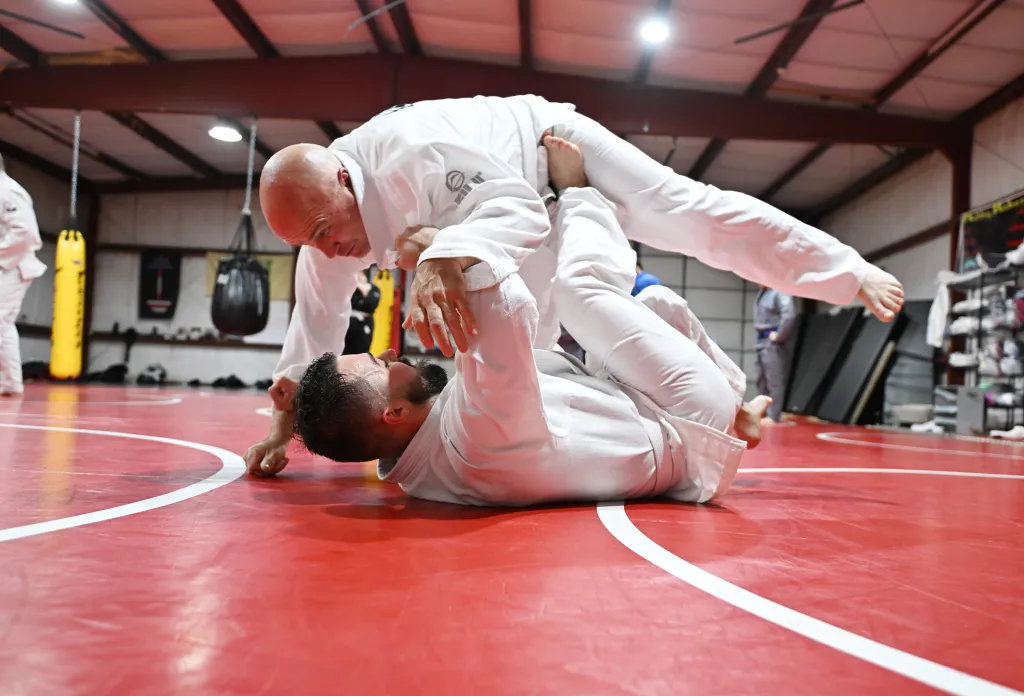
Jiu jitsu is a grappling art, so your whole body gets involved. Your legs drive for base and pressure. Your core stabilizes constantly. Your grip and back work hard when you control posture and frames. You’ll get stronger, but you’ll also get coordinated, which is a different kind of athletic.
We also like that classes naturally come with built-in intervals. You drill with focus, you rest, you go again. Then you do controlled live rounds where effort rises and falls. It’s conditioning, but it’s not mindless. You’re thinking the whole time.
Progress that’s visible, not imagined
Scale weight can lie, and mirror-checks are… inconsistent. Skill progress is harder to fake. If you struggled to escape side control last month and now you can create space and recover guard, you know you’re getting fitter and more capable. That sense of measurable progress is a big reason people keep training.
Winter-proof consistency
Orange winters are real. Dark at 4 pm, cold parking lots, and the temptation to “start fresh in spring.” Jiu jitsu gives you an indoor routine you can keep, and once you build the habit of two to three classes per week, everything else gets easier.
The Motivation Secret: Community Plus Structure
A lot of people assume motivation is a personality trait. We don’t. We treat it like a system: make it easier to show up, make progress visible, and make training enjoyable enough that you want to come back.
Jiu jitsu helps because it comes with structure built in. Classes have a start and finish. Techniques have names and steps. Training partners help you learn, and you help them too. It’s hard to drift when you’re part of a room that’s working on the same thing.
And yes, belts matter. Not as an ego thing, but as a roadmap. Belt progression is one of the simplest motivation tools in martial arts: it breaks a big goal into smaller, realistic milestones. You always have something to work on next.
What a Typical Class Looks Like (So You Feel Prepared)
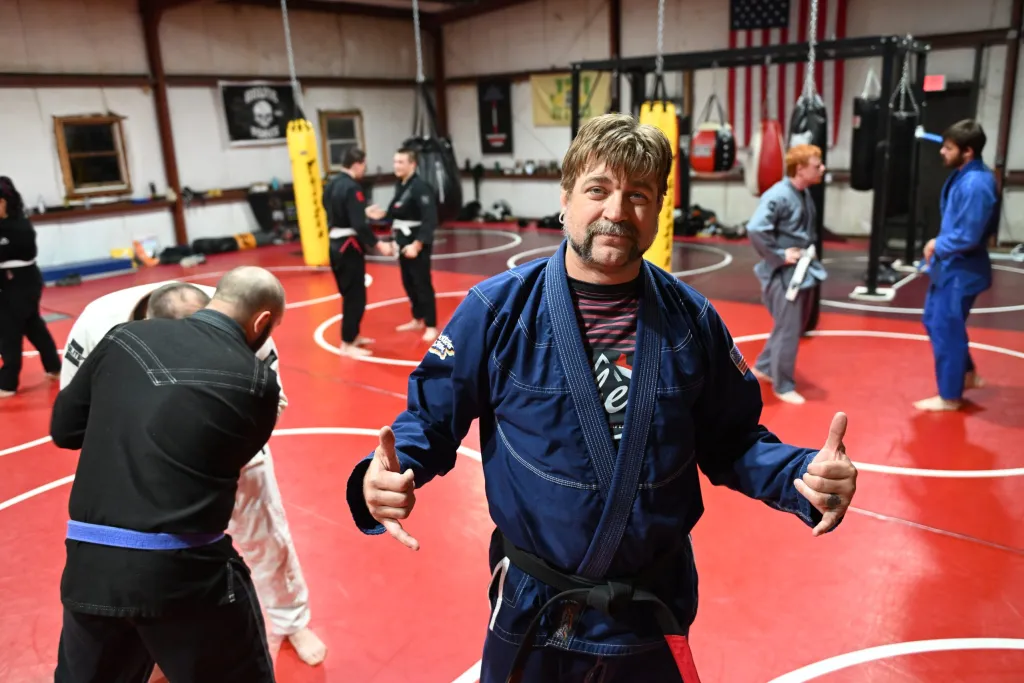
Walking into a martial arts school can feel intimidating if you don’t know what’s coming. We keep our classes organized and beginner-friendly, while still giving experienced students the depth they want.
Most classes follow a predictable rhythm:
- Warm-ups that prepare your joints and breathing for grappling
- Technical instruction, usually one core technique with a few related options
- Partner drilling to build timing and confidence
- Controlled sparring rounds where you apply what you’re learning
- A brief wrap-up so you leave knowing what to focus on next time
That structure matters because it removes decision fatigue. You don’t have to design your workout. You just show up and train.
Getting Started: Simple Steps That Prevent Overwhelm
Beginners quit when they try to do everything at once. We’d rather see you build a sustainable routine than sprint for two weeks and disappear. Here’s what we recommend if your goal is staying motivated and fit.
1. Choose consistency over intensity for the first month by aiming for two classes per week.
2. Focus on survival basics first, like posture, breathing, framing, and escapes.
3. Ask questions after class so small confusion doesn’t turn into big frustration.
4. Track one simple metric weekly, like attendance or “one thing I did better today.”
5. Add a third class only after your body feels recovered and your schedule can handle it.
This approach is especially helpful if you’re balancing work, family, and the usual New England chaos.
Youth Jiu Jitsu and Why Families in Orange Love It
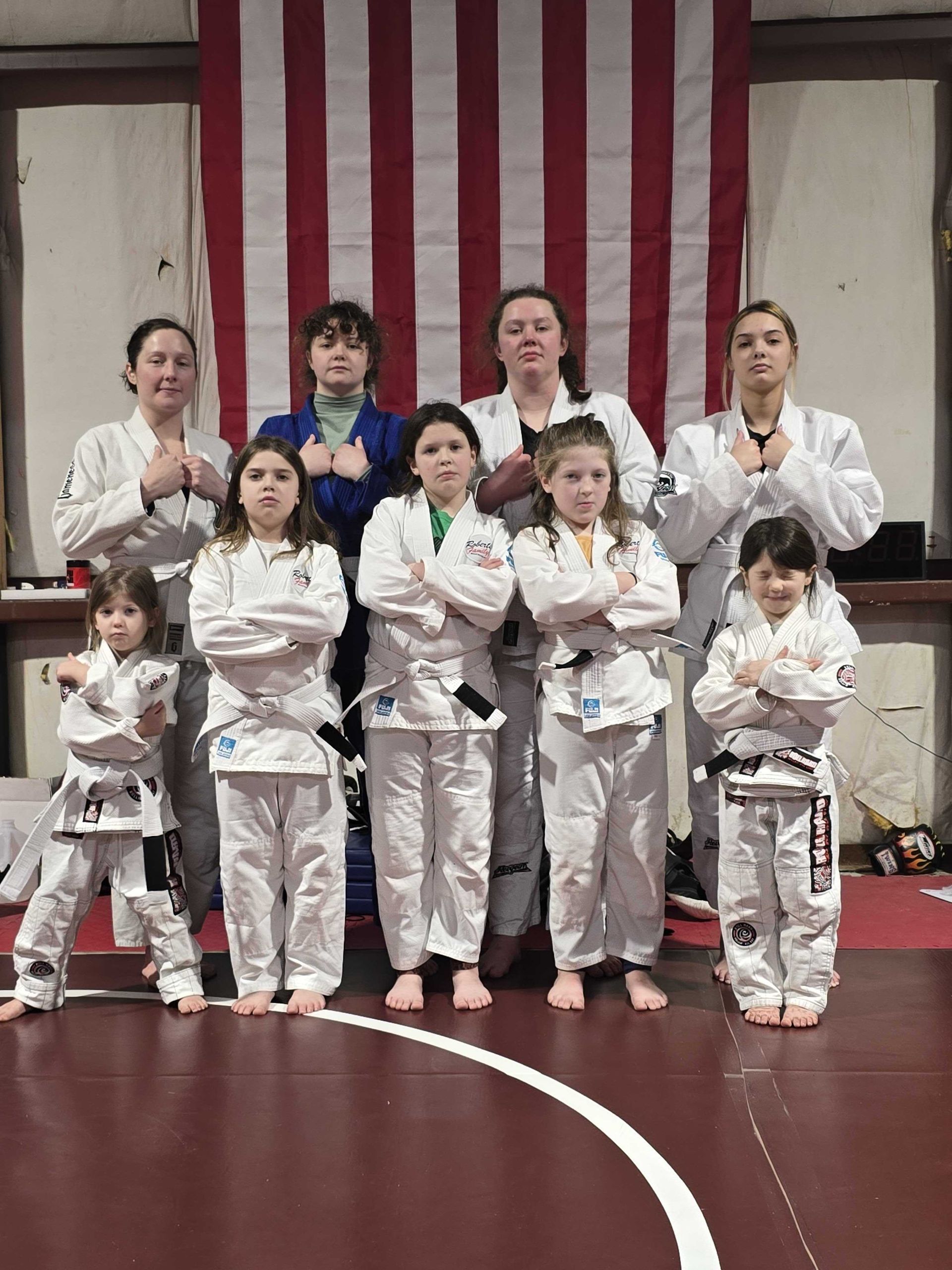
Youth martial arts Orange MA families often come to us for one reason, then stay for another. The first reason is usually practical: your child needs a positive activity, more confidence, better focus, or a healthier outlet. The reason families stay is that jiu jitsu gives kids a “win” that isn’t based on being the biggest or loudest.
Because jiu jitsu is built around leverage and technique, kids learn that calm problem-solving works. That’s a powerful lesson for school, friendships, and sports. Our youth training emphasizes respect, safety, and steady progress, not chaos.
We also see how helpful it is for parents: a consistent schedule, a constructive environment, and coaches who can reinforce good habits. In a small town, those dependable routines matter.
Safety, Injuries, and How We Train Smart
Let’s be straightforward: jiu jitsu is a contact sport, and injury risk exists. Surveys have reported that a meaningful percentage of athletes experience some kind of injury over a six-month period, especially in more competitive training environments. But that doesn’t mean beginners are doomed, and it doesn’t mean training has to be reckless.
We manage risk with coaching, pacing, and culture. We teach you how to tap early, how to protect your joints, and how to choose the right intensity for the day. Experience also matters; as skill improves, people tend to move with more control and make fewer panicked decisions.
Our practical safety habits
- We emphasize controlled rounds instead of “win at all costs” sparring
- We teach positional awareness so you don’t twist or scramble blindly
- We encourage recovery, hydration, and sleep because fatigue makes injuries more likely
- We coach tapping etiquette and partner responsibility from day one
- We scale training so newer students can learn without getting overwhelmed
If you’ve had prior injuries or you’re just cautious by nature, tell us. We’d rather adjust the training than have you sit out.
The Hidden Fitness Benefit: Stress Management You Can Feel
People come for fitness, but many stay because training changes how stress feels in your body. Jiu jitsu gives your brain something specific to do. You can’t scroll and worry while you’re fighting for posture or working an escape. You’re present, whether you planned to be or not.
That “forced focus” is a big deal. Over time, you learn to breathe under pressure and solve problems without spiraling. That’s not just a training skill. It shows up at work, at home, and in the moments where you used to tense up and check out.
Jiu Jitsu Trends That Actually Matter for Your Training
You don’t have to compete to benefit from what’s happening in the sport, but it’s useful to understand the direction of modern training. Jiu jitsu keeps evolving, and the best programs stay grounded in fundamentals while still adapting.
Competition stats highlight a few realities: chokes are common finishes, arm attacks stay relevant, and wrestling-style takedowns play a big role. At the same time, some once-trendy leg lock approaches have cooled off in certain competitive rule sets. For you, the takeaway is simple: strong basics, safe training habits, and well-rounded skills keep you progressing for years.
We build training with that long-term view. Fitness is great, but lasting fitness comes from staying in the game.
What to Bring, What to Wear, and What to Stop Overthinking
You don’t need a shopping spree to start. If you’re trying jiu jitsu for the first time, comfort and safety are the priorities.
Bring water, show up clean, and wear simple athletic clothing if you’re coming to a trial class. If you continue, we’ll help you choose the right gear for your program, whether that’s gi training, no-gi training, or a mix.
The part to stop overthinking is perfection. You’re going to feel awkward at first. Everyone does. The goal is to learn, not to look like you’ve already learned.
How We Keep Adults Consistent Without Burning Out
Adult schedules can be messy: work shifts, kids’ activities, and the occasional week that falls apart. Our approach is to make training feel like a reliable anchor, not another stressor.
We encourage realistic weekly goals, we help you adjust intensity, and we keep classes focused so you leave feeling like the time mattered. Over months, that’s what builds a body that feels better and a routine you can trust.
If you’ve tried gyms and quit, this is the difference: jiu jitsu gives you a reason to return that isn’t based on guilt. It’s based on curiosity and progress.
Take the Next Step
Building fitness that lasts usually comes down to two things: a training method that keeps your mind engaged, and an environment where consistency is normal. That’s exactly why we’ve made jiu jitsu a cornerstone of what we teach, especially for students in Orange who want something more motivating than another repetitive workout plan.
When you’re ready, Roberts Family Mixed Martial Arts is here to help you start smart, train safely, and keep your momentum through every season in Orange, MA, whether your focus is adult fitness or youth martial arts Orange MA families can feel good about.
Put these techniques into practice by joining a martial arts program at Roberts Family Mixed Martial Arts.
ACCESS OUR SCHEDULE
& EXCLUSIVE WEB SPECIAL
Secure your spot and get started today with our EXCLUSIVE offer!