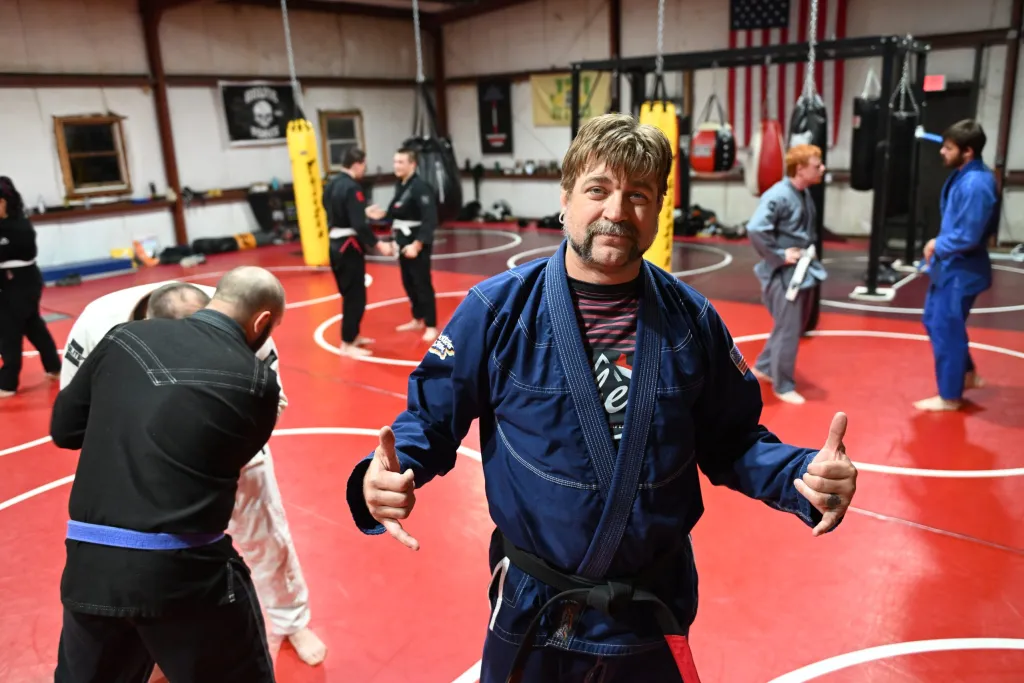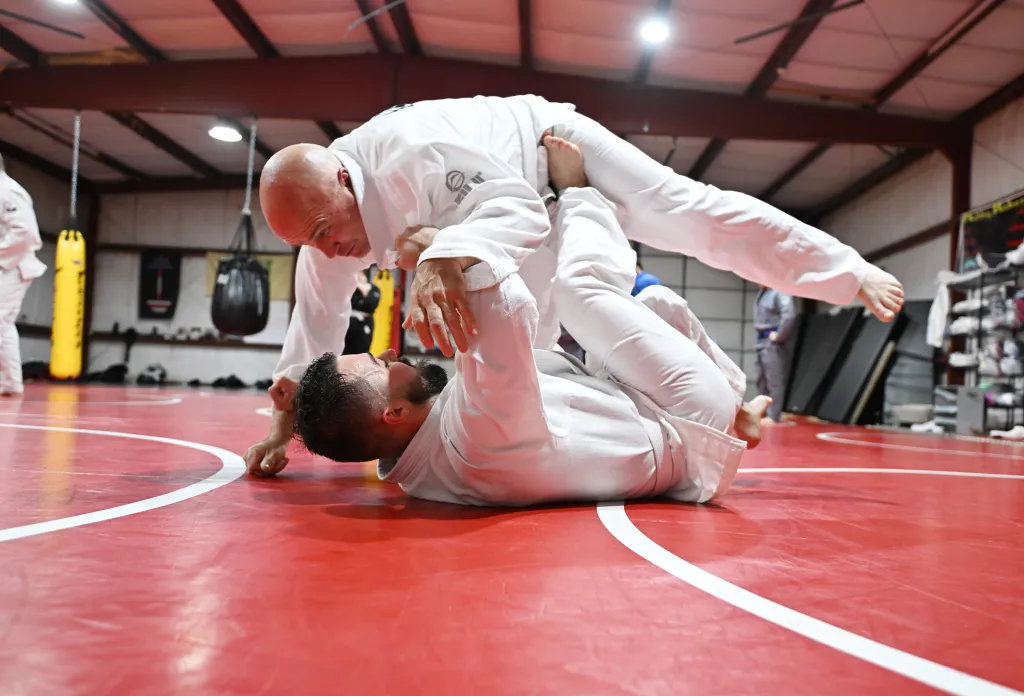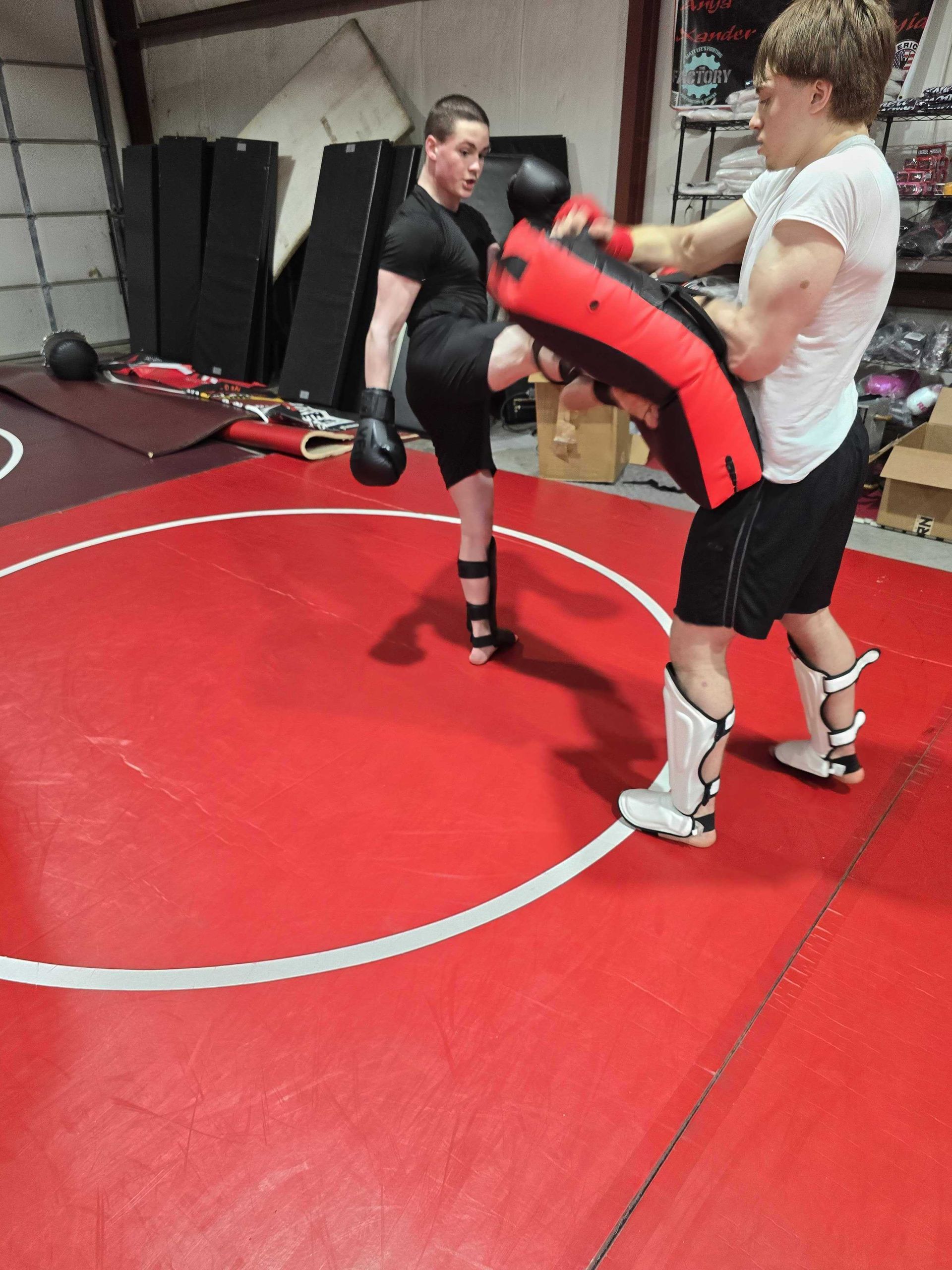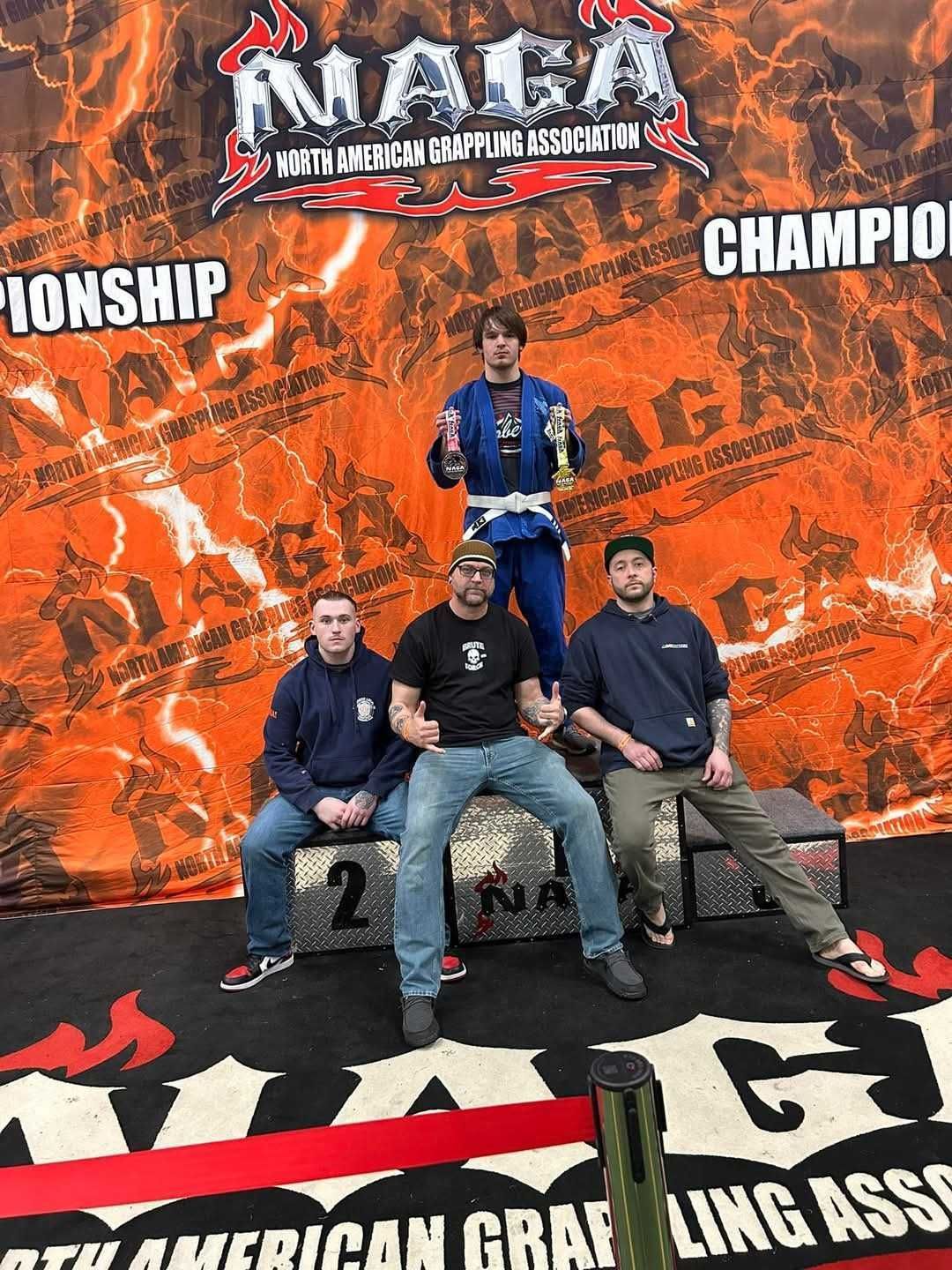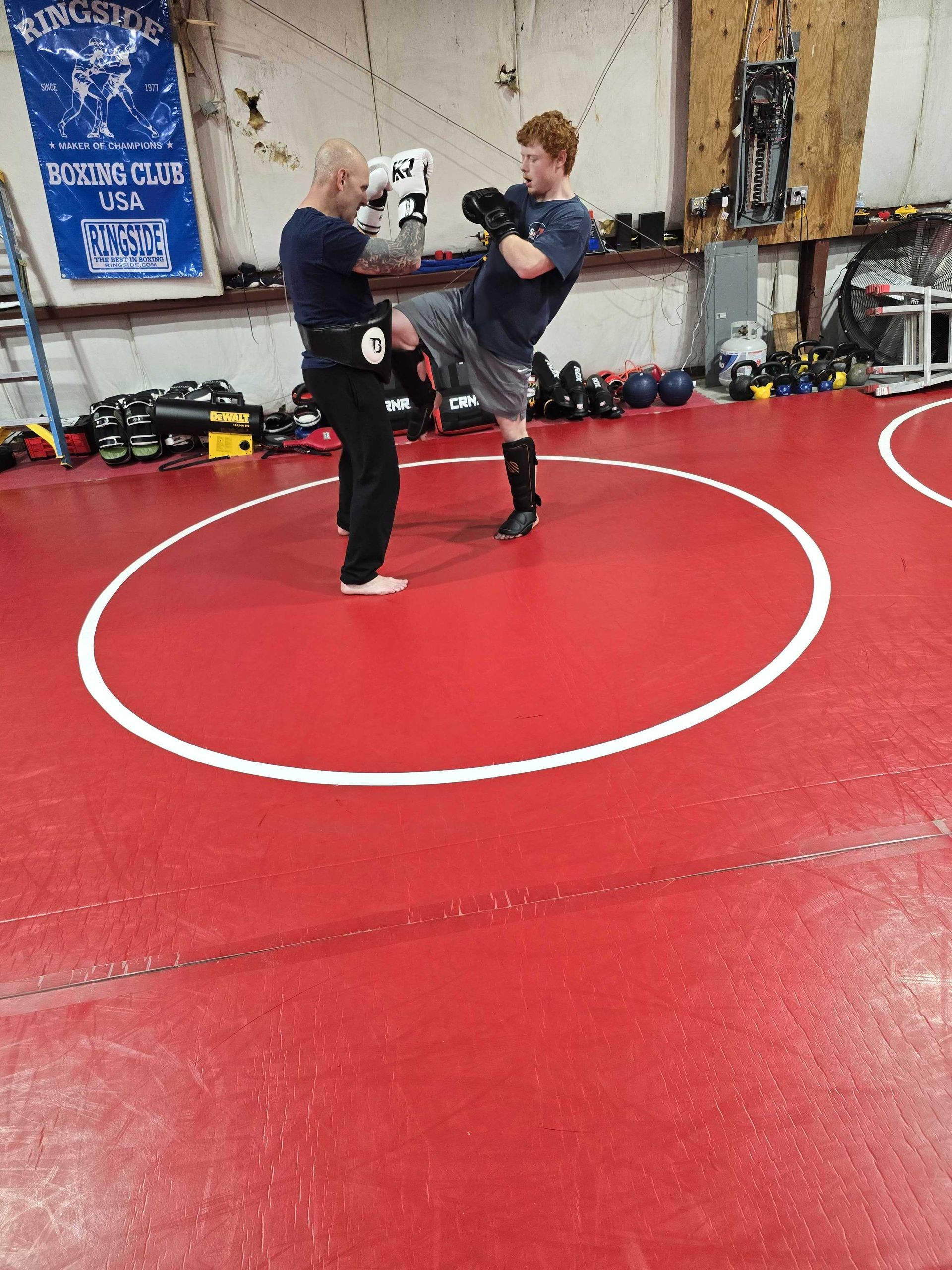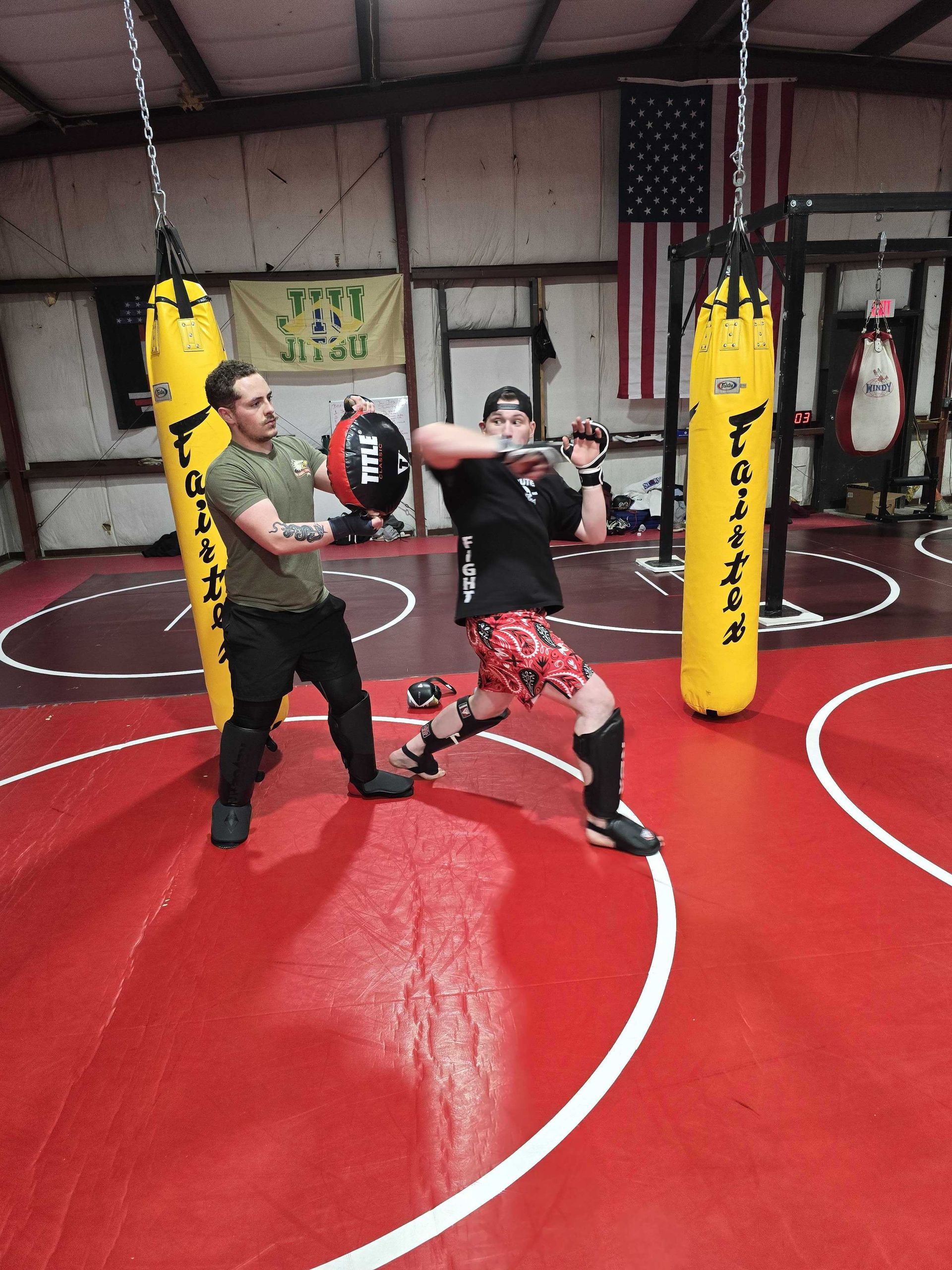
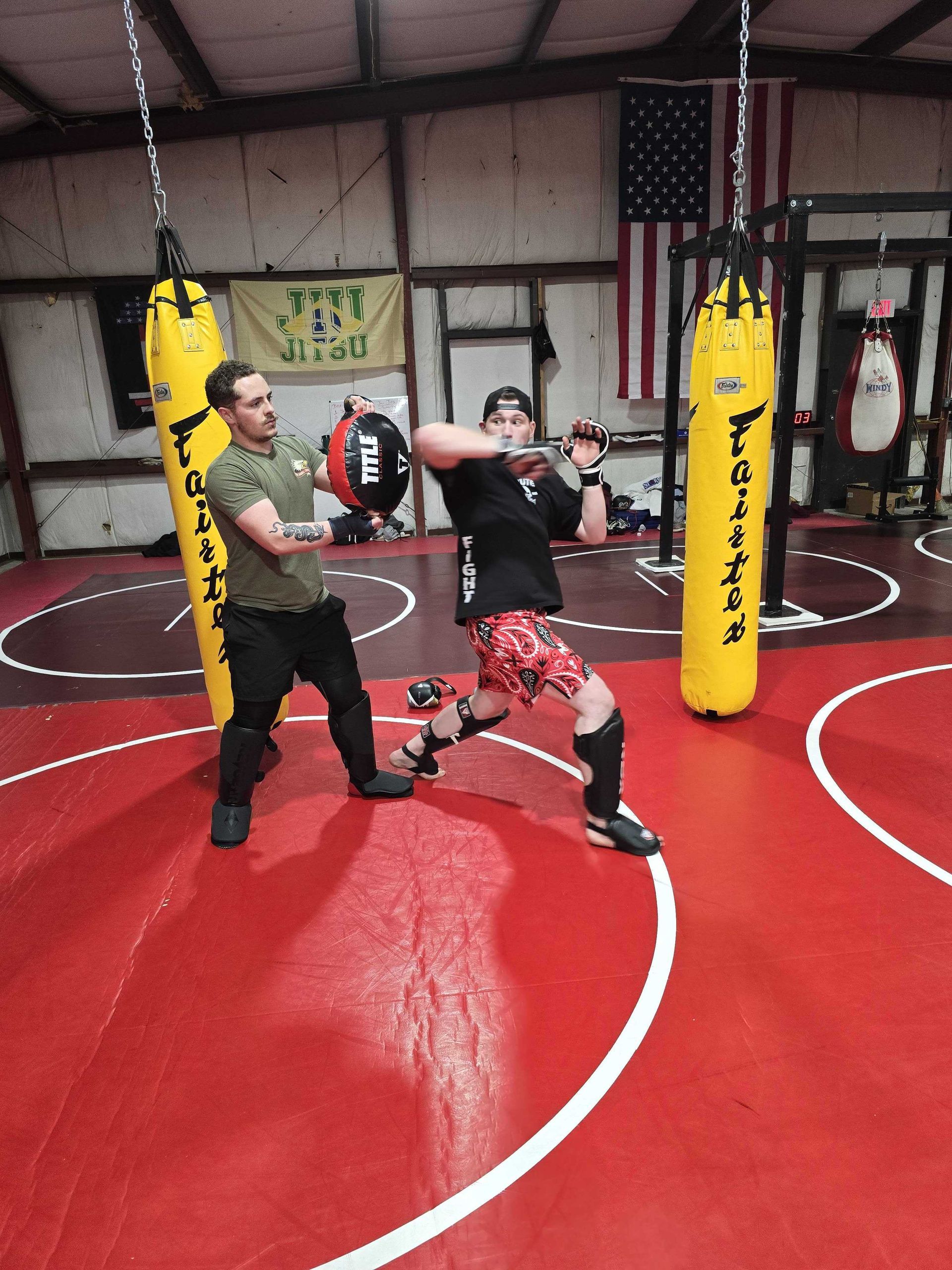
Jiu jitsu has a way of changing how you carry yourself long after class ends.
Jiu jitsu is having a real moment across the U.S., and the numbers back it up: search interest has climbed more than 100 percent since 2004, and hundreds of thousands of people now train nationwide. We feel that momentum here in Orange, MA too, especially as more adults look for training that improves fitness and confidence without needing a “perfect” athletic background to start.
What makes this growth interesting in a small town is that access matters. Big cities have lots of gyms, but in places like Orange, a consistent training home can become a community anchor. Our goal is to give you that kind of place: structured, welcoming, and serious about helping you progress safely.
And the biggest surprise for most new students is this: the transformation doesn’t stop at self-defense or conditioning. The habits you build in training start showing up in how you handle stress, how you communicate, and how you show up for work, family, and yourself.
Why jiu jitsu is booming and why it matters in Orange, MA
Brazilian Jiu-Jitsu has grown from a niche martial art into a mainstream training option. Globally, estimates range from roughly 2.9 to 6 million practitioners, with the U.S. around 750,000. North America now has 10,000-plus gyms, and participation has risen steadily over the last decade. That’s not just hype, it’s a shift in how people think about fitness and skill-building.
For Orange, MA, this trend matters because smaller towns don’t always have a deep bench of specialized coaching or lots of training options within a short drive. When you find a consistent program nearby, it removes the biggest barrier most adults face: time. If you can train close to home, you can train more consistently, and consistency is what creates change.
We also notice something practical: more people are searching for adult jiu jitsu Orange MA because adults want training that fits real life. Not everyone wants a loud “fight camp” vibe. A lot of people want a focused class, a clear curriculum, and a room where beginners are treated like beginners (in a good way).
What “beyond the mat” really means
If you’ve never trained, it’s easy to assume jiu jitsu is mostly about submissions and sparring. That’s part of it, but the deeper benefit is the process. You learn how to stay calm while solving problems under pressure, and you learn it in a controlled environment where we can scale intensity to your level.
Beyond the mat shows up in small, repeatable moments: choosing patience instead of panic, listening better, letting your ego cool off, and coming back to try again after a rough round. Those are skills, even if we don’t label them that way during class.
Over time, we see students carry themselves differently. Posture changes. Eye contact changes. Decision-making gets clearer. The best part is that it tends to happen quietly, almost like you notice it one day in the middle of a normal Tuesday.
Jiu jitsu as a blueprint for handling stress
Life in a small community can be busy in a different way than city life. Work schedules, family responsibilities, and limited downtime can pile up. Training gives you a structured hour where your phone is not the center of your attention, and your body has a job to do.
From a coaching standpoint, jiu jitsu is stress inoculation. You get used to discomfort in a safe setting. Someone is applying pressure, your breathing changes, and you learn to respond with technique instead of flailing. That carries over to everyday stress in a pretty direct way.
We teach you to slow down first. Then we teach you to frame, move, and recover position. That sequence is physical, but the mindset behind it becomes familiar: pause, problem-solve, execute.
Confidence that comes from evidence, not hype
A lot of confidence advice is fluffy. Jiu jitsu is not. It’s evidence-based in the simplest way: you try something, it works or it doesn’t, and you adjust. Your progress is visible. You remember the first time you escaped a bad position, or the first time you stayed calm under pressure instead of freezing.
That’s why adult beginners often stick with it once they start. Your confidence isn’t coming from being told you’re confident. It comes from doing hard things in manageable pieces.
In our adult program, we keep the learning environment structured so you can build wins without needing to “tough it out” through chaos. The goal is steady competence, not overwhelm.
Practical self-defense without needing to be the strongest person in the room
One reason jiu jitsu Massachusetts continues to grow is that grappling offers a realistic approach to self-defense for a wide range of body types. Leverage, positioning, and timing matter. Strength helps, sure, but it’s not the only path to success.
We focus on fundamentals that translate well: posture, base, frames, escapes, and controlling distance. We also emphasize awareness and decision-making, because self-defense is not only about techniques, it’s about choices.
A useful detail from competition trends is that chokes remain a dominant submission category at the highest levels, with ADCC 2024 showing chokes as a large percentage of finishes. That aligns with what we see as safer and more reliable for most students compared to chasing high-risk leg attacks early. We teach you to build a foundation first, then expand responsibly.
What you learn early and why it matters later
New students sometimes worry that they need months of conditioning before they can even begin. We’d rather you start and let conditioning grow naturally. Early training is about patterns and positions, not perfection.
Here’s what we prioritize in the first phase of training:
• How to move on the ground safely, including base, posture, and how to fall and recover without panic
• Core positions like guard, side control, mount, and back control so you understand where you are and what matters
• Escapes that work under pressure, because escaping teaches calm and control faster than chasing submissions
• Simple submissions with clear mechanics, so you learn precision instead of forcing finishes
• Live training rules and pacing, so you can roll with purpose while protecting your body and your training partners
When you learn these basics, everything else has a place to attach. Without them, jiu jitsu can feel like random motion. With them, it starts to feel like a language you can actually speak.
Gi and no-gi: how we help you choose without overthinking it
People ask about gi versus no-gi all the time. The honest answer is that both are valuable, and your best choice depends on your goals and what keeps you consistent. Gi training slows things down and makes grips a big part of the puzzle. No-gi adds speed, movement, and different control strategies.
At the elite level, gi backgrounds still show up strongly among many champions, and we like what that suggests for skill development: the gi forces detail. At the same time, no-gi skills translate well to modern grappling trends, where wrestling-style takedowns and scrambles are increasingly common.
We coach both with the same priority: clean fundamentals, safe training intensity, and progress you can feel month to month.
Adult jiu jitsu in Orange, MA: what training looks like in real life
Most adults are juggling a lot. You might be managing work demands, kids’ schedules, and the general chaos of trying to stay healthy. Our adult jiu jitsu Orange MA training is built around that reality, not some fantasy where you have unlimited time.
We structure classes so you get instruction, drilling, and controlled live rounds. You’ll sweat, but you’ll also learn. That matters because plenty of people can make you tired. What you want is to leave class understanding something you didn’t understand an hour earlier.
We also create a culture where new students can ask questions. Not every question needs a long answer mid-class, but we make room for clarity. Confusion is a normal part of learning. We don’t treat it like a weakness.
Progress without burning out: a simple plan that works
Consistency beats intensity for most adults. Training hard once every two weeks feels dramatic, but it doesn’t build momentum. Training at a manageable pace, week after week, does.
If you want a straightforward approach, this works well:
1. Start with two classes per week so your body adapts without feeling wrecked
2. Pick one focus each month, like guard retention, side control escapes, or takedown entries
3. Keep a short training note after class, one to three sentences, so you remember what clicked
4. Add light strength and mobility work on non-training days to reduce injury risk
5. Increase intensity only when your recovery and technique are keeping up
This isn’t glamorous, but it’s effective. It also respects your schedule, which is the real make-or-break factor for adult students.
Safety, injuries, and the smart way to train for the long haul
Injuries are a real concern in grappling, and we take them seriously. The goal is not to “survive” training, it’s to train for years. We manage risk by coaching tapping early, emphasizing positional control, and building athleticism gradually.
We also pay attention to what trends show. Some submissions and styles create higher risk if introduced too early or trained recklessly. We’d rather you develop strong positioning, controlled pressure, and reliable defenses before you chase anything flashy.
If you have old injuries, we can modify how you train. The key is communication. You’ll never get punished for saying, “My shoulder is cranky today.” That’s useful information, not an excuse.
The community effect: why small-town training hits different
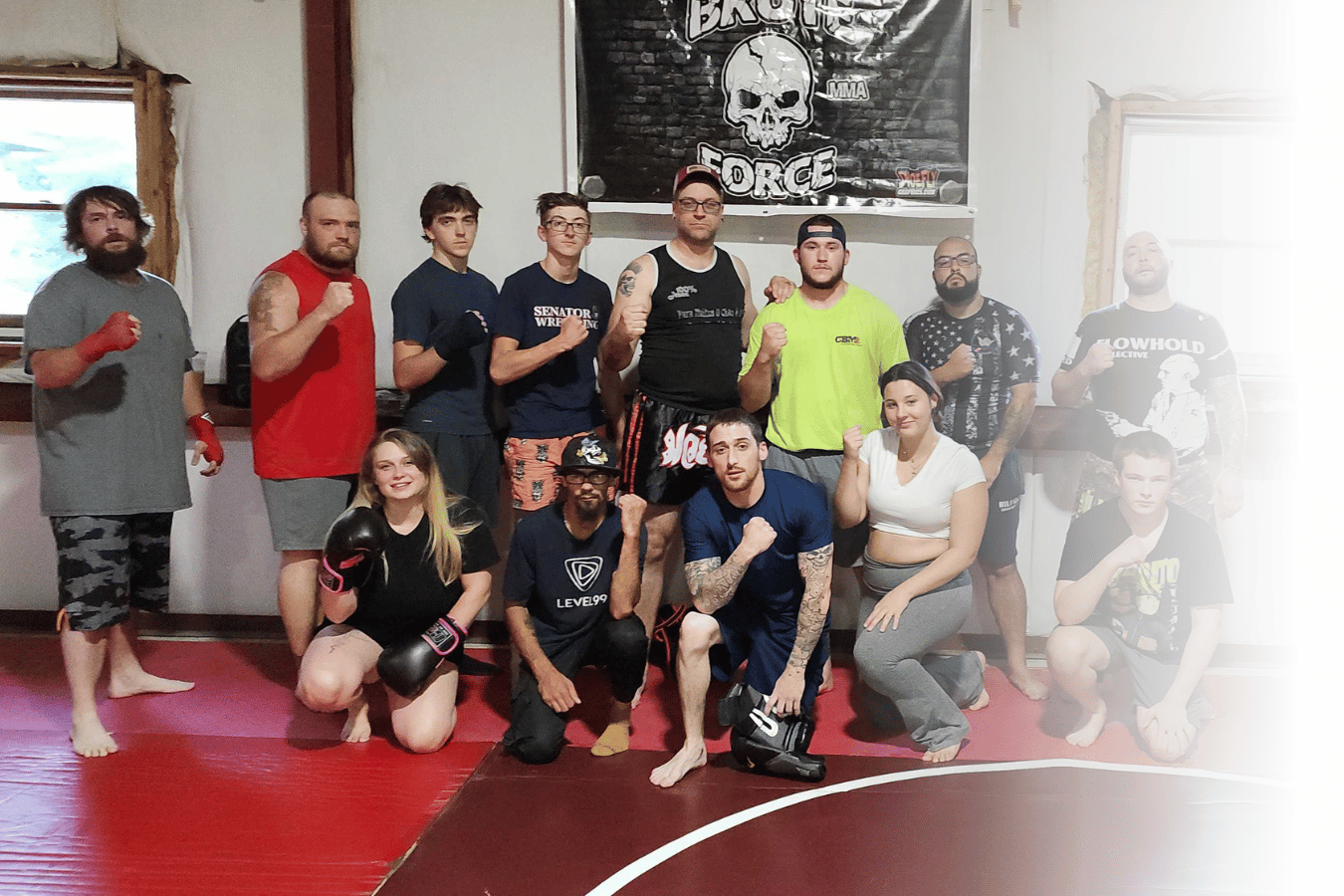
In Orange, you’re more likely to run into training partners at the store, at school events, or at local games. That changes the feel of the room in a good way. People tend to look out for each other. You still train hard, but you train with care because this is your community.
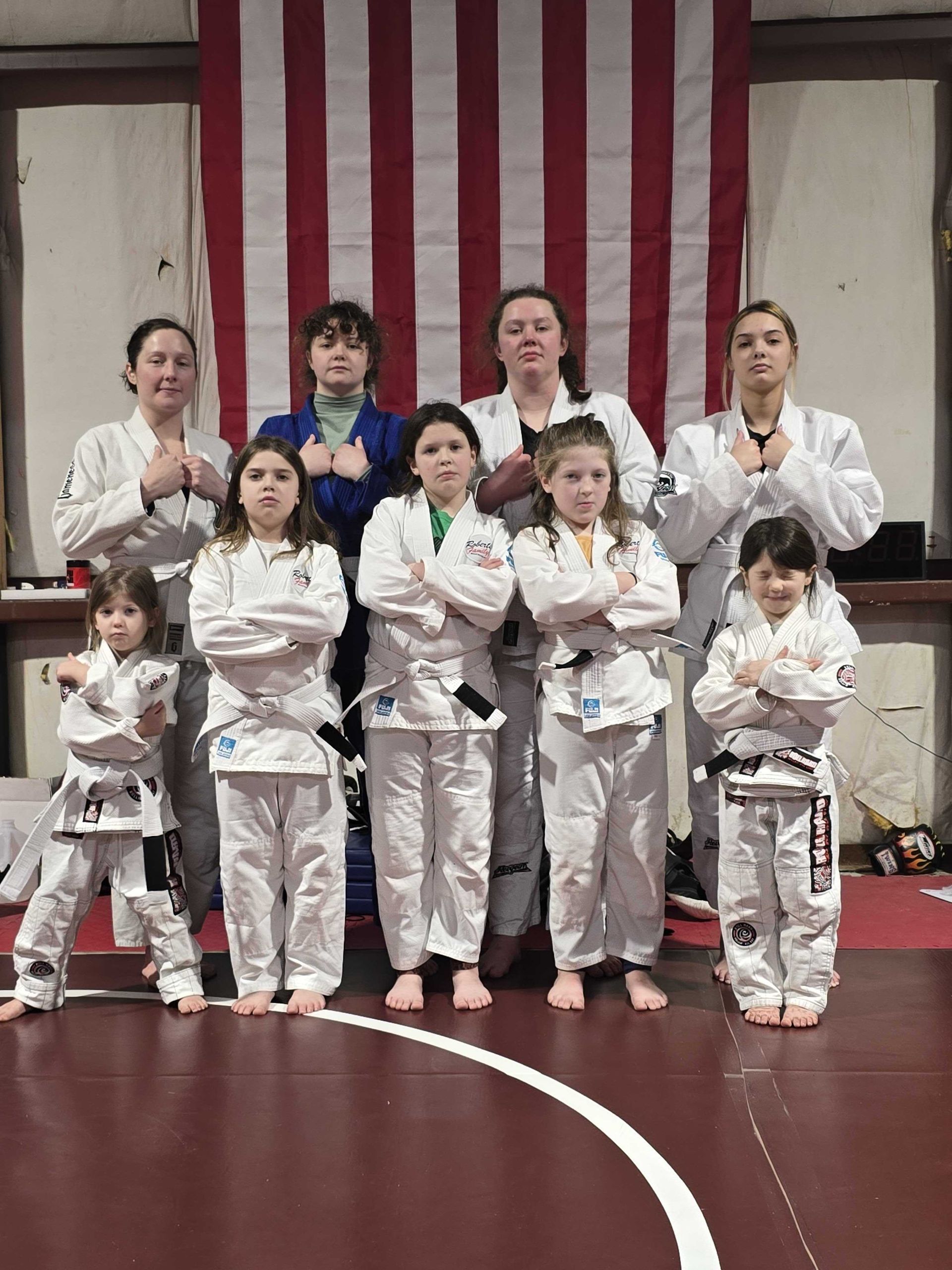
We also see families train in parallel, even if they’re in different programs. That shared routine matters. A household that values practice and healthy challenge tends to carry that energy into other goals, too.
And yes, you’ll probably laugh during class sometimes. Not because training is a joke, but because learning is awkward now and then. That’s normal. We’d rather you feel comfortable enough to keep showing up.
Start Your Journey with Roberts Family Mixed Martial Arts
If you want jiu jitsu that builds you up beyond the mat, we’ve designed our training in Orange, MA to be structured, safe, and genuinely useful in everyday life. At Roberts Family Mixed Martial Arts, we focus on progress you can measure: better movement, better decision-making under pressure, and a steady increase in confidence that comes from doing the work.
When you’re ready, we’ll help you start at the right pace, learn the fundamentals the right way, and build a routine you can maintain. The results tend to show up in surprising places, and that’s kind of the point.
Take what you learned here to the mat by joining a martial arts class at Roberts Family Mixed Martial Arts.
ACCESS OUR SCHEDULE
& EXCLUSIVE WEB SPECIAL
Secure your spot and get started today with our EXCLUSIVE offer!