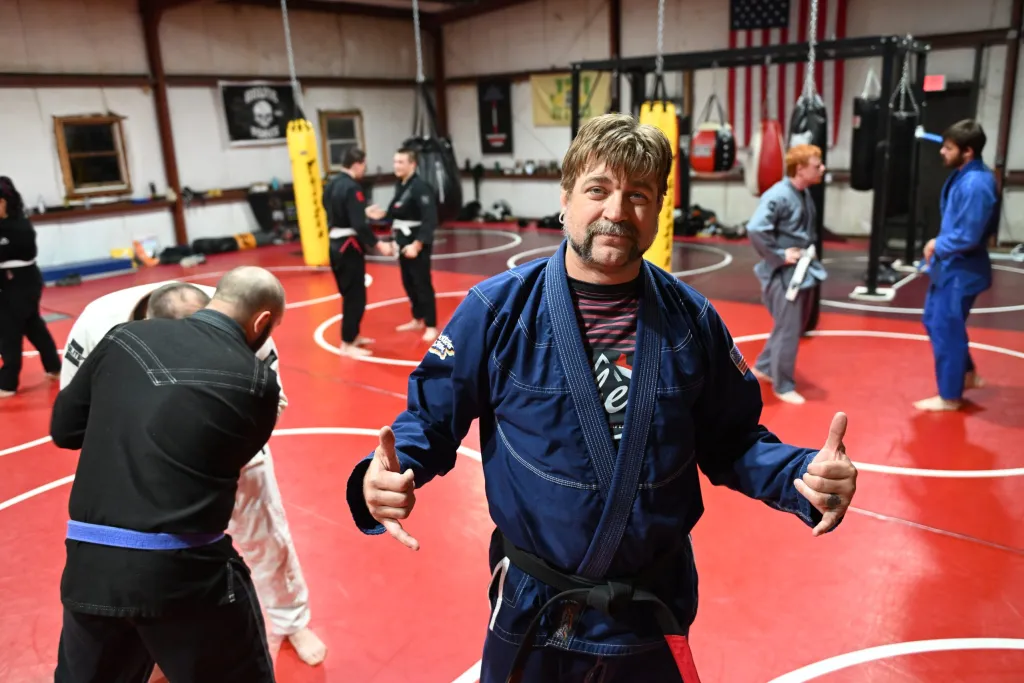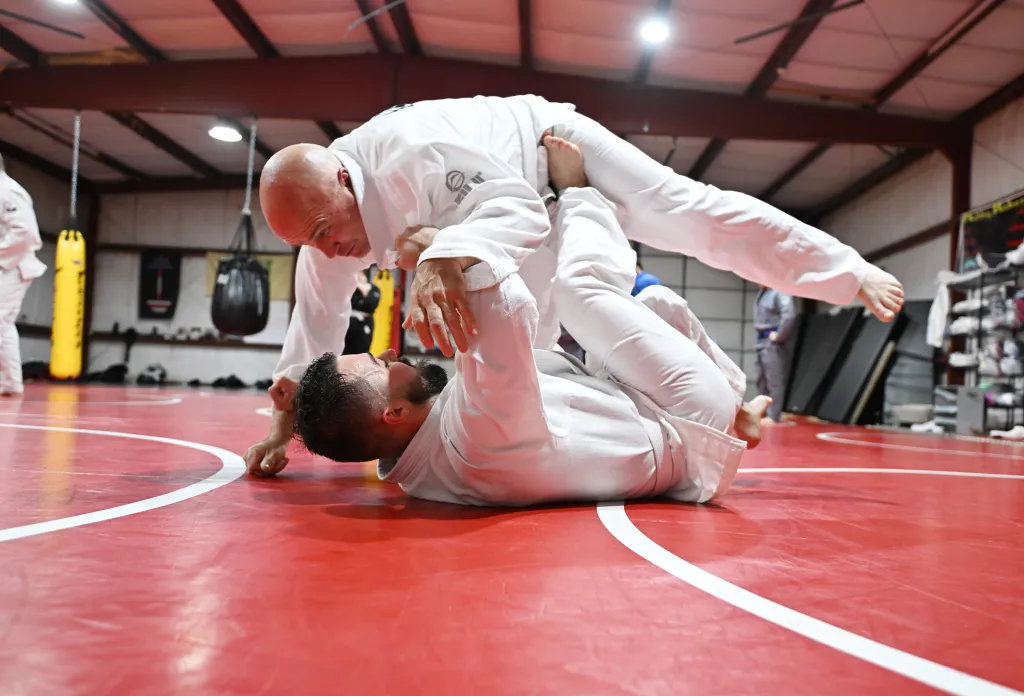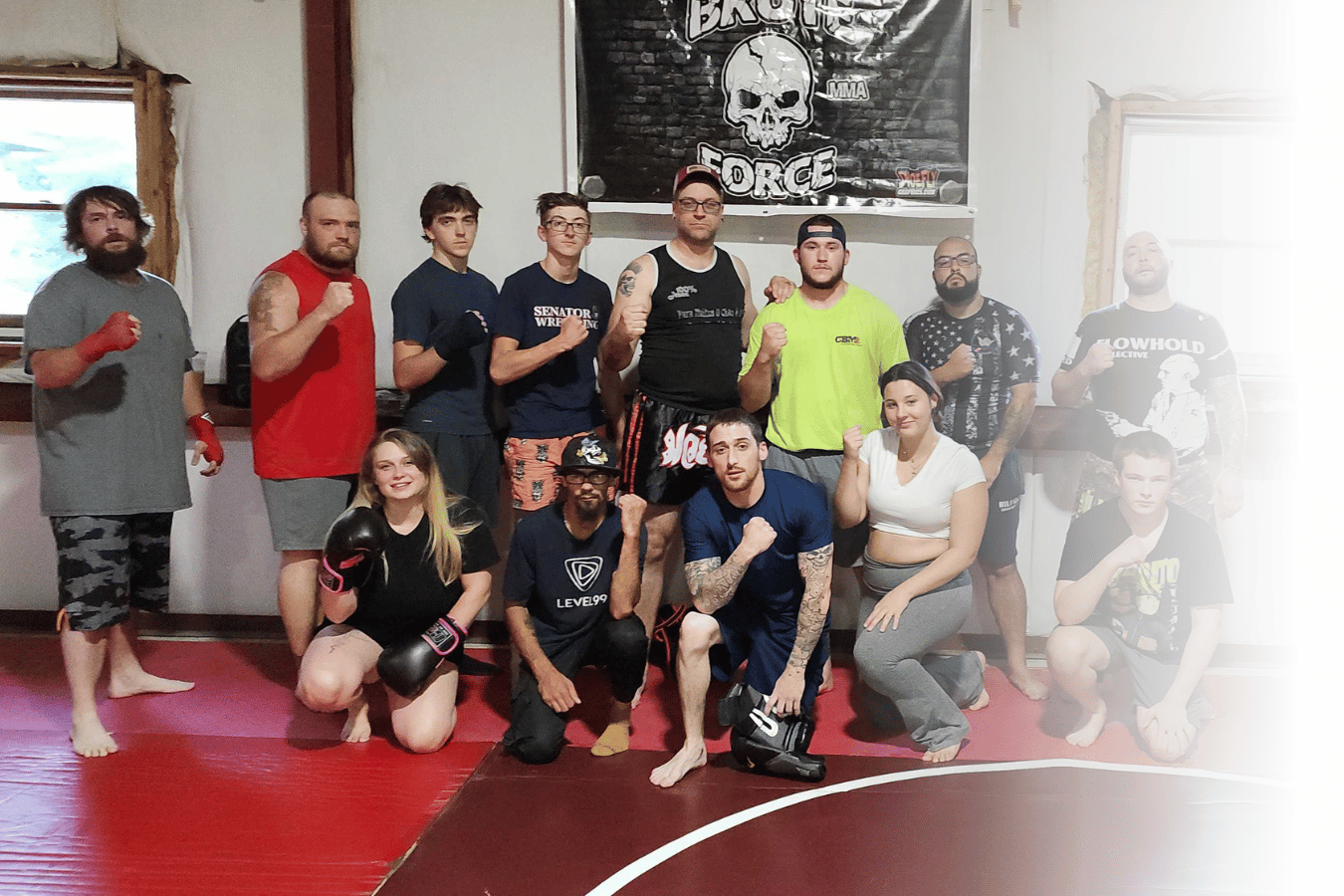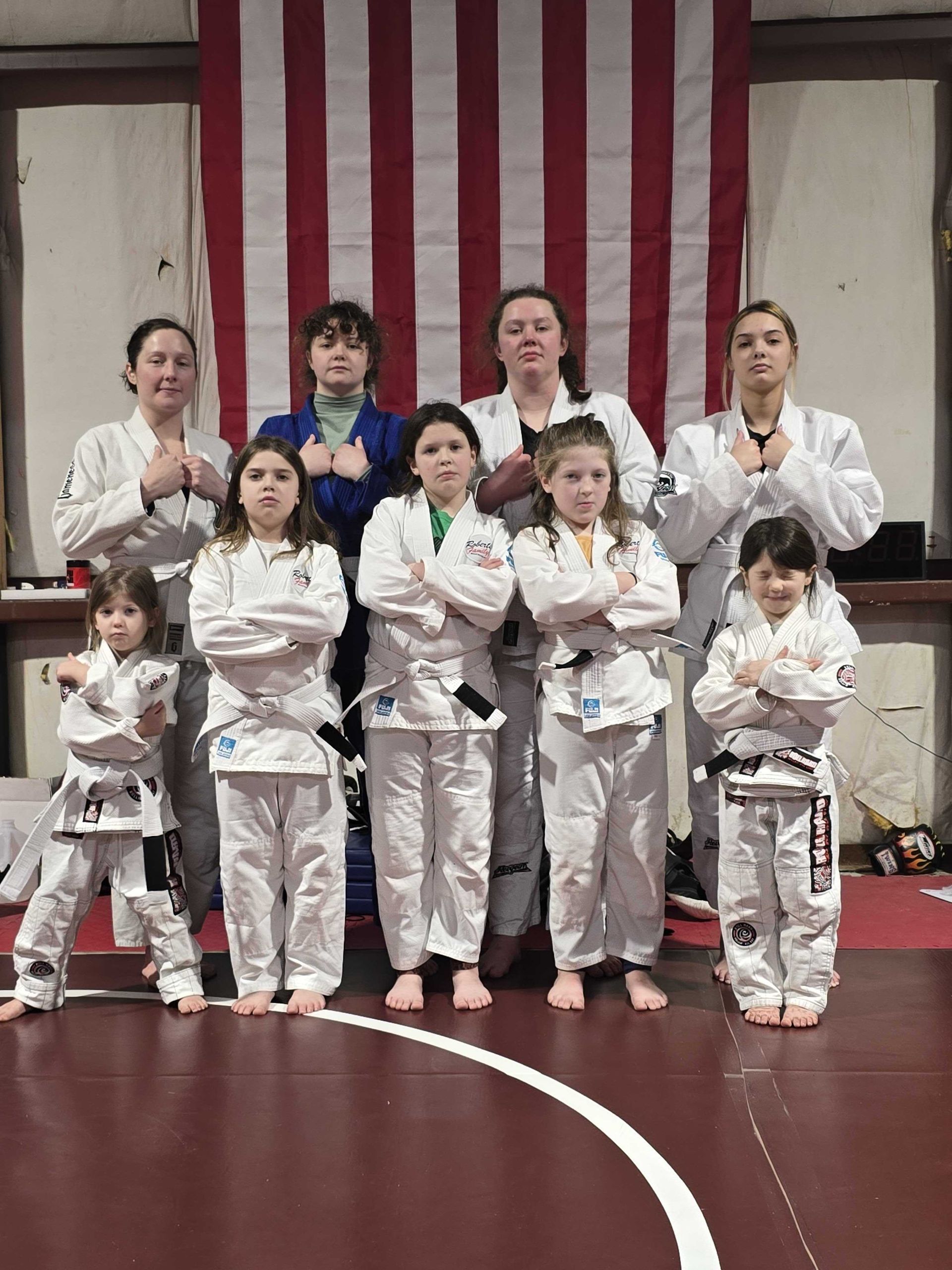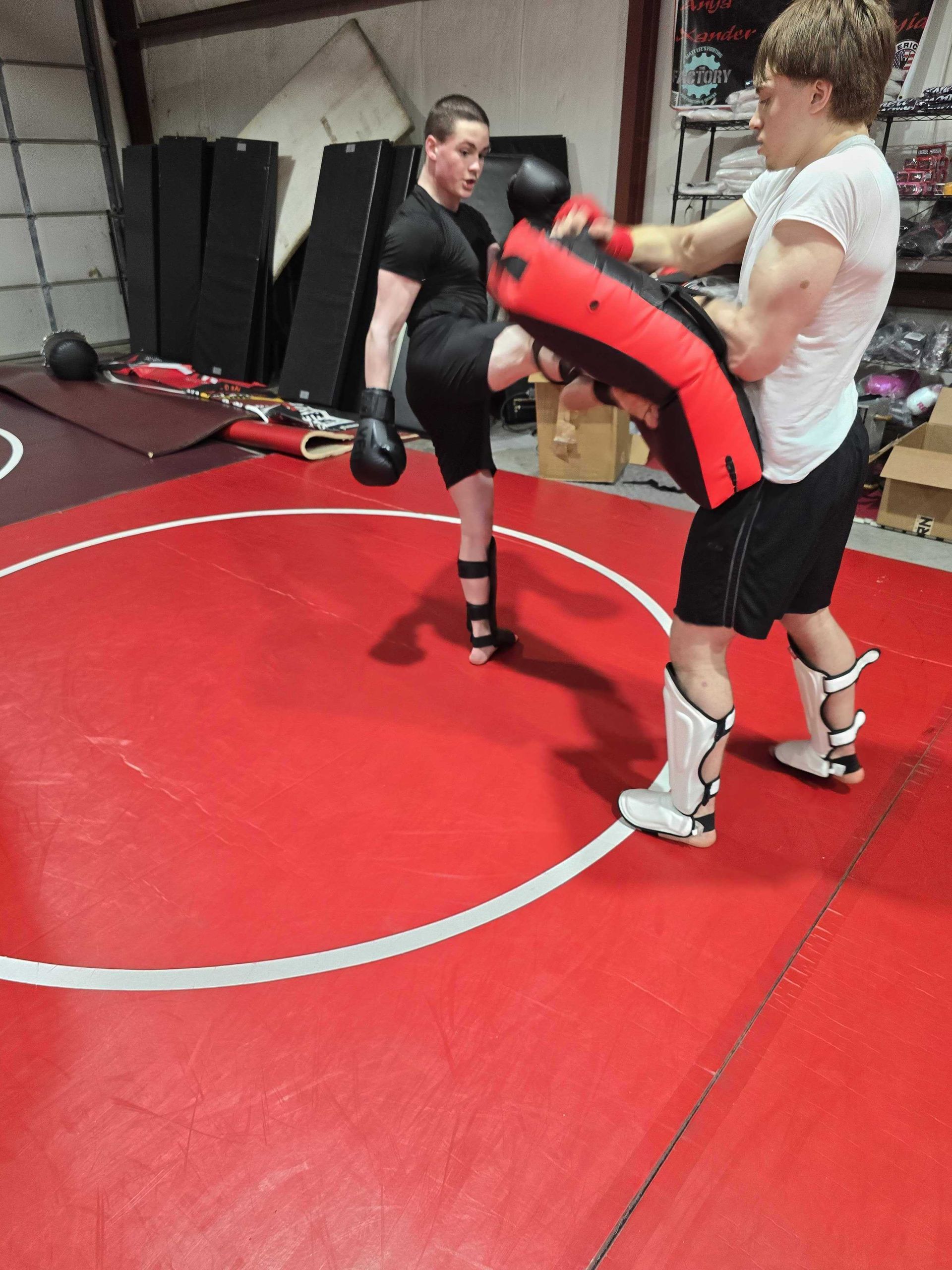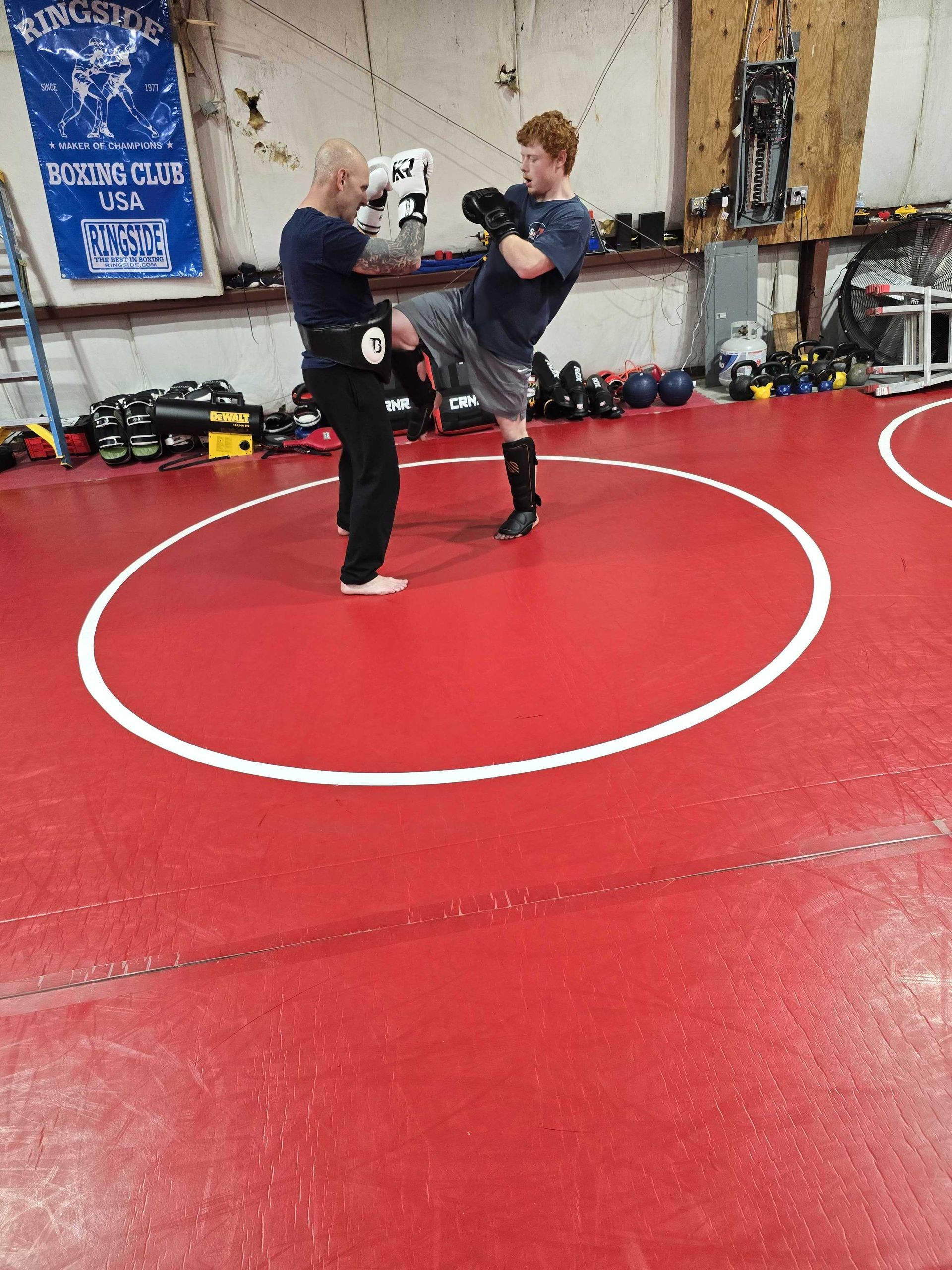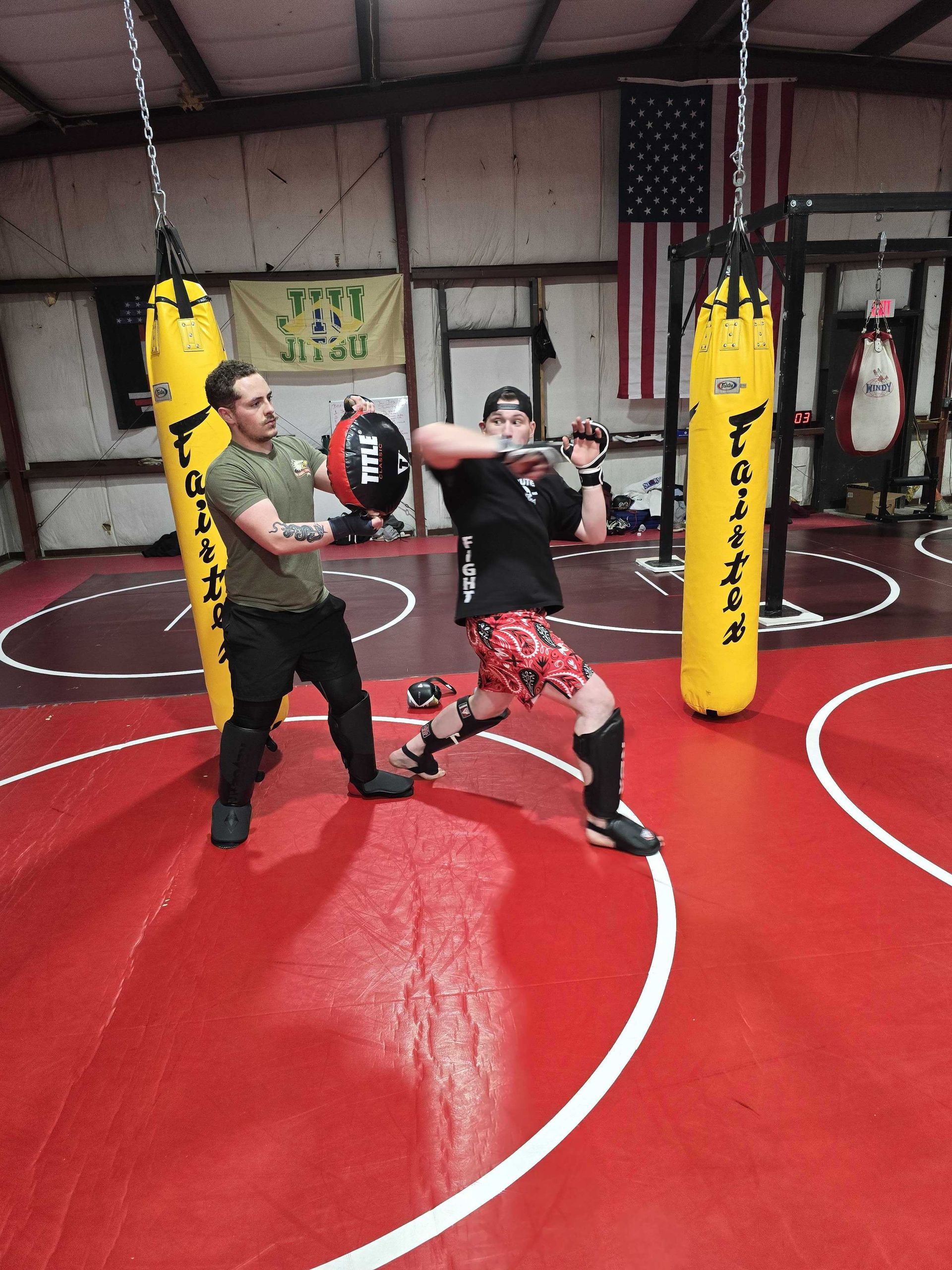

The most surprising part of training is how quickly the lessons on the mats start showing up around your kitchen table.
In Orange, finding an activity that works for the whole household can be tricky: kids need structure, adults need stress relief, and everyone needs something that actually sticks past the first couple of weeks. That’s where jiu jitsu stands out. It’s physical, yes, but it’s also collaborative in a way many people don’t expect.
We see families come in looking for a workout or self-defense and end up getting something more practical: a shared routine, a common language for problem-solving, and the kind of trust that only builds when you work through hard things together. If you’ve been curious about adult jiu jitsu Orange MA options, or you’ve been searching broadly for jiu jitsu Massachusetts programs that welcome families, this guide will help you understand why training together changes the dynamic at home.
Why jiu jitsu creates real teamwork instead of just shared time
A lot of family activities put everyone in the same place, but not everyone is truly doing the same thing. Jiu jitsu is different because the work is interactive. You’re not just exercising near each other. You’re communicating with grips, posture, pressure, timing, and small adjustments that require attention and respect.
Because jiu jitsu is built around controlled resistance, teamwork becomes a necessity. Partners have to cooperate to drill safely, learn the technique, and improve. That cooperation is what makes it such a strong connector for parents, kids, and siblings.
The mat teaches “with you,” not “against you”
Even when you’re sparring, the goal isn’t to “beat” your partner in the way people sometimes picture. The goal is to learn. We coach you to treat training partners like teammates who help you sharpen skills through realistic movement and honest feedback.
This mindset matters for families. It nudges everyone toward mutual respect: parents stop seeing training as something they “manage” for kids, and kids start seeing parents as partners who also need to learn, try, and improve. That shift is subtle, but it’s powerful.
Humility becomes a shared family value
Jiu jitsu has a funny way of keeping everyone grounded. Techniques work because the details work, not because someone is bigger, louder, or more stubborn. That creates an environment where humility is normal. You tap, reset, ask a question, and try again.
At home, that can look like fewer power struggles and more problem-solving. It’s not magic, but the habit of “let’s reset and try again” carries over.
Family bonding through shared challenges and milestones
One of the fastest ways to strengthen a relationship is to share a challenge that’s meaningful, measurable, and safe. Training gives you all three. You’ll sweat together, learn together, and occasionally laugh at how weird it feels to coordinate your hips and hands at the same time (it happens).
Milestones are a big part of why families stick with jiu jitsu. Promotions, learning a first escape that finally clicks, making it through a tough round without panicking, or showing up consistently for a month straight. Those wins become shared memories, not just individual achievements.
Recent trends in family-centered programs (2024 to 2025) reflect what we’ve been seeing firsthand: families want benefits beyond self-defense. They want mental toughness, stress reduction, and emotional skills that help daily life run smoother. Data from family-focused academies also points to measurable gains, including a 15% increase in confidence and assertiveness and a 10% boost in empathy development, along with stronger, more resilient friendships compared to traditional sports environments.
How training improves family communication in everyday life
Families communicate constantly, but not always clearly. Jiu jitsu builds a communication style that’s calm, specific, and respectful because the stakes are immediate: if you don’t listen, you can’t do the technique safely or correctly.
Clear feedback becomes normal
In class, you’ll hear simple, useful feedback: “Keep your elbows in,” “Breathe,” “Turn your hips,” “Slow down.” Over time, that straightforward approach becomes familiar. We also encourage questions, because confusion doesn’t get solved by guessing.
At home, that can translate to fewer vague arguments and more specific requests. Not perfect, not overnight, but the pattern changes.
Listening turns into a skill, not just a rule
When your partner says, “That pressure is too much,” or “My shoulder’s stuck,” you adjust. You learn to notice tone, body language, and timing. Those are the same inputs that matter when your child is frustrated after school or when you and your spouse are juggling schedules.
Empathy grows because you practice paying attention, not because you sat through a lecture about it.
Why jiu jitsu works for kids, teens, and adults in the same household
A common question we hear is whether jiu jitsu suits all ages. The answer is yes, when it’s taught with smart structure. Families can train in ways that match bodies, attention spans, and maturity levels without watering down the art.
Kids benefit from predictable routines, clear boundaries, and movement that builds coordination. Teens often thrive on the challenge and the confidence that comes from competence, not just hype. Adults get fitness, stress relief, and a community that holds you accountable in a healthy way.
And because everyone is learning the same core concepts, you can talk about training at home without anyone feeling left out.
Safety isn’t an afterthought, it’s the foundation
Another common concern is whether training is safe for beginners or siblings. We keep the environment structured and controlled. That means:
• Drills that build skill before intensity
• Emphasis on tapping early and respecting taps immediately
• Pairing and coaching that keeps size and experience in mind
• Clear expectations about behavior, especially for younger students
When those pieces are in place, even siblings who bicker at home often cooperate on the mats. It’s a different setting with different rules, and for many families, that’s a relief.
The physical and mental benefits that support healthier home routines
Yes, jiu jitsu is a workout. You’ll build strength, flexibility, balance, and coordination. But the benefits families talk about most are often the ones that make the week feel more manageable.
For adults, training is a practical stress outlet. You have to focus on what’s happening in the moment, which gives your brain a break from the constant tabs-open feeling of work and responsibilities. For kids, it can burn energy in a structured way and reinforce discipline without the constant “be still” battle.
Holistic benefits are a big reason family programs are growing. Many households are intentionally trading screen time for mat time, and the home dynamics improve: calmer behavior, better cooperation among siblings, and more consistent sleep routines. That aligns with what we’ve seen locally in Orange, where options for family-centered fitness and adult martial arts can feel limited if you want something that truly includes everyone.
How teamwork forms during class (and why it’s different from typical sports)
In many sports, teamwork is strategic: pass the ball, cover your zone, follow the play. In jiu jitsu, teamwork is intimate and immediate. You’re literally helping each other learn how to move under pressure. That can feel a little awkward at first, and then it becomes normal.
You also can’t fake progress. If you skip the details, your partner feels it. If you rush, you lose position. That honesty builds accountability, and accountability is one of the strongest teamwork skills a family can develop.
Here are a few ways teamwork shows up in training that tend to translate directly to home life:
• Shared problem-solving: you and your partner troubleshoot why a technique isn’t working and adjust together
• Respectful boundaries: tapping and resetting teaches consent and immediate response to limits
• Role switching: sometimes you lead, sometimes you follow, and both roles matter
• Calm under stress: learning to breathe and think while pinned is a real-life emotional regulation skill
• Celebrating growth: families learn to notice progress in small wins, not only big outcomes
Those patterns sound simple, but lived consistently, they change how people treat each other.
What to expect when your family starts training in Orange, MA
Starting something new as a family can feel like coordinating a small expedition. The good news is that you don’t need to “get in shape first,” and you don’t need experience. You just need a plan that’s realistic for your schedule.
We usually recommend training two to three times per week if your goal is to build a lasting habit. Once a week can be a good start, but twice a week is where many families begin to feel momentum. You’ll remember techniques more easily, your conditioning improves faster, and the routine becomes part of your week instead of an occasional event.
A practical approach we like is pairing training with simple home goal-setting. Nothing intense, just small targets like showing up consistently, practicing one movement pattern, or keeping a calm mindset during a tough round. When parents and kids share those goals, it becomes teamwork off the mats too.
A simple first-month roadmap
If you like structure, here’s a straightforward way to think about your first month of jiu jitsu:
1. Week 1: learn basic positions, how to tap, and how to move safely with a partner
2. Week 2: add one escape and one control position, and focus on staying relaxed
3. Week 3: begin connecting moves in short sequences during drills
4. Week 4: build consistency and confidence by repeating fundamentals and asking questions
This is also where many people notice early results: improved focus for kids at school, better energy for parents, and more patience at home because everyone has a shared outlet.
How adult jiu jitsu supports stronger parenting and healthier relationships
Adult jiu jitsu Orange MA students often tell us they came in for fitness and stayed because training made them more patient and more present. It’s not just the physical fatigue. It’s the mental practice of staying calm while something difficult is happening.
That matters in parenting. When your child is having a hard moment, your nervous system tends to mirror it. Training teaches you to breathe, slow down, and respond with intention. You’re literally practicing regulation every time you get put in a bad position and choose not to panic.
It also helps couples and co-parents. Having a shared activity reduces the “parallel lives” effect that happens when everyone’s busy. You get a common project that isn’t just chores or errands. You learn together, and that creates a different kind of closeness.
Why this matters in Orange and across jiu jitsu Massachusetts communities
Orange is a small community in North Central Massachusetts, and that can be a strength: when you find the right place to train, it becomes part of your routine and your support system. Families often want an activity that builds fitness, discipline, and social skills without adding chaos to the schedule.
That’s one reason jiu jitsu Massachusetts interest has expanded so quickly, especially in family-oriented programs. People want training that builds confidence, empathy, and resilience, not just toughness for toughness’ sake. When the culture is healthy, you see it in the friendships, the way students help newer teammates, and the way kids learn to cooperate even when they don’t feel like it at first.
Take the Next Step
If you want an activity that strengthens communication, builds real teamwork, and gives your family a shared set of skills, jiu jitsu is one of the most practical options we’ve found. The benefits show up in small moments: calmer problem-solving, better habits, and a little more trust in how you handle challenges together.
We’ve designed our family and adult programs at Roberts Family Mixed Martial Arts to meet you where you are, whether you’re brand new or returning to training after time away. If your goal is stronger connection at home and a healthier routine in Orange, we’re ready when you are.
Turn what you learned here into real training by joining a martial arts program at Roberts Family Mixed Martial Arts.
ACCESS OUR SCHEDULE
& EXCLUSIVE WEB SPECIAL
Secure your spot and get started today with our EXCLUSIVE offer!