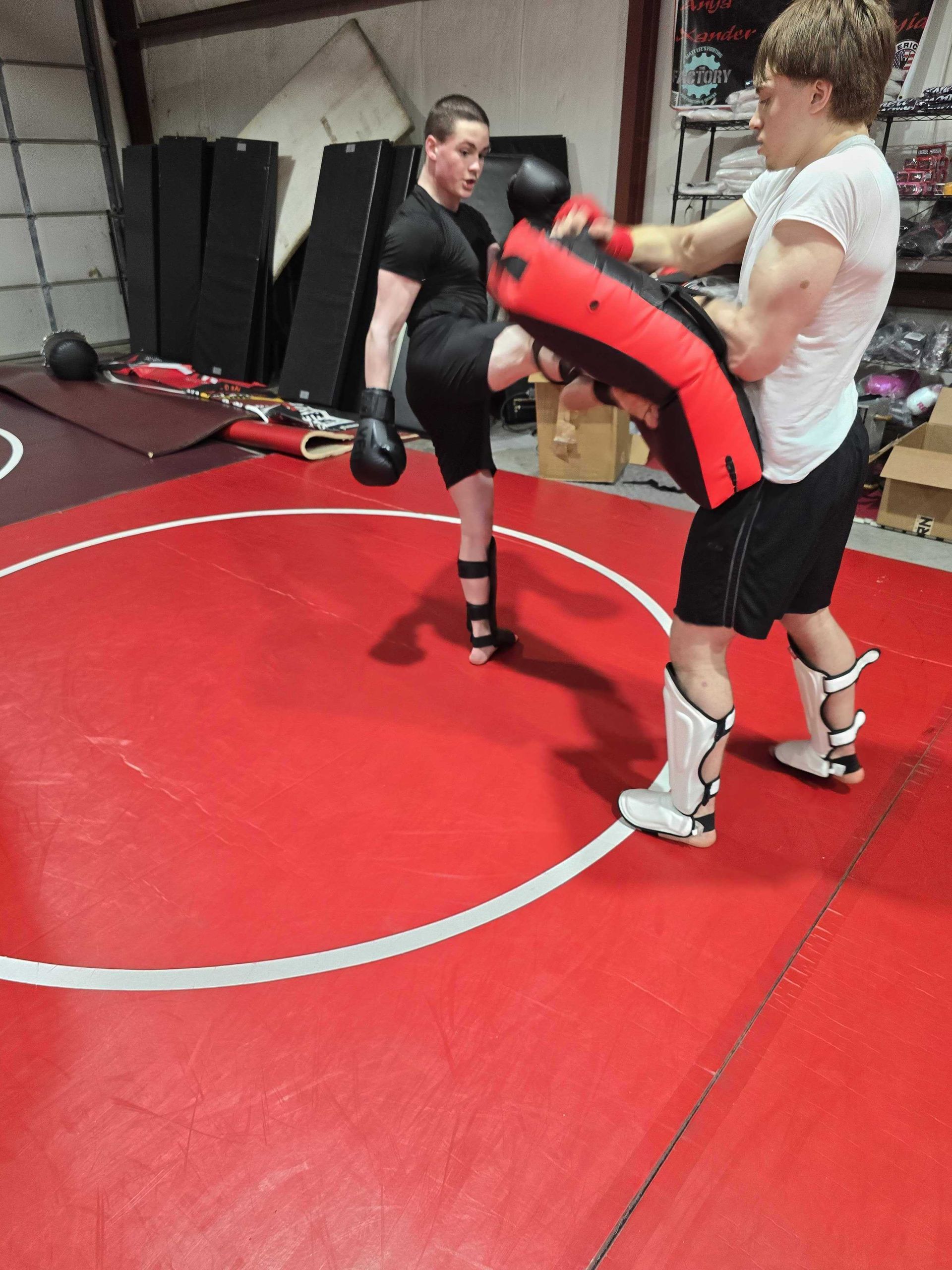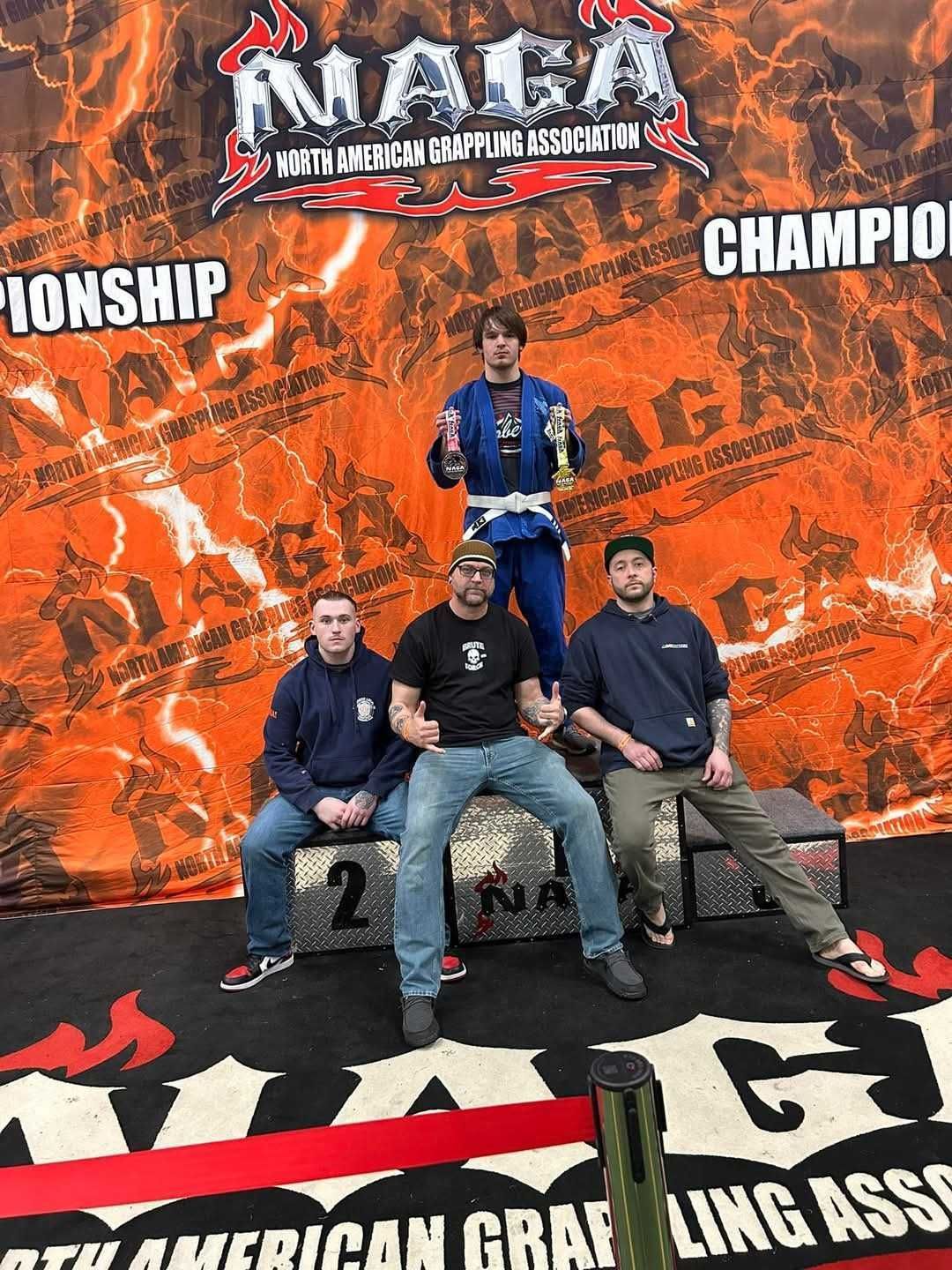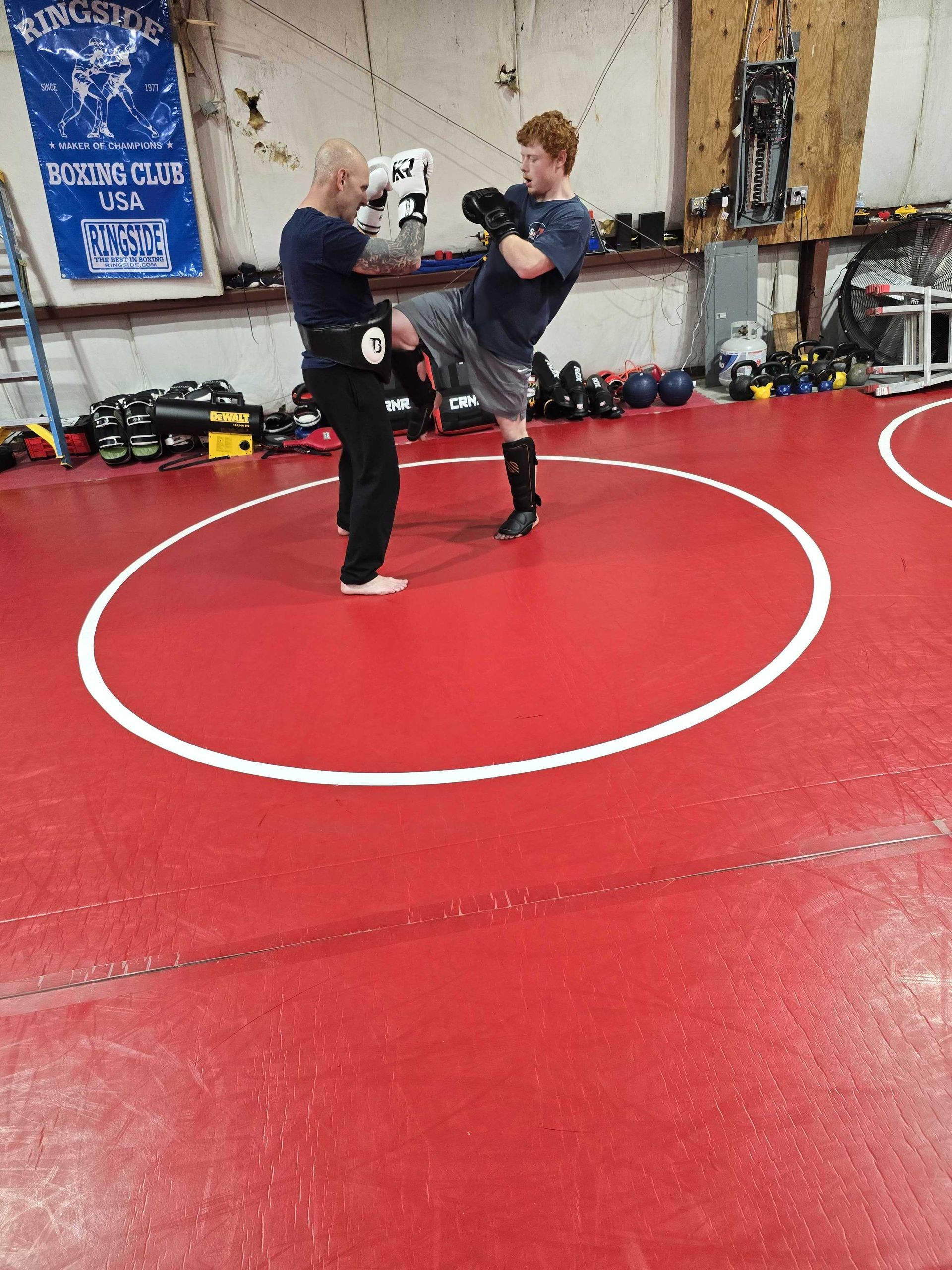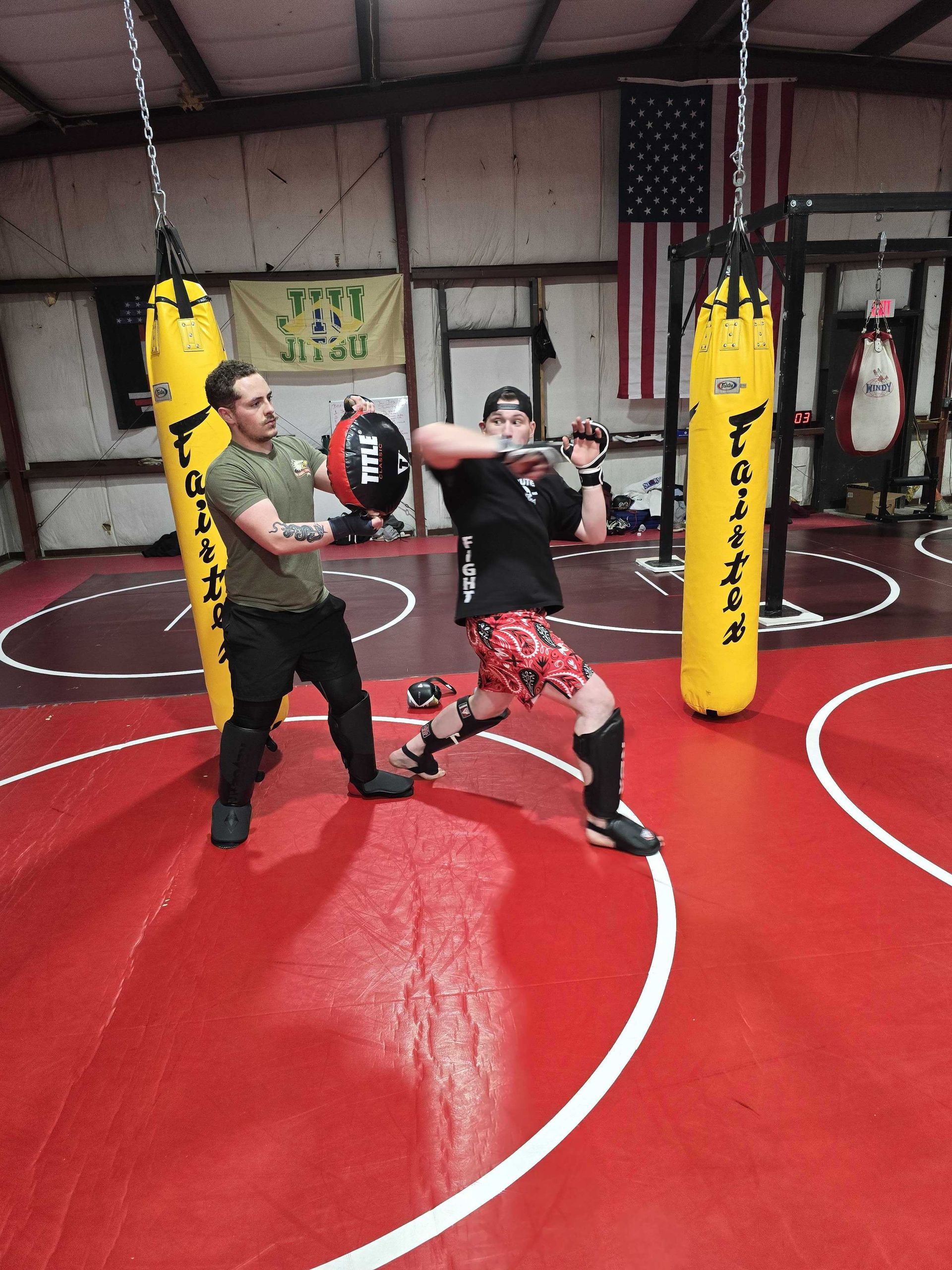

If your hips, back, or shoulders feel locked up, jiu jitsu gives you a practical way to move better while learning a real skill.
Mobility is one of those things you do not miss until it starts to fade. Maybe your lower back complains after a long drive, or your hips feel tight when you step over a snowbank in an Orange winter. We hear it all the time from adults who want to feel athletic again, but who also want training that makes sense, not just random stretching.
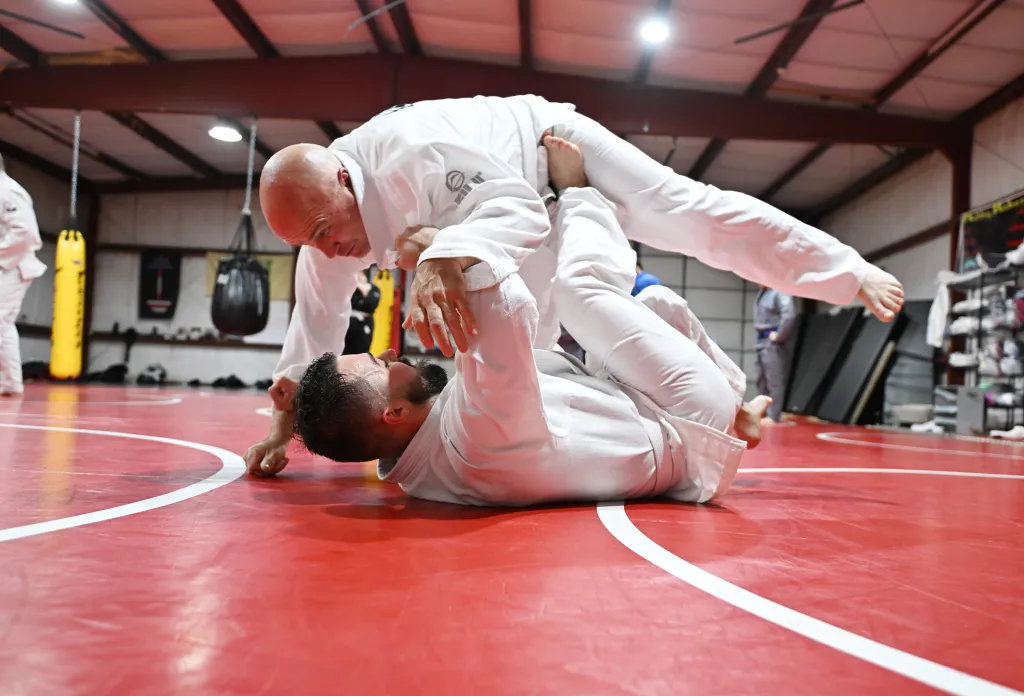
Jiu jitsu is a surprisingly direct answer. Because it is built around escapes, transitions, guard work, and controlled grappling, your body practices range of motion repeatedly in ways that look a lot like real life: turning, bending, posting an arm, bridging your hips, and getting up off the floor. Over time, those positions stop feeling awkward and start feeling natural.
In our classes, mobility is not an afterthought. We coach movement the same way we coach technique: gradually, with clear mechanics, and with plenty of options so your body can adapt without getting beat up.
Why jiu jitsu builds mobility differently than typical stretching
Most people think flexibility means touching your toes. In practice, what you want is usable range of motion: the ability to move into a position with control and come back out safely. Jiu jitsu trains that kind of flexibility because you are not holding one long stretch and hoping it sticks. You are moving through joint angles while your muscles stay engaged.
That matters for injury prevention and performance. Strength and conditioning research has linked flexibility work with improved muscular performance, better joint mobility, and reduced muscle stiffness, which can lower strain risk. In a grappling context, that translates to smoother movement and less fighting against your own body.
Another advantage is repetition. In a single class, you might bridge dozens of times, rotate through your hips repeatedly, and squat or lunge in short bursts during transitions. That consistent exposure, done with good technique, is how mobility actually changes.
The mobility muscles jiu jitsu hits the most
Jiu jitsu asks a lot from a few key areas. When those areas open up and get stronger, you feel it everywhere, including daily life.
Hips and hip flexors
Guard retention, shrimping, hip escapes, and standing up in base all ask your hips to move through wide angles. Even if you start stiff, the movements scale well because we can modify distance, tempo, and intensity. As your hips improve, you usually notice easier squatting, stepping, and getting in and out of a car.
Hamstrings and glutes
Bridging, framing, and controlling distance with your legs require active tension. That combination of strength and length helps many adults feel less tight in the back of the legs, especially if you sit for work. Your hamstrings stop acting like tight ropes and start acting like athletic support.
Lower back and trunk rotation
A lot of BJJ movement is about turning your shoulders and hips together, then separating them when needed. Escapes, guard recovery, and certain sweeps build controlled rotation and bracing. The goal is not to twist carelessly, but to move with structure so your back feels supported.
Shoulders, wrists, and upper back
Posting, framing, pummeling for grips, and maintaining posture in guard all demand shoulder stability. That stability is part of mobility. When your shoulder blades move well and your upper back is not rigid, your arms can work without the “pinchy” feeling so many adults complain about.
How mobility shows up in real techniques you will actually practice
Mobility gains feel less mysterious when you connect them to specific actions. Here are a few common patterns we coach, and why your body changes as you practice them.
Escapes that teach you to move under pressure
A basic hip escape is a mobility drill in disguise. You are extending one leg, bending the other, rotating your pelvis, and pushing off the mat with timing. Do it enough and you get better hip separation, better core coordination, and a more comfortable lower back.
Guard work that opens the hips while building control
Open guard positions often require hip external rotation, hamstring length, and ankle mobility. But we do not throw you into the deepest positions on day one. We progress you so your joints adapt, and you learn how to keep tension without holding your breath.
Stand-ups and transitions that improve “floor confidence”
One underrated benefit of jiu jitsu is simply getting comfortable moving from the ground to your feet. Technical stand-ups, knee slides, and base switches teach balance and coordination. For adults in Orange, MA, that matters when the ground is slick in winter or uneven on trails.
A simple way to think about safety and injury risk
People ask whether jiu jitsu is safe, especially if you feel stiff, older, or a little injury-prone. The honest answer is that any physical training carries some risk, but jiu jitsu is also known for being adaptable and relatively low-impact compared to sports that involve constant jumping, sprinting, or collisions.
A big reason is that we can control intensity. You can train technique with a cooperative partner, increase resistance gradually, and choose sparring rounds that match your comfort level. Recent reviews and studies in the grappling space also highlight that, with proper mechanics and coaching, injury rates can be lower than many high-impact sports, and most training-related issues resolve quickly with smart adjustments.
Our approach stays consistent:
- We prioritize tapping early and often, especially when you are new
- We teach posture, frames, and alignment before speed
- We match partners thoughtfully so you can learn without chaos
- We encourage you to communicate so we can modify positions on the spot
That is not dramatic, but it is how adults train for the long run.
What adults over 40 often notice first
Mobility changes can be subtle at first. Then one day you realize you can move without the little winces you used to accept as normal. Recent 2024 trend coverage points out that BJJ is growing fast among adults over 40 for reasons that include improved mobility, joint stability, posture, and circulation.
In our adult room, the earliest wins are usually:
- Easier hip movement when bending, squatting, or stepping sideways
- Less stiffness after sitting at work or driving
- Better posture because your upper back and core get stronger together
- More confidence getting up from the floor and moving on uneven ground
None of this requires you to be “naturally flexible.” It requires consistency and a plan that respects where you are starting.
Beating Orange, MA stiffness: training that fits the local rhythm
Life in Orange is not always a perfectly controlled environment. Seasons change, routines shift, and plenty of us spend time in cars, at desks, or doing repetitive work. Winter can make joints feel creaky, and spring tends to reveal how tight we got during the cold months.
Jiu jitsu helps because it is functional movement wrapped inside a skill. You are not just stretching because you were told to stretch. You are moving because you need to escape, stabilize, or transition. That purpose keeps you coming back, and it keeps your mind engaged, too.
If you have ever tried to build mobility with a home routine, you already know the hard part is sticking with it. Training with partners and a coach gives structure and accountability without feeling like a chore.
What a mobility-focused jiu jitsu class looks like here
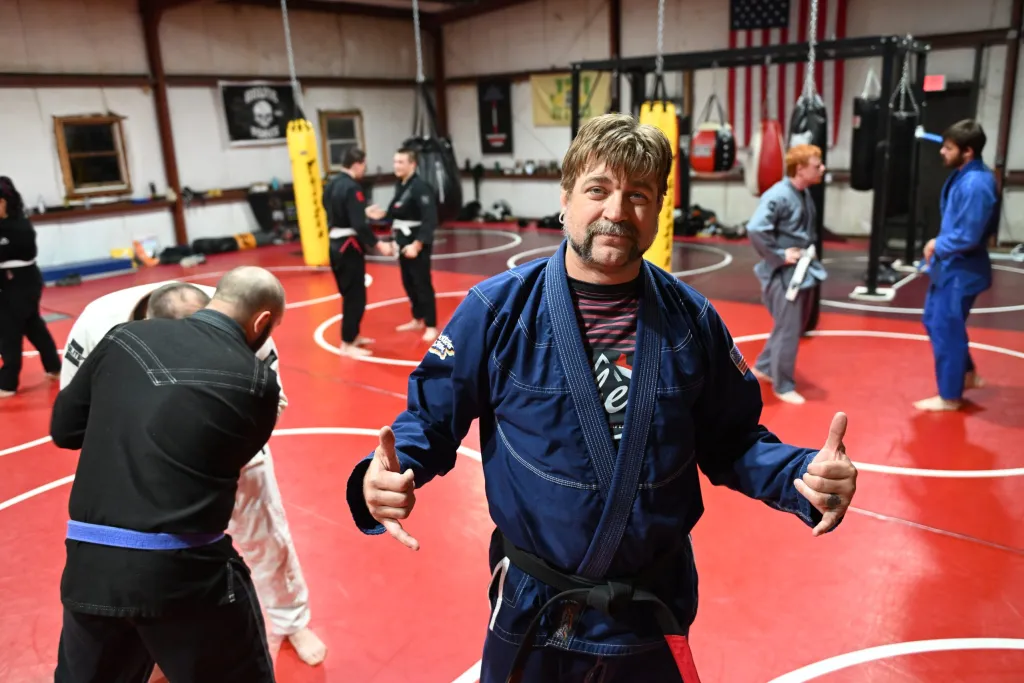
Every gym says classes are beginner-friendly, so here is what that actually means in practice. We run sessions with a clear flow so you can warm up, learn, and leave feeling better than when you walked in.
The typical class structure
1. Movement warm-ups that prepare hips, shoulders, and spine for grappling positions
2. Technique instruction with details on alignment, breathing, and safe range of motion
3. Partner drilling to build smooth, repeatable movement patterns
4. Positional training where you practice in a focused situation, like escaping side control
5. Optional live rounds scaled to your experience level, with coaching when needed
That combination is where flexibility and mobility gains show up. You practice the same patterns often enough to improve, but with enough variation to keep your body adapting.
How often you need to train to feel more mobile
Most adults do best with consistency, not extremes. If you train too rarely, your body never gets enough repetition. If you jump in too hard, you get sore and disappear for two weeks. We prefer the middle path because it actually works.
A practical starting point for adult jiu jitsu Orange MA schedules is 2 to 3 classes per week. Many people notice meaningful mobility changes in about 4 to 6 weeks, especially in hips and lower back, because those areas get trained every session. From there, you can add sessions if recovery feels good.
If you already lift, run, or hike, jiu jitsu often complements those activities by improving movement quality. Your warm-ups get better, your joints feel more stable, and you recover with fewer “mystery aches.”
Common beginner questions we answer every week
Do I need to get flexible before I start?
No. Starting is how you get flexible. We modify positions so you can participate safely, and we progress your range of motion gradually. Jiu jitsu is one of the rare activities where being stiff is not a reason to wait, it is a reason to begin.
What if I have an old injury or limited mobility?
Tell us before class and we will adjust. Many positions have alternatives, and we can change pacing, partner selection, and specific techniques. The goal is to train around limitations while improving the pieces you can improve.
Is jiu jitsu Massachusetts training only for serious competitors?
Not here. Competition is optional. Most adults come for mobility, fitness, stress relief, and skill-building. You can train hard without making it your whole personality, and you can keep your progress steady without pressure.
Ready to Train Smarter in Orange
If you want flexibility that actually shows up in daily life, jiu jitsu is one of the most practical paths we know. You build mobility by learning real movements, repeating them with coaching, and gradually expanding what your body can do, week by week.
When you are ready to put that into action, we would love to help you get started at Roberts Family Mixed Martial Arts. Our adult program is built to meet you where you are now, then guide you toward stronger hips, better posture, and smoother movement that lasts.
Develop discipline, fitness, and confidence by joining a class at Roberts Family Mixed Martial Arts.
ACCESS OUR SCHEDULE
& EXCLUSIVE WEB SPECIAL
Secure your spot and get started today with our EXCLUSIVE offer!